

How to Get Rid of Mole Crickets Naturally: A Comprehensive Guide
Eliminate mole crickets without harsh chemicals! Naturally controlling mole crickets involves a multi-pronged approach using beneficial nematodes, insecticidal soap, diatomaceous earth, and traps to get rid of mole crickets naturally.

Mole crickets are the bane of many lawns and gardens. These subterranean pests tunnel through the soil, damaging roots and disrupting plant growth. While chemical pesticides offer a quick fix, they can harm beneficial insects and the environment. This article explores safe and effective natural methods for managing mole cricket infestations and achieving a healthy, thriving lawn.
Understanding Mole Crickets and the Damage They Cause
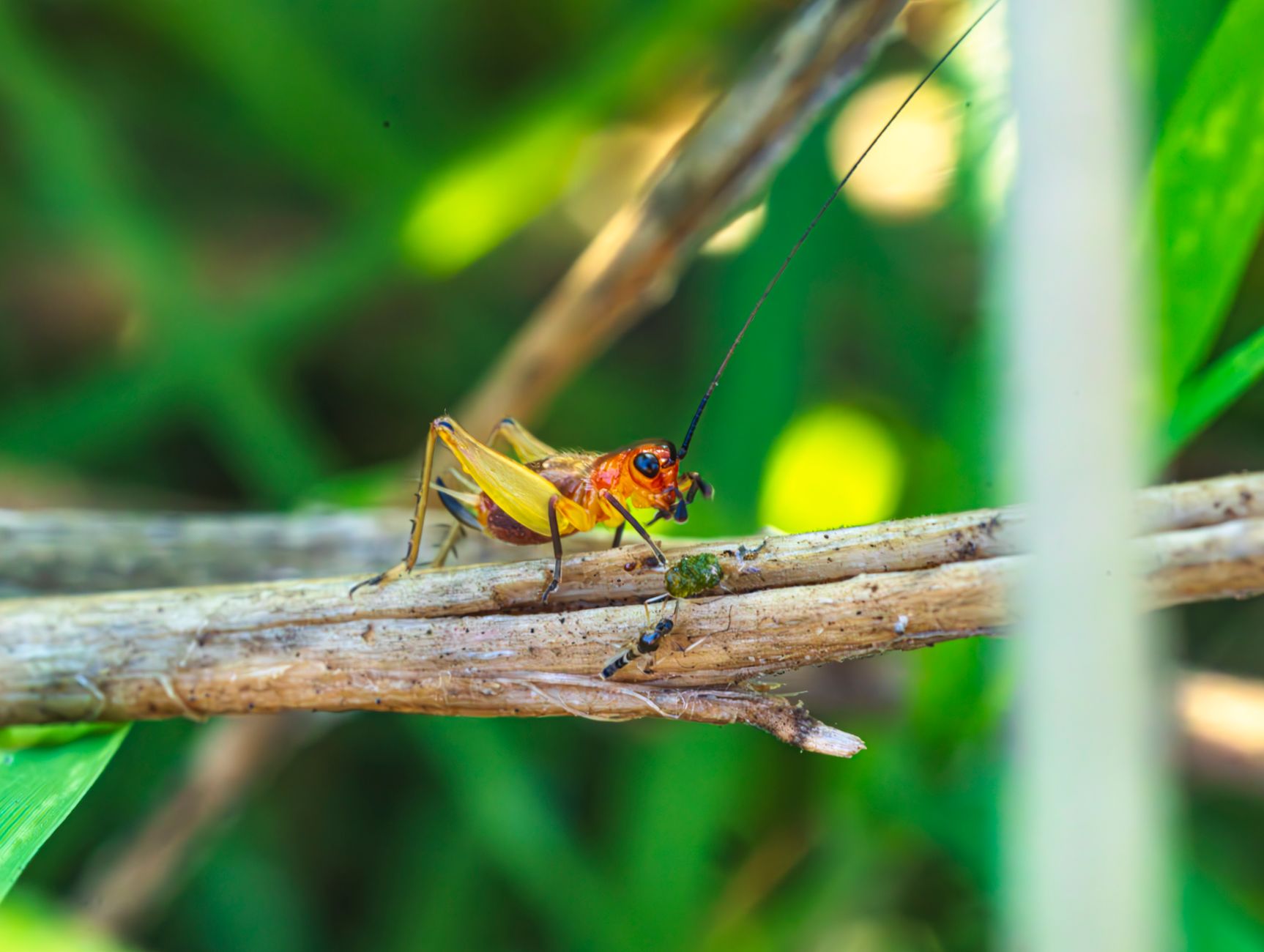
Mole crickets are insects characterized by their mole-like front legs, which they use for digging. They are nocturnal and live primarily underground, feeding on roots and decaying organic matter. Their tunneling disrupts the root systems of grasses and plants, leading to brown patches, wilting, and overall plant decline. Identifying their presence early is crucial for effective management.
- Damage Symptoms: Look for raised ridges on the lawn, brown patches, and an overall spongy feel to the turf.
- Timing is Key: Mole crickets are most active in the spring and fall, making these the best times for control efforts.
- Species Variation: Different species exist, but the principles of natural control remain largely the same.

Is distilled water good for goldfish?
What colours are fish most attracted to?
Can you put your finger in a trout's mouth?
Is methylene blue anti bacterial?
Benefits of Natural Mole Cricket Control
Choosing natural methods to control mole crickets offers several advantages over synthetic pesticides:
- Environmentally Friendly: Natural controls minimize the risk of polluting soil and water sources.
- Safe for Beneficial Insects: They target mole crickets specifically, leaving beneficial insects and pollinators unharmed.
- Sustainable Solution: Natural methods promote a healthy soil ecosystem, contributing to long-term pest control.
- Reduced Health Risks: Avoidance of harsh chemicals reduces the risk of exposure for humans and pets.
Effective Natural Strategies to Get Rid of Mole Crickets
Several natural methods can be employed to effectively manage mole cricket populations. A combination of these strategies often yields the best results.
- Beneficial Nematodes: Heterorhabditis bacteriophora nematodes are microscopic worms that parasitize mole crickets. They are applied to the soil with a watering can or sprayer and actively seek out their prey.
- Insecticidal Soap: A concentrated insecticidal soap solution can be poured into mole cricket tunnels to directly kill them. Ensure thorough coverage for best results.
- Diatomaceous Earth (DE): Food-grade diatomaceous earth is a natural abrasive that damages the exoskeleton of mole crickets, leading to dehydration. It is applied to the soil surface, especially in areas where mole cricket activity is evident.
- Trapping: Simple traps can be created using soapy water or molasses solutions in buried containers. Mole crickets are attracted to the bait and drown in the liquid.
- Garlic Spray: A homemade garlic spray can deter mole crickets from feeding and tunneling in treated areas.
Step-by-Step Guide to Applying Beneficial Nematodes
Beneficial nematodes are a powerful tool for natural mole cricket control. Here’s how to apply them effectively:
- Purchase the Correct Species: Ensure you are buying Heterorhabditis bacteriophora nematodes.
- Prepare the Soil: Water the lawn thoroughly to moisten the soil before application.
- Mix the Nematodes: Follow the package instructions to mix the nematodes with water.
- Apply Evenly: Use a watering can or sprayer to apply the nematode solution evenly over the affected areas.
- Water Again: Immediately after application, water the lawn again to help the nematodes penetrate the soil.
- Maintain Moisture: Keep the soil moist for several days to ensure the nematodes can thrive and effectively target the mole crickets.
Creating and Using Mole Cricket Traps
Traps are a simple and effective way to reduce mole cricket populations. Here’s how to make and use them:
- Materials: You will need containers (e.g., coffee cans, plastic cups), water, soap or molasses.
- Preparation: Dig holes in the ground where you observe mole cricket activity. The holes should be large enough to accommodate the containers.
- Setting the Traps: Place the containers in the holes so that the rims are level with the ground.
- Adding the Bait: Fill the containers with a mixture of water and a few drops of dish soap or a small amount of molasses.
- Checking the Traps: Check the traps regularly and empty them as needed. Replenish the bait solution to maintain effectiveness.
Preventing Future Infestations
Once you have successfully controlled a mole cricket infestation, it’s important to take steps to prevent future problems.
- Maintain Healthy Soil: Healthy soil is less susceptible to pest infestations. Improve soil drainage and aeration by adding organic matter, such as compost.
- Proper Watering: Avoid overwatering, which can create favorable conditions for mole crickets.
- Regular Lawn Maintenance: Mow your lawn regularly and remove thatch buildup to reduce the attractiveness of your lawn to mole crickets.
- Encourage Natural Predators: Birds, ground beetles, and other beneficial insects prey on mole crickets. Encourage their presence by providing habitat, such as bird feeders and undisturbed areas in your garden.
Common Mistakes to Avoid
- Ignoring Early Signs: Failing to address a mole cricket problem early can lead to a more severe infestation.
- Using the Wrong Type of Nematodes: Heterorhabditis bacteriophora is the most effective species for mole cricket control.
- Applying Nematodes in Direct Sunlight: UV radiation can kill nematodes. Apply them in the evening or on a cloudy day.
- Over-Reliance on a Single Method: Combining multiple natural control methods is more effective than relying on a single approach.
- Neglecting Soil Health: Poor soil health can make your lawn more susceptible to mole cricket infestations.
Table: Comparison of Natural Mole Cricket Control Methods
| Method | Description | Pros | Cons |
|---|---|---|---|
| Beneficial Nematodes | Microscopic worms that parasitize mole crickets. | Highly effective, targets mole crickets specifically. | Requires proper application and soil moisture, can be expensive. |
| Insecticidal Soap | Soap solution that kills mole crickets on contact. | Easy to apply, readily available. | Can be less effective on larger infestations, requires direct contact. |
| Diatomaceous Earth (DE) | Natural abrasive that damages the exoskeleton of mole crickets. | Safe for humans and pets, long-lasting. | Can be washed away by rain, may need reapplication. |
| Trapping | Using soapy water or molasses solutions to attract and drown mole crickets. | Simple, inexpensive, and effective for reducing populations. | Requires regular monitoring and emptying. |
| Garlic Spray | Homemade spray to deter mole crickets. | Natural and readily available ingredients. | May require frequent reapplication, effectiveness can vary. |
Frequently Asked Questions (FAQs)
How effective are beneficial nematodes for mole cricket control?
Beneficial nematodes, particularly Heterorhabditis bacteriophora, are highly effective for controlling mole crickets. They actively seek out and parasitize mole crickets in the soil, leading to their death. Effectiveness depends on proper application and maintaining adequate soil moisture.
Is diatomaceous earth safe to use around pets and children?
Food-grade diatomaceous earth is generally considered safe for use around pets and children. However, it’s best to avoid inhalation of the dust, as it can be an irritant to the lungs. Wear a mask during application, and allow the dust to settle before allowing pets and children back into the treated area.
What is the best time of year to apply natural mole cricket control methods?
The best time to apply natural mole cricket control methods is in the spring and fall, when mole crickets are most active near the soil surface. This increases the likelihood of contact with the control agents.
How long does it take to see results from natural mole cricket control methods?
The time it takes to see results can vary depending on the severity of the infestation and the chosen control method. Beneficial nematodes can start to show results within a few weeks, while other methods may take longer. Consistent application and monitoring are key.
Can I use insecticidal soap on my vegetable garden to control mole crickets?
Insecticidal soap can be used on vegetable gardens to control mole crickets. Ensure you are using a product specifically labeled for use on edible plants and follow the label instructions carefully. Wash vegetables thoroughly before consumption.
Will mole crickets eventually go away on their own?
Mole crickets are unlikely to go away on their own. They can persist in the soil for extended periods, causing ongoing damage. Active management is necessary to control their populations.
How can I tell the difference between mole cricket damage and other lawn problems?
Mole cricket damage is characterized by raised ridges in the lawn, brown patches, and a spongy feel to the turf. You may also see small holes where mole crickets enter and exit their tunnels. Examine the soil at night to confirm their presence.
Are there any plants that deter mole crickets?
Some plants are believed to deter mole crickets, although scientific evidence is limited. Garlic and marigolds are often cited as plants that may help repel mole crickets. Planting these around vulnerable areas might offer some protection.
How often should I reapply natural mole cricket control methods?
The frequency of reapplication depends on the specific method and the severity of the infestation. Beneficial nematodes may need to be reapplied every few weeks, while diatomaceous earth may need to be reapplied after heavy rain. Follow the product instructions for best results.
What is the ideal soil pH for preventing mole cricket infestations?
Mole crickets prefer acidic soils. Maintaining a soil pH between 6.0 and 7.0 can help deter them. Soil testing and amending with lime can help raise the pH if necessary.
Can I use a combination of natural and chemical control methods?
While it’s generally recommended to stick with natural methods for long-term sustainability, in severe infestations, a combination approach may be considered. However, use caution and research the potential interactions between natural and chemical products. Prioritize natural methods whenever possible.
How do I know if my natural mole cricket control efforts are working?
You can monitor the effectiveness of your efforts by observing changes in the lawn. Look for a reduction in the number of raised ridges and brown patches, and a decrease in mole cricket activity at night. Regular monitoring and adjustments to your control methods are essential.