

How to Get Rid of Mice in an Hour: The Ultimate Guide
The goal of getting rid of mice in an hour is highly ambitious and, in most cases, unrealistic for a complete infestation. However, immediate action can be taken by using snap traps strategically placed in areas of high mouse activity to potentially eliminate a few visible rodents.
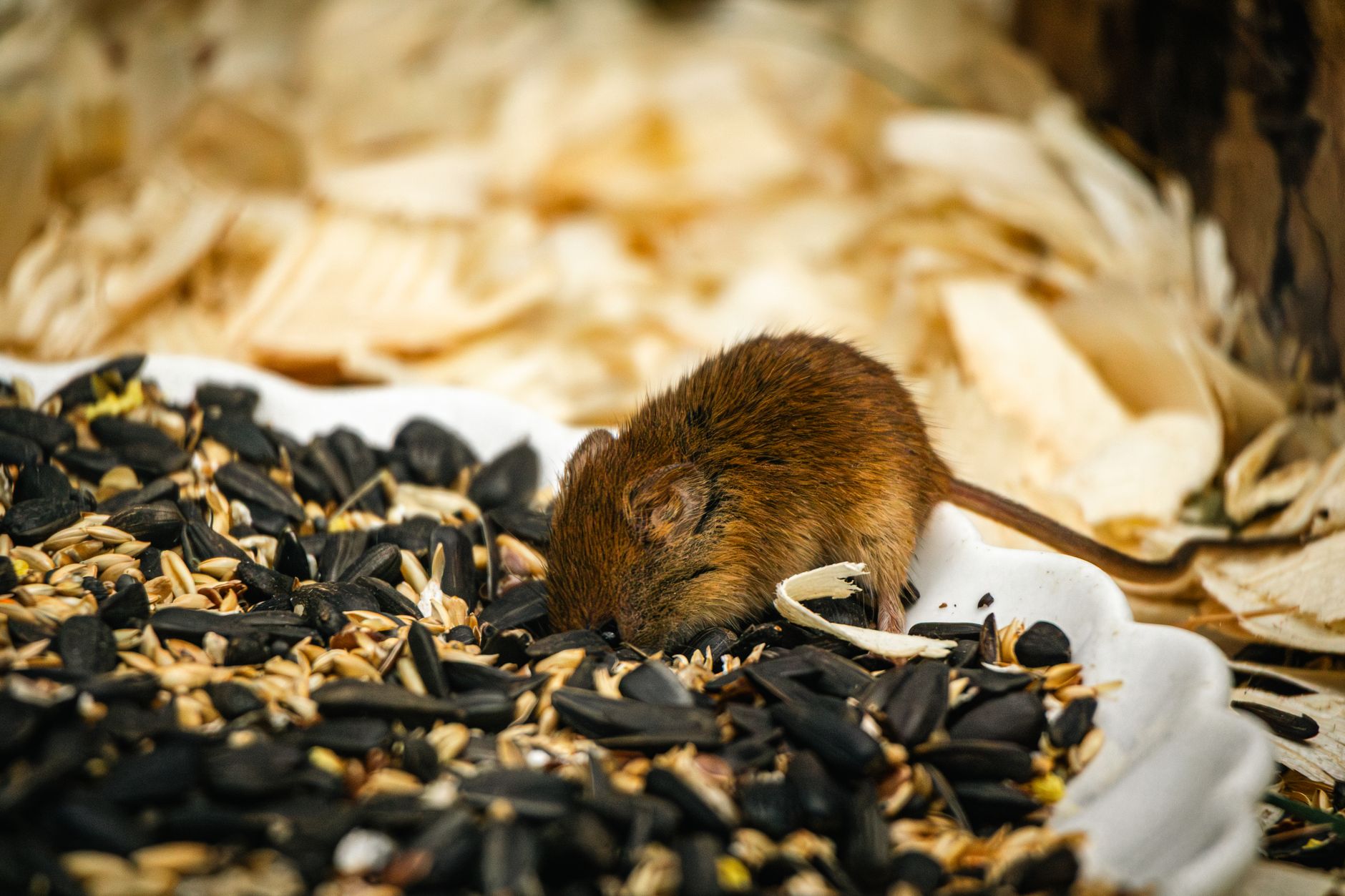
The Urgent Reality of Mouse Infestations
The presence of mice in your home is more than just a nuisance; it poses significant health risks and potential property damage. These rodents are notorious for carrying diseases like hantavirus, salmonellosis, and leptospirosis, which can be transmitted to humans through their urine, droppings, and saliva. Additionally, their constant gnawing can damage electrical wiring, leading to fire hazards, and they can contaminate food supplies. Therefore, addressing a mouse problem promptly is crucial. While a complete eradication within an hour is unlikely, understanding the initial steps can provide immediate relief and prevent the infestation from worsening. How do you get rid of mice in an hour? You start by understanding the urgency.

Is distilled water good for goldfish?
What colours are fish most attracted to?
Can you put your finger in a trout's mouth?
Is methylene blue anti bacterial?
Assessing the Situation: Is it Even Possible?

Before attempting rapid mouse removal, realistically assess the situation. A single sighting is different from signs of a full-blown infestation (droppings, gnaw marks, nests). Ask yourself these questions:
- How many mice have you seen?
- Where have you seen them?
- Are there signs of nesting materials?
- Are you only targeting the visible mice, or will you follow up with preventative measures?
If it appears to be a small incursion, the one-hour timeframe might be achievable for those immediately visible. A larger infestation will require a more comprehensive, longer-term strategy.
The Express Mouse Removal Protocol: Act Fast
Assuming you’re dealing with a limited incursion, here’s a rapid response protocol. This won’t guarantee complete elimination, but it’s the fastest way to target visible mice.
- Identify Mouse Activity: Quickly search for droppings (small, dark pellets), gnaw marks on food packaging or wood, and potential entry points. Focus on areas near food sources like kitchens and pantries. Look near water sources, too.
- Set Snap Traps: This is the most effective immediate action. Use multiple traps for a better chance of success. Bait them with peanut butter or chocolate. Place traps:
- Along walls (mice tend to run along walls).
- Behind appliances.
- In dark, secluded areas.
- Near identified activity.
- Monitor and React: Check the traps every 15-20 minutes. If you catch a mouse, dispose of it properly (wear gloves!). Re-bait and reset the trap.
- Seal Entry Points (Temporary): Quickly seal any obvious entry points (holes in walls, gaps under doors) with steel wool or temporary patches. This prevents more mice from entering immediately.
- Clean Up Obvious Messes: Immediately clean any visible droppings using a disinfectant. This removes potential attractants.
Limitations and Realistic Expectations
How do you get rid of mice in an hour? Realistically, you can’t completely eliminate an entire infestation in such a short time. The one-hour approach focuses on:
- Reducing the immediate population.
- Preventing new mice from entering (temporarily).
- Initiating a control plan.
A full eradication requires:
- Thorough inspection to identify all entry points and nesting sites.
- Comprehensive sealing of entry points.
- Strategic placement of traps (snap traps, glue traps, bait stations).
- Regular monitoring and maintenance.
- Professional pest control assistance in severe cases.
Preventing Future Infestations: The Long Game
Once you’ve addressed the immediate situation, focus on prevention. This involves:
- Sealing Entry Points: Seal all cracks and holes in your foundation, walls, and around pipes. Use steel wool, caulk, or metal flashing.
- Proper Food Storage: Store food in airtight containers. Clean up spills and crumbs immediately.
- Eliminating Clutter: Reduce clutter in your home, especially in areas where mice might nest (attics, basements, garages).
- Regular Cleaning: Maintain a clean and sanitary environment, paying attention to areas prone to mouse activity.
Comparing Mouse Control Methods: Short-Term vs. Long-Term
| Method | Speed | Effectiveness | Considerations |
|---|---|---|---|
| Snap Traps | Fast | Moderate | Requires proper placement and baiting. Humane dispatch is important. |
| Glue Traps | Fast | Moderate | Considered inhumane by some. Can be ineffective in dusty environments. |
| Bait Stations | Slow | High | Takes time for mice to consume bait and die. Requires child- and pet-safe stations. |
| Ultrasonic Devices | Very Fast | Low | Limited evidence of effectiveness. |
| Professional Pest Control | Varies | High | Most effective for severe infestations. Can be more expensive. |
Common Mistakes to Avoid
Trying to eliminate mice in an hour, people often make mistakes that hinder their efforts.
- Not Using Enough Traps: More traps increase the chances of catching mice quickly.
- Improper Trap Placement: Placing traps in the wrong locations renders them useless.
- Using the Wrong Bait: Mice are attracted to specific scents and flavors.
- Touching Traps with Bare Hands: Human scent can deter mice.
- Neglecting Sanitation: Failing to clean up food sources attracts more mice.
- Ignoring Entry Points: Mice will continue to enter if access points aren’t sealed.
Frequently Asked Questions (FAQs)
What is the best bait to use for mouse traps?
Peanut butter is a classic and highly effective bait for mouse traps. Mice are attracted to its scent and high-fat content. Other options include chocolate, hazelnut spread, and bacon grease. Make sure to secure the bait firmly to the trap trigger.
Where are the best places to put mouse traps?
The most effective locations for mouse traps are along walls, behind appliances, in dark corners, and near known areas of mouse activity (droppings, gnaw marks). Mice tend to travel along walls, so placing traps in these areas maximizes the chances of catching them.
How do I dispose of a dead mouse?
Wear gloves to avoid direct contact with the mouse. Place the mouse in a sealed plastic bag and dispose of it in an outdoor trash can. Thoroughly disinfect the area where the mouse was found and any surfaces it may have contacted.
Are ultrasonic pest repellers effective for getting rid of mice?
The effectiveness of ultrasonic pest repellers is debated. While some studies suggest they may provide temporary relief, others show limited or no impact on mouse behavior. It’s generally recommended to use more proven methods like traps and bait stations.
How can I tell if I have a mouse infestation?
Signs of a mouse infestation include: droppings (small, dark pellets), gnaw marks on food packaging or wood, seeing live or dead mice, hearing scurrying noises at night, finding nests made of shredded paper or fabric, and detecting a musty odor.
Is it safe to use poison bait for mice if I have pets or children?
Using poison bait can be risky if you have pets or children. Always use bait stations that are tamper-resistant and designed to prevent access to the bait. Place the stations in areas inaccessible to pets and children. Consider using non-toxic alternatives if possible.
How do I clean up mouse droppings safely?
Wear gloves and a mask to protect yourself from potential diseases. Do not sweep or vacuum droppings, as this can aerosolize the virus. Spray the droppings with a disinfectant solution and let it soak for 5 minutes. Then, wipe up the droppings with a paper towel and dispose of them in a sealed plastic bag.
What are some natural ways to deter mice?
Some natural deterrents include peppermint oil, cayenne pepper, and bay leaves. Mice are repelled by these scents. Place cotton balls soaked in peppermint oil in areas where mice are likely to enter or nest. Sprinkle cayenne pepper around entry points. Place bay leaves in food storage areas.
How do I find mouse entry points in my home?
Carefully inspect your home’s foundation, walls, and around pipes for cracks and holes. Look for gaps under doors and around windows. Check areas where utilities enter your home (e.g., cable, phone lines). Mice can squeeze through surprisingly small openings.
When should I call a professional pest control company?
You should consider calling a professional pest control company if you have a severe infestation, if you’ve tried DIY methods without success, or if you’re uncomfortable handling mice or using pesticides. Professionals have the expertise and tools to effectively eliminate mouse infestations.
How much does it cost to get rid of mice?
The cost of mouse removal varies depending on the severity of the infestation, the size of your home, and the methods used. DIY methods can cost as little as $20-$50 for traps and bait. Professional pest control services can range from $100 to several hundred dollars or more.
Can mice cause damage to my home?
Yes, mice can cause significant damage to your home. They can gnaw through electrical wiring, insulation, and drywall, leading to fire hazards and structural damage. They can also contaminate food supplies and spread diseases. Prompt action is essential to prevent further damage. The answer to “How do you get rid of mice in an hour?” is to mitigate some damage, but long-term solutions are still needed.