

How to Encourage Hedgehogs to Move into a Hedgehog House
Want to provide a safe haven for these adorable creatures? You can get a hedgehog to use a hedgehog house by creating an inviting environment: strategically placing it, making it comfortable and safe, and offering supplemental food and water nearby.
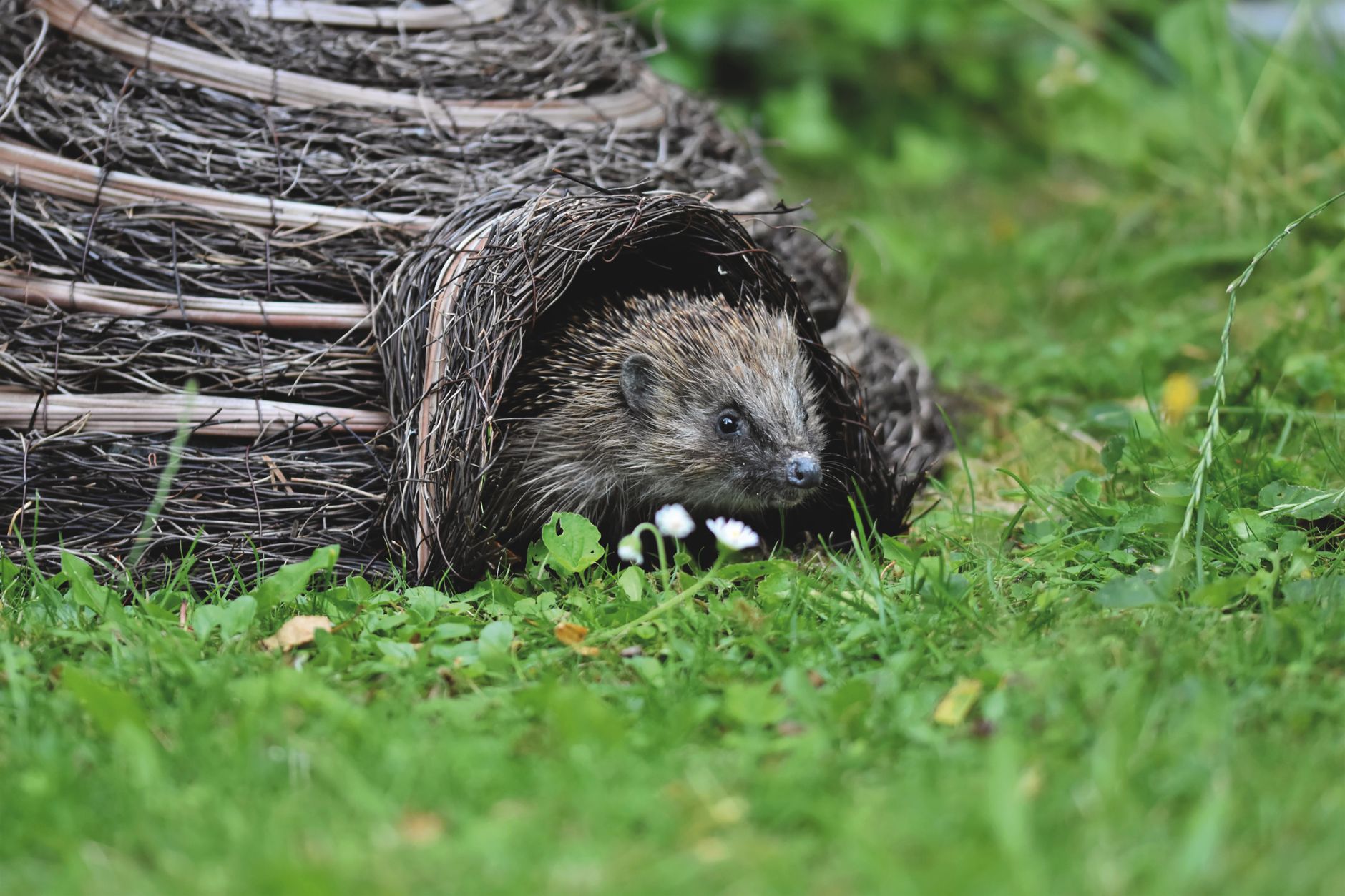
Why Provide a Hedgehog House?
Hedgehogs are facing increasing threats from habitat loss, road traffic, and predators. Providing a hedgehog house offers them a safe refuge from these dangers, as well as a secure place to nest, hibernate, and raise their young. Offering a suitable shelter can significantly improve their chances of survival, especially during harsh weather conditions. It also contributes to local biodiversity and helps support a healthy ecosystem.

What is the GREY African clawed frog?
Is distilled water good for goldfish?
What colours are fish most attracted to?
Can you put your finger in a trout's mouth?
Key Benefits of Hedgehog Houses

- Protection from Predators: Provides a secure space that larger animals cannot easily access.
- Safe Hibernation Site: Offers a stable, insulated environment for winter hibernation.
- Nesting Location: Provides a sheltered place for hedgehogs to build nests and raise hoglets.
- Shelter from the Elements: Protects hedgehogs from extreme weather conditions, such as rain, snow, and excessive heat.
- Reduced Stress: Creates a quiet and undisturbed space where hedgehogs can rest and recover.
Choosing the Right Hedgehog House
Selecting the right hedgehog house is crucial. Consider these factors:
- Material: Opt for natural, breathable materials like wood. Avoid plastic houses, which can trap moisture and create condensation, potentially leading to respiratory problems.
- Size: The house should be large enough for a hedgehog to comfortably move around and build a nest, but not so large that it becomes difficult to regulate temperature. A floor area of around 40cm x 40cm is a good starting point.
- Entrance: The entrance should be small enough to deter predators (around 13cm x 13cm is suitable) but large enough for hedgehogs to easily enter and exit. A tunnel leading to the entrance provides added protection.
- Construction: Ensure the house is sturdy and well-built, with a solid roof and floor. A double-skinned roof provides better insulation.
Here’s a table summarizing ideal characteristics:
| Feature | Recommendation |
|---|---|
| Material | Wood (untreated), breathable materials |
| Size | ~40cm x 40cm floor area |
| Entrance | ~13cm x 13cm, tunnel leading to entrance preferred |
| Construction | Sturdy, solid roof & floor, double-skinned roof |
Location, Location, Location: Placing Your Hedgehog House
Where you place your hedgehog house is just as important as the house itself.
- Quiet Area: Choose a quiet, undisturbed location away from busy areas, foot traffic, and potential disturbances like barking dogs.
- Sheltered Spot: Position the house in a sheltered spot, ideally under a bush, hedge, or tree. This provides added protection from the elements and camouflages the house.
- Drainage: Ensure the area is well-drained to prevent waterlogging. Elevating the house slightly on bricks or stones can help.
- Facing Direction: Face the entrance away from prevailing winds to prevent rain and drafts from entering. East or southeast-facing is often a good choice.
Making the House Inviting: Bedding and Extras
Once you have the perfect house in the perfect location, make it inviting!
- Bedding: Provide dry, natural bedding material, such as hay, straw, or dried leaves. Avoid using fluffy cotton wool or synthetic materials, which can be harmful if ingested or become entangled around limbs.
- Initial Placement: Place a small handful of bedding inside the house to entice hedgehogs to explore.
- Food and Water (Optional): Consider leaving out a small dish of hedgehog food and a shallow dish of water near the house, especially during dry spells or before hibernation. Do not give them milk.
- Camouflage: Partially camouflage the house with leaves, twigs, and foliage to make it blend in with its surroundings. This will also help to insulate it.
Avoiding Common Mistakes
- Disturbing the House: Avoid disturbing the house, especially during hibernation (November to March). If you need to check on it, do so quickly and quietly.
- Using Chemicals: Never use pesticides, herbicides, or other chemicals near the house. These can be harmful to hedgehogs.
- Providing Incorrect Food: Do not offer milk, bread, or other human food. These are not suitable for hedgehogs and can cause digestive problems.
- Over-Feeding: Leaving out too much food can attract unwanted pests, such as rats and mice.
Maintaining Your Hedgehog House
- Annual Clean: Clean the house annually, ideally in the spring after hibernation season has ended (around April).
- Removing Old Bedding: Remove all the old bedding and disinfect the house with a wildlife-safe disinfectant.
- Replacing Bedding: Replace the bedding with fresh, dry material.
- Checking for Damage: Inspect the house for any damage and repair as necessary.
Patience is Key
It may take time for a hedgehog to discover and start using your house. Be patient and persistent. Continue to maintain the house and provide a welcoming environment. Eventually, you may be rewarded with a resident hedgehog!
Monitoring and Observing (Respectfully)
While you want to get a hedgehog to use a hedgehog house, avoid disturbing it. Use motion-activated cameras to monitor activity near the house without causing disturbance. This will allow you to observe hedgehog behaviour and confirm that they are using the house without intruding on their privacy.
Frequently Asked Questions About Hedgehog Houses
Why isn’t my hedgehog using the house?
There are several reasons why a hedgehog might not be using your house. It could be the location is not ideal, the house is not comfortable, or there may be other more suitable natural shelters nearby. Patience is key, continue to maintain the house and ensure it’s an appealing habitat.
What is the best bedding to use?
The best bedding materials are natural and dry, such as hay, straw, or dried leaves. Avoid using fluffy cotton wool or synthetic materials, which can be harmful if ingested or become entangled around limbs. Clean and dry bedding is crucial.
Should I provide food and water?
While not essential, providing a small dish of hedgehog food and a shallow dish of water near the house can be helpful, especially during dry spells or before hibernation. Ensure the food is specifically formulated for hedgehogs. Do not provide milk.
When is the best time to clean the house?
The best time to clean the hedgehog house is in the spring, after hibernation season has ended (around April). This minimizes disturbance to hedgehogs and allows you to prepare the house for the nesting season.
How do I keep predators away?
A small entrance tunnel deters predators. Ensure the house is placed in a sheltered location, ideally under a bush or hedge. You can also weigh down the roof with a brick or stone to prevent animals from lifting it.
Can I move the house after I’ve placed it?
It is best to avoid moving the house once it has been placed, as this can disturb hedgehogs if they are already using it. If you must move it, do so during daylight hours when hedgehogs are less likely to be inside.
How do I know if a hedgehog is using the house?
Look for signs of activity, such as droppings inside or around the house, disturbed bedding, or flattened trails leading to the entrance. A motion-activated camera can be helpful for monitoring.
Is it safe to pick up a hedgehog?
It is generally best to avoid picking up hedgehogs unless they are clearly injured or in distress. If you must handle a hedgehog, wear thick gloves to protect yourself from their spines and take it to a wildlife rescue center. Handle with extreme care.
What should I do if I find a sick or injured hedgehog?
If you find a sick or injured hedgehog, contact a local wildlife rescue center or veterinarian immediately. Do not attempt to treat it yourself, as you could do more harm than good.
How can I make my garden more hedgehog-friendly?
Make your garden hedgehog-friendly by creating access points through fences, leaving areas of wild vegetation, avoiding pesticides and herbicides, and providing a shallow dish of water. Hedgehog highways are crucial.
How long do hedgehogs hibernate for?
Hedgehogs typically hibernate from November to March, but the exact duration can vary depending on the weather and location. Ensure they have a suitable hibernation habitat.
What are the main threats to hedgehogs?
The main threats to hedgehogs include habitat loss, road traffic, predators, pesticides, and garden hazards. Protecting their environment is paramount.