

How to Find Where a Bat is Getting In: Your Expert Guide
Discovering exactly how do you find where a bat is getting in? is crucial for safe and humane bat exclusion; the key involves a thorough exterior inspection, looking for small openings and staining around potential entry points, often using bat detecting tools.

Introduction: The Importance of Bat Exclusion
Bats are fascinating creatures that play an essential role in our ecosystem, primarily through insect control. However, when they take up residence in our homes, they can create a variety of problems, including noise, unpleasant odors from guano (bat droppings), and potential health risks associated with rabies or histoplasmosis. The key to safely resolving a bat infestation is to prevent their entry in the first place, which requires understanding how do you find where a bat is getting in?

What colours are fish most attracted to?
Can you put your finger in a trout's mouth?
Is methylene blue anti bacterial?
Does aquarium salt raise pH in aquarium?
Understanding Bat Behavior
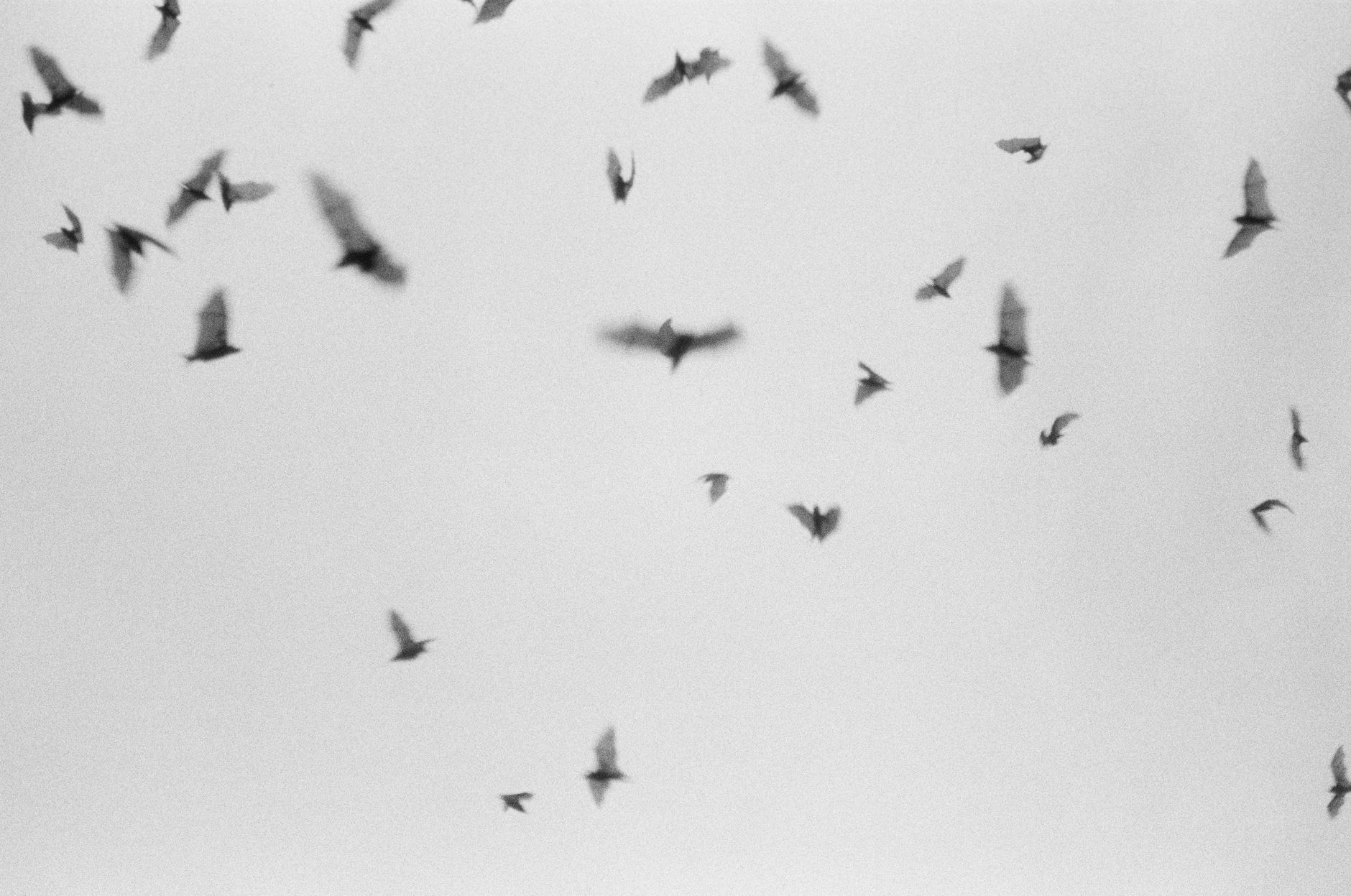
To effectively locate bat entry points, you need a basic understanding of bat behavior.
- Nocturnal Nature: Bats are primarily active at night, making daytime observations less helpful.
- Colonial Roosting: Bats often live in colonies, meaning you’re unlikely to have just one bat.
- Crepuscular Activity: Bats are most active during twilight hours, making dusk and dawn ideal times for observation.
- Echolocation: While primarily used for hunting insects, bats also use echolocation to navigate and find openings.
The Homeowner’s Inspection: A Step-by-Step Guide
Before calling in a professional, you can conduct your own preliminary inspection. How do you find where a bat is getting in? Begin with these steps:
- Exterior Inspection: Carefully examine the exterior of your home, paying close attention to potential entry points.
- Dusk/Dawn Watch: Observe your home at dusk and dawn, watching for bats emerging or entering.
- Interior Inspection: Check attics, basements, and wall cavities for signs of bat presence.
Key Areas to Inspect
- Roof Vents: These are common entry points for bats.
- Chimneys: Uncapped chimneys provide easy access.
- Gables: Gable vents are often overlooked.
- Fascia Boards: Gaps and cracks in fascia boards are prime entry points.
- Soffits: Soffits provide hidden access points.
- Windows and Doors: Check for gaps around frames.
- Utility Penetrations: Where pipes and wires enter the house.
Clues to Look For
When conducting your inspection, look for these tell-tale signs of bat activity:
- Bat Droppings (Guano): Guano resembles mouse droppings but crumbles easily. It’s often found near entry points.
- Staining: Oily staining around openings is caused by bats rubbing against surfaces.
- Scratching Sounds: Listen for scratching or fluttering sounds coming from walls or the attic, particularly around dusk and dawn.
- Ammonia-Like Odor: A strong ammonia-like odor can indicate a bat infestation.
Utilizing Bat Detection Tools
While visual inspections are important, sometimes the entry points are difficult to find, making it crucial to utilize specialized equipment.
- Bat Detectors: These devices convert ultrasonic bat calls into audible sounds, helping you pinpoint their location.
- Infrared Cameras: Thermal imaging can help identify areas where bats are congregating, indicating a potential entry point.
- Borescopes: Small cameras attached to flexible cables can be inserted into small openings to inspect hidden areas.
When to Call a Professional
While a homeowner’s inspection can be helpful, it’s often best to call in a wildlife removal specialist. Experts have the knowledge, experience, and equipment to safely and humanely remove bats and seal entry points. How do you find where a bat is getting in if you can’t see it? That is a key reason to call an expert.
- Large Infestations: If you suspect a large bat colony, it’s best to leave removal to professionals.
- Difficult Entry Points: If you can’t locate the entry points, a professional can use specialized equipment to find them.
- Safety Concerns: Bats can carry diseases, so it’s important to handle them with care.
Legal Considerations: Protecting Bats
In many areas, bats are protected species. It’s important to be aware of local laws and regulations before attempting to remove bats from your property. Some methods of exclusion may be illegal, particularly during bat breeding seasons. Always prioritize humane and legal exclusion methods.
Table: Comparing DIY vs. Professional Bat Removal
| Feature | DIY Bat Removal | Professional Bat Removal |
|---|---|---|
| Cost | Lower initial cost | Higher initial cost |
| Effectiveness | Potentially less effective, prone to re-infestation | More effective, guaranteed results |
| Safety | Higher risk of bat bites and disease exposure | Lower risk, professionals are trained and equipped |
| Legality | Requires knowledge of local bat protection laws | Professionals are familiar with and adhere to all regulations |
| Humane Treatment | Risk of inhumane treatment due to lack of expertise | Humane exclusion methods used |
| Time Commitment | Significant time commitment for inspection and removal | Minimal time commitment for homeowner |
Frequently Asked Questions (FAQs)
How do you know if you have bats in your house?
If you’re asking “ How do you find where a bat is getting in? ,” the first step is realizing you might have them! You can suspect bats if you hear scratching noises in the attic or walls, see bat droppings (guano) near your home’s foundation or around potential entry points, or notice a strong ammonia-like odor. Seeing bats flying around your home at dusk is also a clear indication.
What is the best time to inspect for bat entry points?
The best time for an inspection is at dusk or dawn, when bats are most active. You can observe your home during these times to see where bats are entering or exiting. Daytime inspections are still beneficial for finding potential entry points based on droppings and staining.
What is bat guano and why is it a problem?
Bat guano is bat excrement. It is a problem because it can accumulate and create unsanitary conditions, produce unpleasant odors, and potentially harbor the fungus that causes histoplasmosis, a respiratory disease.
What should I do if I find a bat inside my house?
If you find a bat inside your house, remain calm and confine the bat to a single room by closing the door. Open a window or door to the outside and turn off the lights. The bat will likely fly out on its own. If the bat is behaving erratically, or if you’ve been bitten or scratched, contact animal control or a wildlife professional immediately.
How small of a hole can a bat get through?
Bats can squeeze through surprisingly small openings. Some species can enter through cracks as small as 3/8 of an inch, about the size of a dime. This makes it crucial to seal even the smallest potential entry points.
What is bat exclusion and how does it work?
Bat exclusion is the process of safely removing bats from a building and preventing them from re-entering. It typically involves sealing all potential entry points except for one or two, and then installing one-way exclusion devices (e.g., netting or tubes) that allow bats to exit but not re-enter.
Is it safe to handle bats myself?
No, it is generally not safe to handle bats yourself. Bats can carry diseases like rabies, and you could be bitten or scratched, potentially exposing you to infection. It is always best to contact a qualified professional to handle bat removal.
How much does professional bat removal cost?
The cost of professional bat removal can vary depending on the size of the infestation, the complexity of the entry points, and the location of your home. It can range from a few hundred dollars to several thousand dollars. It is best to get multiple quotes from reputable companies.
What is the best way to prevent bats from entering my home?
The best way to prevent bats is by regularly inspecting your home’s exterior and sealing any cracks or openings that could serve as entry points. Pay particular attention to areas around the roof, eaves, vents, and utility penetrations. Maintaining good landscaping to prevent bats from finding refuge close to the house can also help.
Can I use mothballs to repel bats?
Mothballs are sometimes suggested as a bat repellent, but their effectiveness is questionable, and their use is often discouraged. Mothballs are also a potential health hazard to humans and pets. Humane exclusion techniques are far more effective and safer.
Are bats protected in my area?
Bat protection laws vary by location. Many species of bats are protected because of their role in insect control and their declining populations. It is crucial to check with your local wildlife agency before attempting any bat removal to ensure you are complying with all applicable laws.
What if I only have one bat in my house?
Even if you only see one bat, it is still essential to inspect your home thoroughly for potential entry points. It is possible that there are more bats present that you haven’t seen. Seal all potential entry points to prevent further intrusions, and contact a professional if you are unsure about how do you find where a bat is getting in.