
How to Disinfect a Room After a Bat Encounter: A Comprehensive Guide
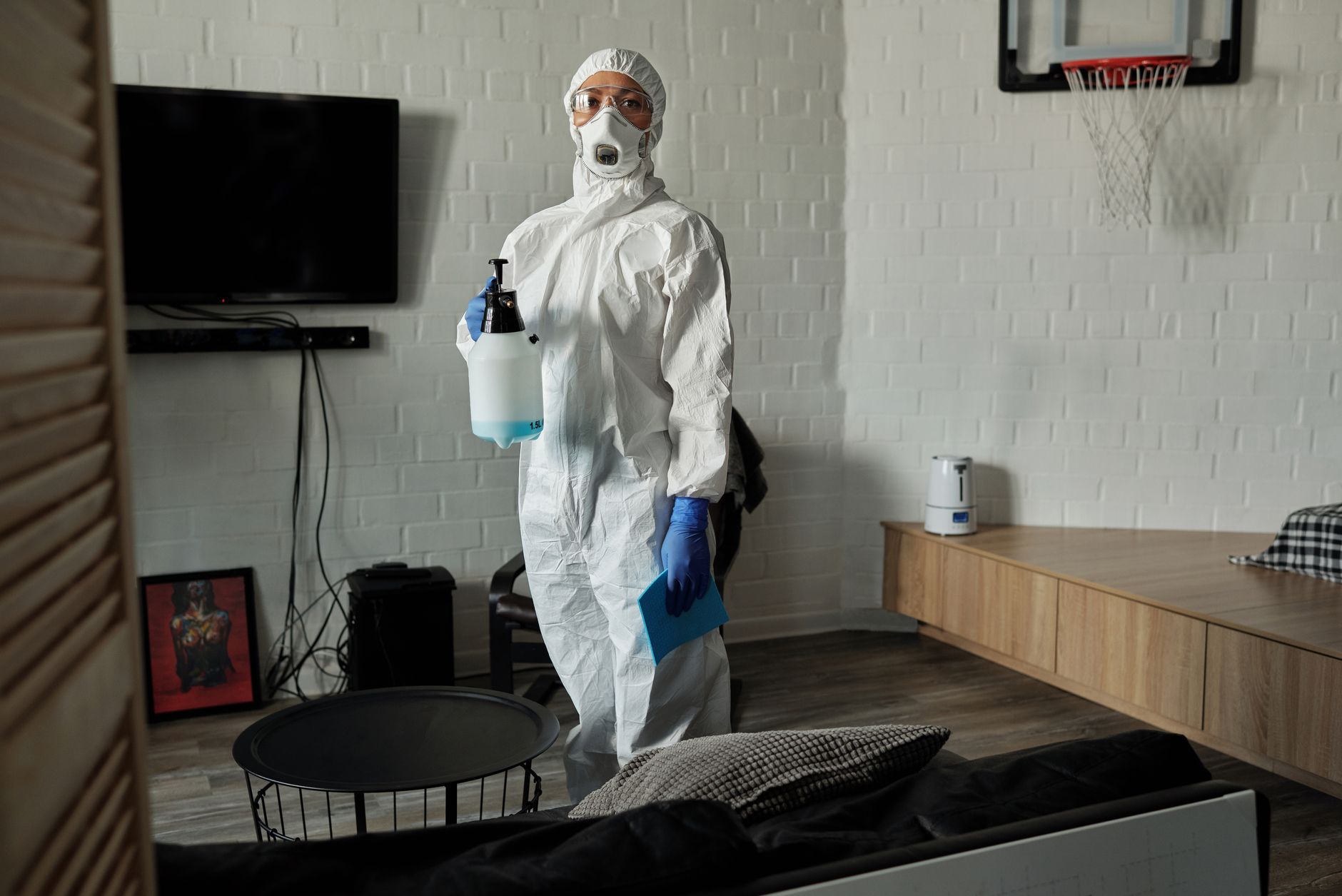
Safely and effectively disinfecting a room after a bat requires careful cleaning and disinfection to eliminate potential pathogens and protect your health; How do you disinfect a room after a bat? By following the proper procedures, you can effectively sanitize the affected space.
Understanding the Risks of Bat Presence
Bats, while ecologically beneficial, can carry diseases such as rabies and histoplasmosis. Although direct contact with a bat is the primary concern for rabies transmission, their droppings (guano) can harbor the histoplasmosis fungus. Therefore, cleaning and disinfecting a room after a bat encounter is crucial for preventing potential health hazards.
What colours are fish most attracted to?
Can you put your finger in a trout's mouth?
Is methylene blue anti bacterial?
Does aquarium salt raise pH in aquarium?
Identifying Potential Contamination
Before beginning the disinfection process, carefully assess the room for signs of bat activity. This includes:
- Visible Droppings (Guano): Small, dark pellets resembling rodent droppings. Look for them on floors, window sills, and along walls.
- Urine Stains: May appear as dark or discolored patches on surfaces.
- Grease Marks: Bats often leave oily residue along walls or ceilings where they rub.
- Unusual Odors: A musty or ammonia-like smell can indicate bat presence.
Essential Safety Precautions
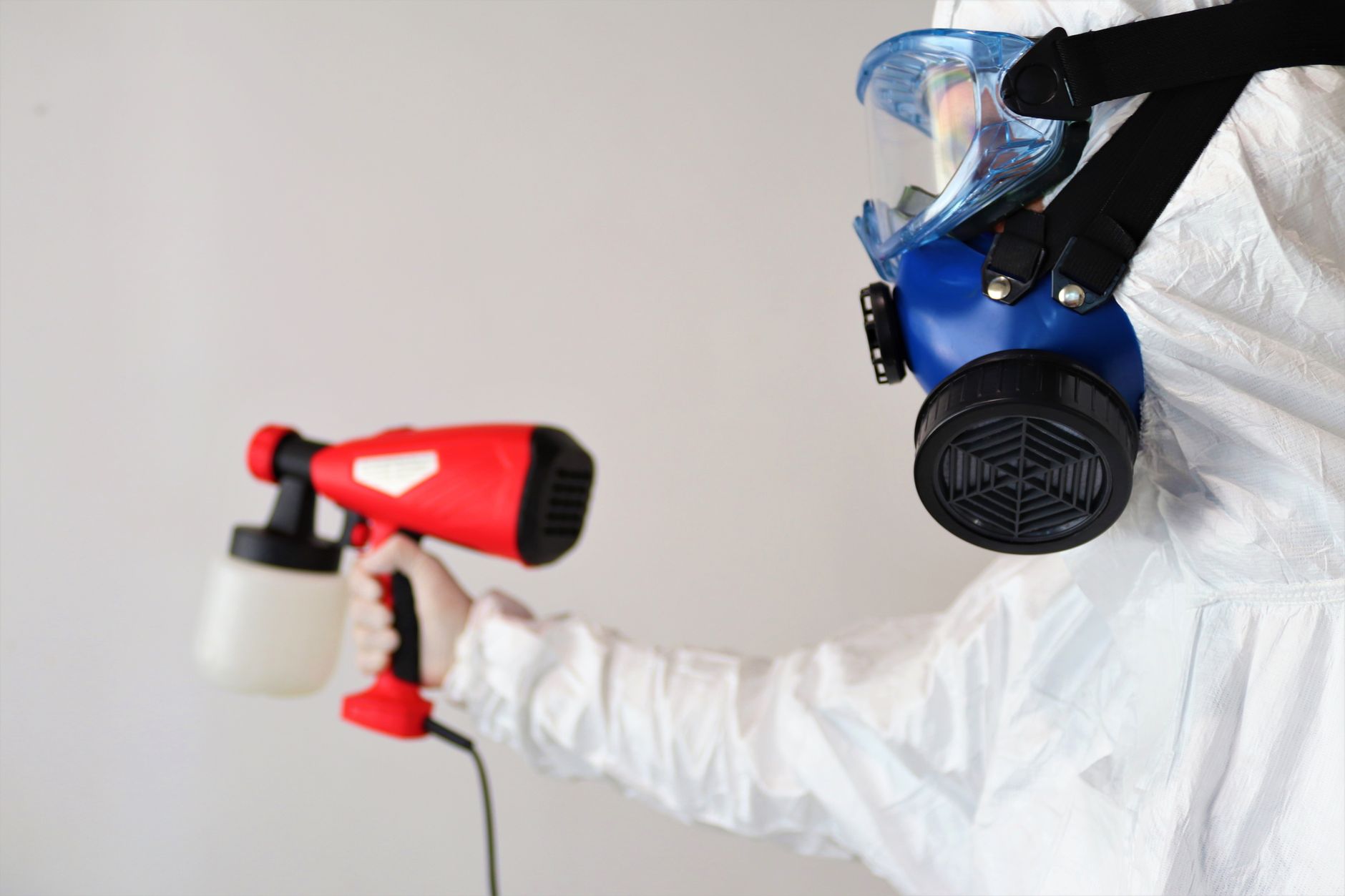
Safety is paramount when dealing with bat-contaminated areas. Always wear appropriate personal protective equipment (PPE) to minimize exposure. This includes:
- Respirator: An N95 or higher respirator is essential to prevent inhalation of fungal spores.
- Gloves: Wear disposable gloves to avoid direct contact with droppings or urine.
- Eye Protection: Goggles or a face shield will protect your eyes from splashes.
- Protective Clothing: Wear long sleeves and pants, and consider disposable coveralls.
The Disinfection Process: Step-by-Step Guide
This outlines the recommended steps to disinfect a room.
- Ventilation: Open windows and doors to ventilate the room thoroughly. Allow fresh air to circulate for at least 30 minutes before beginning the cleanup process.
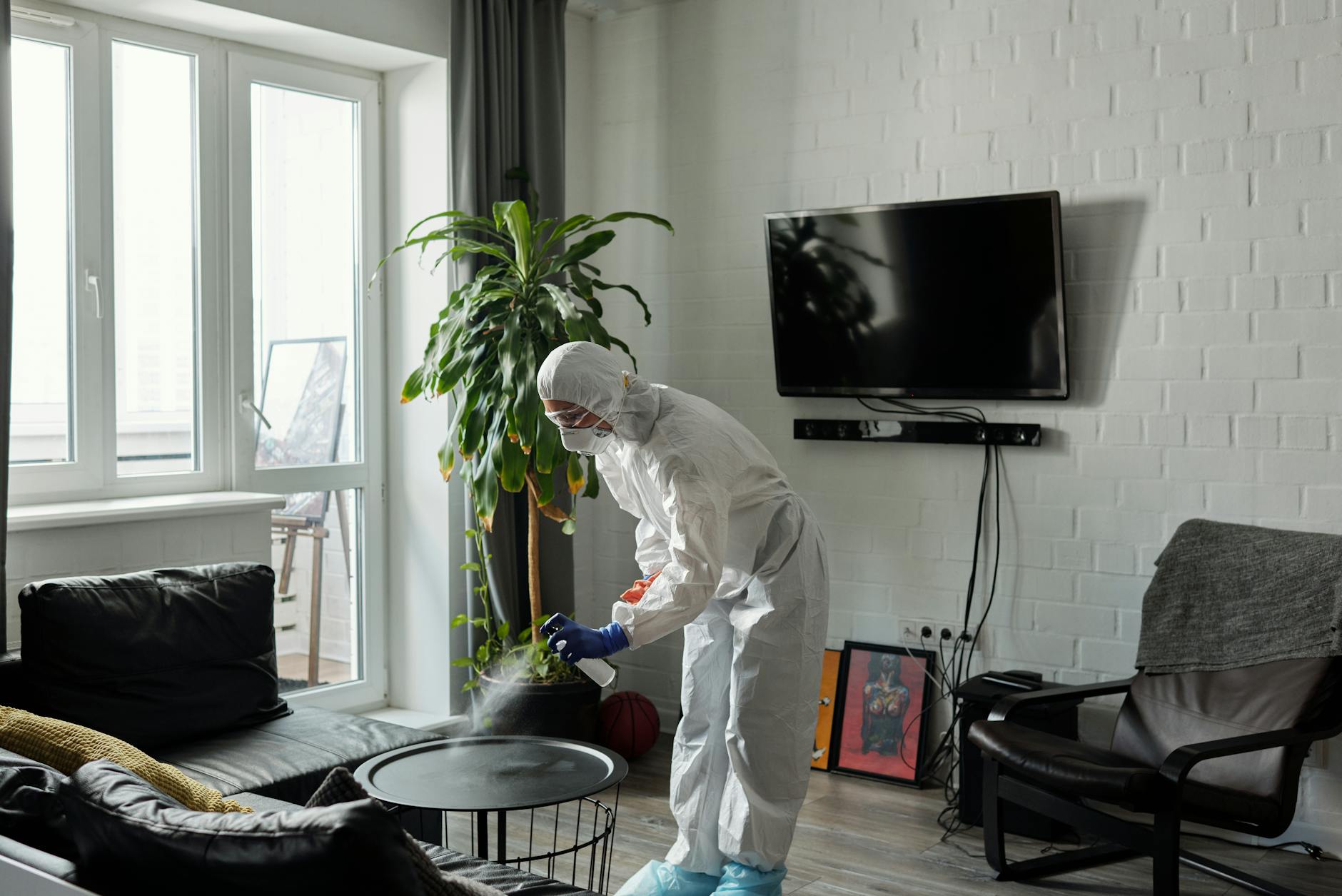
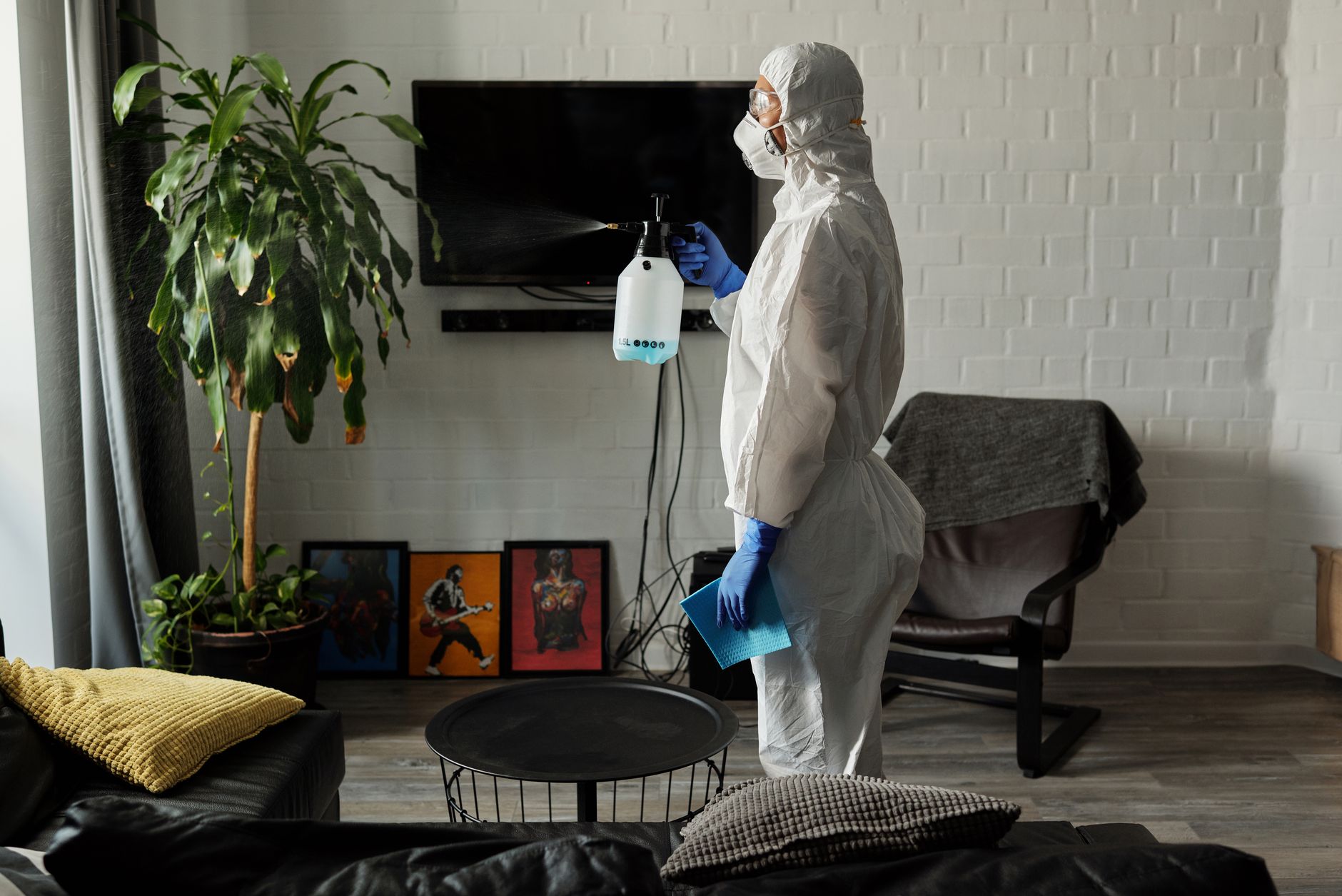
- Misting: Lightly mist the affected areas with a disinfectant solution. A solution of 1 part bleach to 10 parts water is commonly recommended, or a commercially available disinfectant registered with the EPA for use against histoplasmosis. Avoid over-wetting the area, as this can aerosolize the spores.
- Dropping Removal: Carefully collect the droppings using a disposable dustpan and brush or a vacuum cleaner equipped with a HEPA filter. Place the droppings and any contaminated materials (e.g., disposable cleaning cloths) in a sealed plastic bag.
- Cleaning Surfaces: Wash all hard surfaces (floors, walls, countertops) with hot, soapy water followed by a disinfectant solution.
- Soft Surfaces: Clean carpets, rugs, and upholstery with a steam cleaner or a HEPA filter vacuum. Consider discarding items that cannot be thoroughly cleaned.
- Air Purification: Run an air purifier with a HEPA filter to remove airborne particles. This is especially important if you suspect a heavy contamination.
- Disposal: Properly dispose of the sealed bags containing the droppings and contaminated materials according to local regulations.
- Handwashing: Thoroughly wash your hands with soap and water after removing your PPE.
Disinfectant Options
| Disinfectant | Application | Considerations |
|---|---|---|
| :————————- | :————————————————————– | :————————————————————————————————————- |
| Bleach Solution (1:10) | Hard, non-porous surfaces | Can damage some surfaces; ensure proper ventilation; potentially toxic. |
| EPA-Registered Disinfectant | Various surfaces (check product label) | Follow manufacturer’s instructions; choose a product effective against fungi and bacteria. |
| Hydrogen Peroxide | Hard and soft surfaces | Generally safer than bleach; may require longer contact time. |
Common Mistakes to Avoid
- Dry Sweeping or Vacuuming: This can aerosolize fungal spores and increase the risk of infection. Always mist the area before cleaning.
- Ignoring Soft Surfaces: Soft surfaces can harbor contaminants and require thorough cleaning or disposal.
- Insufficient Ventilation: Adequate ventilation is crucial to remove airborne particles.
- Reusing Cleaning Materials: Dispose of disposable cleaning materials to prevent cross-contamination.
- Neglecting Personal Protection: Always wear appropriate PPE to protect yourself from exposure.
Frequently Asked Questions
What are the primary health risks associated with bat exposure?
The main health risks include rabies (from bites or scratches) and histoplasmosis (from inhaling fungal spores in bat droppings). Although rabies transmission requires direct contact, histoplasmosis can be contracted through environmental exposure to contaminated droppings.
Is it safe to clean up bat droppings myself, or should I hire a professional?
If the contamination is minor and you are comfortable following the safety precautions outlined above, you can typically clean it yourself. However, for large infestations or if you have any concerns about your health, it’s best to hire a professional wildlife removal and cleaning service.
How do I know if I have histoplasmosis?
Symptoms of histoplasmosis can vary from mild flu-like symptoms to more severe respiratory illness. Common symptoms include fever, cough, fatigue, and chest pain. If you experience these symptoms after potential exposure, consult a doctor.
What type of vacuum cleaner should I use for cleaning up bat droppings?
A HEPA filter vacuum is essential for trapping fine particles and preventing them from being released back into the air. Regular vacuums can spread fungal spores and other contaminants.
How long does histoplasmosis survive in bat droppings?
Histoplasmosis spores can remain viable in bat droppings for extended periods, potentially years, especially in damp and sheltered environments. This highlights the importance of thorough disinfection.
How do you disinfect a room after a bat leaves?
Proper disinfection after a bat leaves requires wearing PPE, misting with disinfectant, carefully removing droppings, cleaning all surfaces, and improving ventilation. See above for specific steps.
Can I just air out the room instead of cleaning it?
Airing out the room is important for ventilation, but it won’t eliminate the risk of histoplasmosis or other pathogens. Thorough cleaning and disinfection are necessary to remove contaminants.
What do I do if a bat bit or scratched me?
If you’ve been bitten or scratched by a bat, seek immediate medical attention. Wash the wound thoroughly with soap and water and contact your doctor or local health department to determine if rabies treatment is necessary.
How often should I clean areas where bats might be present?
Regular cleaning is recommended to prevent the accumulation of droppings and reduce the risk of contamination. If you have a known bat roosting area, monitor it closely and clean it periodically.
Is it possible to completely eliminate the risk of disease after bat exposure?
While following proper cleaning and disinfection procedures can significantly reduce the risk, it’s impossible to completely eliminate the risk. Monitoring your health and seeking medical attention if you experience symptoms is crucial.
What’s the best way to prevent bats from entering my home in the first place?
Preventing bats from entering your home involves sealing any potential entry points, such as cracks in the foundation, gaps around windows and doors, and openings in the roof. Consider hiring a professional to bat-proof your home.
Where can I find EPA-registered disinfectants effective against histoplasmosis?
EPA-registered disinfectants can be found at most hardware stores, cleaning supply stores, and online retailers. Always check the product label to ensure it’s effective against fungi and suitable for the surfaces you need to disinfect.