

Building Bridges: How to Earn a Chameleon’s Trust
Building trust with a chameleon requires patience, understanding their unique needs, and consistent, gentle interaction; it’s about creating a safe and predictable environment where they feel secure and are more likely to accept your presence.

Understanding the Chameleon’s Perspective
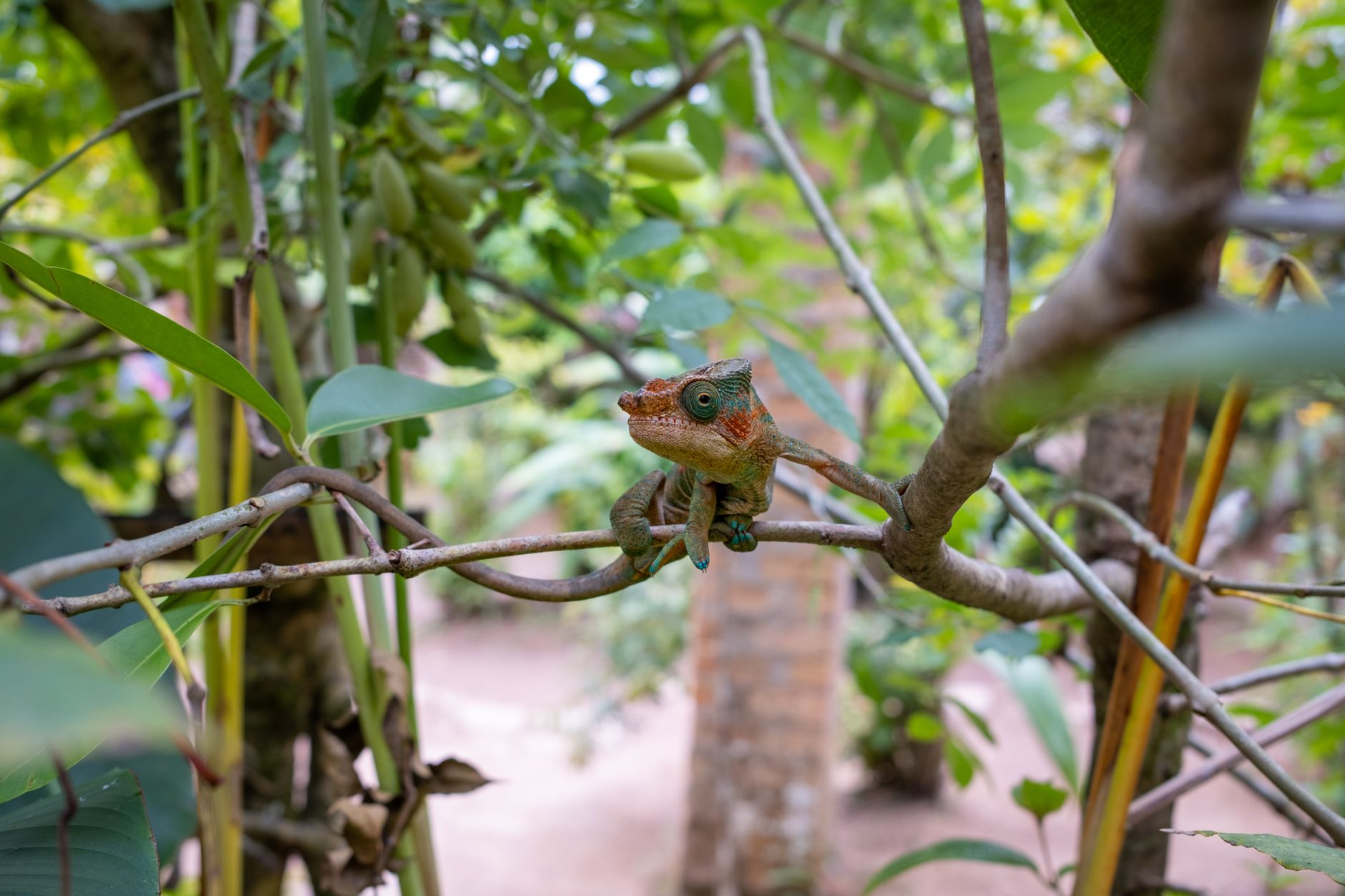
Chameleons, often misunderstood, are not cuddly pets like dogs or cats. They are solitary creatures with a strong prey drive and inherent fear of predators. How do you build trust with a chameleon? By recognizing these innate instincts and working with them, not against them. A chameleon’s trust isn’t gained through forceful interaction, but through demonstrating you are not a threat.
What colours are fish most attracted to?
Can you put your finger in a trout's mouth?
Is methylene blue anti bacterial?
Does aquarium salt raise pH in aquarium?
The Foundation: A Secure and Comfortable Environment

Before you even think about direct interaction, ensure your chameleon’s enclosure is a sanctuary. A stressful environment will hinder any attempts at building trust.
- Temperature and Humidity: Maintain the correct temperature gradient and humidity levels specific to your chameleon’s species. Use reliable thermometers and hygrometers.
- Adequate Size: Ensure the enclosure is spacious enough for the chameleon to move freely and exhibit natural behaviors.
- Hiding Places: Provide plenty of dense foliage for the chameleon to retreat and feel safe. Live plants are ideal.
- Proper Lighting: UVB and UVA lighting are essential for health and well-being. Replace bulbs regularly.
- Water Availability: Chameleons primarily drink by licking water droplets. Use a dripper system, misting system, or gently spray the foliage several times a day.
Gradual and Respectful Interaction: The Key to Trust
How do you build trust with a chameleon? Slowly and deliberately. Avoid sudden movements, loud noises, and direct handling. The goal is to become a predictable and non-threatening part of their environment.
- Start from a Distance: Spend time near the enclosure, allowing the chameleon to observe you without feeling threatened. Talk softly.
- Hand Feeding (Optional): Offering food from your hand, using tongs if necessary, can help associate you with positive experiences. This is not essential, but can be helpful.
- Gentle Offering of Perches: Gradually introduce your hand, holding a branch or stick, near the chameleon. Allow them to climb onto it voluntarily. Never force it.
- Avoid Direct Handling Initially: Handling should be minimal, especially in the beginning. Focus on creating positive associations with your presence before attempting to pick them up.
- Observe Body Language: Learn to recognize signs of stress, such as dark coloration, hissing, or jerky movements. If they are stressed, back off and try again later.
Common Mistakes That Destroy Trust
Several common errors can set back your progress in building trust with a chameleon.
- Forcing Interaction: Never force a chameleon to interact with you. This will only increase their fear and anxiety.
- Sudden Movements: Avoid quick or jerky movements around the enclosure.
- Loud Noises: Keep the environment calm and quiet.
- Direct Eye Contact: Prolonged direct eye contact can be perceived as a threat.
- Inconsistent Care: Maintain a consistent routine for feeding, watering, and cleaning the enclosure. Inconsistency can be stressful.
- Over Handling: Even after trust is established, minimize handling. Chameleons are best observed and admired, not constantly held.
A Comparison of Interaction Methods
| Method | Description | Potential Benefits | Potential Drawbacks |
|---|---|---|---|
| Hand Feeding | Offering food directly from your hand or tongs. | Associates you with positive experiences, encourages interaction | Can be stressful if the chameleon isn’t ready, may create dependency |
| Perch Offering | Providing a branch or stick for the chameleon to climb onto. | Allows for interaction without direct handling, encourages movement. | Requires patience, chameleon may initially be hesitant |
| Gentle Misting | Gently spraying the chameleon with water (if they tolerate it). | Can help with hydration, allows for close proximity. | Can be stressful if the chameleon dislikes being misted. |
| Visual Presence | Simply spending time near the enclosure, allowing the chameleon to observe you. | Creates familiarity, reduces fear over time. | Requires patience, may take time to see noticeable progress. |
The Long Game: Patience and Consistency
How do you build trust with a chameleon? It’s a marathon, not a sprint. Be prepared to invest time and effort. Consistency is paramount. Stick to a routine and avoid any actions that might startle or scare your chameleon. Over time, they will learn that you are not a threat and may even begin to associate you with positive experiences.
Observing Positive Changes
Pay close attention to your chameleon’s behavior. As trust builds, you may notice:
- Less fear response when you approach the enclosure.
- More relaxed posture.
- Increased activity in your presence.
- Willingness to take food from your hand (if offered).
- Calmer demeanor during necessary handling (e.g., for health checks).
Conclusion: The Rewarding Path to Understanding
While how do you build trust with a chameleon? might seem like a complex question, the answer is rooted in understanding their natural instincts and providing a secure, predictable, and respectful environment. It’s a journey of patience and observation, ultimately leading to a deeper appreciation for these fascinating creatures. The reward is a glimpse into their unique world and the satisfaction of knowing you’ve earned their trust.
Frequently Asked Questions (FAQs)
What species of chameleon are generally easier to build trust with?
Some species, like the Veiled Chameleon (Chamaeleo calyptratus), tend to be more tolerant of human interaction than others. However, individual personalities vary greatly, so even within a species, some individuals may be more or less receptive to handling. Research your chosen species thoroughly before bringing one home.
How long does it typically take to build trust with a chameleon?
There’s no set timeline. It can take anywhere from a few weeks to several months, or even longer, depending on the individual chameleon’s personality, past experiences (if any), and your consistency in providing a safe and predictable environment. Patience is absolutely key.
Is hand feeding always necessary for building trust?
No, hand feeding is not always necessary. While it can be a helpful tool for associating you with positive experiences, some chameleons are naturally wary of hand feeding. A more subtle approach, like simply being present near the enclosure regularly, can be equally effective.
What are the signs that a chameleon is stressed?
Signs of stress in chameleons include dark coloration, hissing, puffing up, jerky movements, hiding excessively, and refusing to eat. If you observe these signs, immediately reduce your interaction and reassess the environment to identify and address any potential stressors.
Can I ever completely eliminate a chameleon’s fear response?
Probably not. Chameleons are naturally cautious creatures. While you can significantly reduce their fear response through consistent and respectful interaction, it’s unlikely you’ll ever completely eliminate it. Remember, they are not domesticated animals.
What if my chameleon never seems to trust me?
Some chameleons are simply more shy and less tolerant of human interaction than others. If you’ve consistently provided a safe and comfortable environment and have been patient and respectful in your interactions, it’s possible your chameleon will never become fully trusting. In such cases, focus on providing the best possible care and avoiding unnecessary stress.
How important is the size of the enclosure when building trust?
A larger enclosure is extremely important. A spacious enclosure allows the chameleon to escape interaction if they feel threatened and provides them with ample space to exhibit natural behaviors. A cramped enclosure will only increase stress and hinder any attempts at building trust.
What role does diet play in building trust?
A proper and consistent diet contributes to the overall health and well-being of your chameleon. A healthy chameleon is more likely to be less stressed and more receptive to interaction. Ensure you are providing a varied and nutritious diet appropriate for your chameleon’s species and age.
Is it better to get a young chameleon or an adult one?
There are pros and cons to both. Young chameleons may be more adaptable and potentially easier to acclimate to your presence. However, they are also more delicate and require specialized care. Adult chameleons may have established personalities and past experiences that influence their behavior.
What should I do if I need to handle my chameleon for medical reasons, even if they don’t trust me?
In cases where handling is necessary for medical reasons, prioritize your chameleon’s health and safety. Handle them as gently and efficiently as possible, minimizing stress. Consult with a veterinarian experienced in reptile care for guidance on handling techniques.
How do I create a “safe zone” within the enclosure?
Designate a specific area within the enclosure with dense foliage that the chameleon can retreat to when feeling stressed. This area should be left undisturbed to allow the chameleon to feel secure and in control.
Are there any scents that chameleons find calming or aversive?
While research is limited, it’s generally best to avoid strong or artificial scents near the enclosure. Chameleons rely heavily on their sense of smell, and strong odors can be overwhelming or stressful. Keep the environment clean and free of perfumes, air fresheners, and other potentially irritating scents.