

How White Sharks Hunt for Prey: Apex Predator Tactics Revealed
White sharks employ a sophisticated suite of hunting strategies, primarily relying on ambush tactics, keen senses, and powerful bites to secure their prey. They strategically use their environment and acute sensory systems to locate, track, and ultimately capture a wide range of marine animals.

The Apex Predator’s Toolkit
Understanding how white sharks hunt for prey requires appreciating the unique adaptations that have made them apex predators. Their success stems from a combination of physical attributes, sensory prowess, and learned behaviors.
-
Physical Prowess: Muscular bodies, powerful tails, and hydrodynamic shapes allow for rapid bursts of speed and agile maneuvering. Their serrated teeth are designed for tearing flesh, inflicting significant damage on prey.
-
Sensory Acuity: White sharks possess exceptional senses, including:
- Electroreception: Ampullae of Lorenzini, sensory pores around their snout, detect the faint electrical fields produced by living organisms, even when hidden.
- Olfaction: An incredibly sensitive sense of smell allows them to detect blood from great distances.
- Vision: Although once believed to have poor eyesight, white sharks possess surprisingly good vision, especially underwater.
- Lateral Line: This sensory system detects vibrations and pressure changes in the water, providing information about the movement of potential prey.
-
Hunting Strategies: A combination of learned and instinctual behaviors refine their hunting techniques.

What colours are fish most attracted to?
Can you put your finger in a trout's mouth?
Is methylene blue anti bacterial?
Does aquarium salt raise pH in aquarium?
Strategies of Ambush and Pursuit
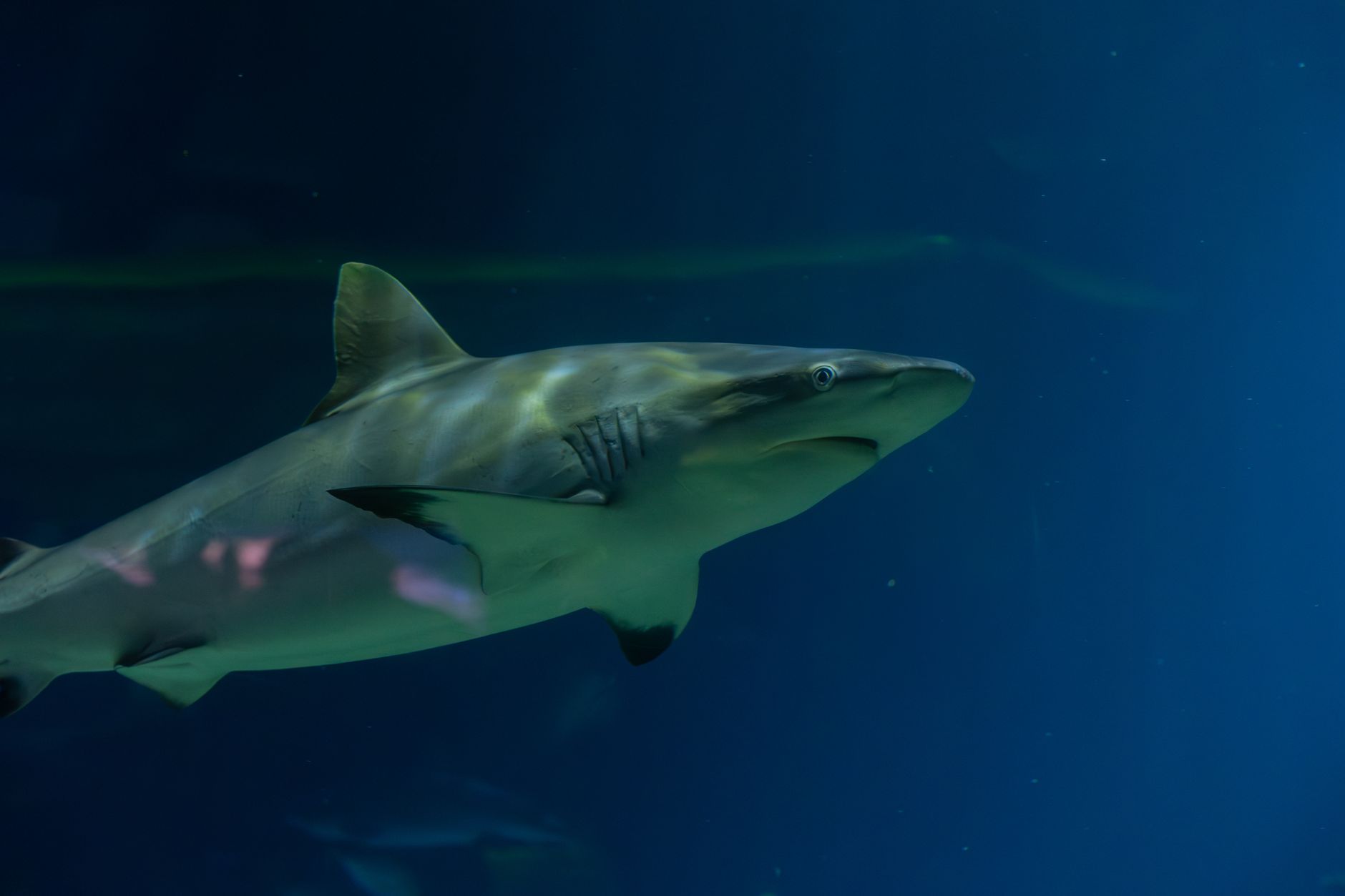
How do white sharks hunt for prey? They primarily utilize ambush tactics, especially when targeting seals and sea lions. This involves:
- Deep Water Approach: Sharks often patrol deeper waters below the surface, minimizing their silhouette against the sunlight.
- Rapid Ascent: They launch themselves upward at tremendous speed, surprising their prey from below.
- Breaching Attack: The shark may breach the surface entirely, seizing the prey in a powerful bite.
For larger prey like whales or dolphins, or when hunting in shallower waters, they may employ a more direct pursuit.
The Importance of Sensory Input
The shark’s senses play a crucial role in determining which hunting strategy to use, and the success of the hunt itself.
| Sense | Role in Hunting |
|---|---|
| Electroreception | Detecting hidden prey, especially in murky waters or sandy bottoms. |
| Olfaction | Locating potential prey from long distances, especially when injured or bleeding. |
| Vision | Identifying prey species, assessing size and health, and targeting vulnerable individuals. |
| Lateral Line | Detecting movement and vibrations, providing information about the presence and location of prey, even in low visibility. |
The Influence of Location and Prey
How do white sharks hunt for prey? It often depends on the specific location and the types of prey available. For example, off the coast of South Africa, white sharks are known for their spectacular breaching attacks on seals near Seal Island. In other areas, they may focus on scavenging whale carcasses, which requires a different set of strategies. The hunt is tailored to the conditions.
Common Mistakes and Failed Hunts
Even with their impressive adaptations, white shark hunts are not always successful. Common reasons for failed hunts include:
- Misidentification: Attacking objects or animals that are not suitable prey.
- Prey Evasion: The intended prey escaping the initial attack.
- Environmental Factors: Poor visibility or strong currents hindering the hunt.
- Learning Curve: Younger sharks are less experienced and may make more mistakes.
The Future of White Shark Hunting
Changes in the marine environment, such as overfishing and climate change, are likely to impact how white sharks hunt for prey in the future. Understanding their hunting strategies is crucial for conservation efforts and for mitigating potential conflicts with humans.
Frequently Asked Questions (FAQs)
What is the primary diet of white sharks?
White sharks are opportunistic predators, and their diet varies depending on their location and size. As juveniles, they primarily feed on fish and rays. As they mature, their diet expands to include marine mammals such as seals, sea lions, dolphins, and whales. They also consume seabirds and sea turtles.
How do white sharks use their sense of smell to hunt?
White sharks have an incredibly sensitive sense of smell, capable of detecting even trace amounts of blood in the water from great distances. This allows them to locate injured or vulnerable prey and to follow blood trails to potential feeding sites.
What is the role of breaching in white shark hunting?
Breaching is a dramatic hunting technique often used by white sharks when hunting seals or sea lions. The shark launches itself vertically out of the water, attacking its prey from below. This surprise attack can be highly effective, but it requires significant energy and precise timing.
How does the size of a white shark affect its hunting strategy?
Smaller, juvenile white sharks typically hunt smaller prey, such as fish and rays, using ambush tactics in shallower waters. Larger, adult white sharks are capable of hunting larger marine mammals and may employ more sophisticated hunting strategies, including cooperative hunting in some cases.
Do white sharks hunt in groups?
While white sharks are generally solitary hunters, there have been observations of cooperative hunting behavior, particularly when scavenging whale carcasses. In these situations, multiple sharks may work together to tear off pieces of flesh.
How do white sharks protect themselves when hunting potentially dangerous prey?
White sharks have several adaptations that help protect them during hunts. Their thick skin and cartilage provide a degree of protection from bites and scratches. They also possess a nictitating membrane, a protective eyelid that can shield their eyes during an attack.
What role does the lateral line play in white shark hunting?
The lateral line is a sensory system that detects vibrations and pressure changes in the water. This allows white sharks to detect the presence and movement of prey, even in low visibility conditions or at night.
How does water clarity impact white shark hunting success?
Water clarity can significantly impact how white sharks hunt for prey. In clear water, they can rely more on vision, while in murky water, they may rely more on electroreception and their lateral line.
Are white sharks opportunistic scavengers?
Yes, white sharks are known to be opportunistic scavengers. They will readily feed on dead animals, such as whale carcasses, supplementing their diet and conserving energy.
How do white sharks determine if a potential prey item is worth attacking?
White sharks likely assess the size, health, and vulnerability of potential prey items before launching an attack. They may also use their senses to detect signs of injury or illness that would make the prey easier to capture.
What is the relationship between white shark hunting and human attacks?
Human attacks by white sharks are relatively rare. In most cases, the shark likely misidentifies the human as a potential prey item, such as a seal. These attacks are often exploratory bites, and the shark typically releases the human once it realizes its mistake.
How is climate change affecting white shark hunting habits?
Climate change is impacting marine ecosystems in various ways, which could affect how white sharks hunt for prey. Changes in water temperature and ocean currents could alter the distribution of prey species, forcing sharks to adapt their hunting strategies. Ocean acidification may also impact the sensory abilities of sharks, making it more difficult for them to locate prey.