
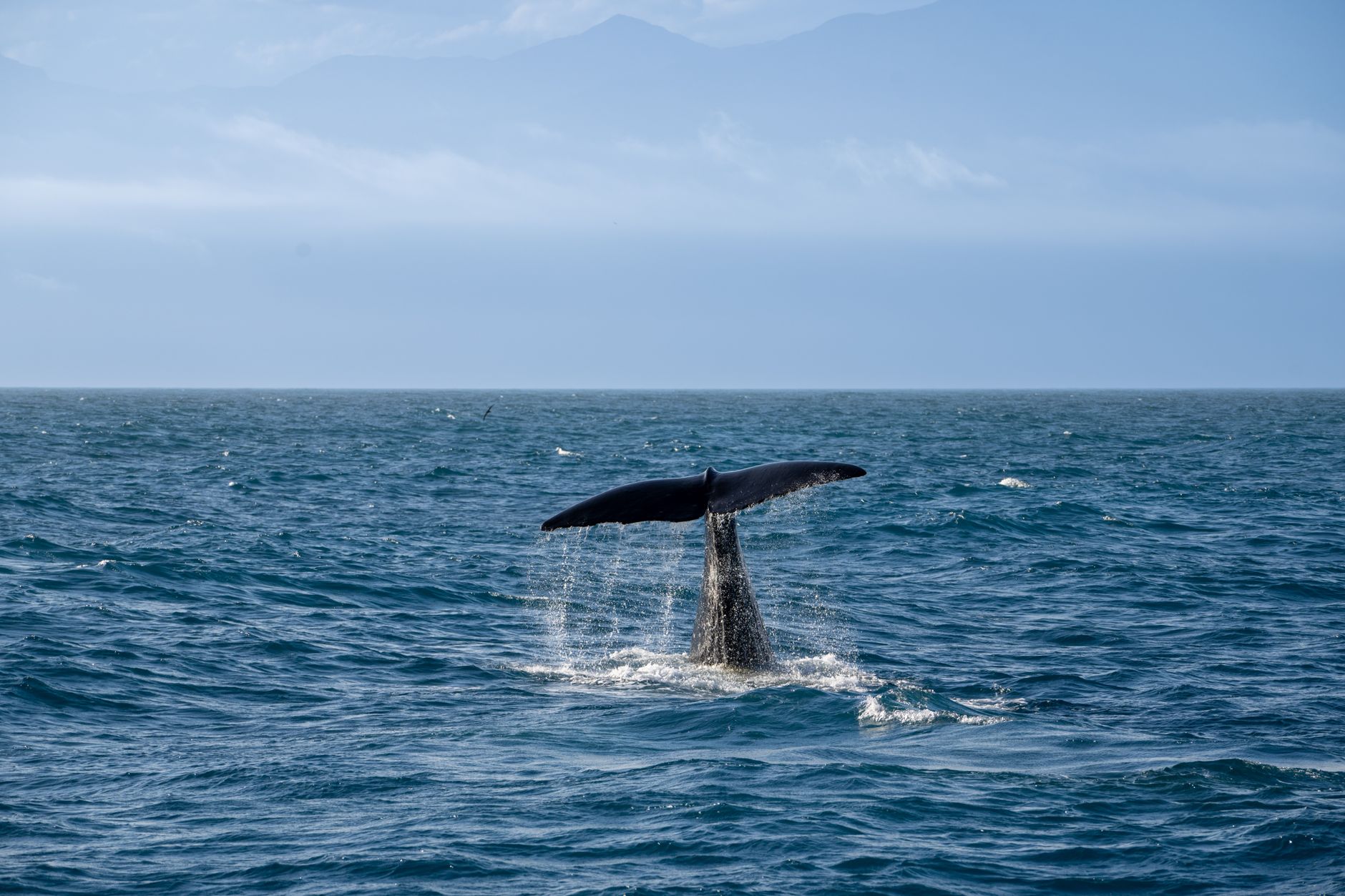
How Do Whales Contribute to Society? Unveiling the Whale’s Vital Role
How do whales contribute to society? Whales play a crucial role in maintaining ocean health and global ecosystems, contributing significantly to carbon sequestration, nutrient cycling, and biodiversity, which ultimately benefit human societies through climate regulation, improved fisheries, and ecotourism.
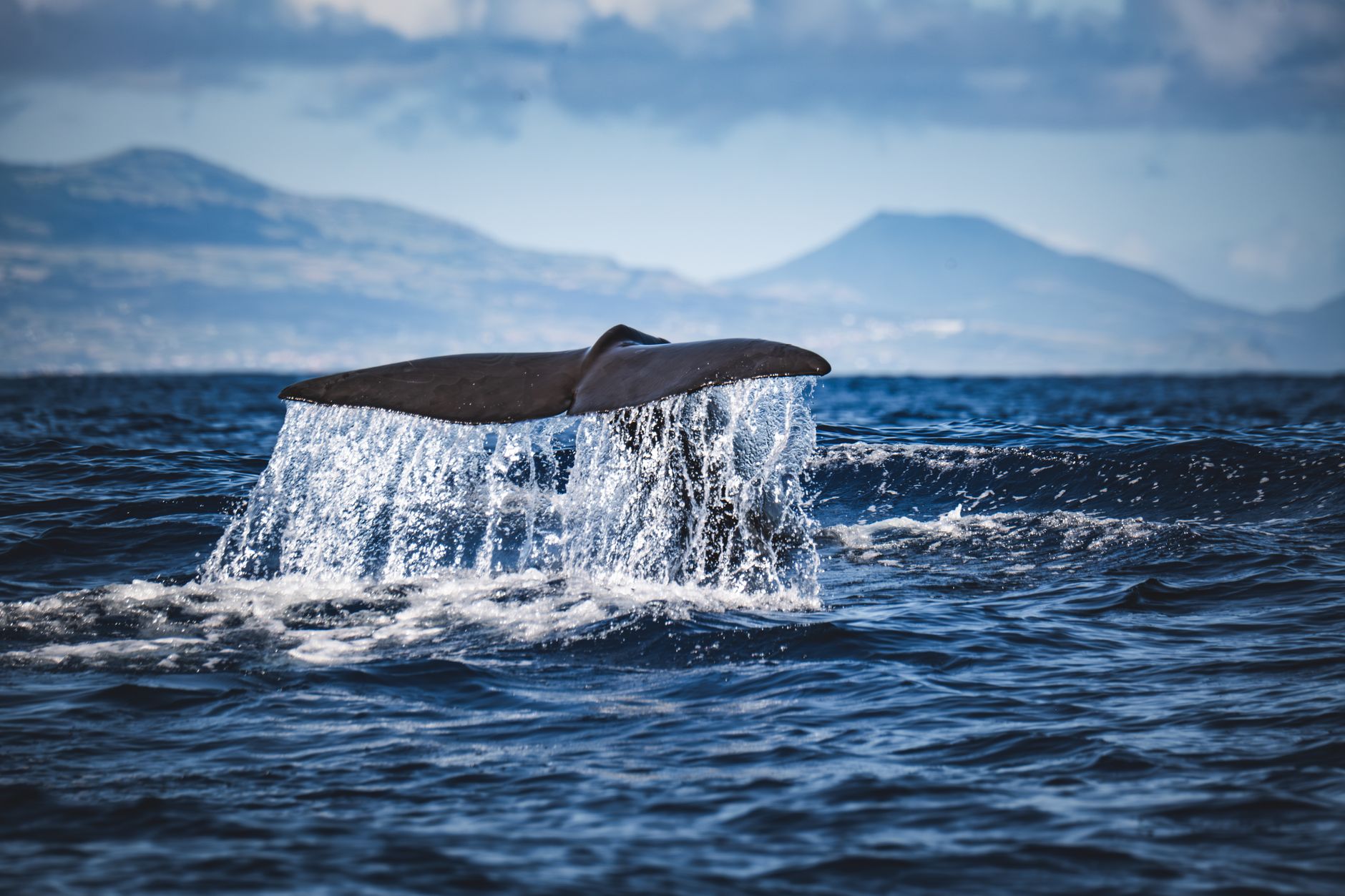
The Whale Pump: A Deep Dive into Nutrient Redistribution
The ocean’s health is intricately linked to the presence and activities of whales. They’re not just majestic creatures; they are ecosystem engineers, actively shaping the marine environment in ways that directly benefit all life on Earth. Understanding how do whales contribute to society? requires examining their role as nutrient redistributors. This process, often referred to as the “whale pump,” is a critical mechanism.
Whales feed in deep waters, consuming krill, fish, and other marine organisms. They then surface to breathe and often defecate near the surface. This process brings vital nutrients from the deep ocean to the surface waters, where sunlight can penetrate.
These nutrients, particularly iron and nitrogen, act as fertilizers for phytoplankton, the microscopic plants that form the base of the marine food web. Phytoplankton are responsible for approximately 50-85% of all oxygen production on Earth.

What colours are fish most attracted to?
Can you put your finger in a trout's mouth?
Is methylene blue anti bacterial?
Does aquarium salt raise pH in aquarium?
Carbon Sequestration: Whales as Climate Change Allies

Beyond nutrient cycling, whales also play a significant role in carbon sequestration. This natural process removes carbon dioxide from the atmosphere and stores it in the ocean.
- Phytoplankton: As mentioned previously, whales fertilize phytoplankton populations. Phytoplankton absorb vast amounts of carbon dioxide during photosynthesis. When phytoplankton die, their carbon-rich remains sink to the ocean floor, effectively removing the carbon from the atmosphere for potentially hundreds of years.
- Whale Biomass: Whales themselves store significant amounts of carbon in their bodies. When they die, their carcasses sink to the ocean floor, providing a massive pulse of nutrients and carbon to deep-sea ecosystems. This phenomenon is called a whale fall.
- Whale Excrement: Whale excrement, rich in iron and nitrogen, stimulates phytoplankton growth, leading to greater CO2 absorption, furthering the carbon sequestration process.
Ecosystem Engineers: Enhancing Biodiversity and Fishery Yields
Whales’ influence extends far beyond nutrient cycling and carbon sequestration. Their presence contributes to the overall health and biodiversity of marine ecosystems.
- Whale Falls: As mentioned above, whale falls support diverse and unique deep-sea ecosystems. These communities are comprised of specialized organisms that feed on the whale’s remains for decades, sometimes centuries.
- Predator-Prey Dynamics: Whales play a role in regulating populations of their prey. By controlling the numbers of krill, fish, and other marine animals, whales help maintain a balance within the food web.
- Habitat Creation: Some whale species, such as humpback whales, create bubble nets to concentrate prey. These bubble nets not only help the whales feed but also provide temporary foraging opportunities for other marine animals.
How do whales contribute to society? In the context of fisheries, the health of whale populations can positively impact fish stocks. A healthy marine ecosystem, supported by whale activity, is a more productive ecosystem for fish populations. By cycling nutrients and supporting phytoplankton blooms, whales indirectly help sustain fish populations that humans rely on for food and income.
Ecotourism: Generating Economic Benefits
Whale watching has become a popular and lucrative form of ecotourism in many coastal communities. People from all over the world travel to observe these magnificent creatures in their natural habitat.
Whale watching generates significant revenue for local businesses, including:
- Tour operators
- Hotels and restaurants
- Souvenir shops
- Other related services
This revenue can support local economies and provide incentives for protecting whale populations and their habitats. Sustainable whale watching practices are essential to ensure that this activity does not negatively impact whale populations or the marine environment.
Threats to Whales and Their Impact
Despite their vital role in the ocean ecosystem, whale populations face numerous threats:
- Climate Change: Changes in ocean temperature and acidification can disrupt the food web and negatively impact whale prey populations.
- Pollution: Plastic pollution, chemical contaminants, and noise pollution can harm whales and their habitats.
- Entanglement: Whales can become entangled in fishing gear, which can lead to injury, starvation, and death.
- Ship Strikes: Collisions with ships can cause serious injuries or death to whales.
How do whales contribute to society? becomes a critical question when considering the impact of their potential loss. If whale populations decline significantly, the ecosystem services they provide would be diminished, impacting climate regulation, fisheries, and ecotourism, ultimately impacting human societies.
| Threat | Impact | Mitigation Strategies |
|---|---|---|
| Climate Change | Disrupts food webs, impacts prey populations | Reduce carbon emissions, promote sustainable practices |
| Pollution | Harms whales and their habitats | Reduce plastic use, regulate chemical disposal |
| Entanglement | Injury, starvation, death | Develop whale-safe fishing gear, reduce ghost fishing |
| Ship Strikes | Injury, death | Implement speed restrictions, create whale sanctuaries |
Common Misconceptions
A common misconception is that whales are simply large mammals that do not have a significant impact on the broader ecosystem. It’s vital to understand the critical roles they play in nutrient cycling, carbon sequestration, and maintaining biodiversity. Further, some believe that whaling is no longer a threat; however, some nations continue whaling practices, contributing to population decline. Education and conservation efforts are key.
Frequently Asked Questions (FAQs)
What is the “whale pump” and why is it important?
The whale pump refers to the process by which whales bring nutrients from the deep ocean to the surface. They feed in deep waters and then defecate near the surface. This action fertilizes surface waters, promoting phytoplankton growth, which is essential for oxygen production and carbon sequestration.
How do whale falls benefit deep-sea ecosystems?
When a whale dies and its carcass sinks to the ocean floor, it creates a whale fall ecosystem. This ecosystem can support a diverse community of organisms for decades, providing a vital source of nutrients and energy in the otherwise barren deep sea.
What role do whales play in carbon sequestration?
Whales contribute to carbon sequestration in several ways. They fertilize phytoplankton, which absorb carbon dioxide. Whales also store carbon in their bodies, and when they die, their carcasses sink to the ocean floor, sequestering that carbon for long periods. Furthermore, their excrement enhances phytoplankton growth, increasing CO2 absorption.
How does whale conservation benefit fisheries?
By promoting nutrient cycling and phytoplankton blooms, whales support a healthy marine ecosystem. This healthy ecosystem can, in turn, support larger and more stable fish populations, benefiting fisheries.
How does whale watching contribute to society economically?
Whale watching generates revenue for local businesses through tourism. This revenue can support local economies and provide incentives for protecting whale populations and their habitats.
What are the main threats to whale populations today?
The main threats to whale populations include climate change, pollution, entanglement in fishing gear, and ship strikes. These threats can lead to injury, starvation, and death, impacting whale populations.
What can individuals do to help protect whales?
Individuals can help protect whales by reducing their carbon footprint, supporting sustainable seafood choices, reducing plastic use, and supporting organizations dedicated to whale conservation.
Are all whale species endangered?
No, not all whale species are endangered, but many are threatened or vulnerable. Conservation efforts are crucial to ensure the survival of these species.
What international agreements protect whales?
Several international agreements protect whales, including the International Whaling Commission (IWC), which regulates whaling activities.
How do scientists study whale populations?
Scientists use various methods to study whale populations, including photo-identification, acoustic monitoring, satellite tagging, and genetic analysis.
How does noise pollution affect whales?
Noise pollution from ships and other sources can disrupt whale communication, navigation, and foraging behavior. This can lead to stress, reduced breeding success, and even strandings.
Is whaling still a problem today?
Although commercial whaling is largely banned, some countries continue whaling for scientific or cultural reasons. This continues to pose a threat to certain whale populations.