
How Whale Sharks Defend Themselves: Gentle Giants’ Survival Strategies
How do whale sharks defend themselves? Whale sharks, despite their enormous size, primarily rely on their immense size, thick skin, and spotted camouflage for defense, effectively deterring most predators and blending seamlessly into the vast ocean.

The Gentle Giant: An Overview
The whale shark, Rhincodon typus, is the world’s largest fish, reaching lengths of up to 40 feet or more. These filter-feeding behemoths roam the tropical and warm-temperate waters of the globe, playing a vital role in maintaining the health of their ecosystems. While their size alone offers some protection, understanding how do whale sharks defend themselves requires a deeper look into their unique adaptations and behaviors. Despite their gentle nature, survival in the ocean necessitates some form of defense.

What colours are fish most attracted to?
Can you put your finger in a trout's mouth?
Is methylene blue anti bacterial?
Does aquarium salt raise pH in aquarium?
The Power of Size and Scale
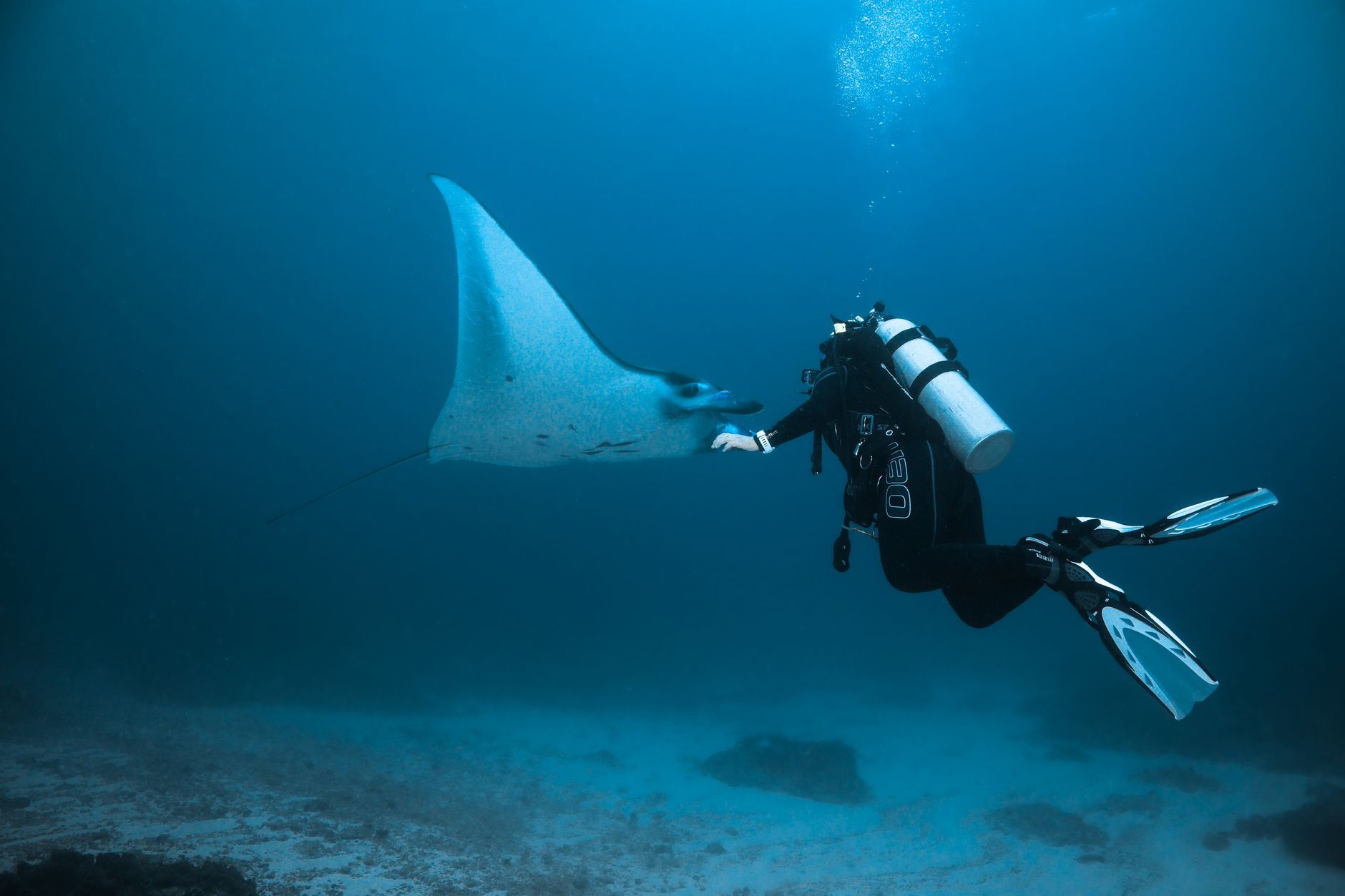
The sheer size of a whale shark is its primary defense mechanism. Few predators dare to attack an animal of such immense proportions. Consider the following:
- Predator intimidation: Their massive bulk often deters potential attackers, especially smaller sharks and marine mammals.
- Reduced predation risk as adults: While juveniles are more vulnerable, adult whale sharks face relatively few natural predators due to their size.
Camouflage: Hiding in Plain Sight
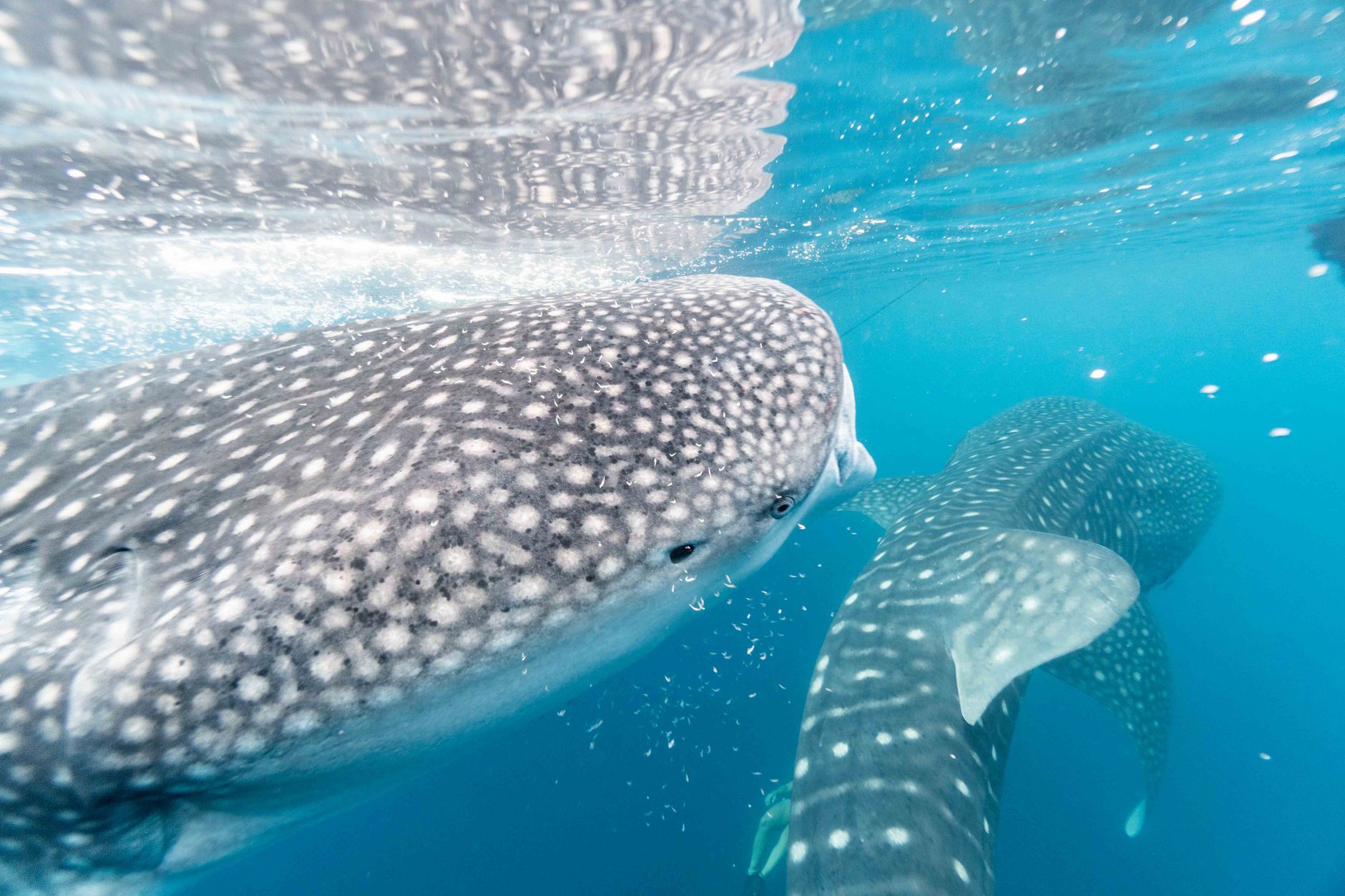
The distinctive spot pattern of a whale shark is more than just aesthetically pleasing; it serves as crucial camouflage.
- Disruptive coloration: The spots disrupt the shark’s outline, making it harder for predators to visually lock onto them in the open ocean.
- Blending with the environment: The patterns help them blend into the dappled sunlight filtering through the water column.
Thick Skin: A Natural Armor
Whale sharks possess incredibly thick skin, providing a physical barrier against potential threats.
- Multiple layers: Their skin can be up to 10 centimeters (4 inches) thick in some areas, offering significant protection from bites and abrasions.
- Dermal denticles: Similar to other sharks, whale sharks have tiny, tooth-like structures called dermal denticles embedded in their skin. These provide a degree of armor and reduce drag in the water.
Behavioral Defenses
Beyond physical attributes, whale sharks exhibit behavioral adaptations that contribute to their survival.
- Deep diving: Whale sharks can dive to depths of over 1,000 meters (3,300 feet), potentially escaping predators in shallower waters.
- Tail strikes: While not an aggressive behavior, a powerful tail strike can be a deterrent to persistent harassers.
- Avoidance: Generally, whale sharks prefer to avoid confrontation, moving away from potential threats rather than engaging.
Vulnerability of Juveniles
While adult whale sharks are relatively safe, juveniles are more vulnerable to predation. Their smaller size and less developed defenses make them targets for various predators.
- Predators of juveniles: Hammerhead sharks, tiger sharks, and even killer whales have been known to prey on juvenile whale sharks.
- Importance of protective habitats: Coastal areas and lagoons provide shelter and abundant food sources for young whale sharks, increasing their chances of survival.
Comparing Defense Mechanisms
| Defense Mechanism | Description | Effectiveness |
|---|---|---|
| Size | Immense size intimidates most predators. | High |
| Camouflage | Spot pattern disrupts outline and blends with the environment. | Moderate to High |
| Thick Skin | Provides a physical barrier against bites and abrasions. | Moderate |
| Deep Diving | Allows escape from shallower-water predators. | Variable |
| Tail Strikes | Powerful tail can deter harassers. | Low to Moderate |
| Avoidance | Moving away from potential threats. | High |
FAQs
What is the primary defense mechanism of a whale shark?
The primary defense mechanism of a whale shark is its sheer size. The enormous size of an adult whale shark serves as a significant deterrent to most potential predators.
Are whale sharks aggressive animals?
Whale sharks are not aggressive animals. They are known for their gentle nature and pose no threat to humans. Their diet consists primarily of plankton and small fish.
Do whale sharks have any natural predators?
Adult whale sharks have relatively few natural predators due to their size. However, juvenile whale sharks are vulnerable to predators such as hammerhead sharks, tiger sharks, and killer whales.
How does a whale shark’s skin help protect it?
The thick skin of a whale shark, which can be up to 10 centimeters (4 inches) thick, provides a physical barrier against bites and abrasions. The dermal denticles in their skin also offer a degree of armor.
Can whale sharks bite or sting?
Whale sharks do not bite or sting. They are filter feeders and have small teeth that are not used for biting. They also lack any stinging mechanisms.
Does the spot pattern of a whale shark serve any purpose other than camouflage?
While the primary function of the spot pattern is camouflage, research suggests that it may also play a role in individual recognition. Each whale shark has a unique spot pattern, allowing researchers to identify and track them.
How deep can whale sharks dive?
Whale sharks are capable of diving to depths of over 1,000 meters (3,300 feet). This deep-diving ability can help them escape predators and access different food sources.
What should I do if I encounter a whale shark while swimming or diving?
If you encounter a whale shark, maintain a safe distance and avoid touching or disturbing the animal. Observe them respectfully and follow any guidelines provided by local authorities.
Are whale sharks endangered?
Whale sharks are currently listed as endangered by the International Union for Conservation of Nature (IUCN). They face threats from habitat loss, fishing, and boat strikes.
What can be done to help protect whale sharks?
Protecting whale sharks requires a multifaceted approach, including:
- Reducing fishing pressure: Implementing regulations to prevent the accidental capture and killing of whale sharks.
- Protecting critical habitats: Conserving coastal areas and lagoons that serve as important nurseries for juvenile whale sharks.
- Promoting responsible tourism: Ensuring that tourism activities are conducted in a sustainable manner that minimizes disturbance to whale sharks.
- Raising awareness: Educating the public about the importance of whale shark conservation.
How fast can whale sharks swim?
Whale sharks are not particularly fast swimmers, typically moving at speeds of around 5 kilometers per hour (3 miles per hour). Their primary focus is on efficiently filtering plankton, not on speed.
How does climate change affect whale sharks?
Climate change poses a significant threat to whale sharks by altering their prey distribution, impacting the availability of plankton and small fish, and potentially changing their migratory patterns. Rising ocean temperatures and ocean acidification can also negatively impact their habitats. Understanding how do whale sharks defend themselves against these indirect threats from climate change is an ongoing area of research.