

How Do Tigers Respond to Cold?
Tigers, surprisingly adaptable creatures, employ a variety of strategies to survive in cold climates, including developing thicker fur, storing fat reserves, and modifying their hunting behaviors to conserve energy. Understanding how do tigers respond to cold? reveals fascinating insights into their evolutionary resilience.
Introduction: Tigers in Unexpected Places
While often associated with steamy jungles, tigers actually inhabit a remarkable range of environments, from tropical rainforests to the frigid, snow-covered landscapes of the Russian Far East. This begs the question: How do tigers respond to cold? Their survival in these harsh environments showcases their impressive adaptability and the various physiological and behavioral mechanisms they employ. This article delves into the fascinating adaptations that allow these majestic predators to thrive in icy conditions.

What colours are fish most attracted to?
Can you put your finger in a trout's mouth?
Is methylene blue anti bacterial?
Does aquarium salt raise pH in aquarium?
The Siberian Tiger: A Master of Cold Adaptation

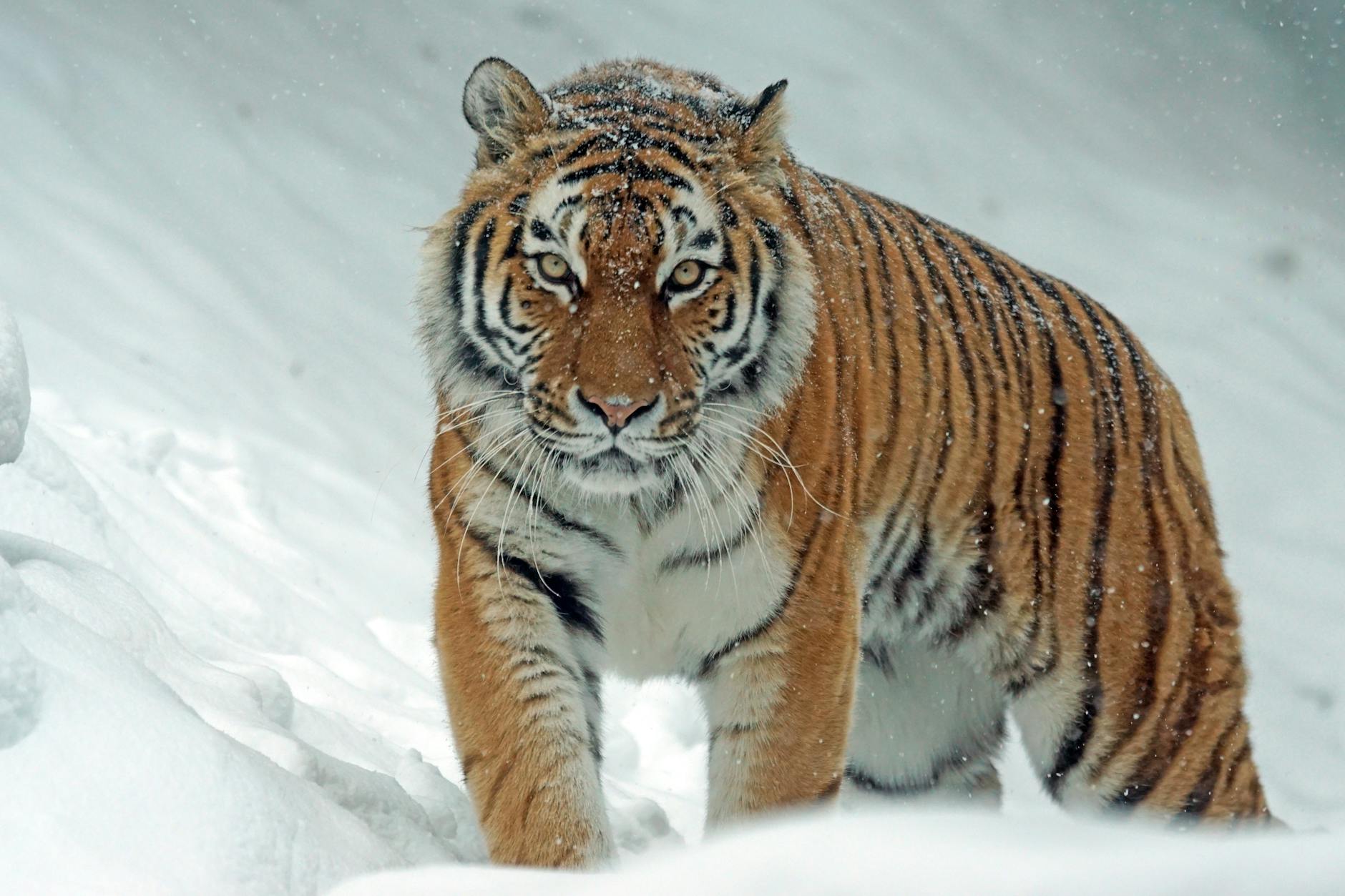
The Siberian tiger (Panthera tigris altaica), also known as the Amur tiger, is the largest cat in the world and the subspecies most adapted to cold climates. These tigers reside in the Russian Far East, where winter temperatures can plummet to -40°C (-40°F). Their survival in these conditions is a testament to their remarkable resilience.
Key Adaptations to Cold Climates
Several crucial adaptations enable Siberian tigers to withstand the frigid temperatures:
- Thick Fur: Siberian tigers boast significantly thicker fur than their tropical counterparts. This dense coat provides superior insulation, trapping a layer of air close to the body, minimizing heat loss.
- Subcutaneous Fat: A thick layer of subcutaneous fat acts as a further insulator and a crucial energy reserve during times of scarcity. This fat layer can be several inches thick, providing essential warmth and sustenance during the harsh winter months.
- Smaller Surface Area to Volume Ratio: While subtle, Siberian tigers tend to be stockier than their southern relatives, resulting in a lower surface area to volume ratio. This minimizes heat loss, as less surface area is exposed to the cold.
- Hunting Strategies: Tigers adjust their hunting strategies in winter. Prey animals become scarcer, and deep snow makes hunting more challenging. They may expend more energy on ambush hunting and caching kills to ensure a reliable food supply.
Behavioral Adaptations for Winter Survival
Beyond physiological adaptations, tigers also exhibit behavioral changes to cope with the cold:
- Shelter Seeking: Tigers will seek shelter from the harshest weather, utilizing natural formations such as rocky outcrops, dense forests, and caves to minimize exposure to wind and snow.
- Reduced Activity: During periods of extreme cold, tigers may reduce their overall activity levels to conserve energy. This can involve resting for longer periods and shortening hunting forays.
- Sunbathing: On sunny days, tigers may bask in the sun to warm themselves and replenish their energy reserves.
- Use of Thermal Refugia: Thermal refugia, areas that provide consistent warmer temperatures (e.g., near geothermal vents or springs), are crucial for survival, particularly for vulnerable individuals like cubs and pregnant females.
The Role of Diet in Cold Weather Survival
A consistent and nutritious diet is paramount for survival in cold climates. The Siberian tiger’s diet primarily consists of large ungulates such as:
- Red deer
- Wild boar
- Elk (moose)
These animals provide the necessary calories and fat to fuel their large bodies and maintain their thick insulating layers. A successful hunt is vital for survival, especially during the leaner winter months.
Conservation Challenges in Cold Climates
Despite their adaptations, Siberian tigers face significant threats, even in their cold climate habitats:
- Habitat Loss: Deforestation and habitat fragmentation reduce the availability of suitable hunting grounds and shelter, making it harder for tigers to survive the winter.
- Poaching: Illegal hunting for their pelts and body parts continues to be a major threat, even in remote areas.
- Prey Depletion: Overhunting of ungulates by humans reduces the tigers’ food supply, making them more vulnerable to starvation, especially during harsh winters.
- Climate Change: While adapted to cold, rapidly changing climate patterns can disrupt ecosystems, alter prey availability, and increase the frequency of extreme weather events, posing new challenges to tiger survival.
How do tigers respond to cold, and how is that changing?
The historical answer to how do tigers respond to cold? has involved slow, natural adaptation over generations. However, current environmental changes are happening far too rapidly. The strategies that have worked for millennia are now under unprecedented stress. Effective conservation measures, including habitat protection, anti-poaching efforts, and sustainable management of prey populations, are crucial to ensuring the long-term survival of tigers in cold climates. Without these interventions, their resilience will be pushed to its limits.
Frequently Asked Questions
What is the lowest temperature a tiger can survive?
Tigers, particularly Siberian tigers, can survive in temperatures as low as -40°C (-40°F). However, survival at such extreme temperatures depends on having adequate shelter, sufficient food, and a healthy physical condition. Prolonged exposure without these factors can be fatal.
Do tigers hibernate?
No, tigers do not hibernate. They remain active throughout the winter, although they may reduce their activity levels during periods of extreme cold to conserve energy. They rely on their thick fur, fat reserves, and hunting skills to survive the winter.
Do tiger cubs adapt to cold differently than adults?
Yes, tiger cubs are more vulnerable to cold temperatures than adults. They have less developed fat reserves and less dense fur. Mothers will keep cubs sheltered and close to their bodies to provide warmth, and access to consistent food is even more critical for cub survival.
Do tigers migrate to warmer climates during winter?
Generally, tigers do not migrate. They are territorial animals and remain within their established ranges year-round. Their adaptations to the cold, such as thick fur and fat reserves, allow them to survive in their existing habitats throughout the winter.
How does snow affect a tiger’s hunting ability?
Deep snow can make hunting more difficult for tigers, as it impedes their movement and makes it harder to stalk prey silently. However, tigers are adept at adapting their hunting strategies, often relying on ambush tactics and targeting prey in areas with less snow.
Are all tiger subspecies equally adapted to cold climates?
No, the Siberian tiger is the most cold-adapted subspecies. Other subspecies, such as the Bengal tiger, are primarily found in warmer climates and lack the thick fur and fat reserves necessary to survive prolonged periods of extreme cold.
Do tigers change the color of their fur in winter?
While tigers do not drastically change the color of their fur, their coats may appear slightly lighter in winter due to the longer, denser fur. This is more for camouflage than a significant change in pigmentation.
How much food does a tiger need to eat to survive the winter?
A Siberian tiger needs to consume a significant amount of food to maintain its energy reserves during the winter. They may need to kill a large ungulate, such as a deer or wild boar, approximately every 5-7 days to meet their caloric needs.
What are the primary threats to tigers in cold climates?
The primary threats include habitat loss, poaching, prey depletion (often due to human hunting), and the increasing impacts of climate change. These factors can make it harder for tigers to find food, shelter, and breeding opportunities, jeopardizing their survival.
How can people help protect tigers in cold climates?
Individuals can support tiger conservation by donating to reputable conservation organizations, advocating for stronger anti-poaching laws, promoting sustainable land use practices, and reducing their carbon footprint to mitigate the effects of climate change.
How do researchers study how tigers respond to cold?
Researchers use various methods to study tiger adaptations to cold, including tracking tigers using GPS collars, monitoring their hunting behavior, analyzing their diets through scat analysis, and conducting physiological studies on captured individuals. Non-invasive methods like camera trapping are also commonly used.
What is the current population status of Siberian tigers?
The population of Siberian tigers has rebounded in recent years thanks to intensive conservation efforts, but they are still considered endangered. Estimates suggest there are around 500-600 Siberian tigers remaining in the wild, primarily in the Russian Far East. Continued conservation efforts are crucial to ensure their long-term survival.