

How Do Seahorses Talk? Decoding the Sounds of the Sea
Seahorses don’t “talk” in the conventional sense of using vocal cords; instead, they communicate through subtle clicks and growls produced by striking bones within their skull, primarily used during courtship and feeding. This form of communication, known as mechanosensation, is essential for their survival and social interactions.
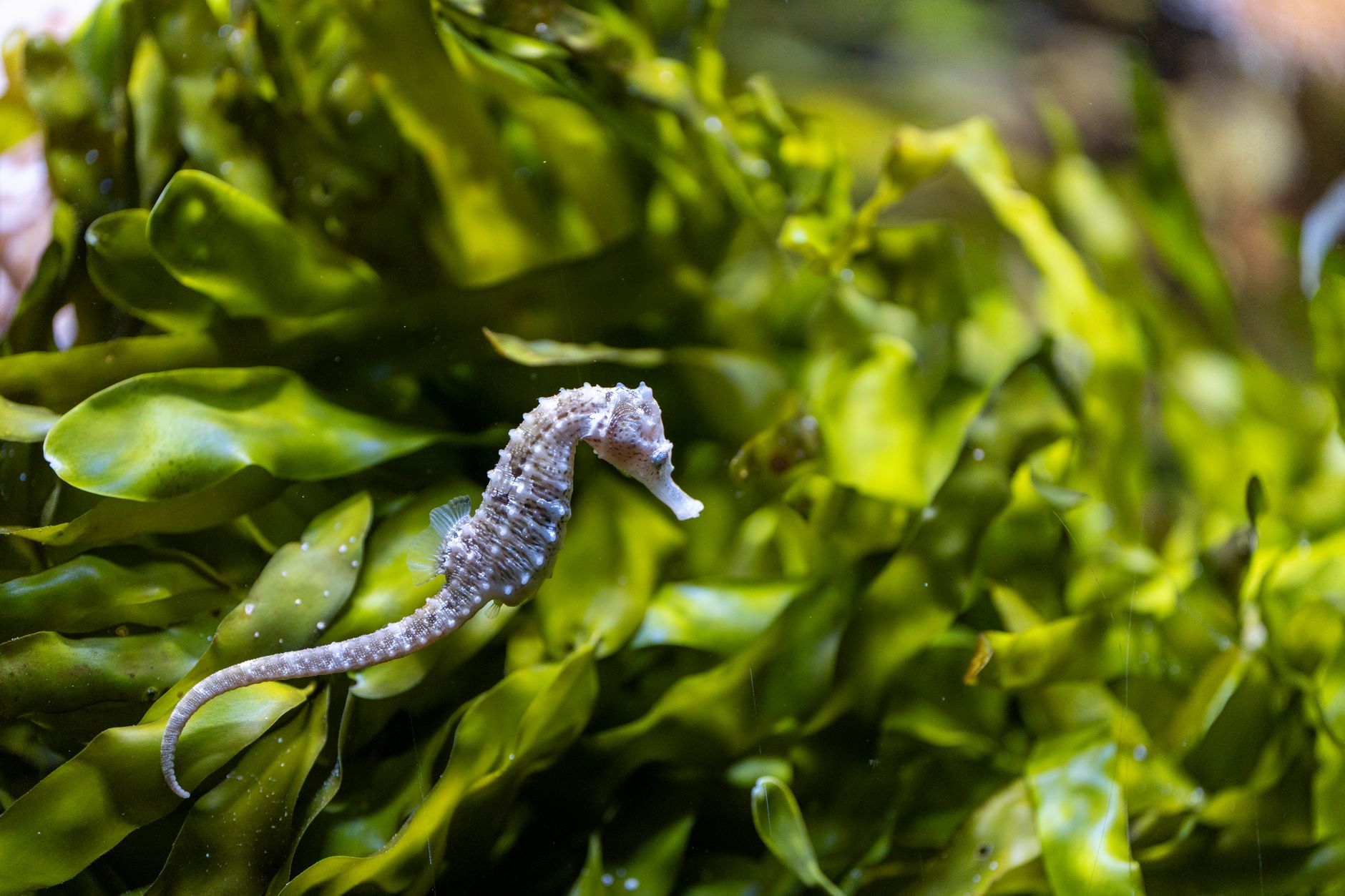
Introduction: A Silent Symphony of the Seas
Seahorses, those whimsical and enchanting creatures of the ocean, often seem shrouded in mystery. While their camouflage and peculiar body shape are well-known, a less-understood aspect is their communication. How do seahorses talk? It’s a question that delves into the fascinating world of underwater acoustics and the specialized adaptations of these animals. Unlike many marine creatures, seahorses don’t rely on vocalizations in the traditional sense. They’ve developed a unique method of communication that relies on vibrations and mechanical sounds.

What colours are fish most attracted to?
Can you put your finger in a trout's mouth?
Is methylene blue anti bacterial?
Does aquarium salt raise pH in aquarium?
The Mechanics of Seahorse “Speech”
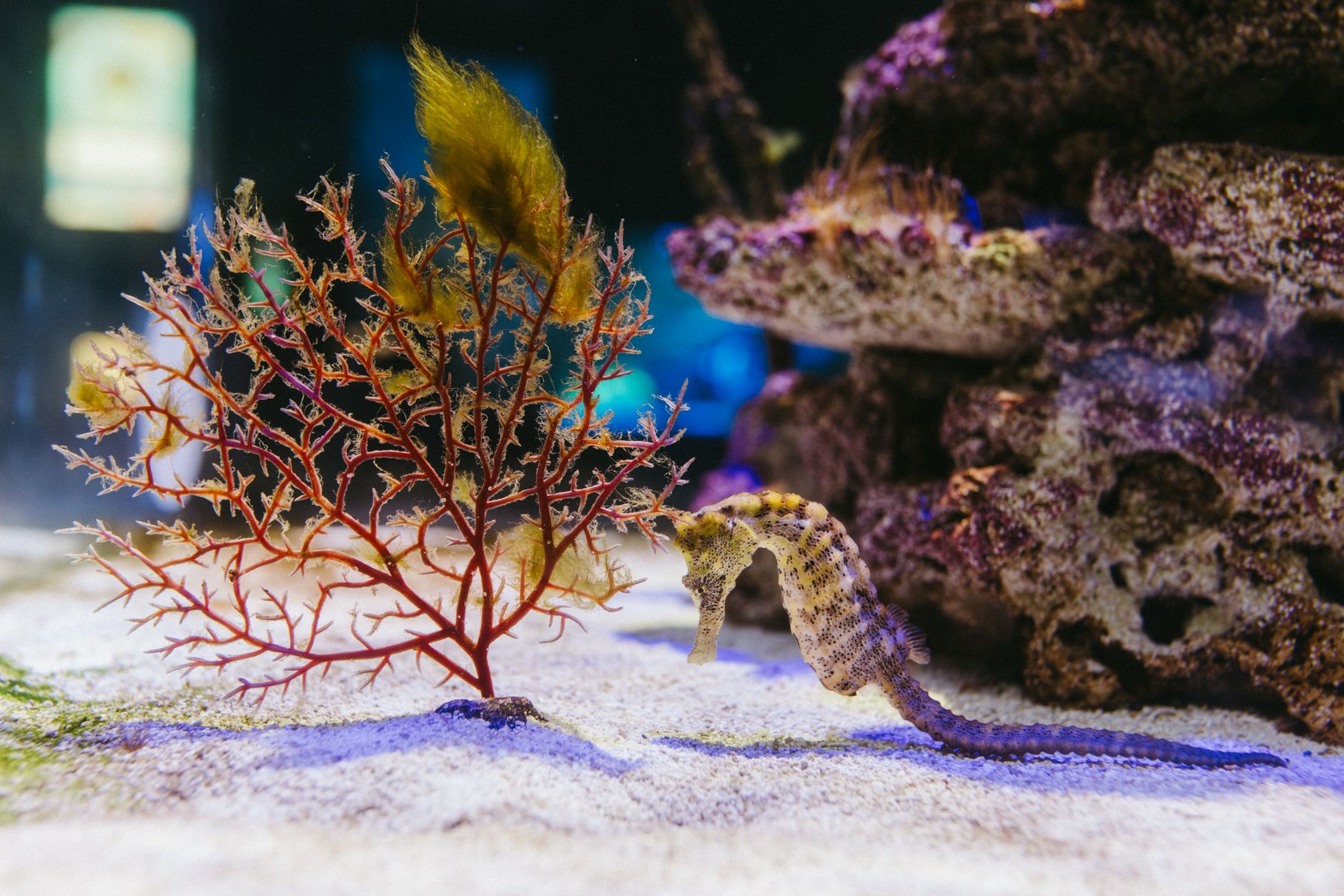
The secret to seahorse communication lies not in their throats, but in their head and body structure. They create sound using a method called mechanosensation. This involves clicking and grinding parts of their skeletal structure together.
- Cranial Clicks: The primary source of sound is believed to be the movement of bones in the skull.
- Striking Bones: A specific bone or set of bones near the head vibrates, creating a clicking sound.
- Amplification: The seahorse’s body, particularly its swim bladder (when present), may act as a resonator, amplifying these sounds.
This system is particularly important given the seahorse’s small size and the challenges of sound transmission in water. The low-frequency sounds produced travel relatively short distances, but they’re sufficient for close-range communication, primarily during courtship and feeding.
The Purpose of Seahorse Sounds
The sounds seahorses produce aren’t random; they serve specific purposes.
- Courtship Rituals: During mating season, seahorses use clicks and growls to attract potential mates and synchronize their movements. The male, in particular, will produce louder and more frequent sounds to impress a female.
- Feeding: Seahorses are known to produce sounds while feeding, possibly to startle prey or to coordinate hunting with other seahorses.
- Territorial Defense: Although less common, some evidence suggests that seahorses might use sounds to warn off rivals and defend their territory.
These sounds are essential for the survival and reproductive success of seahorses. They allow these relatively solitary creatures to find mates, secure food, and navigate their complex social lives.
Why Not Vocal Cords? Evolutionary Considerations
Why haven’t seahorses developed vocal cords like many other marine animals? The answer likely lies in their evolutionary history and lifestyle. Seahorses are relatively recent additions to the fish family tree. Their highly specialized morphology, including their rigid body armor and prehensile tail, has likely constrained the development of more complex vocal structures. Furthermore, their small size and relatively sedentary lifestyle make the energetically demanding process of producing loud vocalizations less advantageous. The quiet, subtle clicks and growls they produce are sufficient for their needs and have proven to be an effective communication strategy. The lack of true vocalizations highlights the diverse and creative ways nature finds to solve the same problem: communication.
Challenges in Studying Seahorse Communication
Studying how do seahorses talk? presents several challenges.
- Sound Sensitivity: Seahorse clicks are very quiet and difficult to detect in the noisy ocean environment.
- Captive Behavior: Seahorses in captivity may not behave the same way they do in the wild, making it difficult to study their natural communication patterns.
- Species Variation: There are over 40 different species of seahorses, and their communication methods may vary slightly, adding complexity to the research.
Despite these challenges, researchers are using sophisticated hydrophones (underwater microphones) and behavioral observation techniques to unravel the mysteries of seahorse communication.
Future Research: Unlocking the Secrets of Seahorse Sounds
The study of how do seahorses talk? is an ongoing field of research. Future studies will likely focus on:
- Detailed Sound Analysis: Analyzing the specific acoustic characteristics of seahorse sounds to identify different “dialects” among species.
- Behavioral Correlation: Linking specific sounds to specific behaviors to understand their meaning and function.
- Conservation Implications: Using knowledge of seahorse communication to inform conservation efforts, such as habitat restoration and management.
By continuing to investigate the soundscape of seahorse habitats, scientists can gain a deeper understanding of these fascinating creatures and better protect them from the threats they face.
Understanding Seahorse Behavior Through Sounds
Understanding how seahorses use sound can also offer insights into their behavior. By listening to their interactions in the wild, we can learn more about their social structures, mating rituals, and feeding strategies. For instance, researchers might be able to distinguish between different types of courtship calls, identify territorial disputes, or even track seahorse populations based on their unique acoustic signatures. This knowledge can be invaluable for conservation efforts, allowing us to monitor seahorse populations, identify critical habitats, and assess the impact of human activities on their behavior.
Seahorse Communication and Conservation Efforts
The knowledge gained from studying seahorse communication can directly impact conservation efforts. Understanding how do seahorses talk? allows us to:
- Assess Habitat Quality: Measure noise pollution levels in their habitat and mitigate the impact of human activities on their communication.
- Monitor Populations: Use acoustic monitoring to track seahorse populations and identify areas where they are declining.
- Inform Conservation Strategies: Develop conservation strategies that consider the importance of sound in seahorse life.
Ultimately, protecting seahorses requires a comprehensive understanding of their biology, behavior, and the threats they face.
Frequently Asked Questions about Seahorse Communication
What specific type of sound do seahorses make?
Seahorses primarily produce clicking and snapping sounds, and occasionally a low growling rumble. These sounds are typically quiet and may not be audible to humans without specialized equipment. The specific sounds can vary slightly depending on the species and context.
Do both male and female seahorses produce sounds?
Yes, both male and female seahorses are capable of producing sounds, but males tend to be more vocal, particularly during courtship rituals. Females also produce sounds, especially when feeding or potentially to signal aggression.
How far can seahorse sounds travel underwater?
Seahorse sounds are generally low-frequency and don’t travel very far – typically only a few meters. This is because the sounds are relatively quiet and are easily absorbed by the water. They’re primarily used for close-range communication.
Can humans hear seahorse sounds?
Directly hearing seahorse sounds is difficult for humans without the aid of underwater microphones (hydrophones). Their sounds are very quiet and often masked by other ambient noise in the ocean.
Do different species of seahorses have different “dialects”?
Yes, there is evidence suggesting that different species of seahorses may have distinct acoustic characteristics in their sounds. This is an area of ongoing research, but it’s possible that each species has its own unique “dialect” or sound signature.
What role does the seahorse’s swim bladder play in communication?
The swim bladder may act as a resonator, amplifying the sounds produced by the seahorse. While not all seahorse species possess a swim bladder, those that do may benefit from this additional amplification, enhancing the range and detectability of their communication signals.
Do seahorses learn to communicate, or is it instinctive?
Seahorse communication is likely a combination of both instinctive and learned behaviors. The basic mechanisms of sound production are likely innate, but the specific context and use of these sounds may be influenced by experience and learning within their social environment.
Are seahorse sounds affected by noise pollution in the ocean?
Yes, noise pollution from human activities (such as shipping and construction) can interfere with seahorse communication. This can make it harder for them to find mates, locate food, and avoid predators, potentially impacting their survival.
How do researchers study seahorse communication?
Researchers typically use hydrophones to record underwater sounds in seahorse habitats. They then analyze these recordings to identify and characterize seahorse sounds, and correlate them with observed behaviors.
Is there any evidence that seahorses communicate with other species?
There’s no direct evidence to suggest that seahorses intentionally communicate with other species. Their sounds are primarily intended for intraspecific communication (communication within their own species).
Can seahorses detect vibrations in the water, even if they don’t hear them as sound?
Yes, seahorses can detect vibrations in the water, even if they don’t perceive them as distinct sounds. This ability, known as mechanosensation, allows them to sense the presence of predators, prey, and potential mates.
How does communication contribute to seahorse reproduction?
Communication plays a crucial role in seahorse reproduction. Males use sounds to attract females, and the synchronized clicking and growling during courtship helps the pair coordinate their movements and synchronize the transfer of eggs to the male’s pouch.