
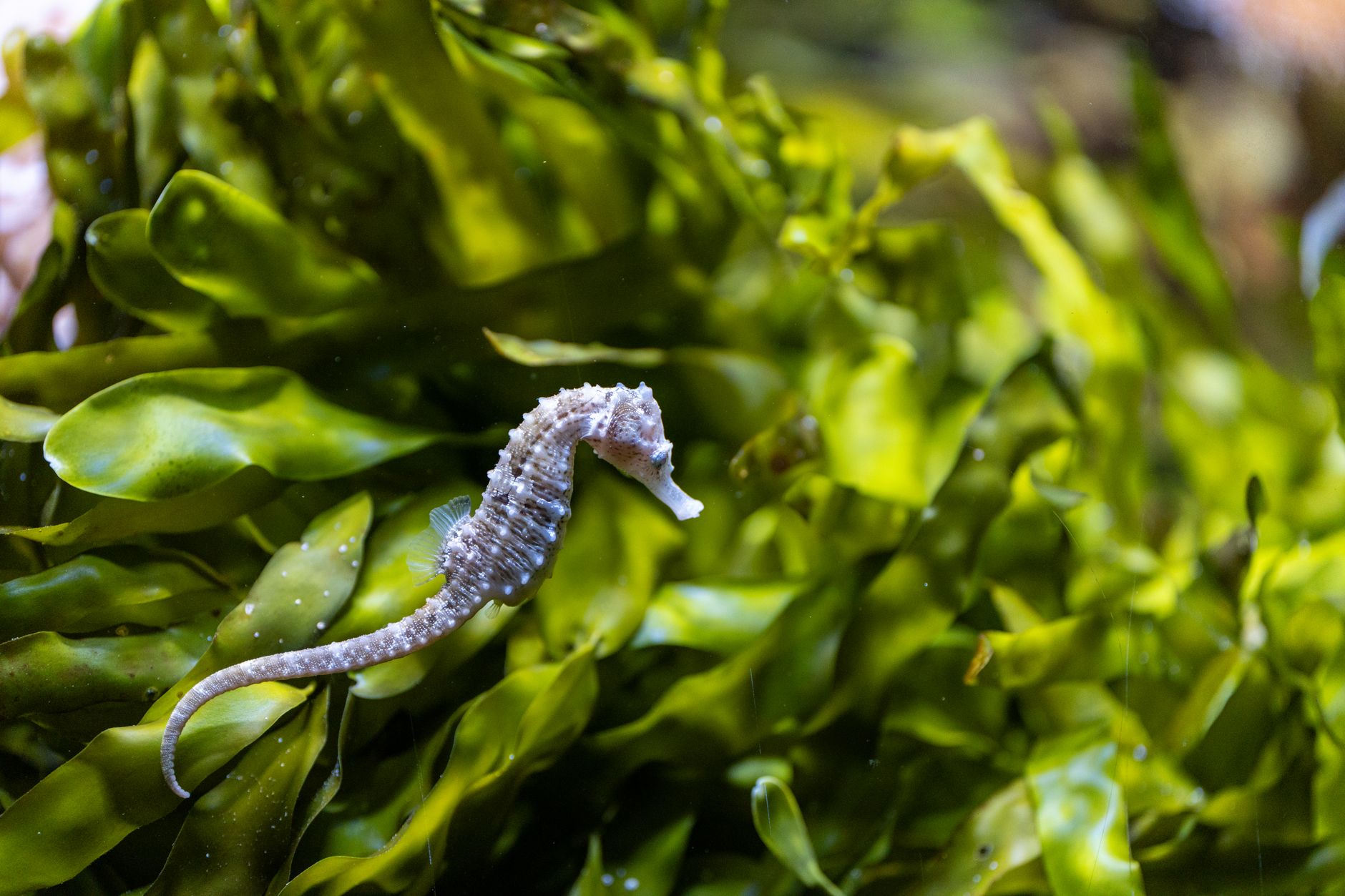
How Do Seahorses Change Gender? Unveiling the Myth
Seahorses do not actually change gender. Seahorses are unique in that the males carry and incubate the eggs, a process where the female deposits eggs into the male’s brood pouch, where he fertilizes and nurtures them until they hatch.

A Misunderstood Marvel: Seahorse Biology
The question of how do seahorses change gender stems from a common misunderstanding of their reproductive roles. Unlike some fish species capable of sequential hermaphroditism (changing from one sex to another), seahorses maintain fixed sexes throughout their lives. The misconception likely arises from the seemingly reversed roles of male pregnancy, which defies typical mammalian and avian reproductive norms.
What colours are fish most attracted to?
Can you put your finger in a trout's mouth?
Is methylene blue anti bacterial?
Does aquarium salt raise pH in aquarium?
The Extraordinary Role of the Male Seahorse
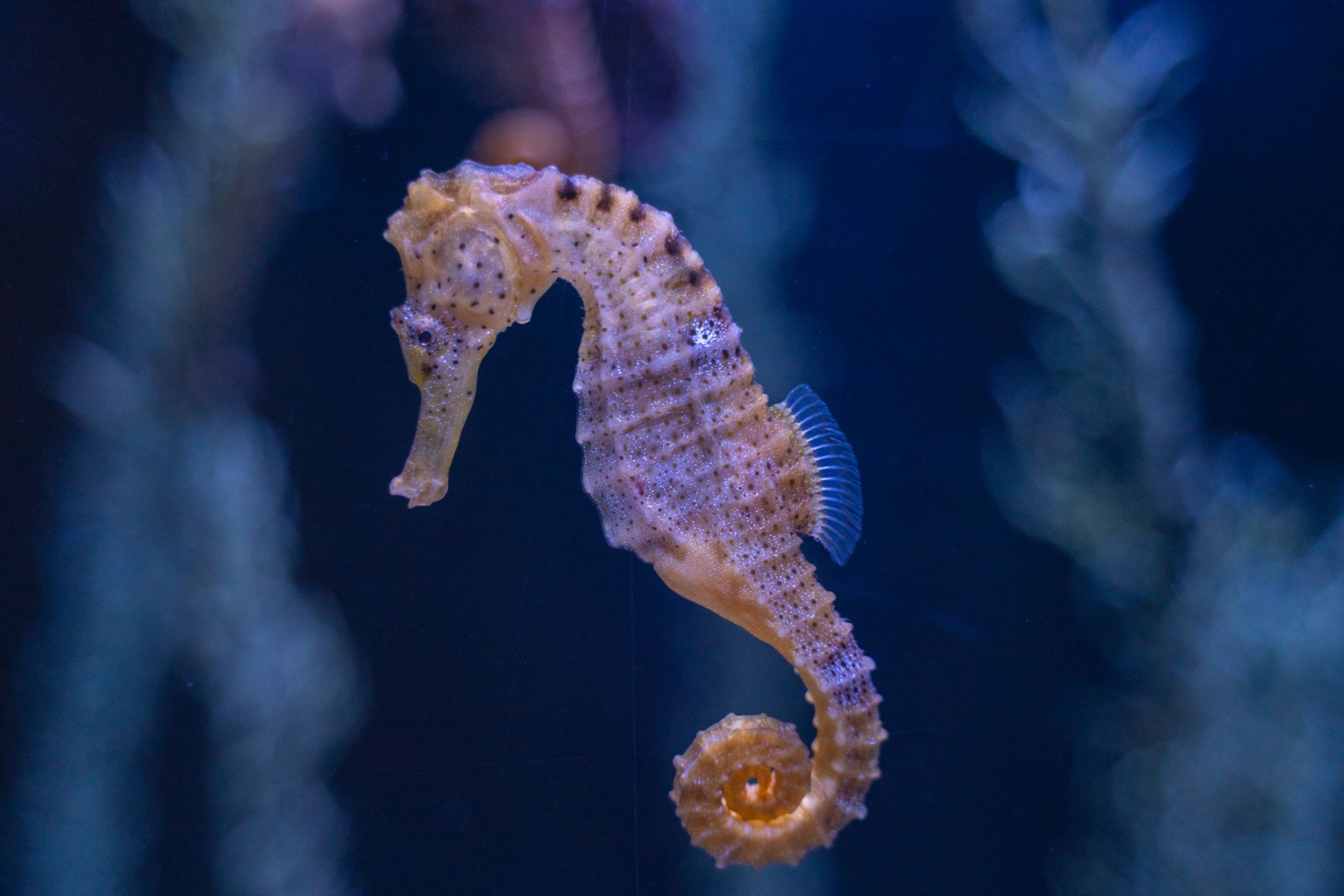
The hallmark of seahorse reproduction is the male’s brood pouch. This specialized structure, located on the ventral side of the male’s tail, functions like a miniature womb.
Here’s a breakdown of the male seahorse’s role:
- Receiving the eggs: During courtship, the female deposits her eggs directly into the male’s pouch.
- Fertilization: The male fertilizes the eggs within the pouch.
- Incubation: The male provides a stable environment for the developing embryos, controlling salinity, oxygen levels, and nutrients.
- Live birth: After a gestation period ranging from a few weeks to several months, depending on the species, the male releases fully formed miniature seahorses into the water.
The Female Seahorse’s Contribution
While the male carries the burden of pregnancy, the female plays a crucial role in providing the eggs. Female seahorses invest significant energy into producing large, nutrient-rich eggs, which are essential for the survival of the offspring. This investment, though shorter in duration compared to the male’s parental care, is vital for the reproductive success of seahorse pairs.
The Courtship Ritual: A Delicate Dance
Seahorse reproduction begins with an elaborate courtship ritual. This dance, which can last for several days, strengthens the pair bond and ensures reproductive synchrony. Key elements of the courtship include:
- Color changes: Both males and females exhibit vibrant color displays.
- Synchronized swimming: The pair swims side-by-side, mirroring each other’s movements.
- “Presenting” the pouch: The male displays his brood pouch to the female.
- Egg transfer: The female inserts her ovipositor into the male’s pouch, depositing her eggs.
Beyond Pregnancy: Parental Care in Seahorses
While the male seahorse’s primary parental care ends after the young are born, some evidence suggests that parental care might extend slightly beyond birth. Some species demonstrate the release of nutrients into the water column immediately after birth, which may benefit the newly released fry. However, this aspect requires further investigation.
The Evolutionary Significance
Male pregnancy in seahorses is a fascinating example of evolutionary adaptation. The exact reasons for its evolution are still debated, but several hypotheses have been proposed:
- Increased reproductive success: Male pregnancy may allow females to produce more eggs and potentially breed more frequently.
- Protection from predators: The male’s pouch provides a safe haven for developing embryos.
- Territorial defense: Males are typically territorial, and male pregnancy may limit their mobility and encourage them to stay within a defined area.
- Division of Labor: Freeing the female from pregnancy allows her to focus on finding food and maintaining condition for subsequent breeding attempts.
Addressing the Confusion: Why the Question Persists
The question “How do seahorses change gender?” continues to circulate due to the visually striking role reversal in their reproduction. People often assume a sex change because of the male’s “pregnant” appearance. However, understanding the biology of seahorses reveals that they are born with specific sexual organs and maintain these throughout their lives. They exemplify a unique and specialized form of parental care, not gender fluidity.
Frequently Asked Questions about Seahorse Reproduction
What determines the sex of a seahorse?
A seahorse’s sex is determined genetically at birth, just like in most other animal species. There is no known mechanism for adult seahorses to undergo sex reversal. The sex is fixed and remains consistent throughout their lifetime.
What is the male seahorse’s pouch made of?
The male seahorse’s brood pouch is a specialized pocket of skin located on the ventral side of his tail. It’s highly vascularized, allowing for gas exchange and nutrient transfer between the father and the developing embryos.
How does the male seahorse fertilize the eggs?
The male seahorse fertilizes the eggs internally within his brood pouch as the female deposits them. He releases sperm into the pouch during the egg transfer process.
How many babies can a male seahorse carry?
The number of offspring a male seahorse can carry varies greatly depending on the species, ranging from just a few dozen to over a thousand. Smaller species typically carry fewer offspring than larger ones.
Does the female seahorse provide any nutrients to the developing embryos after laying the eggs?
No, the female’s role in nutrient provisioning ends after the eggs are laid. The male’s pouch provides the exclusive source of nutrients for the growing embryos.
How long does the gestation period last for seahorses?
The gestation period varies depending on the seahorse species, ranging from approximately 9 to 45 days.
What happens after the baby seahorses are born?
After birth, baby seahorses are independent and must fend for themselves. They are vulnerable to predators and require a food-rich environment to survive.
Do seahorses mate for life?
Some seahorse species are monogamous and form pair bonds that can last for life. However, others are serially monogamous, mating with one partner during a breeding season and then switching partners.
Are seahorses endangered?
Many seahorse species are threatened or endangered due to habitat loss, overfishing, and the traditional medicine trade. Conservation efforts are crucial to protect these unique creatures.
What can I do to help protect seahorses?
You can support organizations dedicated to seahorse conservation, choose sustainable seafood options, and avoid purchasing products made from seahorses. Additionally, advocating for marine protected areas is vital.
Is it possible to keep seahorses in a home aquarium?
Keeping seahorses in a home aquarium is challenging and requires specialized knowledge and equipment. It is generally not recommended for beginners due to their specific needs and vulnerability. Wild-caught seahorses should never be purchased, as this contributes to their decline.
How does male pregnancy in seahorses impact their conservation?
Understanding the nuances of seahorse reproduction, especially the role of male pregnancy, highlights their vulnerability to environmental changes and exploitation. Conservation strategies must consider the unique reproductive demands of these remarkable animals to ensure their survival. The discussion around how do seahorses change gender distracts from the critical conservation efforts needed to protect them.