
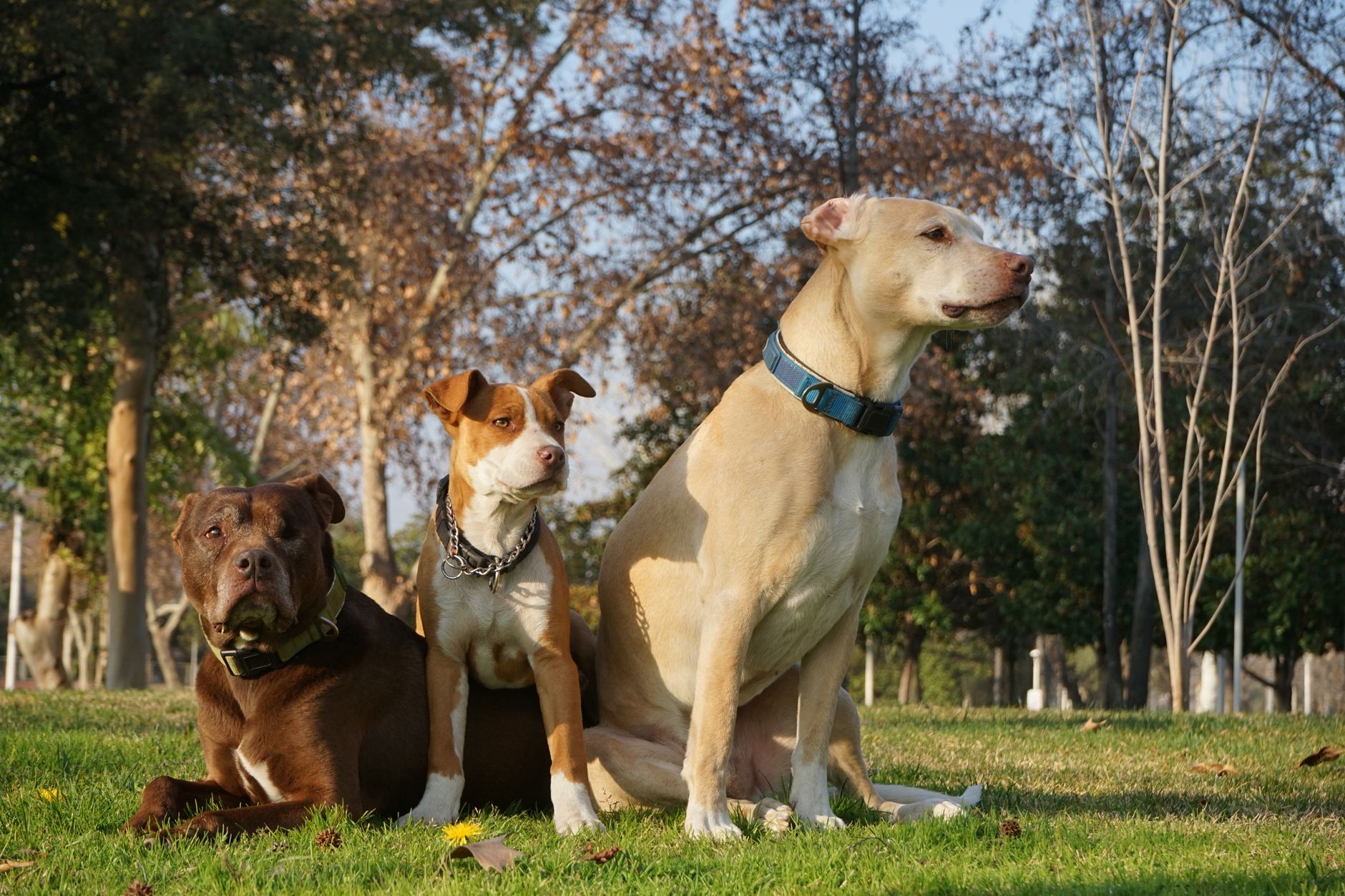
How Do Pitbulls Act In Heat? Understanding Estrus in Pitbulls
Understanding the behavior of a female pitbull in heat is crucial for responsible ownership. How do pitbulls act in heat? A pitbull in heat, medically known as estrus, will exhibit changes in behavior including restlessness, increased urination, and swelling of the vulva, along with attracting male dogs.

Understanding the Canine Estrus Cycle
The canine estrus cycle, often called “heat,” is a recurring reproductive cycle in female dogs. Understanding the different stages is essential to effectively managing a pitbull during this period. The cycle is divided into four main phases: proestrus, estrus, diestrus, and anestrus.
-
Proestrus: This is the initial phase, lasting approximately 7-10 days. During this stage, the vulva swells, and a bloody discharge is present. Male dogs will be attracted, but the female will typically reject them.
-
Estrus: This is the “true heat” stage, lasting about 5-10 days. The discharge lightens to a straw color, and the female is receptive to mating. Ovulation occurs during this phase.
-
Diestrus: Regardless of whether the dog becomes pregnant, this stage lasts approximately 60-90 days. Hormone levels normalize, and physical signs of heat subside.
-
Anestrus: This is the period of reproductive inactivity, lasting several months. The body prepares for the next cycle.
What colours are fish most attracted to?
Can you put your finger in a trout's mouth?
Is methylene blue anti bacterial?
Does aquarium salt raise pH in aquarium?
Behavioral Changes in Pitbulls in Heat

How do pitbulls act in heat? The answer often lies in observing their behavior. The physical and hormonal changes cause a range of behavioral shifts, including:
-
Increased Restlessness: A normally calm pitbull might become agitated, pacing, and generally unsettled.
-
Increased Vocalization: Whining, barking, or other vocalizations may increase as the dog tries to attract attention.
-
Change in Appetite: Some pitbulls might experience a decrease in appetite, while others might eat more.
-
“Flagging”: This behavior involves moving the tail to the side, which exposes the vulva. It is a clear signal of receptivity to mating.
-
Increased Urination: Frequent urination, often in small amounts, is common. This spreads pheromones, which attract male dogs.
-
Affectionate or Aggressive Changes: A pitbull’s demeanor towards humans may change, becoming more affectionate or conversely, more irritable.
Physical Signs of Heat in Pitbulls
Besides behavioral changes, several physical signs indicate that a pitbull is in heat:
-
Swollen Vulva: This is one of the most noticeable signs.
-
Vaginal Discharge: The color and consistency of the discharge change throughout the cycle, starting as bloody and becoming lighter.
-
Increased Licking: The dog may excessively lick the vulva.
-
Mammary Gland Enlargement: Although more prominent in later stages or pregnancy, some subtle swelling of the mammary glands might be observed.
Managing a Pitbull in Heat
Managing a pitbull in heat requires vigilance and preventative measures:
-
Supervision is Key: Never leave a female in heat unattended, especially outdoors. Male dogs can detect a female in heat from significant distances.
-
Secure Confinement: Keep the dog indoors or in a securely fenced area. Ensure the fence is tall and has no gaps.
-
“Doggy Diapers”: These can help manage the vaginal discharge and keep your house clean.
-
Consult with a Veterinarian: Discuss spaying or other management options. Spaying eliminates the heat cycle and prevents unwanted pregnancies.
Debunking Myths About Pitbulls in Heat
Several misconceptions surround pitbulls and the heat cycle:
-
Myth: A female dog should have one litter before being spayed. This is false. There are no health benefits to allowing a dog to have a litter before spaying.
-
Myth: Heat cycles only occur once a year. Pitbulls typically have heat cycles every 6-8 months.
-
Myth: Male dogs will leave a female in heat alone if told. Male dogs will be strongly driven by instinct and ignoring commands if there is a female in heat nearby.
Spaying: A Permanent Solution
Spaying a pitbull eliminates the heat cycle entirely. It also offers other health benefits, including:
-
Prevention of Pyometra: A life-threatening uterine infection.
-
Reduced Risk of Mammary Tumors: Spaying before the first heat cycle significantly reduces the risk.
-
Elimination of Unwanted Pregnancies: A significant benefit for controlling the pet population.
Frequently Asked Questions About Pitbulls in Heat
What age do pitbulls typically go into heat for the first time?
Pitbulls generally experience their first heat cycle between 6 and 12 months of age. This can vary depending on the individual dog’s size, breed, and overall health. It’s important to monitor your young pitbull for signs of heat after they reach six months of age.
How long does a pitbull’s heat cycle typically last?
A complete heat cycle in a pitbull, from the beginning of proestrus to the end of diestrus, typically lasts 2-3 weeks. The estrus, or “true heat,” phase when the female is receptive to mating, lasts about 5-10 days within that overall cycle.
Can pitbulls get pregnant during any part of their heat cycle?
No. Pitbulls are only fertile and able to conceive during the estrus phase of their heat cycle. This is the period when the vaginal discharge lightens in color, and the female becomes receptive to male dogs.
What are the risks of allowing a pitbull to go through multiple heat cycles without breeding?
While there’s no specific harm in a pitbull experiencing heat cycles without breeding, it increases the risk of health problems like pyometra and mammary tumors. Spaying eliminates these risks and prevents unwanted pregnancies.
How can I keep male dogs away from my pitbull when she is in heat?
The most effective method is constant supervision when outdoors and keeping her indoors as much as possible. Make sure your yard is securely fenced with no gaps, and avoid dog parks or areas where off-leash dogs might be present. “Doggy diapers” can help reduce the scent trail.
Are there any medications or supplements that can help reduce the symptoms of heat in pitbulls?
While some herbal supplements are marketed for this purpose, their effectiveness is not scientifically proven, and they may have potential side effects. Consult your veterinarian before using any medication or supplement. Spaying is the most reliable method for eliminating heat cycles and their associated symptoms.
Is it possible for a pitbull to have a silent heat cycle?
Yes, it is possible, although not as common. A “silent heat” occurs when the female ovulates but shows minimal or no outward signs of being in heat. This can make it difficult to determine when she is fertile.
Does spaying affect a pitbull’s personality?
Spaying typically does not significantly alter a pitbull’s personality. Some owners report a slight decrease in aggression in some females, but this is not a universal effect.
What are the signs that a pitbull is coming out of heat?
The signs of a pitbull coming out of heat include a decrease in vaginal discharge, the vulva returning to its normal size, and a decreased interest from male dogs. The dog will also become less receptive to mating.
Can a pitbull be spayed while she is in heat?
Yes, a pitbull can be spayed while she is in heat, but it’s generally not recommended due to the increased risk of complications. The blood supply to the reproductive organs is increased during heat, which can lead to more bleeding during surgery. Most veterinarians prefer to spay a dog when she is not in heat.
How soon after a heat cycle can a pitbull be safely spayed?
Ideally, a pitbull should be spayed 2-3 months after her heat cycle. This allows the reproductive organs to return to their normal size and reduces the risk of complications during surgery.
How do pitbulls act in heat differently from other breeds of dogs?
The behavioral and physical signs of heat are generally similar across all breeds of dogs. However, individual pitbulls may exhibit different levels of intensity in their behaviors. Factors like age, health, and individual temperament play a role. Responsible pitbull ownership requires careful observation and management during the heat cycle.