
How Do Ocean Waves Work? The Definitive Guide
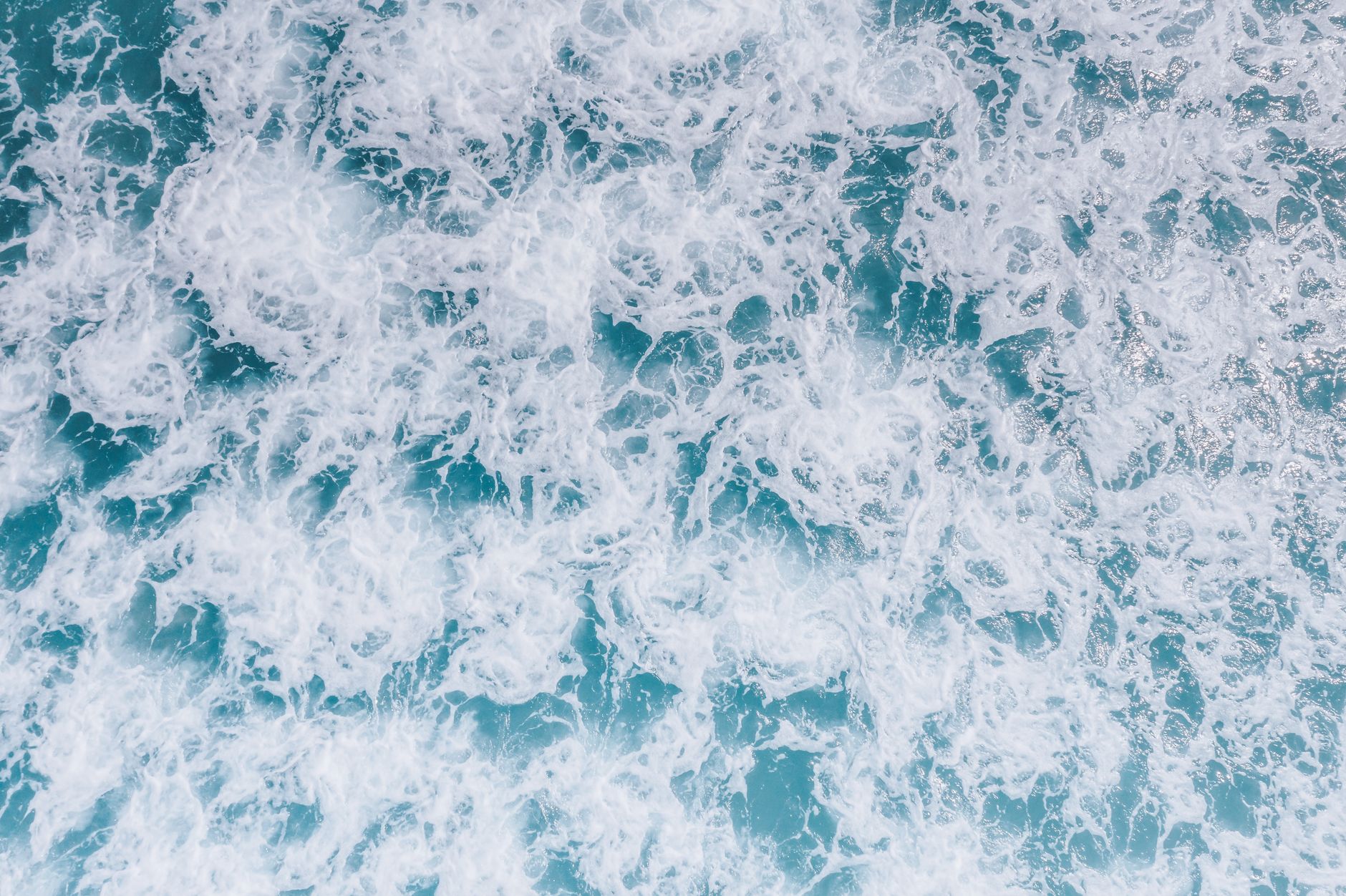
Ocean waves, those captivating undulations of the sea, are primarily generated by wind transferring energy to the water’s surface. This energy creates a cyclical motion within the water, resulting in the rhythmic rise and fall we perceive as waves traveling across the ocean.
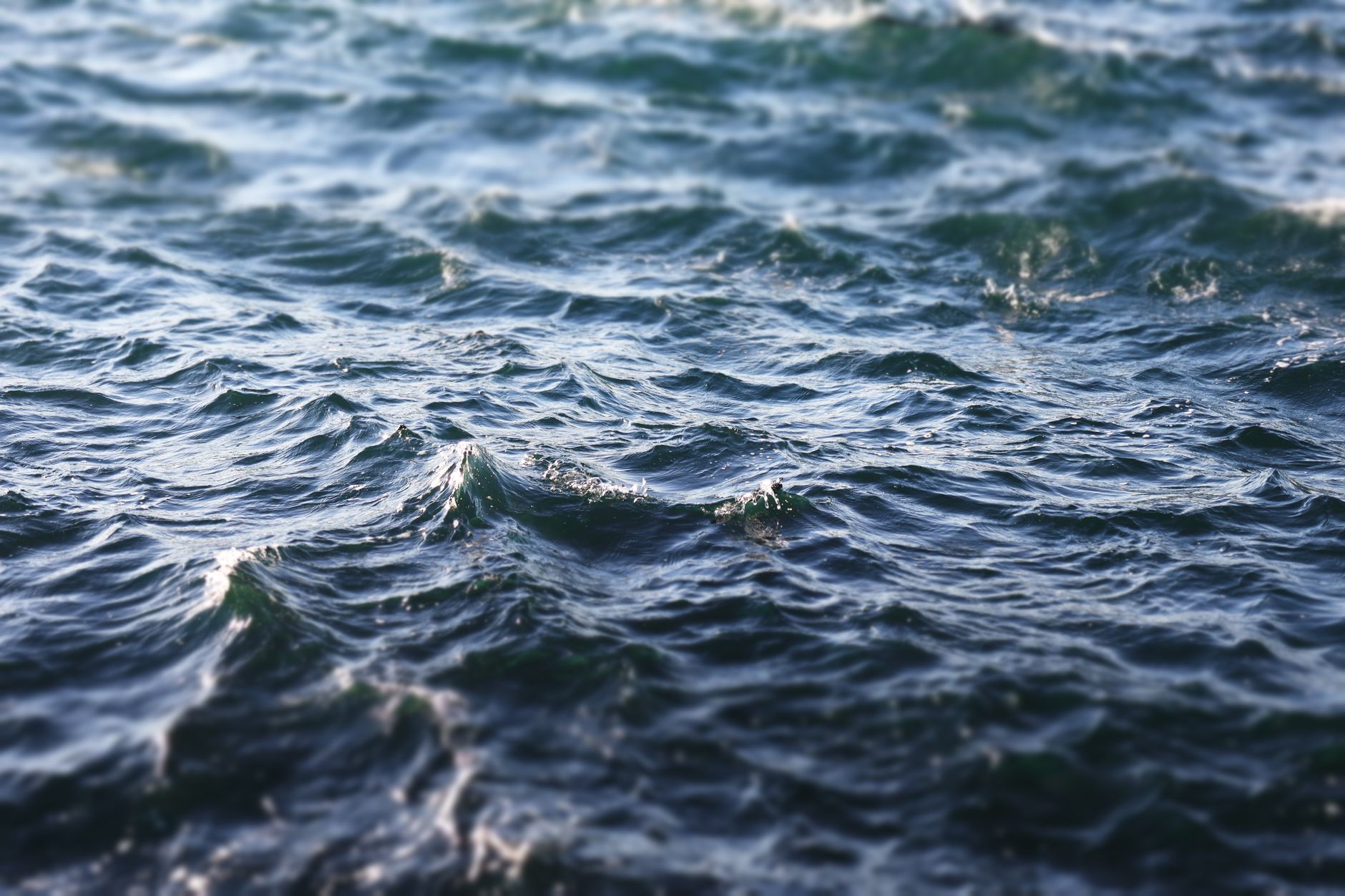
The Anatomy of a Wave
Understanding the different parts of a wave is crucial to grasping their mechanics. Let’s break it down:
- Crest: This is the highest point of the wave.
- Trough: This is the lowest point of the wave.
- Wave Height: The vertical distance between the crest and the trough.
- Wavelength: The horizontal distance between two successive crests or troughs.
- Wave Period: The time it takes for two successive crests (or troughs) to pass a fixed point.
- Wave Frequency: The number of waves that pass a fixed point in a given amount of time, usually measured in Hertz (Hz).
Crucially, while the wave appears to move horizontally, the water particles themselves primarily move in a circular motion. Imagine a cork floating on the water’s surface; it will bob up and down, and slightly forward and backward, but it doesn’t travel far horizontally with the wave. This circular motion diminishes with depth, becoming negligible at a depth approximately equal to half the wavelength. This depth is known as the wave base.
The Genesis of Waves: Wind and Beyond
While wind is the most common cause, other factors can generate waves.
Wind-Generated Waves
The size of wind-generated waves depends on three key factors:
- Wind Speed: Stronger winds create larger waves.
- Wind Duration: The longer the wind blows, the more energy is transferred to the water.
- Fetch: The distance over which the wind blows in a consistent direction. A larger fetch allows for the development of larger waves.
These three factors combine to determine the sea state, which describes the overall condition of the ocean surface. When winds are strong and consistent over a large fetch, large, well-formed waves known as swell develop. Swell waves can travel thousands of miles across the ocean, eventually reaching distant shores.

What colours are fish most attracted to?
Can you put your finger in a trout's mouth?
Is methylene blue anti bacterial?
Does aquarium salt raise pH in aquarium?
Other Wave-Generating Forces

While wind is the dominant force, other phenomena can create waves:
- Seismic Activity: Earthquakes, underwater landslides, and volcanic eruptions can generate tsunamis, also known as seismic sea waves. These waves have extremely long wavelengths (often hundreds of kilometers) and can travel at incredible speeds, posing a significant threat to coastal communities.
- Gravitational Forces: The gravitational pull of the Moon and Sun on the Earth’s oceans causes tides. Tides are technically very long-period waves.
- Ships and Marine Animals: Passing ships can create wakes, which are smaller waves radiating outward from the vessel. Large marine animals, like whales, can also generate small, localized waves.
Wave Transformation: From Deep Water to the Shore
As waves approach the shore, they undergo significant transformations.
Shoaling
In deep water, waves travel with relatively little interaction with the seabed. However, as they enter shallower water (where the depth is less than half the wavelength), they begin to “feel” the bottom. This process, known as shoaling, causes the following changes:
- Wave Speed Decreases: The interaction with the seabed slows the wave down.
- Wavelength Decreases: As the speed decreases, the wavelength also shortens.
- Wave Height Increases: The energy of the wave is compressed into a smaller volume of water, causing the wave height to increase.
Breaking
Eventually, the wave becomes too steep to support itself, and it breaks. The type of breaking wave depends on the slope of the seabed:
- Spilling Breakers: These occur on gently sloping beaches. The crest of the wave spills forward in a foamy cascade. They are generally less powerful and better for beginner surfers.
- Plunging Breakers: These occur on moderately sloping beaches. The crest of the wave curls over and plunges downward with considerable force. They are popular with experienced surfers.
- Surging Breakers: These occur on steep beaches. The wave doesn’t break in the traditional sense but surges up the beach. They can be dangerous due to their force.
FAQ: Unveiling the Mysteries of Waves
1. What is the difference between a wave and a current?
A wave is primarily an energy transfer mechanism, where the water particles move in a circular motion with limited horizontal displacement. A current, on the other hand, is a horizontal movement of water, transporting a mass of water from one location to another.
2. How are rogue waves formed?
Rogue waves are unusually large and unpredictable waves that can appear suddenly in the open ocean. They are often thought to be caused by constructive interference, where multiple waves combine to create a much larger wave. Other factors, such as strong currents and winds, can also contribute to their formation.
3. Can waves be used to generate energy?
Yes, wave energy converters (WECs) are devices designed to harness the energy of ocean waves and convert it into electricity. Several different types of WECs exist, each with its own advantages and disadvantages. Wave energy is a promising renewable energy source, although it is still in the early stages of development.
4. What is the Beaufort Wind Scale, and how does it relate to wave height?
The Beaufort Wind Scale is a scale that relates wind speed to observed conditions at sea or on land. It ranges from 0 (calm) to 12 (hurricane force). Higher Beaufort numbers correspond to stronger winds and, consequently, larger wave heights.
5. Why are some waves larger than others?
As mentioned earlier, wind speed, wind duration, and fetch are the primary factors determining wave size. However, other factors, such as water depth, seabed topography, and interactions with currents, can also influence wave height.
6. How do scientists measure wave height?
Scientists use various methods to measure wave height, including:
- Buoys: Instrumented buoys deployed in the ocean can measure wave height, period, and direction.
- Satellites: Satellites equipped with radar altimeters can measure the height of the sea surface from space.
- Pressure Sensors: Pressure sensors deployed on the seabed can measure changes in pressure caused by passing waves.
- Visual Observation: Trained observers can estimate wave height visually, although this method is less accurate.
7. What is the difference between swell and sea?
Swell refers to waves that have traveled away from their generating area. They are characterized by their long wavelengths, regular shape, and relatively low steepness. Sea, on the other hand, refers to waves that are actively being generated by local winds. They are often choppy, irregular, and have a mix of different wavelengths and heights.
8. How do waves affect coastal erosion?
Waves are a major driver of coastal erosion. The constant pounding of waves on the shoreline can wear away rocks and sediments over time. Strong storms and high waves can cause significant erosion in a short period.
9. What is wave refraction?
Wave refraction is the bending of waves as they approach the shore. This bending occurs because waves travel at different speeds in different depths of water. Waves tend to bend toward areas where the water is shallower. This effect can concentrate wave energy on headlands and cause erosion.
10. What is wave diffraction?
Wave diffraction is the bending of waves around obstacles, such as islands or breakwaters. This bending allows waves to spread into areas that would otherwise be sheltered from the waves.
11. How do tides affect wave action?
Tides can significantly affect wave action. At high tide, waves can reach higher up the beach, potentially causing more erosion. At low tide, waves may break further offshore, reducing their impact on the shoreline.
12. What precautions should I take when swimming or surfing in the ocean?
Always swim at beaches with lifeguards present and obey their instructions. Be aware of rip currents, which are strong currents that can pull swimmers away from the shore. Learn how to identify and escape rip currents. Check the surf report before surfing and be aware of your own abilities and limitations. Never swim or surf alone. Always inform someone of your plans and expected return time. Wear appropriate safety gear, such as a life jacket or leash.
Understanding the complexities of ocean waves is essential for appreciating the power and beauty of the marine environment, as well as for mitigating the risks associated with coastal hazards. By learning about the different factors that influence wave behavior, we can better protect ourselves and our communities from the impacts of these dynamic forces.