
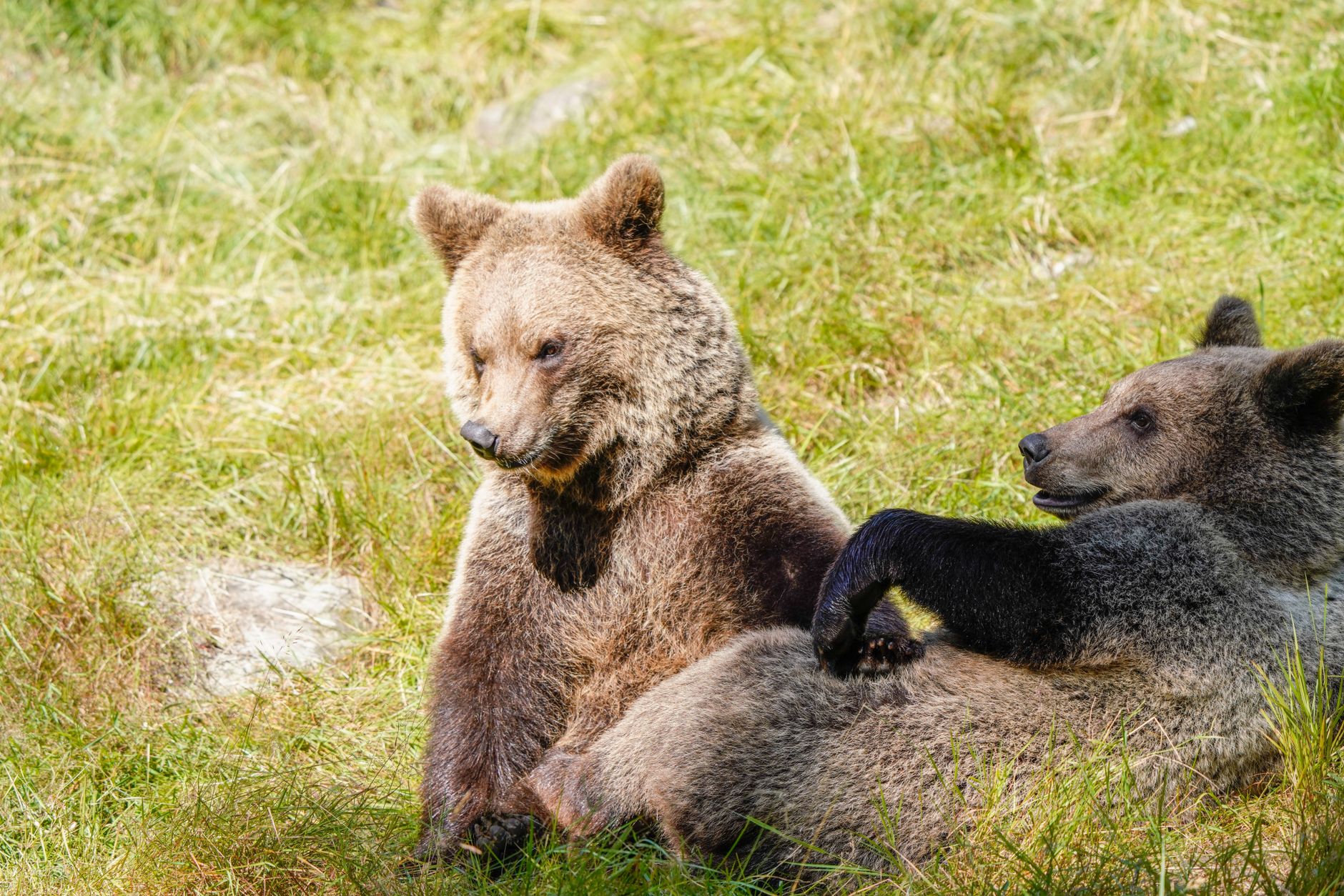
How Grizzly Bears Benefit Humans: Unveiling the Surprising Ecosystem Services
Grizzly bears offer significant, often unrecognized, benefits to humans by maintaining healthy ecosystems, driving ecotourism revenue, and contributing to scientific understanding of wildlife management and conservation.

Introduction: Beyond the Fear Factor
Grizzly bears. The very name conjures images of raw power, untamed wilderness, and potential danger. For many, their perception is shaped by fear and a need for separation. However, a deeper look reveals a more nuanced picture: grizzlies are not simply apex predators, but crucial components of healthy ecosystems, offering a range of benefits to humans that extend far beyond simple co-existence. This article explores how do grizzly bears benefit humans?, delving into the intricate ways they contribute to our well-being and the health of the planet.

What colours are fish most attracted to?
Can you put your finger in a trout's mouth?
Is methylene blue anti bacterial?
Does aquarium salt raise pH in aquarium?
The Keystone Species Role

Grizzly bears are considered a keystone species, meaning their presence has a disproportionately large impact on their environment. Their actions ripple through the food web, influencing plant and animal populations in profound ways.
- Seed Dispersal: Grizzly bears are prodigious eaters of berries. As they travel, they disperse seeds far and wide, helping to maintain plant diversity and forest regeneration.
- Nutrient Cycling: Their digging for roots and insects aerates the soil, improving its fertility and promoting plant growth. They also redistribute nutrients from salmon carcasses inland, enriching the soil with marine-derived nitrogen.
- Predator-Prey Dynamics: By preying on large mammals like elk and deer, grizzlies help regulate their populations, preventing overgrazing and maintaining the health of grasslands and forests. This prevents any one species from dominating and outcompeting others.
Economic Benefits: Ecotourism and Beyond
The presence of grizzly bears can be a significant boon to local economies, primarily through ecotourism.
- Wildlife Viewing: Many people travel to grizzly bear habitats specifically to observe these magnificent animals in their natural environment. This generates revenue for local businesses, including hotels, restaurants, tour operators, and guides. Yellowstone and Glacier National Parks, for example, derive substantial economic benefits from grizzly bear tourism.
- Hunting Revenue: In areas where sustainable hunting is permitted, regulated grizzly bear hunts can generate revenue for wildlife management agencies and local communities. However, this must be carefully managed to ensure the long-term sustainability of the bear population.
Ecological Indicators and Scientific Value
Grizzly bears serve as ecological indicators, providing valuable insights into the health of their ecosystems. Their population trends and behavior can reflect changes in habitat quality, prey availability, and climate.
- Monitoring Programs: Scientists closely monitor grizzly bear populations to assess the overall health of the environment. Changes in their diet, reproductive success, or movement patterns can signal potential problems that need to be addressed.
- Genetic Research: Studying the genetic diversity of grizzly bear populations helps scientists understand their evolutionary history, track their movements, and identify populations at risk of extinction.
- Conservation Strategies: Data gathered from grizzly bear research informs conservation strategies aimed at protecting their habitat and ensuring their long-term survival. This, in turn, benefits countless other species that share the same ecosystems.
Mitigation of Human-Wildlife Conflict: Prevention is Key
While grizzly bears offer many benefits, human-wildlife conflict is a serious concern. Minimizing these conflicts is crucial for both human safety and bear conservation.
- Proper Food Storage: Securely storing food and garbage is essential in bear country to prevent bears from becoming habituated to human food sources. Bear-resistant containers and proper waste management practices are critical.
- Education and Awareness: Educating the public about bear behavior, safety precautions, and responsible backcountry practices is vital for reducing the risk of encounters.
- Habitat Management: Protecting and restoring grizzly bear habitat, particularly important food sources, helps reduce the likelihood of bears venturing into human-dominated areas in search of food.
- Bear Spray: Carrying and knowing how to use bear spray can be an effective deterrent in the event of a close encounter.
Challenges and Considerations
Successfully managing grizzly bear populations and maximizing their benefits requires addressing several challenges:
| Challenge | Description |
|---|---|
| :————————— | :————————————————————————————————– |
| Habitat Loss and Fragmentation | Human development, logging, and mining can fragment grizzly bear habitat, limiting their range and access to food. |
| Climate Change | Changes in temperature and precipitation can affect grizzly bear food sources and habitat availability. |
| Human-Wildlife Conflict | As human populations grow and expand into bear country, the potential for conflict increases. |
| Poaching | Illegal hunting of grizzly bears remains a threat in some areas. |
Successfully addressing how do grizzly bears benefit humans? requires a multifaceted approach that includes habitat protection, conflict mitigation, and public education.
Frequently Asked Questions (FAQs)
Are grizzly bears dangerous to humans?
While grizzly bears are powerful animals and capable of inflicting serious injury, attacks on humans are relatively rare. The risk of an attack can be minimized by taking appropriate safety precautions, such as storing food properly, making noise while hiking, and carrying bear spray.
What is the difference between a grizzly bear and a black bear?
Grizzly bears are generally larger than black bears, with a prominent shoulder hump and a dish-shaped face. They also have longer claws, which are well-suited for digging. Grizzly bears are typically found in more mountainous and open habitats than black bears.
How do grizzly bears contribute to healthy salmon runs?
Grizzly bears play a vital role in transporting salmon nutrients from streams and rivers into the surrounding forests. As they consume salmon, they leave behind carcasses and partially eaten fish, which decompose and fertilize the soil, benefiting plant growth and the entire ecosystem.
What is the best way to avoid a grizzly bear encounter?
The best way to avoid an encounter is to be aware of your surroundings, make noise while hiking, hike in groups, and avoid areas with dense vegetation where bears may be present. Always store food properly and never approach a bear.
What should I do if I encounter a grizzly bear?
If you encounter a grizzly bear, remain calm and avoid making sudden movements. Slowly back away while speaking in a calm voice. If the bear charges, use bear spray. If the bear attacks, fight back aggressively, focusing on the face and eyes.
How are grizzly bear populations managed?
Grizzly bear populations are managed by state and federal wildlife agencies through a combination of habitat protection, hunting regulations (where permitted), and conflict mitigation strategies. The goal is to maintain healthy and sustainable populations while minimizing conflicts with humans.
What are some threats to grizzly bear populations?
Major threats include habitat loss and fragmentation, climate change, human-wildlife conflict, and poaching. Protecting and restoring grizzly bear habitat is crucial for their long-term survival.
How can I help protect grizzly bears?
You can help by supporting organizations that work to protect grizzly bear habitat, practicing responsible backcountry ethics, and advocating for policies that promote bear conservation. Educating others about the importance of grizzly bears is also essential.
Do grizzly bears hibernate?
Yes, grizzly bears hibernate during the winter months to conserve energy when food is scarce. They typically den in caves, hollow logs, or excavated burrows. During hibernation, their heart rate and body temperature significantly decrease.
How long do grizzly bears live?
Grizzly bears can live for 20-25 years in the wild. Their lifespan depends on factors such as habitat quality, food availability, and the risk of human-caused mortality.
What is the current conservation status of grizzly bears?
Grizzly bears are currently listed as threatened in the lower 48 states. Some populations have recovered significantly in recent decades, but they still face numerous threats, including habitat loss and human-caused mortality.
How does climate change affect grizzly bears?
Climate change can affect grizzly bears by altering their food sources, reducing their habitat, and increasing the risk of wildfires. Warmer temperatures can lead to earlier snowmelt, which can disrupt their hibernation patterns and affect the timing of their breeding season. Understanding how do grizzly bears benefit humans? requires us to recognize that these benefits are inherently linked to the well-being of the species itself.