

How Eagles Teach Their Babies to Fly: A Soaring Education
Eagles don’t simply push their young from the nest; instead, they employ a multifaceted approach involving gradual encouragement, demonstration, and controlled risk, ultimately teaching their eaglets how do eagles teach their babies to fly effectively and safely.

The Nest: A Foundation for Flight
The journey to becoming a skilled aerial predator begins long before an eaglet takes its first clumsy hop. The nest itself, often a massive structure called an eyrie, serves as a crucial classroom. Constructed high in trees or on cliffs, these nests offer protection from predators and the elements, providing a secure environment for eaglets to develop their strength and coordination.

What colours are fish most attracted to?
Can you put your finger in a trout's mouth?
Is methylene blue anti bacterial?
Does aquarium salt raise pH in aquarium?
Gradual Wing Exercise: Building Strength
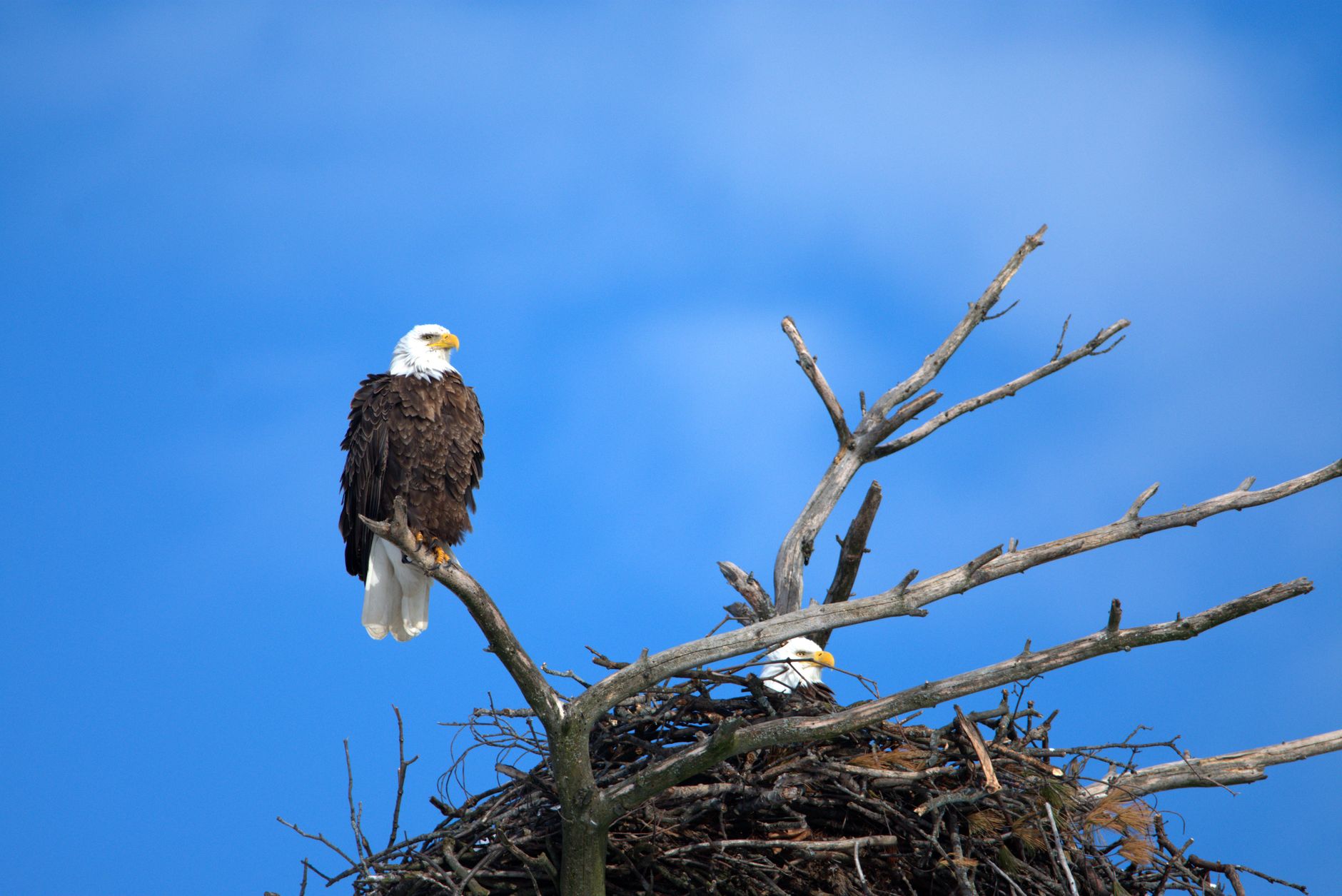
Even within the confines of the nest, eaglets begin preparing for flight. Key behaviors include:
- Wing flapping: Eaglets begin flapping their wings early on, initially as a reflexive action, gradually developing into deliberate exercises. This builds the muscles necessary for sustained flight.
- Branch hopping: As they grow, eaglets will start hopping between branches near the nest, further strengthening their legs and improving their balance.
- Preening: Maintaining feather health is essential for efficient flight. Eaglets spend considerable time preening, learning to keep their plumage clean and properly aligned.
This stage is crucial in building the physical foundation necessary for successful flight. Eagles do not instantly know how do eagles teach their babies to fly; the learning is gradual.
The Demonstration Phase: Leading by Example
Adult eagles play a vital role in demonstrating the techniques of flight. They will:
- Soar near the nest: This allows the eaglets to observe their parents’ flight patterns, learning about thermals, wind currents, and maneuvering techniques.
- Bring food in flight: Parents often bring food back to the nest while demonstrating aerial acrobatics, further inspiring and teaching their young.
- Vocalizations: Eagles use specific calls to encourage their offspring and communicate about potential dangers or opportunities.
This demonstration phase provides crucial visual and auditory cues, showing the eaglets what to expect when they eventually leave the nest.
The “Forced Fledging”: Controlled Risk
While the term “forced fledging” might sound harsh, it’s a natural and necessary part of the process. It’s another stage in answering, how do eagles teach their babies to fly? This involves the parent eagles:
- Withholding food: Parents may gradually reduce the amount of food they bring to the nest, encouraging the eaglets to venture out in search of sustenance.
- Luring from the nest: Adults may fly around the nest with food, enticing the eaglets to follow.
- Physically nudging: In some cases, parents may gently nudge their offspring towards the edge of the nest, encouraging them to take that first leap.
These actions, while seemingly risky, are carefully calculated to encourage the eaglets to overcome their fear and discover their own flying abilities. It’s less about “forcing” and more about providing a controlled push towards independence.
Learning to Hunt: Becoming Self-Sufficient
Once an eaglet has fledged, the learning process continues. The adult eagles will:
- Show them how to spot prey: Eagles will fly with their young, pointing out potential food sources.
- Demonstrate hunting techniques: Parents will demonstrate how to dive, snatch prey from the water, and carry it back to a safe location.
- Provide support and guidance: The adults will continue to feed the eaglets and offer guidance until they are fully capable of hunting on their own.
This final stage ensures that the young eagles develop the skills and knowledge necessary to survive and thrive in the wild. The process of how do eagles teach their babies to fly is therefore a complex and extended process.
The Eagle’s Progress in Phases
| Phase | Description | Key Activities |
|---|---|---|
| Nest Preparation | Establishing a safe and secure environment for growth and development. | Nest building, providing protection from predators and weather. |
| Muscle Building | Developing the physical strength and coordination necessary for flight. | Wing flapping, branch hopping, preening. |
| Demonstration | Learning by observing and imitating adult flight patterns. | Soaring near the nest, bringing food in flight, vocalizations. |
| Encouraged Fledging | Taking the first leap and discovering independent flight. | Withholding food, luring from the nest, gentle nudging. |
| Hunting Skills | Acquiring the knowledge and techniques necessary to find and capture prey. | Spotting prey, demonstrating hunting techniques, providing support and guidance. |
FAQ: How long does it take an eaglet to learn to fly?
It typically takes an eaglet around 10 to 12 weeks from hatching to fully fledging and learning to fly. This period includes the muscle-building phase in the nest and the initial fledging attempts. This is just the beginning however, as independent survival and mastering their flight skills will take far longer.
FAQ: Do all eaglets successfully learn to fly?
Unfortunately, not all eaglets survive to adulthood. Factors such as injuries, disease, and lack of food can contribute to mortality. However, parent eagles provide the best possible care and support to maximize their offspring’s chances of success.
FAQ: What happens if an eaglet falls out of the nest before it can fly?
If an eaglet falls from the nest, its chances of survival are significantly reduced. If discovered and unharmed, wildlife rehabilitators may attempt to return the eaglet to its nest or provide care until it is able to fly. However, the best outcome is always prevention, which is why the parents guard the nests closely.
FAQ: How high can eagles fly?
Eagles are known for their impressive soaring abilities and can reach altitudes of up to 10,000 feet (3,000 meters). They utilize thermals, rising columns of warm air, to gain altitude with minimal effort.
FAQ: What do eagles eat?
Eagles are primarily carnivores, with a diet consisting mainly of fish, but also including birds, reptiles, and small mammals. Their diet depends on their location and the availability of prey.
FAQ: How do eagles find their prey?
Eagles possess exceptional eyesight, estimated to be four to five times sharper than that of a human. This allows them to spot prey from great distances, both in the air and on the ground or in the water.
FAQ: Do eagles migrate?
Some eagle populations migrate seasonally in search of food or suitable breeding grounds. Migration patterns vary depending on the species and geographic location. Some eagles remain in the same territory year-round.
FAQ: How long do eagles live?
In the wild, eagles can live for 20 to 30 years. In captivity, they can live even longer, sometimes exceeding 50 years.
FAQ: How do eagles build their nests?
Eagles build massive nests, called eyries, using sticks, branches, and other materials. They often add to the nest each year, resulting in structures that can weigh hundreds of pounds. It’s an integral part of answering, how do eagles teach their babies to fly, since this is the initial classroom.
FAQ: Are eagles endangered?
While some eagle species are still considered threatened or endangered, many populations have recovered significantly thanks to conservation efforts. The bald eagle, for example, was once on the brink of extinction in the United States but has made a remarkable comeback.
FAQ: Do eagles mate for life?
Many eagle pairs mate for life, remaining together for decades and returning to the same nesting territory each year. However, if one member of the pair dies, the surviving eagle will usually find a new mate.
FAQ: How can I help protect eagles?
You can help protect eagles by supporting conservation organizations, protecting their habitat, and avoiding the use of pesticides that can harm their prey. Education about the importance of eagles and their role in the ecosystem is also crucial.