

How Do Dogs Smell Humans? Unlocking the Canine Olfactory World
Dogs smell humans through a complex combination of their remarkably sensitive noses, specialized olfactory receptors, and a dedicated part of their brain specifically for processing scents, allowing them to detect individuals, their emotions, and even their health conditions with astonishing accuracy. How do dogs smell humans? They do it with an amazing olfactory system!
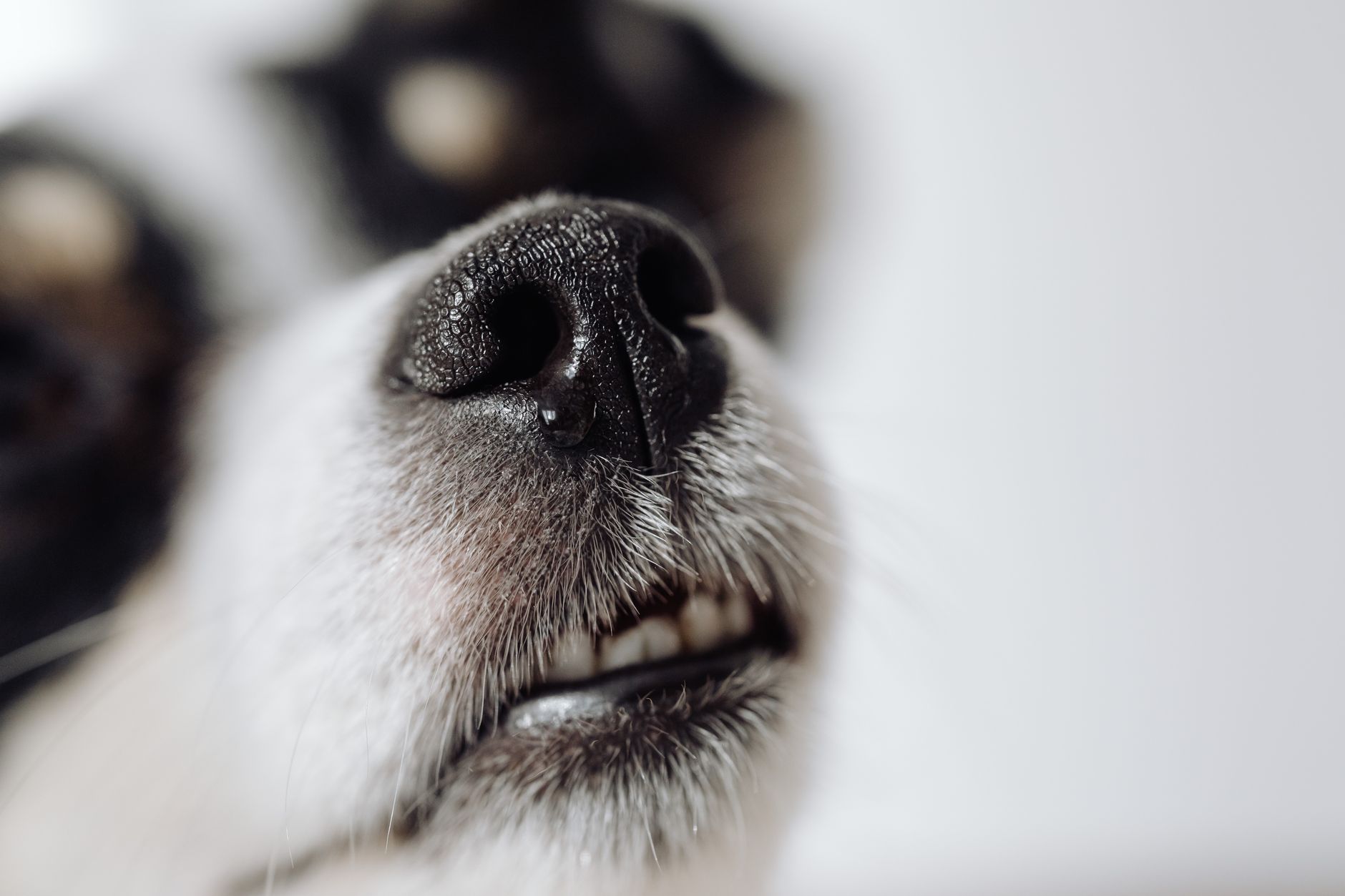
Introduction: The Canine Olfactory Powerhouse
The world as we perceive it through sight and sound is a completely different landscape for dogs. For them, the world is a vibrant tapestry woven from scents. Their sense of smell is not just better than ours; it’s fundamentally different. Understanding how dogs smell humans and the world around them is crucial to appreciating their unique perspective and strengthening our bond with these incredible animals. This olfactory prowess is so profound that dogs can detect minute traces of substances, differentiate between individuals based on their unique scent profiles, and even sniff out diseases. It’s a capability that has been harnessed for centuries, from hunting and tracking to detecting explosives and medical conditions.

What colours are fish most attracted to?
Can you put your finger in a trout's mouth?
Is methylene blue anti bacterial?
Does aquarium salt raise pH in aquarium?
The Amazing Canine Nose: Structure and Function
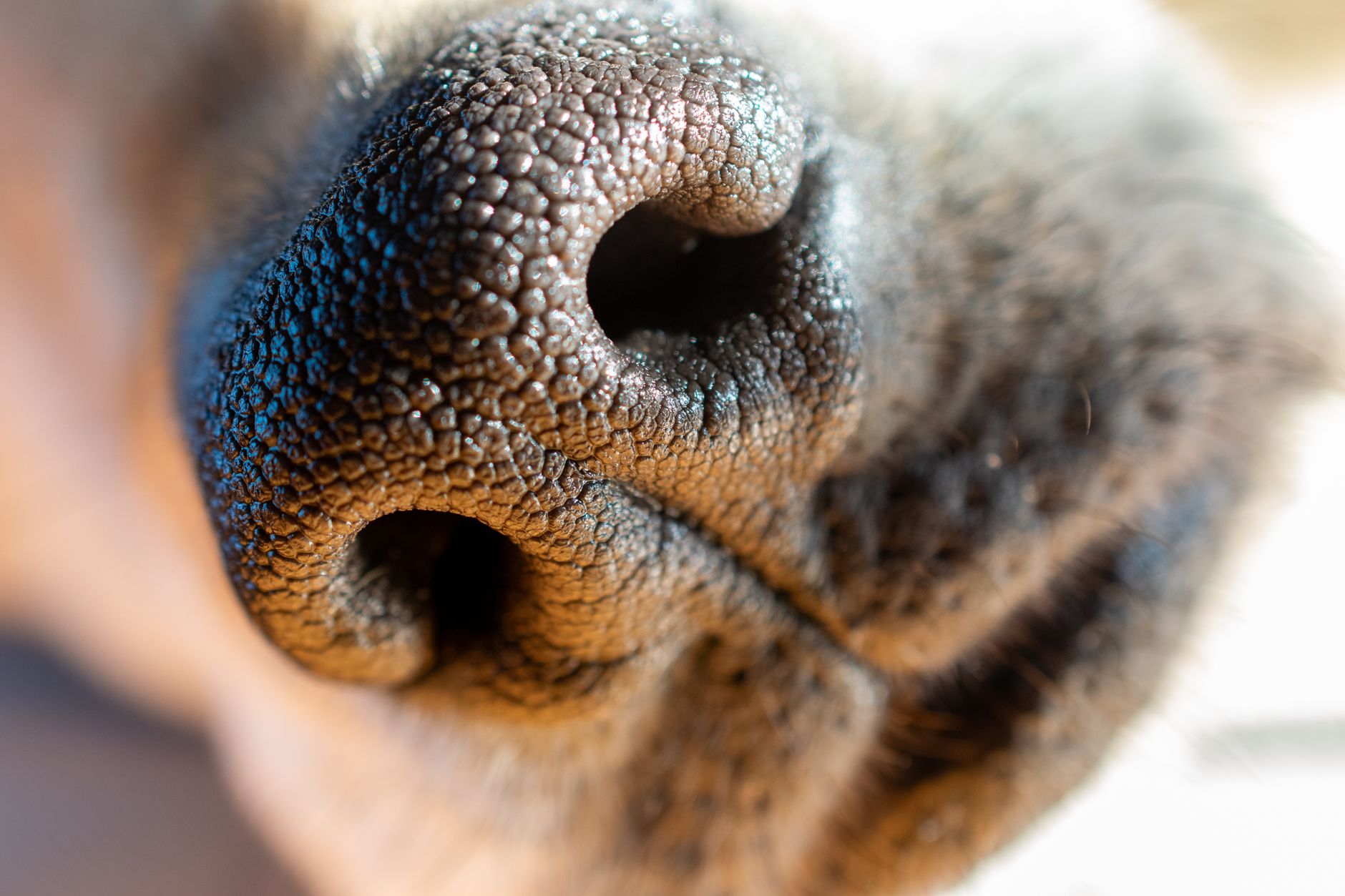
The dog’s nose is not simply a larger version of our own; it’s a highly specialized organ designed for optimal scent detection. The key to understanding how do dogs smell humans lies in its intricate architecture.
-
Nostrils (Nares): Unlike humans, dogs have slits on the sides of their nostrils, allowing air to enter and exit independently. This enables them to sniff continuously without disrupting their airflow.
-
Nasal Cavity: The nasal cavity is significantly larger and more complex in dogs than in humans. It contains structures called turbinates, which are covered in olfactory receptors.
-
Olfactory Receptors: Dogs possess millions of olfactory receptors – up to 300 million, compared to our measly 5 or 6 million. These receptors bind to odor molecules, triggering a signal that is sent to the brain. The sheer number of receptors accounts for a large part of their superior olfactory ability.
-
The Vomeronasal Organ (Jacobson’s Organ): This specialized organ is located in the nasal cavity and detects pheromones, chemical signals that play a crucial role in social communication and mate selection.
-
Separate Air Pathways: When a dog sniffs, air splits into two pathways. One pathway goes to the lungs for respiration, while the other directs air over the olfactory receptors for scent analysis. This allows them to breathe and analyze scents simultaneously.
The Brain’s Olfactory Processing Center
The olfactory bulb, the part of the brain responsible for processing smells, is significantly larger in dogs than in humans – about 40 times larger, relative to brain size. This dedicated processing power allows dogs to not only detect a wider range of scents but also to discriminate between them with incredible accuracy. Their brains can identify and separate even subtle differences in odor molecules, enabling them to distinguish between individual people based on their unique scent “fingerprint.” This sophisticated brain processing further enhances their ability to understand how do dogs smell humans.
How Do Dogs “See” with Their Noses?
Dogs don’t just smell; they “see” the world through scent. They build a mental image of their surroundings based on the olfactory information they gather. This “scent picture” can reveal details about:
-
Identity: Each person has a unique scent profile influenced by genetics, diet, hygiene, and even their emotional state. Dogs can use this information to identify individuals, even if they haven’t seen them in a long time.
-
Emotions: Humans release different pheromones and volatile organic compounds (VOCs) when they experience various emotions like fear, stress, or happiness. Dogs can detect these subtle scent changes and respond accordingly.
-
Health: Dogs can be trained to detect diseases like cancer, diabetes, and Parkinson’s disease by sniffing out specific VOCs released by the body.
The Science of Scent Tracking
Scent tracking is a testament to the remarkable capabilities of a dog’s nose. The process involves:
- Initial Scent Imprint: The dog is presented with an object or scent sample belonging to the person or animal they are tracking.
- Following the Scent Trail: The dog follows the scent trail, constantly comparing the scent molecules to the initial imprint.
- Filtering out Background Odors: The dog must filter out competing odors and focus on the specific scent they are tracking.
- Persistence and Determination: Tracking can be challenging, requiring the dog to overcome obstacles and navigate complex environments.
This skill relies heavily on their ability to differentiate incredibly subtle differences in scent, a testament to the way how do dogs smell humans or other animals, and how sophisticated their scent processing abilities are.
Factors Affecting a Dog’s Sense of Smell
Several factors can influence a dog’s sense of smell, including:
- Breed: Some breeds, like Bloodhounds and German Shepherds, are known for their exceptional olfactory abilities due to selective breeding.
- Age: A dog’s sense of smell can decline with age, similar to how human senses decline.
- Health: Nasal infections, allergies, and other health problems can temporarily or permanently impair a dog’s sense of smell.
- Environment: Strong odors, air pollution, and humidity can affect a dog’s ability to detect and discriminate between scents.
Table: Comparing Human and Canine Olfactory Capabilities
| Feature | Humans | Dogs |
|---|---|---|
| Olfactory Receptors | ~5-6 million | ~100-300 million |
| Olfactory Bulb Size | Small | Large |
| Scent Discrimination | Limited | Highly Sensitive |
| Scent Tracking | Virtually Nonexistent | Highly Developed |
Frequently Asked Questions (FAQs)
How much better is a dog’s sense of smell than a human’s?
A dog’s sense of smell is estimated to be between 10,000 and 100,000 times more sensitive than a human’s. This means they can detect scents at incredibly low concentrations that we wouldn’t even be aware of.
Can dogs smell fear?
Yes, dogs can likely smell fear. When humans are afraid, they release hormones like adrenaline and cortisol, as well as other volatile organic compounds (VOCs), that dogs can detect.
Can dogs smell emotions other than fear?
Absolutely. Dogs can detect a range of emotions, including happiness, sadness, and anxiety, based on subtle changes in human body odor caused by hormonal and chemical shifts.
Can dogs smell cancer?
Yes, dogs can be trained to detect certain types of cancer by sniffing out specific VOCs associated with cancerous cells. They are used in some experimental screening programs.
Can dogs smell periods?
While not definitively proven, many anecdotal reports suggest that dogs can detect changes in a woman’s scent during menstruation due to hormonal fluctuations.
How far away can a dog smell a human?
The distance a dog can smell a human depends on several factors, including wind, humidity, and the concentration of the scent. In ideal conditions, some dogs can detect a scent several miles away.
Why do dogs sniff each other’s butts?
This is a crucial form of communication for dogs. The anal glands contain unique scent markers that provide information about an individual’s identity, health, and even their emotional state.
Do all dog breeds have the same sense of smell?
No. Some breeds, such as Bloodhounds, German Shepherds, and Beagles, are renowned for their exceptional olfactory abilities due to selective breeding for scent work.
How can I improve my dog’s scent work abilities?
You can engage your dog in scent work activities like nose work games, tracking exercises, and scent discrimination training. These activities provide mental stimulation and enhance their natural abilities.
What is nose work training?
Nose work is a dog sport that simulates the work of detection dogs. Dogs are trained to find specific scents hidden in various environments, providing a fun and challenging activity.
Can puppies smell as well as adult dogs?
A puppy’s sense of smell is still developing, so it’s not as acute as an adult dog’s. Their olfactory abilities improve as they mature.
Are there any scents that dogs dislike?
Yes, certain scents are commonly disliked by dogs, including citrus, chili peppers, vinegar, and mothballs. These scents can be overwhelming or irritating to their sensitive noses.
Understanding how dogs smell humans, and the world around them, offers a glimpse into a sensory world vastly different from our own. It reveals the complexity and power of the canine olfactory system, a truly remarkable adaptation that shapes their perception and behavior.