
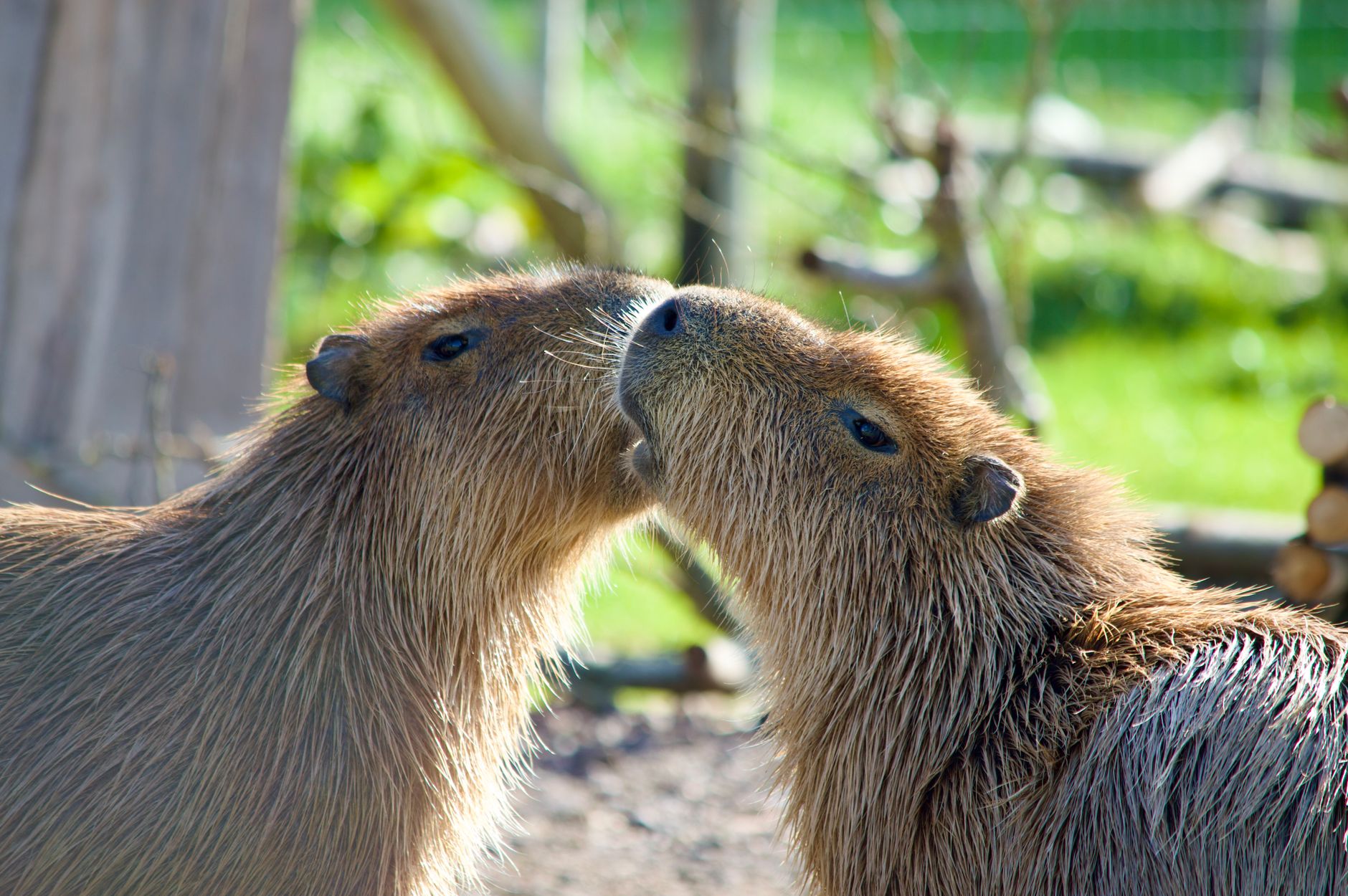
How do Capybaras Go To The Bathroom? A Deep Dive into Capybara Excretion
Capybaras, the world’s largest rodents, have a surprisingly complex relationship with their waste. How do capybaras go to the bathroom? They primarily defecate and urinate in or near water, a behavior likely driven by social signaling and predator avoidance, and they sometimes even eat their own poop.
Capybaras: A Background on Semi-Aquatic Living
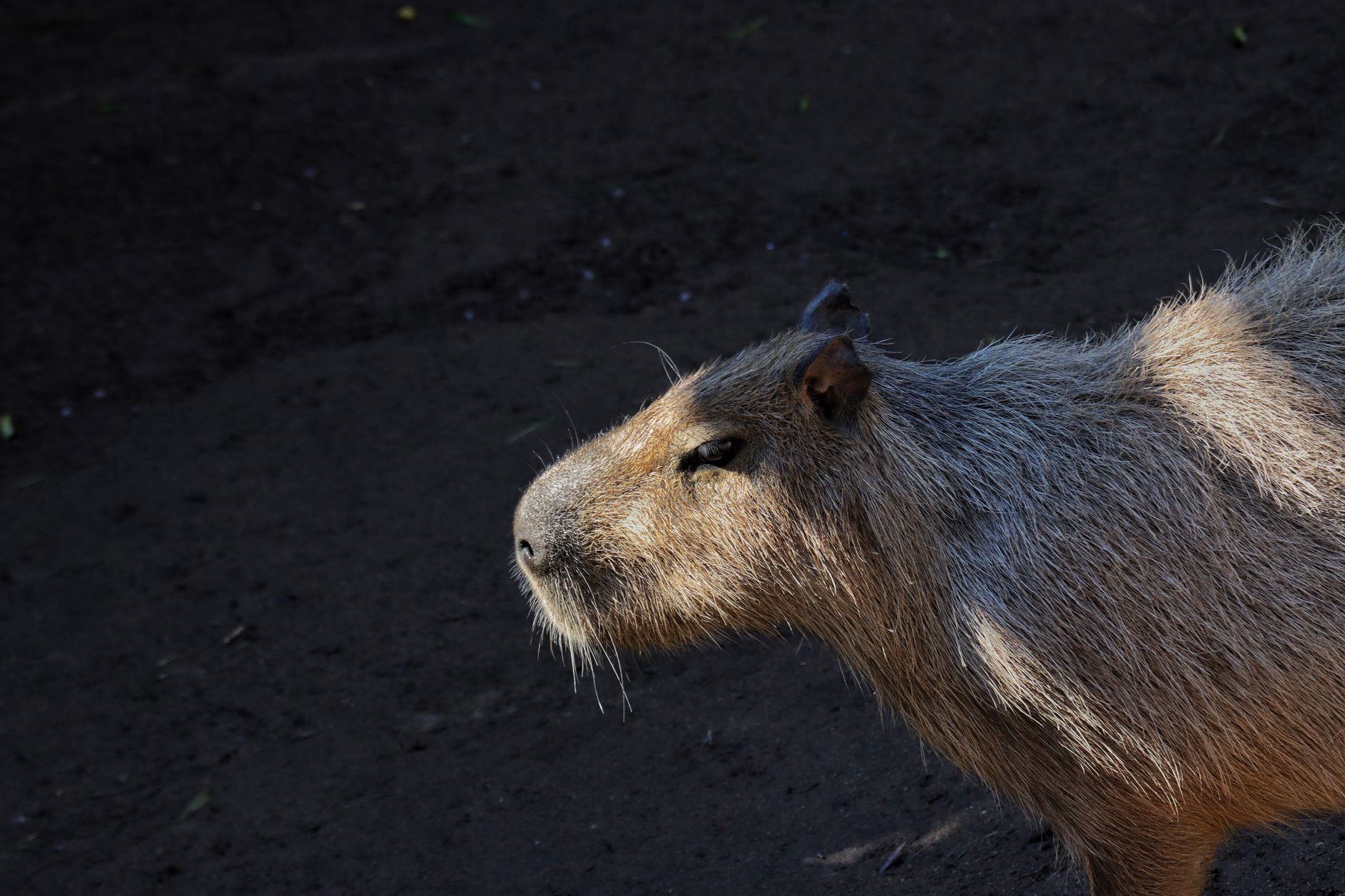
Capybaras (Hydrochoerus hydrochaeris) are native to South America and are incredibly well-adapted to their semi-aquatic lifestyle. They are social animals, living in groups called herds, and are frequently found near rivers, swamps, and marshes. Understanding their environment is crucial to understanding their bathroom habits. Their diet consists mainly of grasses and aquatic plants, which influences the frequency and composition of their waste.

What colours are fish most attracted to?
Can you put your finger in a trout's mouth?
Is methylene blue anti bacterial?
Does aquarium salt raise pH in aquarium?
The Significance of Water in Capybara Excretion

Water plays a pivotal role in how capybaras go to the bathroom. Here’s why:
- Predator Avoidance: Entering the water to defecate and urinate reduces the risk of being detected by predators. The scent dissipates more quickly in water, making it harder for land-based predators to track them.
- Social Signaling: Capybaras often defecate in communal latrines, particularly within their aquatic habitats. These latrines serve as important communication hubs, allowing them to deposit and receive social information through scent.
- Temperature Regulation: Water helps them regulate their body temperature, and this is often coupled with defecation.
The Capybara Bathroom Process: An Overview
The process of how capybaras go to the bathroom is relatively straightforward, but context-dependent. Generally:
- Location Selection: They choose a spot in or near water, often a pre-existing communal latrine.
- Positioning: They typically squat or stand near the water’s edge to urinate or defecate.
- Elimination: They release urine and feces into the water or onto the land very close to the water.
- Social Interaction (Sometimes): Other capybaras may approach and interact with the excrement, potentially gleaning information from the scent.
Coprophagy: Eating Their Own Poop
A surprising aspect of how capybaras go to the bathroom is their practice of coprophagy, which is eating their own feces. This behavior is particularly common in young capybaras, although adults can also engage in it. There are two main types of feces involved:
- Normal Feces: This is the usual waste product of digestion.
- Cecotropes: These are soft, nutrient-rich fecal pellets produced in the cecum, a pouch connected to the large intestine. These cecotropes are packed with bacteria and nutrients not fully absorbed during the first pass through the digestive system.
By eating their cecotropes, capybaras effectively get a second chance to absorb essential vitamins and minerals. This process is crucial for maintaining a healthy gut microbiome.
The Importance of Latrines: A Social Hub
Communal latrines are key to understanding how capybaras go to the bathroom. These sites are used repeatedly by multiple individuals within the herd.
| Feature | Description |
|---|---|
| Purpose | Social communication, scent marking, potential health monitoring within the herd. |
| Location | Typically near water, often in shallow areas or on muddy banks. |
| Composition | Accumulation of feces and urine from multiple capybaras. |
| Social Function | Allows capybaras to leave and receive information about other members of their group. |
| Health Concerns | Potential for parasite transmission if the latrine becomes overly contaminated. |
The Science Behind Capybara Urine and Feces
The composition of capybara urine and feces depends largely on their diet. They are primarily herbivores, so their waste is rich in plant fibers. The urine contains nitrogenous waste products, like urea, and electrolytes. The feces, especially cecotropes, contain a significant amount of beneficial bacteria that aid in digestion. The scent profile of their urine and feces is thought to carry important social signals, such as information about an individual’s sex, age, and reproductive status.
Environmental Impact of Capybara Waste
Capybara waste contributes to the nutrient cycling in their environment. The nitrogen and phosphorus in their urine and feces can act as fertilizer, promoting plant growth in aquatic and riparian ecosystems. However, excessively high concentrations of these nutrients can lead to eutrophication, which can harm aquatic life. In areas with large capybara populations, managing their waste can be a concern.
Challenges and Adaptations
Capybaras face several challenges related to their bathroom habits. Parasite transmission is a risk, especially in communal latrines. They have adapted by exhibiting behaviors like selective defecation and possibly by developing some level of immunity to common parasites. Human encroachment and habitat destruction also pose challenges, as they may be forced to defecate in less ideal locations, increasing their vulnerability to predators or disease.
FAQ: Why do capybaras prefer to go to the bathroom in water?
Capybaras prefer to go to the bathroom in water primarily to avoid predators. The water dilutes their scent, making it harder for predators to track them. It also serves a social function, enabling communal defecation in designated latrines.
FAQ: What are cecotropes, and why do capybaras eat them?
Cecotropes are soft, nutrient-rich fecal pellets produced in the cecum of the capybara. They are packed with beneficial bacteria and undigested nutrients. Capybaras eat them to re-ingest these nutrients, improving their overall digestive efficiency.
FAQ: Is it normal for capybaras to eat their own poop?
Yes, coprophagy is a normal and important part of a capybara’s digestive process, particularly for young capybaras. It allows them to obtain essential nutrients and establish a healthy gut microbiome.
FAQ: How often do capybaras go to the bathroom?
The frequency of capybara defecation and urination varies depending on diet, age, and individual factors. Generally, they defecate several times a day and urinate more frequently, especially when in water.
FAQ: Do all capybaras in a herd use the same bathroom spots?
Yes, capybaras often use communal latrines, which are specific spots within their territory where multiple individuals defecate and urinate. These sites act as social hubs for scent marking and communication.
FAQ: What does capybara poop look like?
Capybara poop typically consists of fibrous material, reflecting their herbivorous diet. Regular feces are firm and pellet-shaped, while cecotropes are softer and more paste-like.
FAQ: Are capybara latrines dangerous to humans?
While generally not dangerous, capybara latrines can potentially harbor parasites and bacteria. It’s advisable to avoid direct contact with capybara waste and to wash your hands thoroughly if contact occurs.
FAQ: Do baby capybaras eat their mother’s poop?
Yes, young capybaras often eat their mother’s poop, particularly cecotropes. This helps them establish their own gut microbiome with beneficial bacteria from their mother.
FAQ: How do capybaras use their bathroom habits for communication?
Capybaras deposit scent signals in their urine and feces that convey information about their age, sex, reproductive status, and social ranking. Other capybaras can then interpret these signals.
FAQ: Can capybara waste affect the environment?
Capybara waste can act as a fertilizer, enriching the soil and water with nutrients. However, excessive waste can lead to eutrophication, harming aquatic ecosystems.
FAQ: Do capybaras ever go to the bathroom on land?
Yes, while they prefer water, capybaras will sometimes defecate and urinate on land, especially near the water’s edge. However, water remains their preferred location.
FAQ: Is there anything unusual about capybara urine?
The composition of capybara urine reflects their herbivorous diet and contains urea and electrolytes. Its scent is thought to play a role in social communication, but there isn’t much documented information on the specific components.