

How Bison Farmers Make Money: A Deep Dive
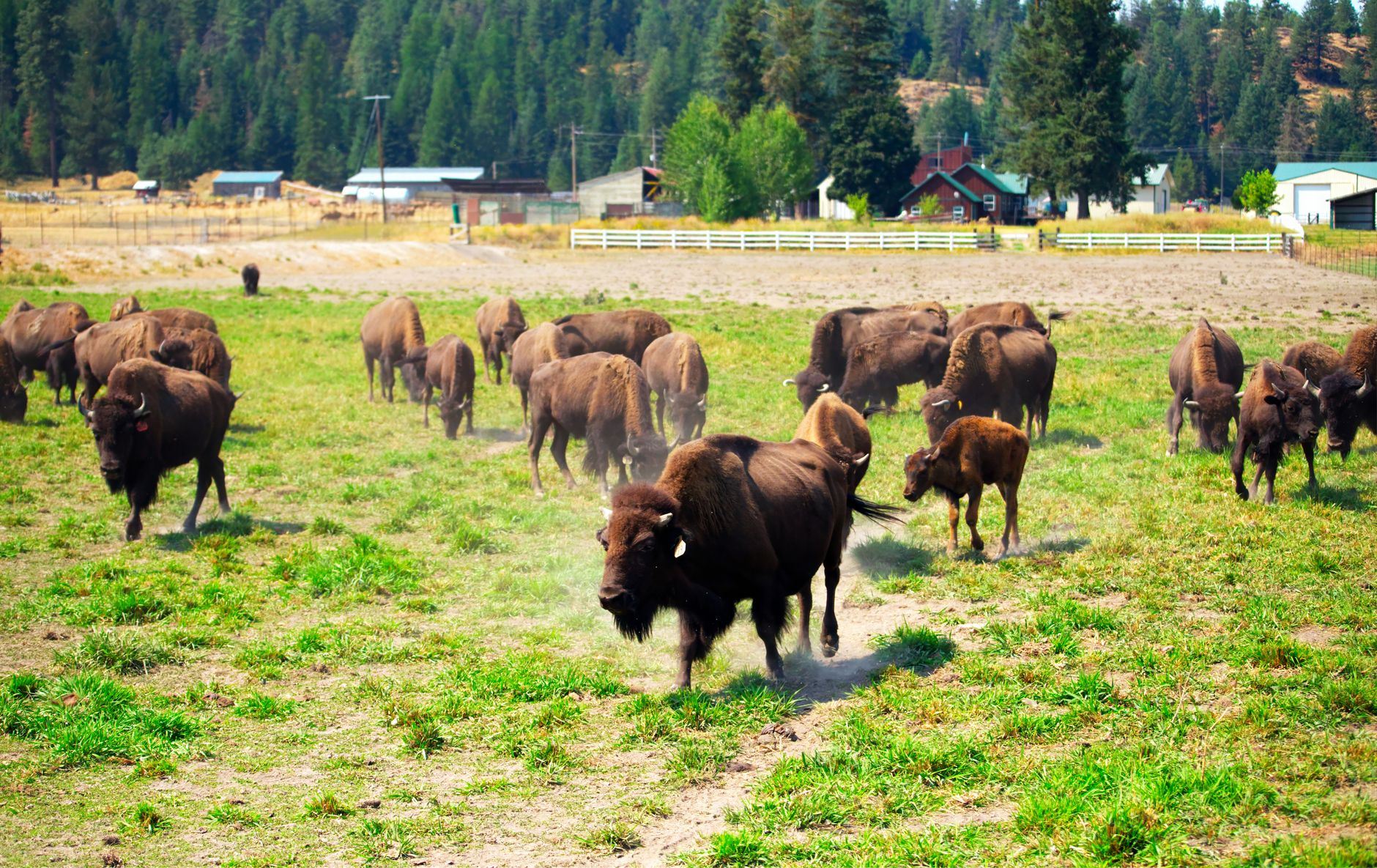
Bison farmers generate income primarily through the sale of premium bison meat, often direct-to-consumer or to niche markets, and through value-added products, leveraging the animal’s unique qualities and the growing consumer demand for sustainable and healthy food options. Understanding how do bison farmers make money? is crucial for aspiring producers and investors alike.
Understanding the Bison Farming Landscape
Bison farming, also known as bison ranching, represents a growing segment of the agricultural industry. It’s a departure from conventional cattle farming, offering unique opportunities and challenges. The demand for bison meat has steadily increased, driven by consumer interest in its lean profile, rich flavor, and sustainable production practices.

What colours are fish most attracted to?
Can you put your finger in a trout's mouth?
Is methylene blue anti bacterial?
Does aquarium salt raise pH in aquarium?
The Core of Bison Farming Profitability: Meat Production

The primary revenue stream for most bison farmers is the sale of bison meat. This includes a variety of cuts, similar to beef, such as steaks, roasts, ground meat, and sausage. Profit margins are often higher than those for conventional beef due to the perceived premium quality and niche market appeal.
- Direct-to-consumer sales: This approach involves selling directly to consumers through farmers’ markets, online stores, or on-farm stores. It allows farmers to capture a larger share of the retail price.
- Wholesale to restaurants and retailers: Farmers can sell their bison meat to restaurants, specialty meat shops, and grocery stores. This often involves larger volumes and potentially lower profit margins per pound.
- Processing and value-added products: Some farmers process their bison meat into value-added products such as jerky, sausages, and ready-to-eat meals, further increasing profitability.
Beyond Meat: Diversifying Revenue Streams
While meat sales are the mainstay, astute bison farmers explore other income opportunities.
- Breeding stock sales: Selling high-quality bison bulls and heifers to other farmers can be a significant source of revenue. This requires careful breeding programs and attention to genetics.
- Hunting and tourism: Offering guided bison hunts or farm tours can attract tourists and generate additional income. This often requires specific permits and insurance.
- Bison byproducts: Utilizing bison hides for leather production, bones for fertilizer, and horns for various crafts provides avenues for supplementary revenue.
- Agri-tourism: Opening the farm to visitors for educational tours, events, and recreational activities offers a way to connect with consumers and generate income.
Benefits of Bison Farming Compared to Cattle Farming
Bison farming offers several potential advantages over traditional cattle farming.
- Lower input costs: Bison are generally hardier and require less intensive management than cattle. They are well-adapted to grazing on native grasses and require less supplemental feeding.
- Environmental sustainability: Bison grazing patterns can promote biodiversity and improve soil health. They are less likely to overgraze than cattle and can contribute to ecosystem restoration.
- Premium pricing: Bison meat commands a higher price in the market compared to beef, reflecting its perceived health benefits and sustainable production.
Here’s a brief comparison:
| Feature | Bison Farming | Cattle Farming |
|---|---|---|
| Input Costs | Generally Lower | Generally Higher |
| Grazing Habits | Sustainable | Can be unsustainable |
| Meat Price | Premium | Standard |
| Environmental Impact | Positive or Neutral | Can be negative |
Common Mistakes to Avoid in Bison Farming
Successful bison farming requires careful planning and execution. Common mistakes include:
- Underestimating infrastructure needs: Bison require strong fencing and handling facilities to ensure safety and prevent escapes.
- Poor marketing and sales strategies: Building relationships with consumers and securing reliable markets for bison meat is essential.
- Inadequate herd management: Implementing a proper health management plan, including vaccinations and parasite control, is crucial for herd productivity.
- Ignoring financial planning: Accurately estimating costs, projecting revenue, and managing cash flow is essential for long-term financial sustainability.
Key Considerations Before Entering Bison Farming
Before diving into bison farming, prospective farmers should consider the following:
- Land availability and suitability: Bison require adequate pastureland with appropriate fencing and water sources.
- Market research and demand assessment: Understanding the local and regional markets for bison meat is essential.
- Capital investment: Starting a bison farm requires significant investment in land, livestock, infrastructure, and equipment.
- Expertise and knowledge: Acquiring knowledge about bison management, marketing, and business planning is crucial.
Frequently Asked Questions (FAQs) About How Bison Farmers Make Money?
What is the typical profit margin for bison meat compared to beef?
Bison meat typically commands a higher profit margin than beef, often ranging from 10% to 30% higher at the retail level. This is due to its premium price, driven by its health benefits and perceived sustainability. However, production costs and marketing efforts can influence the final profitability.
How much land is required to start a bison farm?
The amount of land required varies depending on the grazing conditions and management practices. A general guideline is 2 to 5 acres per bison, but this can vary based on rainfall, soil quality, and grazing management techniques. It’s crucial to consider the long-term carrying capacity of the land.
What are the major costs associated with raising bison?
Major costs include land acquisition or rental, fencing and infrastructure, livestock purchase, feed and veterinary care, processing and marketing, and labor. Careful budgeting and cost control are essential for profitability.
How long does it take for a bison to reach market weight?
Bison typically reach market weight (approximately 1,100 to 1,200 pounds) in 2 to 3 years, depending on feeding and management practices. This is slightly longer than the average time for cattle to reach market weight.
What are the best marketing strategies for selling bison meat?
Effective marketing strategies include direct-to-consumer sales through farmers’ markets and online stores, building relationships with restaurants and retailers, highlighting the health benefits and sustainability of bison meat, and participating in local food events and festivals.
Are there any government grants or subsidies available for bison farmers?
Government grants and subsidies specifically for bison farming are limited, but farmers may be eligible for programs related to sustainable agriculture, conservation, and rural development. Researching available programs through the USDA and state agricultural agencies is crucial.
What are the health benefits of bison meat that attract consumers?
Bison meat is leaner than beef, with lower fat and cholesterol content. It is also a good source of protein, iron, and omega-3 fatty acids. These health benefits appeal to health-conscious consumers.
What are the key differences in managing bison compared to cattle?
Bison are more independent and require less handling than cattle. They are also better adapted to grazing on native grasses and require less supplemental feeding. However, they require stronger fencing and handling facilities due to their wild nature.
How can bison farmers ensure the humane treatment of their animals?
Bison farmers can ensure humane treatment by providing ample space and grazing land, minimizing stress during handling, implementing a proper health management plan, and adhering to ethical slaughter practices. Certifications such as “Animal Welfare Approved” can further demonstrate commitment to animal welfare.
What are the challenges of direct-to-consumer sales for bison meat?
Challenges include building a customer base, managing inventory and logistics, complying with food safety regulations, and competing with established retailers. However, direct-to-consumer sales can offer higher profit margins and direct engagement with consumers.
What is the role of bison in ecological restoration?
Bison grazing patterns can promote biodiversity, improve soil health, and reduce invasive species. They contribute to ecosystem restoration by stimulating plant growth and nutrient cycling. Reintroducing bison to their native ranges can have significant ecological benefits.
How do climate change and environmental concerns affect bison farming profitability?
Climate change and environmental concerns can both positively and negatively affect bison farming profitability. Increased demand for sustainable and environmentally friendly protein sources can drive up bison meat prices. However, changes in weather patterns, such as droughts or extreme temperatures, can impact grazing conditions and increase production costs. Adapting to these changes through careful management and conservation practices is crucial. How do bison farmers make money? By understanding these dynamics and adapting accordingly.