

How Do Baby Octopus Survive in a Perilous Ocean?
How do baby octopus survive? Tiny and vulnerable, they rely on a combination of rapid growth, cryptic coloration, a diet of zooplankton and small crustaceans, and luck to navigate the dangerous ocean environment and evade predators.

Introduction: A Fragile Beginning
The ocean’s depths are teeming with life, but survival, particularly in the early stages, is a constant struggle. Baby octopuses, also known as paralarvae or hatchlings, face immense challenges from the moment they emerge from their eggs. Unlike some marine creatures born with parental care or a built-in survival toolkit, they’re essentially miniature versions of adults, thrust into a world teeming with predators and scarce resources. Their journey from hatchling to mature octopus is a testament to resilience and adaptation. Understanding how do baby octopus survive? requires delving into their unique lifecycle and the strategies they employ.

What colours are fish most attracted to?
Can you put your finger in a trout's mouth?
Is methylene blue anti bacterial?
Does aquarium salt raise pH in aquarium?
The Hatching Process: Independence from the Start
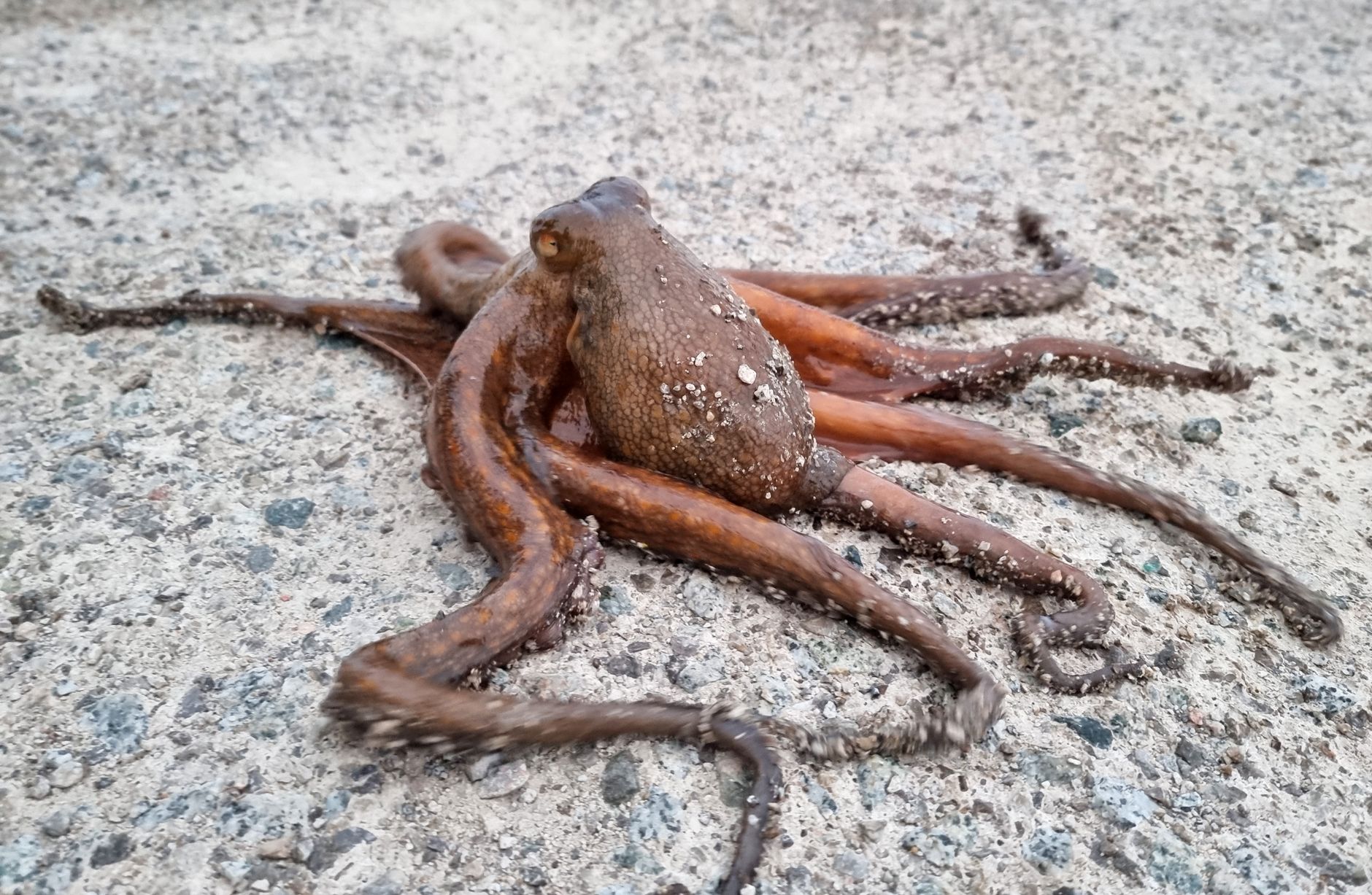
The octopus lifecycle is fascinating. Mother octopuses invest heavily in their eggs, guarding and caring for them until they hatch, often sacrificing their own lives in the process. However, once the eggs hatch, the baby octopuses are completely independent. This lack of parental care puts immense pressure on them to quickly adapt and fend for themselves.
- The eggs are often laid in sheltered locations, such as caves or crevices.
- The mother octopus provides oxygenated water by siphoning it over the eggs.
- Hatching can take weeks or even months, depending on the species and water temperature.
Camouflage and Color Change: Nature’s Cloak
One of the octopus’s most remarkable abilities is its capacity for rapid camouflage. This ability is crucial for survival, especially for vulnerable baby octopuses. They can change their skin color and texture to blend seamlessly with their surroundings, making them nearly invisible to predators.
- Specialized pigment cells called chromatophores allow octopuses to change color.
- Papillae are structures that change the texture of the skin, mimicking rocks, seaweed, or sand.
- This camouflage is controlled by the nervous system and can happen in milliseconds.
Diet and Nutrition: Fueling Rapid Growth
Baby octopuses require a constant supply of nutrients to fuel their rapid growth. Their diet primarily consists of zooplankton, tiny crustaceans, and other small organisms that they can capture and consume. The availability of these food sources directly impacts their survival rate.
- They use their arms and suckers to capture prey.
- They inject venom to immobilize or kill their prey.
- Rapid growth is essential to reach a size where they are less vulnerable to predators.
Navigation and Habitat Selection: Finding a Safe Haven
Navigating the vast ocean is a daunting task for a tiny baby octopus. They rely on currents and their own limited swimming abilities to find suitable habitats. Choosing a safe habitat with ample food and shelter is critical for their survival.
- They prefer areas with abundant prey and hiding places.
- They may settle in seagrass beds, coral reefs, or rocky areas.
- Successful habitat selection significantly increases their chances of survival.
Predator Avoidance: A Constant Threat
The ocean is a dangerous place, and baby octopuses are particularly vulnerable to predation. Fish, seabirds, and even larger invertebrates prey on these small cephalopods. Their survival depends on their ability to avoid detection and escape when necessary.
- Camouflage is their primary defense mechanism.
- They can eject a cloud of ink to confuse predators.
- They can also jet away quickly using their siphon.
Challenges and Mortality Rates: A Tough Life
Despite their adaptations, the mortality rate for baby octopuses is incredibly high. The vastness of the ocean, the abundance of predators, and the scarcity of resources all contribute to their low survival rate. Understanding these challenges is crucial for conservation efforts.
- Only a small percentage of hatchlings survive to adulthood.
- Environmental factors, such as pollution and climate change, can further impact their survival.
- Research and conservation efforts are essential to protect these fascinating creatures.
A Summary of Survival Strategies
To recap, how do baby octopus survive? They employ a complex array of strategies, including:
- Rapid camouflage
- A diet of zooplankton and small crustaceans
- Effective navigation and habitat selection
- Predator avoidance techniques
Without these adaptations, their survival in the perilous ocean would be virtually impossible.
Comparing Strategies of Different Octopus Species
| Strategy | Common Octopus (Octopus vulgaris) | California Two-Spot Octopus (Octopus bimaculoides) |
|---|---|---|
| Hatchling Size | Small | Relatively Larger |
| Diet | Zooplankton, small crustaceans | Small crustaceans, amphipods |
| Habitat | Varied, temperate and tropical waters | Temperate waters off the coast of California |
| Camouflage | Highly developed | Well developed, but potentially less complex |
| Egg Size | Many small eggs | Fewer, larger eggs |
Environmental Impacts on Survival
Environmental factors play a crucial role in the survival of baby octopuses. Pollution, climate change, and habitat destruction can all significantly impact their chances of reaching adulthood. Changes in water temperature can affect their development rate, and pollution can contaminate their food sources.
- Pollution can weaken their immune system and make them more susceptible to disease.
- Climate change can alter ocean currents and affect the distribution of prey.
- Habitat destruction can reduce the availability of shelter and breeding grounds.
Frequently Asked Questions (FAQs)
What is the main food source for baby octopuses?
The main food source for baby octopuses is zooplankton, which consists of tiny marine animals and larvae. They also consume small crustaceans like copepods and amphipods. These tiny organisms provide the necessary nutrients for their rapid growth and development.
How long do baby octopuses stay in the paralarval stage?
The duration of the paralarval stage varies depending on the species of octopus. It can range from a few weeks to several months. During this time, they drift in the water column, feeding and growing before settling down on the seafloor.
How do baby octopuses avoid being eaten by predators?
Baby octopuses rely heavily on camouflage to avoid being eaten. They can rapidly change their skin color and texture to blend in with their surroundings. They can also eject ink to confuse predators and make a quick escape.
What is the role of the mother octopus in the survival of her offspring?
While the mother octopus provides extensive care for her eggs, she does not provide any parental care after they hatch. Once the baby octopuses emerge, they are completely independent and must fend for themselves.
How does water temperature affect the survival of baby octopuses?
Water temperature plays a crucial role in the development and survival of baby octopuses. Higher temperatures can accelerate their growth rate, but it can also increase their metabolic rate and require them to consume more food. Extreme temperature fluctuations can be detrimental.
Where do baby octopuses typically live in the ocean?
Baby octopuses typically live in the water column, drifting with the currents as paralarvae. As they grow, they may settle in seagrass beds, coral reefs, or rocky areas, seeking shelter and food.
Why is the mortality rate so high for baby octopuses?
The mortality rate is high due to several factors including predation, starvation, and environmental conditions. Being small and vulnerable makes them easy targets for various predators. The scarcity of food and fluctuations in environmental factors further contribute to their low survival rate.
What adaptations help baby octopuses survive?
Baby octopuses have several adaptations that help them survive, including rapid camouflage, venom, and the ability to eject ink. These adaptations allow them to evade predators, capture prey, and navigate the challenging ocean environment.
How do researchers study baby octopuses?
Researchers study baby octopuses through various methods, including plankton tows, laboratory rearing, and tagging studies. Plankton tows involve collecting samples from the water column to identify and study paralarvae. Laboratory rearing allows researchers to observe their development and behavior.
What is the difference between a paralarva and a juvenile octopus?
A paralarva is the planktonic larval stage of an octopus, while a juvenile octopus is a young octopus that has settled on the seafloor. The paralarval stage is characterized by a planktonic lifestyle and rapid growth.
How does pollution affect baby octopus survival rates?
Pollution can have detrimental effects on baby octopus survival rates. Pollutants can contaminate their food sources, weaken their immune systems, and disrupt their development. Exposure to toxins can reduce their ability to camouflage, evade predators, and capture prey.
Are there any conservation efforts to protect baby octopuses?
Conservation efforts focus on protecting their habitats, reducing pollution, and promoting sustainable fishing practices. Preserving seagrass beds, coral reefs, and other critical habitats is essential for their survival. Reducing plastic pollution and other contaminants can also help improve their survival rates. Furthermore, research is crucial to further understand how do baby octopus survive? and how to best support their future.