

How Did the Giant Tortoise Go Extinct? A Case Study in Extinction
The extinction of giant tortoise populations, specifically several unique island subspecies, was primarily driven by direct human exploitation for food and oil, combined with habitat destruction and the introduction of invasive species. This potent combination proved devastating, ultimately leading to the extinction of multiple lineages of the giant tortoise.
Introduction: A Legacy Lost
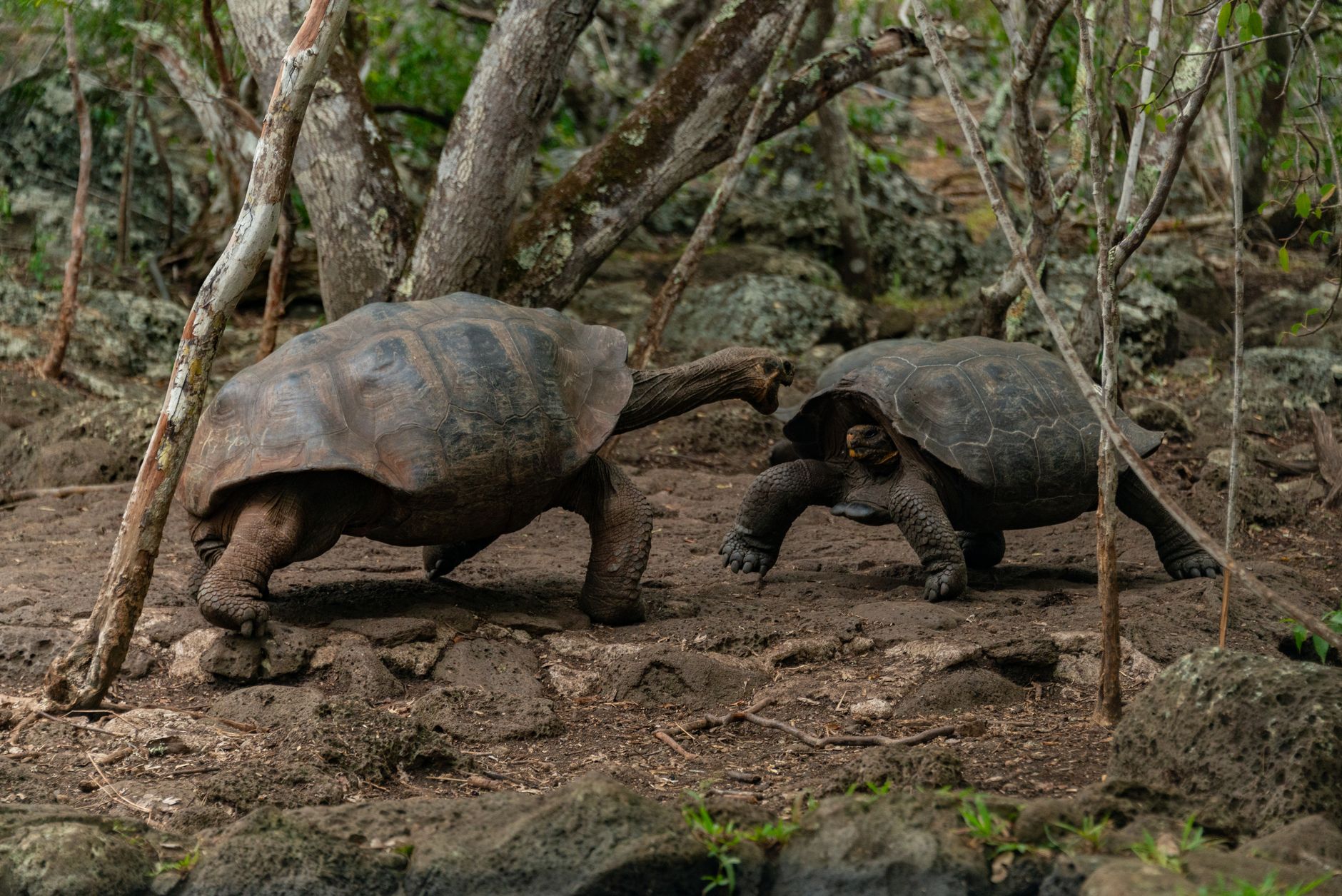
The giant tortoises, magnificent reptiles that once roamed numerous islands and even parts of the mainland, stand as a stark reminder of the devastating impact of human activities on vulnerable species. Their story is not a simple one, but rather a complex tapestry woven with threads of exploration, exploitation, ecological disruption, and belated conservation efforts. Understanding how did the giant tortoise go extinct? in various parts of the world requires examining the specific pressures faced by each population. While some subspecies persist thanks to intensive conservation programs, others have vanished completely, leaving behind only skeletal remains and poignant lessons for future generations.

Is distilled water good for goldfish?
What colours are fish most attracted to?
Can you put your finger in a trout's mouth?
Is methylene blue anti bacterial?
The Pre-Human World: Island Paradise

For millennia, giant tortoises thrived in relatively undisturbed island ecosystems. Isolated from mainland predators and competitors, they evolved to fill unique ecological niches. Their slow growth rates, long lifespans, and large size were adaptations to a world with minimal threats. Their herbivorous diets helped shape vegetation patterns, and their movements played a crucial role in seed dispersal.
- Lack of Natural Predators: On many islands, giant tortoises were the largest herbivores and faced few natural predators.
- Specialized Diets: Their grazing habits influenced the vegetation composition and structure of their island homes.
- Seed Dispersal: As they moved across the landscape, tortoises spread seeds, contributing to plant diversity.
The Arrival of Humans: A Turning Point
The arrival of humans on islands inhabited by giant tortoises marked a dramatic turning point in their evolutionary history. Sailors, whalers, and settlers quickly recognized the tortoises as a readily available and sustainable food source – or so they believed.
- Easy Prey: Tortoises were relatively easy to capture and required little effort to transport.
- Long-Term Storage: Their ability to survive for extended periods without food or water made them ideal provisions for long voyages.
- Overexploitation: Unregulated harvesting rapidly depleted tortoise populations.
The Culinary Appeal: A Recipe for Disaster
The tortoises’ unfortunate palatability contributed significantly to their downfall. The meat was considered a delicacy, and the fat was rendered into oil, which was prized for its medicinal properties and use in lamps.
- Meat Consumption: Tortoise meat was a staple food for sailors and settlers.
- Oil Production: Tortoise oil was used for various purposes, driving further exploitation.
- Unregulated Harvesting: There were no limits or restrictions on the number of tortoises that could be taken.
Habitat Destruction: Losing Ground
Human settlement also led to widespread habitat destruction. Forests were cleared for agriculture and grazing livestock, reducing the amount of food and shelter available to tortoises.
- Deforestation: Forests were cleared for farming and building materials.
- Introduction of Livestock: Grazing animals competed with tortoises for food and degraded their habitat.
- Erosion and Soil Degradation: Habitat loss led to erosion and further environmental damage.
Invasive Species: A Deadly Competition
The introduction of non-native species proved devastating to giant tortoise populations. Rats, pigs, goats, and other animals preyed on tortoise eggs and hatchlings, while also competing with them for food.
- Predation: Rats, pigs, and other introduced predators decimated tortoise populations.
- Competition: Goats, cattle, and other herbivores competed with tortoises for grazing resources.
- Habitat Alteration: Invasive plants altered the landscape, making it less suitable for tortoises.
The Case of Lonesome George: A Symbol of Extinction
Lonesome George, the last known individual of the Chelonoidis nigra abingdonii subspecies from Pinta Island in the Galápagos, became a global symbol of extinction. Despite extensive efforts to find a mate for him, George remained solitary until his death in 2012, marking the irreversible loss of his unique genetic lineage. The story of Lonesome George perfectly exemplifies how did the giant tortoise go extinct? on a particular island.
Conservation Efforts: A Race Against Time
Recognizing the devastating impact of human activities, conservation efforts were launched to protect remaining giant tortoise populations. These programs focused on captive breeding, habitat restoration, and invasive species control.
- Captive Breeding Programs: Raising tortoises in captivity and then releasing them into the wild.
- Habitat Restoration: Removing invasive plants and animals to restore natural ecosystems.
- Invasive Species Control: Implementing strategies to control or eradicate invasive species.
Lessons Learned: Preventing Future Extinctions
The story of the giant tortoise extinction provides valuable lessons for conservation efforts worldwide. Protecting vulnerable species requires a comprehensive approach that addresses all threats, including habitat destruction, invasive species, and human exploitation. The fate of the giant tortoises serves as a stark reminder of the interconnectedness of ecosystems and the responsibility we have to protect the planet’s biodiversity. Understanding how did the giant tortoise go extinct? can help prevent similar tragedies in the future.
Frequently Asked Questions (FAQs)
What were the main reasons for the extinction of giant tortoises?
The primary drivers of giant tortoise extinction were direct human exploitation for food and oil, habitat destruction caused by agriculture and livestock, and the introduction of invasive species that preyed on eggs and hatchlings and competed for resources.
Which giant tortoise subspecies are already extinct?
Several subspecies are confirmed extinct, including the Chelonoidis nigra abingdonii (Pinta Island tortoise, represented by Lonesome George), the Chelonoidis nigra elephantina (Santa Maria Island tortoise), and others from various islands in the Galápagos and Mascarene Islands.
How did invasive species contribute to the decline of giant tortoises?
Invasive species like rats, pigs, and goats preyed on tortoise eggs and hatchlings, significantly reducing recruitment into the adult population. Additionally, herbivores like goats competed with tortoises for food resources, further weakening the tortoises. This significantly altered the ecological balance.
What made giant tortoises so vulnerable to human exploitation?
Giant tortoises were vulnerable because they were relatively easy to capture, could survive for long periods without food or water, and were considered a valuable food source and source of oil. Sailors and settlers readily exploited them, leading to rapid population declines.
Where did giant tortoises live before they began going extinct?
Giant tortoises were found on various islands, including the Galápagos Islands, the Mascarene Islands (Mauritius, Reunion, Rodrigues), and the Seychelles. Some species also existed on mainland areas like Madagascar.
Are any giant tortoise species currently endangered?
Yes, many giant tortoise species are still endangered or vulnerable. Conservation efforts are crucial for their survival, including captive breeding programs and habitat restoration initiatives.
What conservation efforts are currently underway to protect giant tortoises?
Current conservation efforts include captive breeding programs, habitat restoration projects, invasive species control measures, and educational programs to raise awareness about the importance of protecting these magnificent creatures.
Can extinct giant tortoise species ever be brought back through de-extinction efforts?
While de-extinction technologies are advancing, bringing back extinct giant tortoise species is highly complex and faces significant ethical and technical challenges. The focus is currently on preventing further extinctions and preserving existing genetic diversity. The technical challenges are huge, and ethical considerations are significant.
How did habitat destruction affect giant tortoise populations?
Habitat destruction, including deforestation for agriculture and livestock grazing, reduced the availability of food and shelter for giant tortoises. This made them more vulnerable to predation and competition from invasive species, ultimately contributing to population declines.
Are there any lessons to be learned from the extinction of giant tortoises?
The extinction of giant tortoises highlights the importance of sustainable resource management, habitat preservation, and invasive species control. It underscores the devastating impact of human activities on vulnerable species and the urgent need for conservation efforts.
What role did climate change play in the extinction of giant tortoises?
While not the primary driver, climate change likely exacerbated the threats faced by giant tortoises. Changes in temperature and rainfall patterns could have impacted their food sources and breeding success, further weakening their populations.
How can individuals contribute to the conservation of giant tortoises and other endangered species?
Individuals can support conservation organizations, reduce their environmental footprint, advocate for policies that protect endangered species and their habitats, and educate others about the importance of biodiversity. Every action, no matter how small, can make a difference.