

How Did a Baby Possum Get in My House?: Unraveling the Mystery
How did a baby possum get in my house? It’s usually through an unguarded entry point, drawn by the promise of food and shelter, especially if the mother possum has already established a route.

Understanding the Intrusion: A Delicate Situation
Finding a baby possum inside your home can be unsettling, but it’s important to understand the circumstances and respond appropriately. Possums, particularly young ones, are usually not aggressive, but they are wild animals and should be treated with respect and caution. The most common scenario involves a mother possum establishing a nest in your attic, crawlspace, or even within walls, and her young exploring beyond the immediate nesting area. Understanding how they gained entry is the first step in resolving the situation safely and humanely.
Is distilled water good for goldfish?
What colours are fish most attracted to?
Can you put your finger in a trout's mouth?
Is methylene blue anti bacterial?
Entry Points: Where Are They Getting In?

Possums, even baby possums, are surprisingly adept at squeezing through small openings. Identifying potential entry points is crucial for prevention:
- Unsealed Cracks and Holes: Inspect your foundation, siding, and roof for any gaps or cracks.
- Openings Around Pipes and Wires: Utility entry points are often poorly sealed.
- Unsecured Vents: Dryer vents, gable vents, and soffit vents are common access points.
- Damaged Screens: Tears or holes in window or door screens provide easy access.
- Chimneys: An uncapped chimney is an open invitation.
- Pet Doors: Baby possums may be able to follow your pets through their door.
Why Your Home Is Appealing: Food, Shelter, and Safety
Your house offers several appealing factors for a possum:
- Food: Accessible garbage, pet food left outdoors, fruit trees, and even spilled birdseed can attract possums.
- Shelter: Attics, crawlspaces, under decks, and sheds provide warm, dry, and safe places to nest.
- Safety: Predators are less prevalent in residential areas than in the wild.
- Warmth: Baby possums need warmth and a safe location as the mother possum may leave them alone for a while.
The Mother Possum Factor: Where There’s a Baby, There’s a Mom
The presence of a baby possum often indicates the presence of a mother possum nearby. She may be nesting within your walls or attic. Removing the baby without addressing the mother can lead to distress for both animals. She will try to reach her young, and may cause more damage getting there. It is not uncommon for a mother possum to leave her young unattended for brief periods.
Safe Removal Strategies: Acting Responsibly
While professional wildlife removal is often recommended, you can attempt a humane removal yourself. However, extreme caution should be exercised.
- Isolate the Baby: Confine the baby possum to a single room.
- Create an Escape Route: Open a door or window leading to the outside.
- Provide an Incentive: Place a small dish of fruit or pet food near the opening to encourage the possum to leave.
- Monitor: Observe from a distance to ensure the possum exits safely.
- Seal the Entry Point: Once the possum is gone, immediately seal the entry point to prevent re-entry. This is the most crucial step.
Important Considerations:
- Wear gloves: To avoid contact with potential diseases or parasites.
- Avoid direct contact: Possums may bite or scratch if they feel threatened.
- Do not attempt to handle the possum if it appears injured or sick. Contact a wildlife rehabilitator.
- Do not relocate the possum far from your property. This can separate the baby from its mother or cause it to be without adequate resources and potentially die.
Prevention Is Key: Protecting Your Home
Preventing future possum intrusions is essential.
- Secure Garbage Cans: Use tightly sealed lids.
- Remove Food Sources: Don’t leave pet food outdoors, and clean up fallen fruit.
- Seal Entry Points: Inspect your home regularly and seal any cracks or holes.
- Trim Overhanging Branches: Prevent possums from accessing your roof.
- Install Chimney Caps and Vent Screens: Prevent access through these openings.
- Consider Motion-Activated Lights: These can deter possums from approaching your property.
Potential Risks: What to Be Aware Of
While generally not aggressive, possums can pose some risks:
- Disease Transmission: They can carry diseases such as leptospirosis and parasites such as fleas and ticks.
- Damage to Property: They can damage insulation, wiring, and ductwork.
- Foul Odors: Their urine and feces can create unpleasant smells.
- Scavenging: They may rummage through garbage and gardens.
Frequently Asked Questions About Baby Possums
Why do baby possums sometimes appear alone?
Sometimes a mother possum needs to search for food and will leave the young unattended. A baby possum may have also fallen off of the mother. Do not assume an unattended baby possum is orphaned, but monitor for at least 24 hours. Contact a rehabilitator after that period of time if the mother does not return.
What should I do if I find a baby possum that appears injured?
If you find an injured baby possum, do not attempt to treat it yourself. Contact a licensed wildlife rehabilitator immediately. They have the expertise and resources to provide appropriate care.
How can I tell if a baby possum is orphaned?
Determining if a baby possum is orphaned can be difficult. Observe the possum from a distance for at least 24 hours. If the mother does not return, or if the baby appears weak, injured, or distressed, it is likely orphaned and needs professional help.
Is it safe to handle a baby possum?
While baby possums may seem harmless, it is best to avoid handling them directly. They can carry diseases and parasites. Wear gloves if you must handle them.
What do baby possums eat?
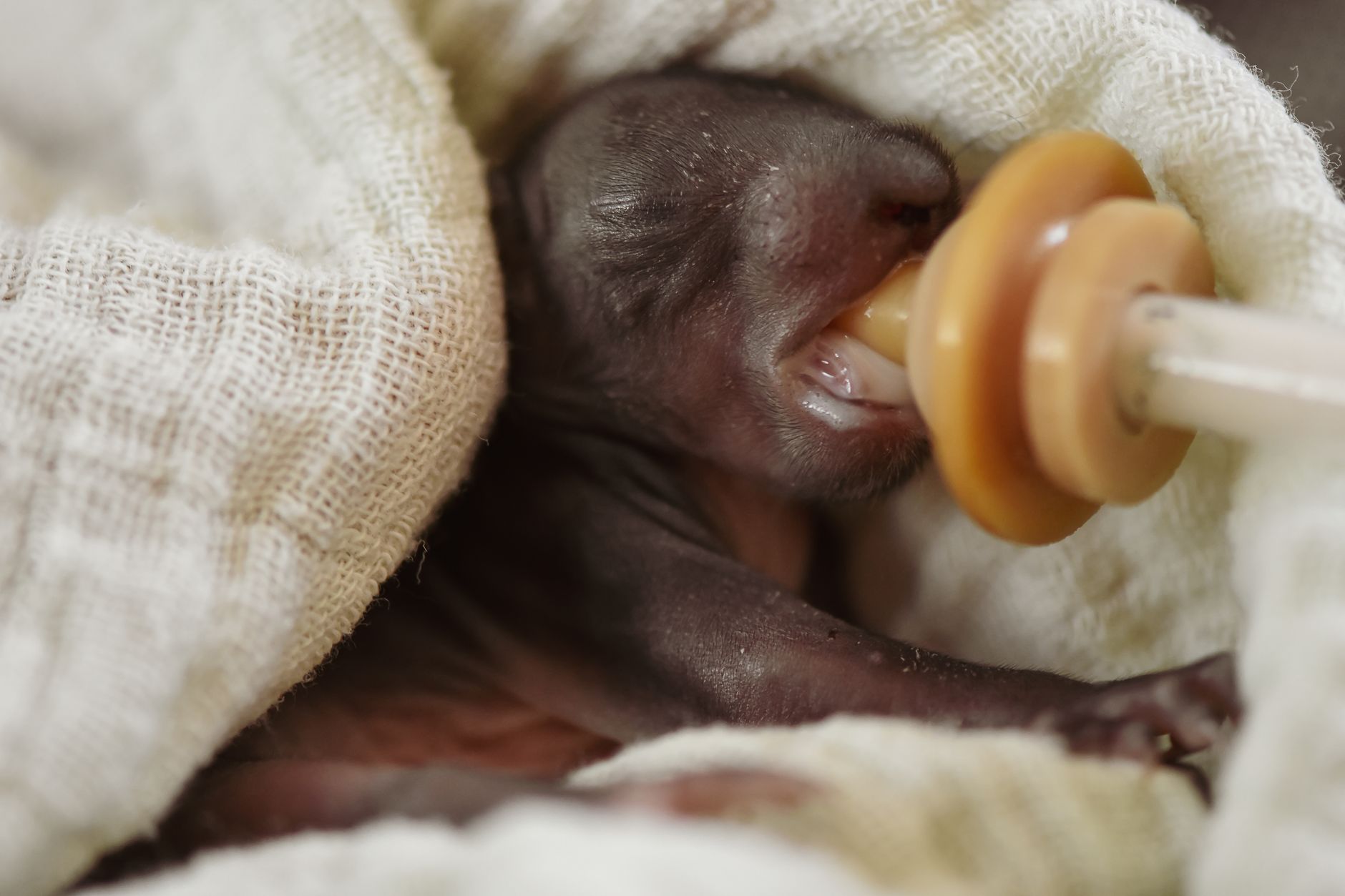
Baby possums primarily nurse from their mothers. If you are caring for an orphaned possum under the guidance of a rehabilitator, they will advise on appropriate feeding methods, which may include specialized formulas. Never feed a wild animal cow’s milk.
How big can a baby possum get before leaving its mother?
Baby possums typically remain with their mother until they are around three to four months old. They become increasingly independent as they grow, but remain in close proximity to her until they are fully self-sufficient.
How can I keep possums out of my garbage cans?
To keep possums out of your garbage cans, use secure lids and consider using bungee cords or weights to keep them from opening. You can also try spraying the cans with a possum repellent.
Do possums carry rabies?
Possums are remarkably resistant to rabies. Their low body temperature makes it difficult for the virus to thrive. However, they can still carry other diseases.
What are the signs of a possum infestation in my house?
Signs of a possum infestation include unusual noises (scratching, rustling) in your attic or walls, droppings, and a strong, musky odor.
Will a possum attack my pets?
Possums are generally not aggressive towards pets. They are more likely to flee than to fight. However, it’s always best to supervise pets when possums are present to prevent any potential conflicts.
What is the best way to deter possums from my property?
The best way to deter possums is to remove food sources (secure garbage cans, pick up fallen fruit), seal entry points, and keep your yard clean and tidy.
When is possum mating season?
In North America, possums typically mate from late winter to early summer. This means you’re more likely to encounter mothers with babies during these months.