

How Dark is the Bottom of the Ocean? Unveiling the Secrets of Abyssal Darkness
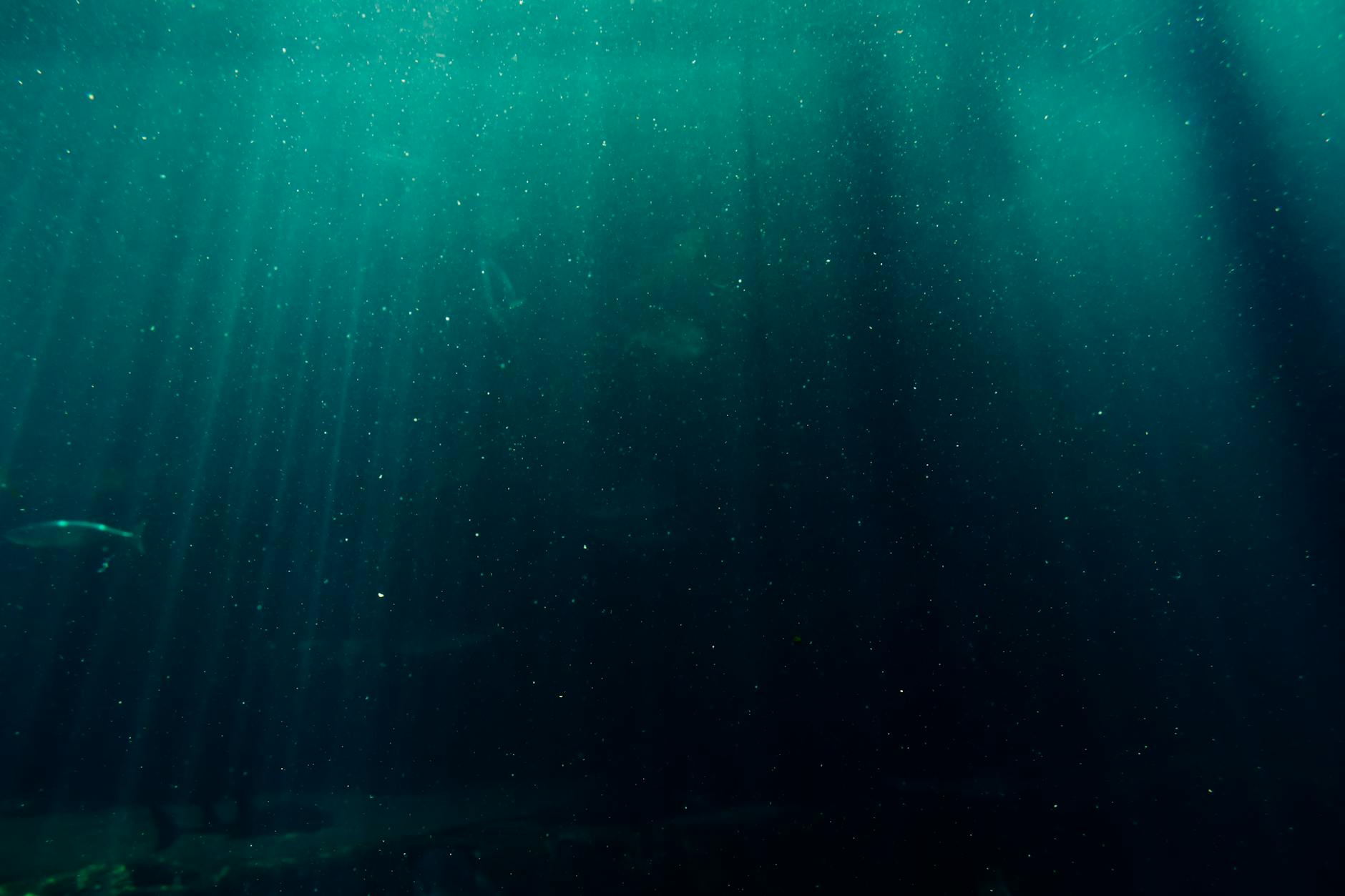
The bottom of the ocean is characterized by perpetual darkness, but exactly how dark is it? The answer is complex, ranging from near-total blackness to faint bioluminescent glows, depending on depth, location, and even time of day.

Introduction: Journey to the Abyssal Plain
The ocean, covering over 70% of our planet, is a realm of immense mystery and unparalleled beauty, but also of extreme conditions. From sun-drenched coral reefs to the crushing depths of the hadal zone, the ocean presents a diverse range of habitats. One of the most intriguing and least understood of these is the deep ocean floor, often called the abyssal plain. Understanding how dark is the bottom of the ocean requires delving into the physics of light, the biology of deep-sea creatures, and the geological processes that shape this hidden world. This article explores the factors that contribute to the profound darkness of the abyssal depths, from the absorption of sunlight to the fascinating phenomenon of bioluminescence.
What colours are fish most attracted to?
Can you put your finger in a trout's mouth?
Is methylene blue anti bacterial?
Does aquarium salt raise pH in aquarium?
The Disappearance of Sunlight

Sunlight, the lifeblood of the surface ocean, diminishes rapidly with depth. Water molecules absorb and scatter light, particularly red and orange wavelengths. This is why objects underwater appear bluer the deeper you go.
- Absorption: Water molecules directly absorb light energy, converting it into heat.
- Scattering: Particles in the water, such as plankton and sediment, scatter light in different directions.
By the time sunlight reaches a depth of 1,000 meters (3,300 feet) – the beginning of the abyssal zone – virtually all sunlight has been absorbed. How dark is the bottom of the ocean at these depths? Close to absolute darkness.
Defining the Ocean’s Zones
The ocean is often divided into zones based on depth and light penetration:
- Epipelagic Zone (Sunlight Zone): Surface to 200 meters. Sunlight penetrates, supporting photosynthesis.
- Mesopelagic Zone (Twilight Zone): 200 to 1,000 meters. Some light penetrates, but not enough for photosynthesis.
- Bathypelagic Zone (Midnight Zone): 1,000 to 4,000 meters. No sunlight penetrates.
- Abyssopelagic Zone (Abyssal Zone): 4,000 to 6,000 meters. Near-total darkness.
- Hadalpelagic Zone (Hadal Zone): 6,000 meters and deeper (ocean trenches). The deepest and darkest parts of the ocean.
Beyond Sunlight: Bioluminescence
While sunlight is absent in the abyssal zone, it is not entirely devoid of light. Many deep-sea creatures have evolved the ability to produce their own light through a process called bioluminescence. This chemical reaction, often involving the enzyme luciferase, creates light within the animal’s body.
Bioluminescence serves a variety of purposes:
- Attracting prey: Anglerfish use a bioluminescent lure to attract unsuspecting fish.
- Camouflage (counterillumination): Some animals produce light on their undersides to blend in with the faint downwelling light from above, making them harder to see from below.
- Communication: Mating signals, territorial displays, and warning signals.
- Defense: Startling predators or illuminating them for other predators to see.
Despite the presence of bioluminescence, how dark is the bottom of the ocean in areas far from bioluminescent creatures? Still profoundly dark. The faint flickers of bioluminescence provide isolated points of light in an otherwise black environment.
Measuring Darkness: Light Levels in the Deep Ocean
The amount of light in the ocean can be measured using specialized instruments called photometers. These instruments measure light intensity in units of lumens per square meter (lux) or watts per square meter.
The table below provides an approximate comparison of light levels in different environments:
| Environment | Light Level (Lux) |
|---|---|
| Bright Sunlight | 100,000 |
| Overcast Day | 1,000 |
| Full Moon Night | 1 |
| Deep Ocean (1,000 meters) | < 0.000001 |
As the table illustrates, the light level at 1,000 meters and below is exceedingly low. While precise measurements vary depending on location and water clarity, the abyssal plain is characterized by near-total darkness.
The Impact of Darkness on Deep-Sea Life
The absence of sunlight has profoundly shaped the evolution of deep-sea organisms. Animals in the abyssal zone have adapted to life in perpetual darkness in various ways:
- Loss of vision: Many deep-sea animals have reduced or lost their eyes altogether, relying on other senses, such as smell and vibrations, to navigate and find food.
- Large eyes: Some animals have evolved exceptionally large eyes to capture any available light.
- Bioluminescence: As mentioned previously, bioluminescence is a key adaptation for communication, hunting, and defense.
- Slow metabolism: Deep-sea animals often have very slow metabolisms to conserve energy in an environment where food is scarce.
The Geological Impact
While this article focuses on how dark is the bottom of the ocean, the absence of light also has indirect geological effects. The darkness prevents photosynthesis, which in turn affects the carbon cycle and the rate of organic matter decomposition on the seabed. The pressure and temperature, combined with the absence of light, create a unique environment that influences the formation of deep-sea sediments and hydrothermal vents.
Challenges in Studying the Deep Ocean
Studying the deep ocean presents significant challenges. The immense pressure, extreme cold, and perpetual darkness make it difficult to deploy and operate research equipment. Deep-sea submersibles and remotely operated vehicles (ROVs) are essential tools for exploring the abyssal plain, but they are expensive and require specialized training to operate. Further, the darkness obscures visual information and complicates navigation.
Frequently Asked Questions
How does pressure affect light penetration in the deep ocean?
While pressure itself doesn’t directly affect light absorption or scattering, it can influence the density and compressibility of water, potentially impacting the distribution of particles and organisms that affect light penetration. However, the primary drivers of light reduction remain absorption and scattering by water molecules and suspended particles.
Does the time of day affect the darkness at the bottom of the ocean?
At depths below 1,000 meters, the time of day has negligible impact on the darkness. The sunlight is completely absorbed long before it reaches these depths. Any subtle variations in light levels are more likely due to changes in water clarity or bioluminescent activity.
What is the deepest part of the ocean, and how dark is it there?
The deepest part of the ocean is the Challenger Deep in the Mariana Trench, reaching a depth of approximately 11,000 meters (36,000 feet). How dark is the bottom of the ocean at the Challenger Deep? It’s absolute darkness, punctuated only by the occasional flicker of bioluminescent organisms or the lights of a submersible.
Are there any ecosystems that thrive in total darkness at the bottom of the ocean?
Yes, hydrothermal vent ecosystems are a prime example. These vents release chemicals from the Earth’s interior, providing energy for chemosynthetic bacteria, which form the base of the food web. These ecosystems exist independently of sunlight.
How does bioluminescence help animals navigate in the dark?
Bioluminescence can provide a source of orientation in the dark. Animals might use bioluminescent flashes from other organisms or their own bioluminescent organs to sense their surroundings and maintain direction.
Can human eyes adapt to the darkness at the bottom of the ocean?
No, human eyes cannot adapt to the complete darkness of the abyssal zone. Even with maximum pupil dilation, there is simply not enough light for human vision to function effectively.
What technologies are used to explore the deep ocean and overcome the darkness?
Remotely operated vehicles (ROVs) and deep-sea submersibles are equipped with powerful lights and cameras to illuminate and record the deep sea environment. Sonar and other acoustic technologies are also used for navigation and mapping.
How does pollution affect the darkness at the bottom of the ocean?
Pollution, especially plastic pollution, can increase the scattering of light in the water column, potentially making the deep ocean even darker. The effects are complex and require further research.
Are there any creatures at the bottom of the ocean that can see in the infrared spectrum?
There’s no conclusive evidence of deep-sea creatures capable of seeing in the infrared spectrum. Bioluminescence typically falls within the blue-green region of the visible spectrum.
How does the absence of sunlight affect the food chain at the bottom of the ocean?
The absence of sunlight means that there is no photosynthesis occurring at the bottom of the ocean. As a result, deep-sea food webs rely on organic matter that sinks from the surface (marine snow) or chemosynthesis around hydrothermal vents.
What research is being done to further understand the darkness of the deep ocean?
Scientists are using advanced sensors and imaging technologies to measure light levels and study bioluminescence in the deep ocean. They are also investigating the impact of pollution and climate change on the deep-sea environment.
Is the bottom of the ocean always completely dark, or are there any exceptions?
While generally true, there might be localized exceptions. For example, extremely bright bioluminescent blooms could temporarily illuminate a small area. Additionally, the use of artificial lights from submersibles and ROVs creates temporary, artificial light sources. But naturally, how dark is the bottom of the ocean? Predominantly and profoundly dark.