
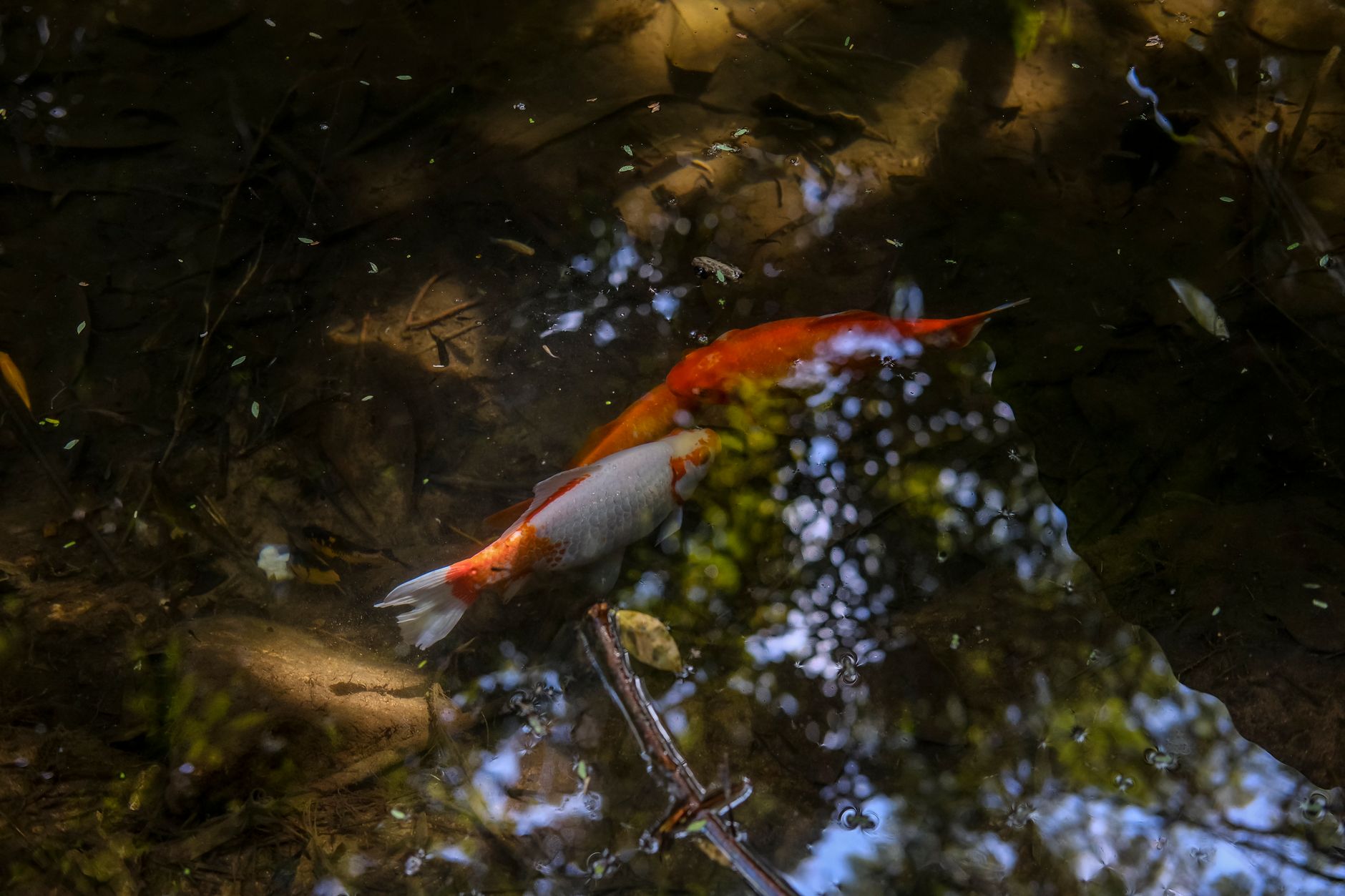
How Cold is Too Cold for Koi Fish? Ensuring Your Koi’s Winter Survival
How cold is too cold for koi fish? Generally, water temperatures consistently below 40°F (4.4°C) are considered dangerously cold for koi fish, threatening their health and survival by slowing their metabolism and compromising their immune systems. Maintaining a stable, slightly warmer temperature and providing adequate pond management are essential for overwintering koi successfully.

Understanding Koi Fish and Their Cold Tolerance
Koi, while relatively hardy, are cold-blooded animals, meaning their body temperature fluctuates with their environment. Understanding their biological response to cold is crucial for ensuring their survival during winter.
- Metabolic Slowdown: As water temperatures drop, a koi’s metabolism slows dramatically. They require significantly less food and become less active.
- Immune System Suppression: Cold temperatures weaken the koi’s immune system, making them more susceptible to diseases and parasites.
- Oxygen Requirements: Colder water holds more dissolved oxygen, which is generally beneficial. However, a frozen surface can prevent oxygen exchange, becoming detrimental.

Are fish heads good for the garden?
Can fish hear water?
What is cotton rot in fish?
What colours are fish most attracted to?
Factors Influencing Koi Cold Tolerance

Several factors influence how cold is too cold for koi fish. It isn’t just a single temperature point, but a complex interaction of environmental and biological conditions.
- Koi Size and Age: Larger, more mature koi tend to be more resilient to cold than smaller, younger fish.
- Water Quality: Poor water quality (high ammonia or nitrite levels) stresses koi and reduces their ability to tolerate cold.
- Acclimation: Gradual temperature decreases allow koi to acclimate better than sudden drops.
- Pond Depth: Deeper ponds offer more stable temperatures at the bottom, providing a refuge for koi.
Preparing Your Pond for Winter
Proper preparation is key to helping your koi survive the winter. The goal is to create a stable and safe environment for them.
- Pond Cleaning: Remove decaying organic matter (leaves, algae) to prevent ammonia buildup.
- Equipment Maintenance: Check and clean filters, pumps, and other equipment before winterizing.
- De-Icer or Aerator: Install a de-icer or aerator to maintain an open area in the ice, allowing for gas exchange.
- Stop Feeding: Gradually reduce and eventually stop feeding koi when water temperatures consistently drop below 50°F (10°C).
Monitoring and Managing Winter Pond Conditions
Regular monitoring is essential to detect and address any potential problems.
- Temperature Monitoring: Use a pond thermometer to monitor water temperature regularly.
- Visual Inspection: Observe koi behavior for signs of stress (lethargy, clamped fins, unusual swimming patterns).
- Water Testing: Periodically test water parameters (ammonia, nitrite, pH) to ensure water quality remains within acceptable limits.
- Snow Removal: Remove heavy snow accumulation from the pond surface to allow sunlight to penetrate and promote algae growth (a natural food source).
Common Mistakes in Overwintering Koi
Avoiding common mistakes can significantly improve your koi’s chances of survival.
- Overfeeding: Feeding koi when their metabolism is slow can lead to digestive problems and water quality issues.
- Sudden Temperature Changes: Rapid temperature fluctuations can stress koi and weaken their immune systems.
- Completely Shutting Down Filtration: Maintaining some level of filtration is important to remove waste products and maintain water quality.
- Neglecting Ice Management: Allowing the pond to freeze over completely can suffocate koi.
Frequently Asked Questions (FAQs)
What is the ideal water temperature for koi fish in winter?
The ideal winter water temperature for koi is between 40°F (4.4°C) and 50°F (10°C). While they can survive slightly colder temperatures, maintaining a temperature within this range minimizes stress and helps them conserve energy. It’s more important to have a stable temperature than a slightly warmer one.
How can I prevent my pond from freezing completely?
Using a pond de-icer or aerator is the most effective way to prevent a complete freeze. A de-icer keeps a small area of the surface ice-free, while an aerator circulates water to prevent ice formation. Never break the ice manually, as this can shock the fish.
Should I bring my koi indoors for the winter?
Bringing koi indoors is generally not recommended unless you have a very shallow pond or live in a region with extremely harsh winters. The stress of moving the fish and the difficulty of replicating their natural environment indoors can be detrimental. It is best to winterize your pond correctly.
What are the signs of cold stress in koi fish?
Signs of cold stress include lethargy, clamped fins, hiding at the bottom of the pond, and a loss of appetite. If you observe these signs, check the water temperature and water quality immediately.
How deep does my pond need to be for koi to survive winter?
A pond depth of at least 3-4 feet (0.9-1.2 meters) is generally recommended to provide a temperature-stable refuge for koi during the winter. Deeper ponds are less susceptible to temperature fluctuations.
Is it safe to feed koi during the winter months?
Generally, it’s not advisable to feed koi when water temperatures are consistently below 50°F (10°C). Their metabolism is too slow to properly digest food, which can lead to digestive problems and water quality issues.
What type of de-icer is best for a koi pond?
There are two main types of de-icers: floating and submersible. Both are effective, but floating de-icers are often preferred because they prevent the pond from freezing over completely without disrupting the water column. Ensure the de-icer is appropriately sized for your pond.
How often should I check my pond water parameters in winter?
Testing the water monthly is usually sufficient unless you suspect a problem. Pay particular attention to ammonia, nitrite, and pH levels.
Can I use a waterfall feature in my pond during the winter?
Running a waterfall feature in winter can actually decrease the water temperature in your pond, making it more difficult for koi to stay warm. It’s generally best to turn off waterfall features during the winter months.
Will my koi be active during the winter?
Koi will become much less active during the winter months as their metabolism slows down. They will typically stay near the bottom of the pond and move very little.
What should I do if I see ice forming on my pond?
If ice starts to form, immediately deploy your de-icer or aerator. Monitor the pond regularly to ensure that the ice doesn’t completely seal off the surface.
How long can koi survive under ice?
Koi can survive for several months under ice as long as there is sufficient dissolved oxygen in the water and toxic gas buildup is prevented. However, consistent monitoring is key to ensure their survival. Ultimately, how cold is too cold for koi fish depends on how well the pond environment is managed, particularly regarding ice and water quality.