

How Can You Tell If A Bear Is Big?
Determining the size of a bear in the wild requires careful observation and an understanding of bear biology; observing the bear’s overall stature, track size, and habitat provides the best clues for estimating its true size, especially when direct measurement is impossible.

Introduction: The Fascination with Bear Size
The sheer size of bears – particularly grizzly bears (Ursus arctos horribilis) and polar bears (Ursus maritimus) – has always captivated the human imagination. Understanding how can you tell if a bear is big? is crucial for wildlife enthusiasts, hikers, hunters, and anyone venturing into bear country. It helps us to appreciate these magnificent animals and make informed decisions about safety and coexistence. Estimating bear size isn’t about bragging rights; it’s about understanding their place in the ecosystem and making responsible choices when encountering them. This knowledge contributes to conservation efforts and reduces the potential for conflict.
What colours are fish most attracted to?
Can you put your finger in a trout's mouth?
Is methylene blue anti bacterial?
Does aquarium salt raise pH in aquarium?
Why Assessing Bear Size Matters

Knowing how can you tell if a bear is big? is more than just a matter of curiosity. It has practical implications:
- Safety: A larger bear may pose a greater perceived threat due to its strength and potential for damage. Understanding size can influence your reaction and preparedness.
- Conservation: Monitoring bear populations and their growth is essential for conservation efforts. Size data, even estimated, contributes to overall population assessments.
- Habitat Management: Large bears require significant territory and resources. Knowing the size distribution in an area informs habitat management strategies.
- Hunting Regulations: In areas where bear hunting is permitted, size often dictates legal harvest criteria.
Key Indicators of Bear Size
Several factors can contribute to a reasonably accurate size estimate, even from a distance. Remember that individual variation exists within bear populations, and these are guidelines, not absolute rules.
-
Overall Stature:
- Body Length: Observe the length from nose to tail when the bear is standing or walking. Compare it to familiar landmarks or objects. A truly large bear can appear deceptively small when on all fours, but their shoulder height will be noticeably impressive.
- Shoulder Hump: Grizzly bears have a pronounced shoulder hump, a mass of muscle that contributes to their digging power. A larger hump often indicates a larger bear. Black bears generally lack this distinct hump.
- Gait: A large bear tends to have a more deliberate and powerful gait. Their movements are less hurried than those of smaller bears.
-
Track Size:
- Width and Length: Measure the width and length of the bear’s tracks. Bigger tracks generally mean a bigger bear. Use a measuring tape if possible, or compare the tracks to your own foot or hand (for reference only – do not place your hand in the track).
- Claw Marks: Observe the presence and length of claw marks. While claw length varies between species, longer claws are often indicative of a larger bear.
-
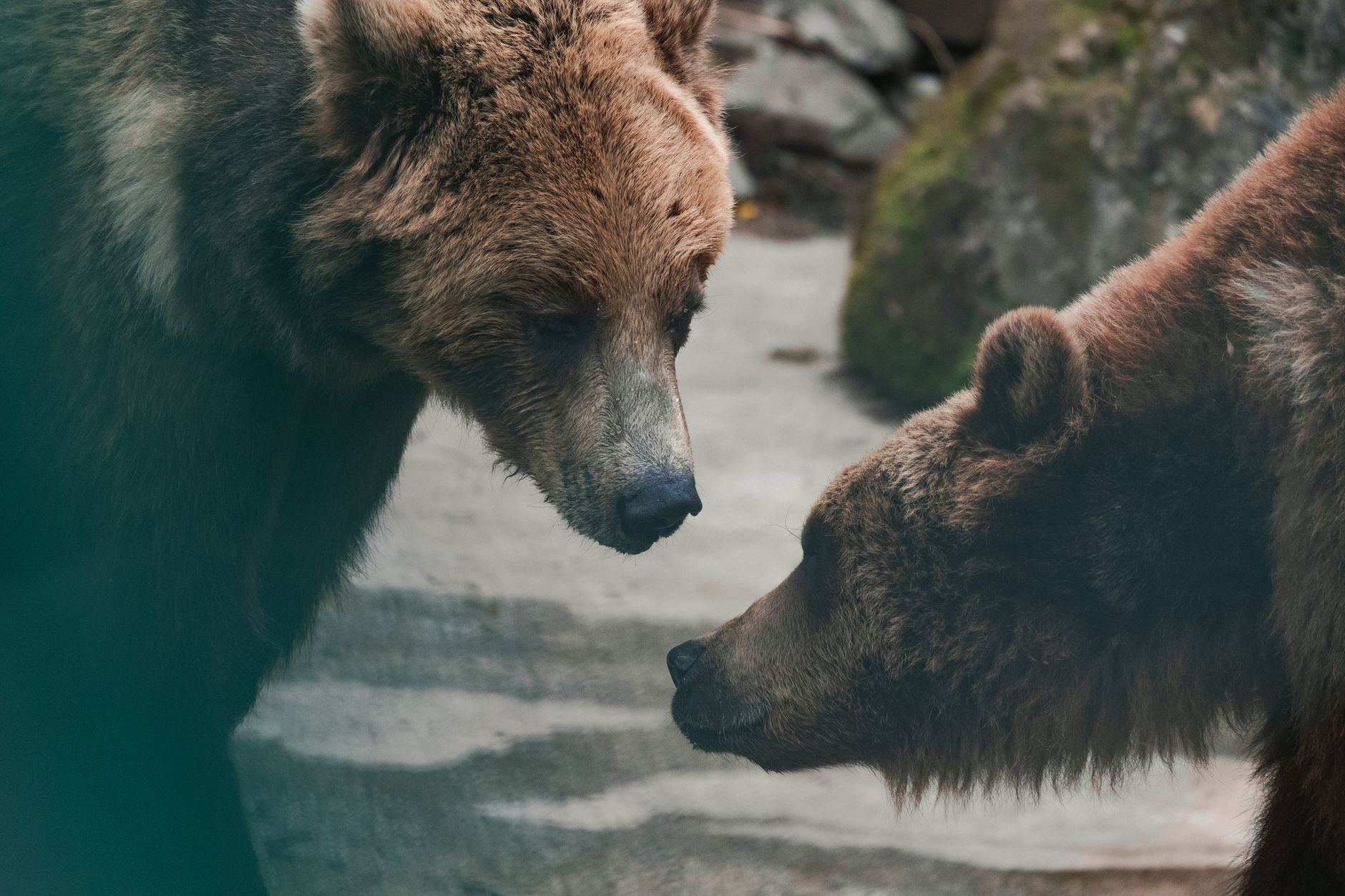
Head Size and Shape:
- Head Proportionality: A larger bear will typically have a proportionally larger head compared to its body.
- Snout Shape: Grizzly bears have a more dished facial profile and a broader snout than black bears. This contributes to an overall impression of size.
-
Habitat and Species:
- Species Identification: Knowing whether you’re observing a grizzly bear, a black bear, or a polar bear is crucial. Polar bears are generally the largest, followed by grizzlies, and then black bears.
- Geographic Location: Bear sizes vary geographically. For example, coastal brown bears (a type of grizzly) tend to be larger than interior grizzly bears.
-
Scat Size: Bear scat (feces) can be surprisingly informative. Larger diameter scat typically indicates a larger bear. However, diet plays a role, so this should be considered alongside other indicators.
Tools for Estimating Bear Size
While direct measurement is rarely possible in the wild, these tools can aid in estimation:
- Rangefinders: A rangefinder can help estimate the distance to the bear, allowing you to better judge its size relative to known objects.
- Cameras with Zoom: High-quality photos and videos can provide valuable data for later analysis. Zoom in to get a clearer view of physical features.
- Field Guides: Field guides provide comparative size information for different bear species and subspecies.
- Track Casting Kits: Creating a cast of a bear track allows for precise measurement and comparison.
Common Mistakes in Estimating Bear Size
- Underestimating Distance: People often underestimate the distance to a bear, leading to inaccurate size estimates.
- Ignoring Perspective: Perspective can distort the perceived size of an object. Be mindful of the angle from which you are viewing the bear.
- Assuming Uniformity: Not all bears of the same species are the same size. Individual variation is significant.
- Focusing on Weight Alone: Weight can be misleading. A bear that has recently gorged on food may appear larger than it actually is. Focus on overall stature and skeletal structure.
How can you tell if a bear is big? Summary of Techniques
Here’s a table summarizing the key indicators:
| Indicator | Observation | Interpretation | Notes |
|---|---|---|---|
| Overall Stature | Body length, shoulder hump, gait | Larger stature, pronounced hump, deliberate movement | Consider species and geographic location. |
| Track Size | Width, length, claw marks | Larger tracks and longer claw marks indicate a larger bear | Compare to your own foot (for reference only). |
| Head Size/Shape | Head proportionality, snout shape | Larger head, broader snout (in grizzlies) | Can be difficult to assess from a distance. |
| Habitat/Species | Location, bear species | Polar bears are generally largest, followed by grizzlies | Knowing the species is crucial. |
| Scat Size | Diameter of scat | Larger diameter suggests a larger bear | Diet can influence scat size. |
Frequently Asked Questions (FAQs)
What is the average size difference between male and female bears?
Male bears, also known as boars, are generally significantly larger than female bears, known as sows. This difference, called sexual dimorphism, is most pronounced in grizzly bears and polar bears. In some populations, males can be twice the weight of females.
How accurate can you be in estimating a bear’s weight without weighing it?
Estimating a bear’s weight accurately without actually weighing it is extremely difficult. Visual estimation can be off by hundreds of pounds, especially in larger bears. Even experienced biologists rely on physical measurements and formulas to calculate estimated weight.
Are there specific physical characteristics that differentiate a big black bear from a small grizzly bear?
Yes. While size can be deceiving, grizzly bears typically have a more pronounced shoulder hump, a dished facial profile, and longer claws compared to black bears. A black bear lacks a defined shoulder hump. Coat color is unreliable as black bears can be brown or even blonde.
Can age be a reliable indicator of size?
While generally older bears are larger, age is not a perfectly reliable indicator. Individual growth rates vary, and some bears may reach their maximum size relatively early in life, while others continue to grow slowly over many years. Access to food also plays a crucial role.
What should I do if I encounter a bear I think might be very large?
If you encounter a bear, regardless of its perceived size, maintain a safe distance. Speak in a calm voice, slowly back away, and avoid direct eye contact. Carry bear spray and know how to use it. Report any concerning encounters to local wildlife authorities.
Does a bear’s behavior provide any clues about its size?
Generally, a larger, more mature bear is more likely to be confident and less easily intimidated. However, all bears should be treated with respect and caution. A defensive bear may react aggressively regardless of its size.
How does seasonal variation affect a bear’s apparent size?
Bears accumulate significant fat reserves in the fall in preparation for winter dormancy. A bear in the fall will appear considerably larger and more robust than the same bear in the spring after it has lost weight during hibernation.
Are there any regional differences in bear size within the same species?
Yes, significant regional differences exist. Coastal brown bears in Alaska, for example, are typically much larger than grizzly bears in the interior of North America due to their access to salmon.
Is it possible to reliably estimate bear size from photographs or videos?
Estimating bear size from photos and videos can be helpful, especially if there are familiar objects in the frame for scale. However, perspective and camera angles can distort the image. It’s best to use photos and videos as supplementary information rather than relying solely on them.
How do scientists accurately measure bear size in the wild?
Scientists use several methods, including remote cameras, darting and immobilization, and hair snagging techniques. These methods allow for direct measurement and weigh-ins, providing accurate data on bear size and growth.
What role does diet play in determining a bear’s size?
Diet plays a critical role in determining a bear’s size. Bears with access to abundant and nutritious food sources, such as salmon or berries, tend to grow larger and faster than bears with limited food availability.
Are there any apps or online tools that can help estimate bear size?
While some apps and online tools claim to estimate bear size, their accuracy is highly questionable. These tools often rely on subjective input and should not be considered reliable for making informed decisions about safety or conservation. The best approach to how can you tell if a bear is big? is always informed observation and education.