

How Big is a 10,000 Gallon?
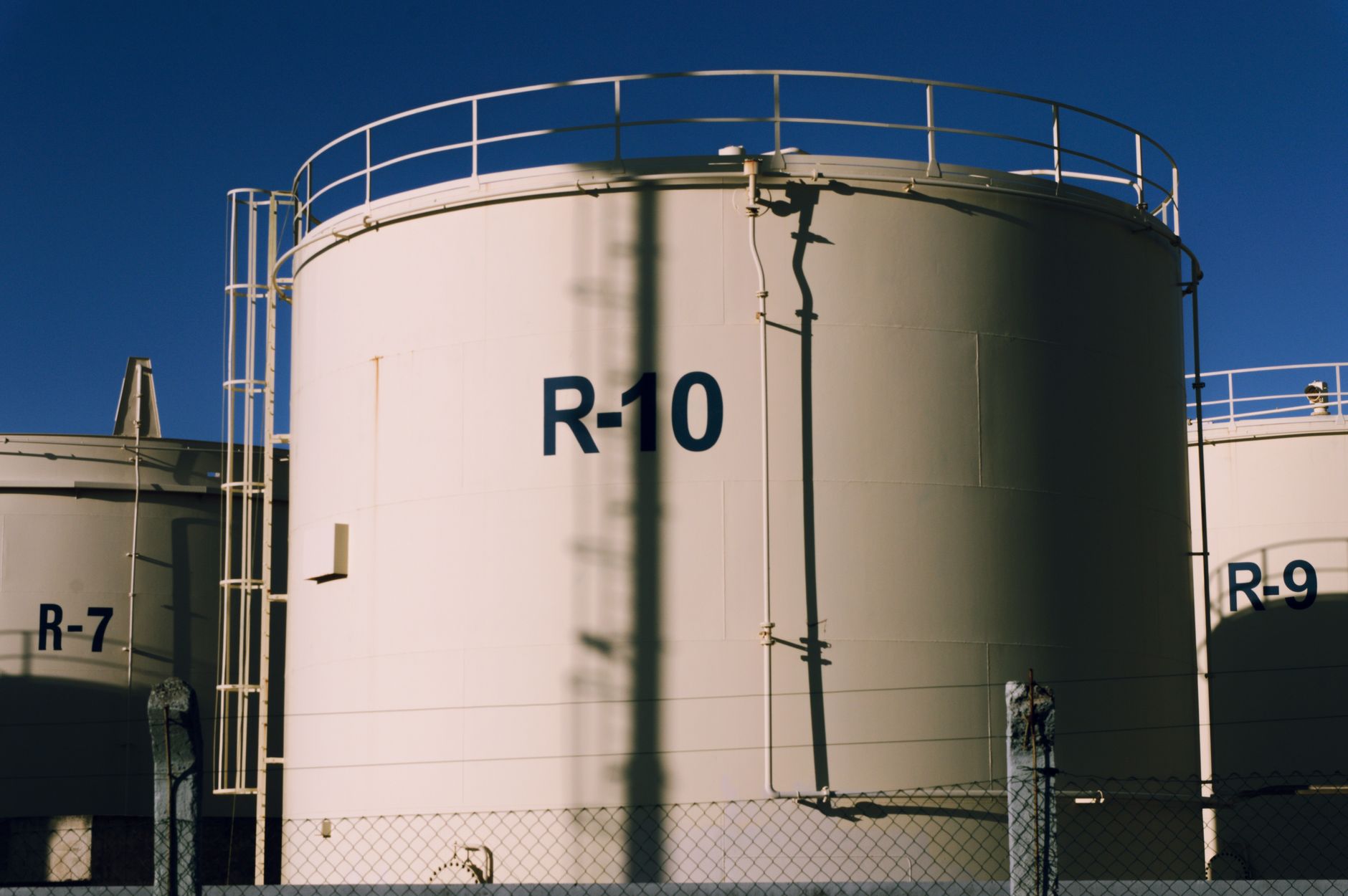
A 10,000-gallon volume is substantial, roughly equivalent to the size of a small swimming pool, and determining exactly how big it is depends on the shape of the container. It can fill a space about 12 feet in diameter and 12 feet high for a cylindrical tank, or a rectangular volume of 20 feet long, 10 feet wide, and 5 feet deep.

Understanding Volume and Gallons
The concept of volume is fundamental to understanding how big is a 10000 gallon? Volume represents the amount of three-dimensional space occupied by a substance. A gallon is a unit of volume, specifically used in the United States Customary System. One U.S. gallon is equivalent to 231 cubic inches, approximately 3.785 liters, or about 8.34 pounds of water at room temperature. Grasping this basic relationship between volume and gallons provides the framework for visualizing and calculating the dimensions of a 10,000-gallon container.
What colours are fish most attracted to?
Can you put your finger in a trout's mouth?
Is methylene blue anti bacterial?
Does aquarium salt raise pH in aquarium?
Visualizing 10,000 Gallons

Visualizing such a large volume can be challenging. Consider some common objects and their approximate gallon capacity:
- A standard bathtub holds roughly 80 gallons.
- A hot tub might hold between 300 and 500 gallons.
- A typical residential swimming pool can range from 10,000 to 20,000+ gallons.
Therefore, a 10,000-gallon capacity represents a volume on the larger end of a small swimming pool or a significant number of bathtubs. This comparison aids in developing a mental picture of its magnitude.
Calculating Dimensions: Different Shapes
The actual physical dimensions of a 10,000-gallon volume will vary significantly depending on the container’s shape. Here are a few common shapes and their approximate dimensions:
-
Cylindrical Tank:
- Diameter: ~12 feet
- Height: ~12 feet
-
Rectangular Tank:
- Length: ~20 feet
- Width: ~10 feet
- Height: ~5 feet
-
Spherical Tank:
- Diameter: ~13.4 feet
The table below summarizes these dimensions:
| Tank Shape | Dimensions (Approximate) |
|---|---|
| Cylindrical | Diameter: 12 ft, Height: 12 ft |
| Rectangular | Length: 20 ft, Width: 10 ft, Height: 5 ft |
| Spherical | Diameter: 13.4 ft |
These calculations are approximations, and precise dimensions will depend on the manufacturer’s specifications and desired proportions.
Practical Applications of 10,000-Gallon Tanks
Understanding how big is a 10000 gallon? becomes vital when considering its practical applications. These tanks are frequently used for:
- Water storage (residential, agricultural, industrial)
- Rainwater harvesting systems
- Chemical storage (in industrial settings)
- Wastewater management
- Fire suppression systems
The size and dimensions play a critical role in determining where these tanks can be installed and how they are used. For example, a cylindrical tank might be preferred for underground storage due to its structural integrity, while a rectangular tank could be more suitable for above-ground applications where space is limited.
Factors Affecting Tank Size Selection
Several factors influence the decision to use a 10,000-gallon tank:
- Space availability: Can the intended location accommodate the tank’s dimensions?
- Usage requirements: Is 10,000 gallons sufficient for the intended application?
- Local regulations: Are there any restrictions on tank size or placement?
- Cost: The cost of the tank, installation, and maintenance must be considered.
- Material: The type of material used (e.g., polyethylene, steel) will affect the tank’s size and strength.
Careful consideration of these factors will ensure that the chosen tank is the appropriate size and type for the specific needs.
Common Misconceptions About Tank Size
One common misconception is that all 10,000-gallon tanks are created equal. While the volume is the same, the physical dimensions can vary widely. Another misconception is underestimating the weight of 10,000 gallons of water. Weighing over 83,000 pounds, proper foundation and structural support are crucial. Finally, many people underestimate the footprint required for installation, neglecting to account for access for maintenance and repairs.
Importance of Professional Installation
Given the size and weight involved, professional installation is highly recommended for 10,000-gallon tanks. Professionals have the experience and equipment necessary to:
- Prepare the site properly
- Ensure the tank is level and stable
- Connect the tank to plumbing and electrical systems correctly
- Comply with all applicable regulations
Improper installation can lead to leaks, structural damage, and even catastrophic failure, highlighting the importance of hiring qualified professionals.
What are the typical dimensions of a 10,000-gallon cylindrical water tank?
Cylindrical tanks are common for water storage. A 10,000-gallon cylindrical tank typically has a diameter of about 12 feet and a height of about 12 feet. However, these are approximate values, and the exact dimensions can vary depending on the manufacturer and the specific design of the tank.
How much does 10,000 gallons of water weigh?
Water weighs approximately 8.34 pounds per gallon at room temperature. Therefore, 10,000 gallons of water weigh approximately 83,400 pounds or 41.7 tons. This substantial weight is a crucial factor in determining the appropriate foundation and support for the tank.
What materials are commonly used to construct 10,000-gallon tanks?
Common materials include polyethylene (plastic), fiberglass, and steel. Polyethylene tanks are lightweight, corrosion-resistant, and relatively inexpensive. Fiberglass tanks offer good strength and durability. Steel tanks, especially those made of carbon steel, are strong but can be susceptible to corrosion if not properly coated.
Can a 10,000-gallon tank be buried underground?
Yes, specialized underground tanks exist with sufficient structural integrity to withstand soil pressure. These tanks are typically made of reinforced polyethylene, fiberglass, or steel and require careful installation to prevent damage. They are ideal for situations where above-ground space is limited or aesthetics are a concern.
What regulations apply to the installation of large water tanks?
Local, state, and federal regulations may apply to the installation of large water tanks, depending on the intended use. These regulations may address issues such as setbacks from property lines, permits for construction, and compliance with environmental standards. It’s critical to consult with local authorities to ensure compliance before installation.
How do you clean a 10,000-gallon water tank?
Cleaning a large water tank requires careful planning and execution. The tank should be emptied, and any sediment or debris removed. Scrubbing the interior walls with a mild detergent and rinsing thoroughly with potable water is recommended. Disinfecting the tank with a chlorine solution may also be necessary. Always follow safety guidelines and wear appropriate protective gear.
How long will 10,000 gallons of water last for a family of four?
The duration depends heavily on water usage habits. Assuming an average daily water consumption of 50-100 gallons per person, a family of four would use 200-400 gallons per day. Therefore, 10,000 gallons could last anywhere from 25 to 50 days. This is just an estimate, as consumption can vary significantly.
What is the difference between a water tank and a cistern?
While the terms are sometimes used interchangeably, a water tank typically refers to a manufactured container used for storing water, while a cistern is often an underground reservoir used for collecting rainwater. Both serve the purpose of water storage but differ in their construction and origin.
How much does a 10,000-gallon water tank cost?
The cost can vary significantly depending on the material, brand, and features. Generally, a 10,000-gallon polyethylene tank might cost between $5,000 and $15,000, while a steel or fiberglass tank could cost more. Installation costs are additional.
What are the benefits of using a large water tank?
Large water tanks provide a reliable water supply during droughts, power outages, or emergencies. They can also be used for rainwater harvesting, reducing reliance on municipal water sources. They are essential for agricultural irrigation, industrial processes, and fire suppression.
Can a 10,000-gallon tank be used to store liquids other than water?
Yes, provided the tank material is compatible with the specific liquid. Polyethylene tanks are suitable for many chemicals, but steel tanks may require special coatings to prevent corrosion. Always consult with the tank manufacturer to ensure compatibility before storing anything other than water.
What kind of foundation is needed for a 10,000-gallon tank?
A solid, level foundation is crucial. This could be a reinforced concrete slab, a compacted gravel base, or a specially engineered support structure. The foundation must be able to bear the weight of the full tank (over 83,000 pounds for water) and prevent settling or shifting, which can damage the tank. A professional engineer should assess the site conditions and design the appropriate foundation.