

How Big Do Wild Weasels Get? Unveiling the Size Secrets of These Agile Predators
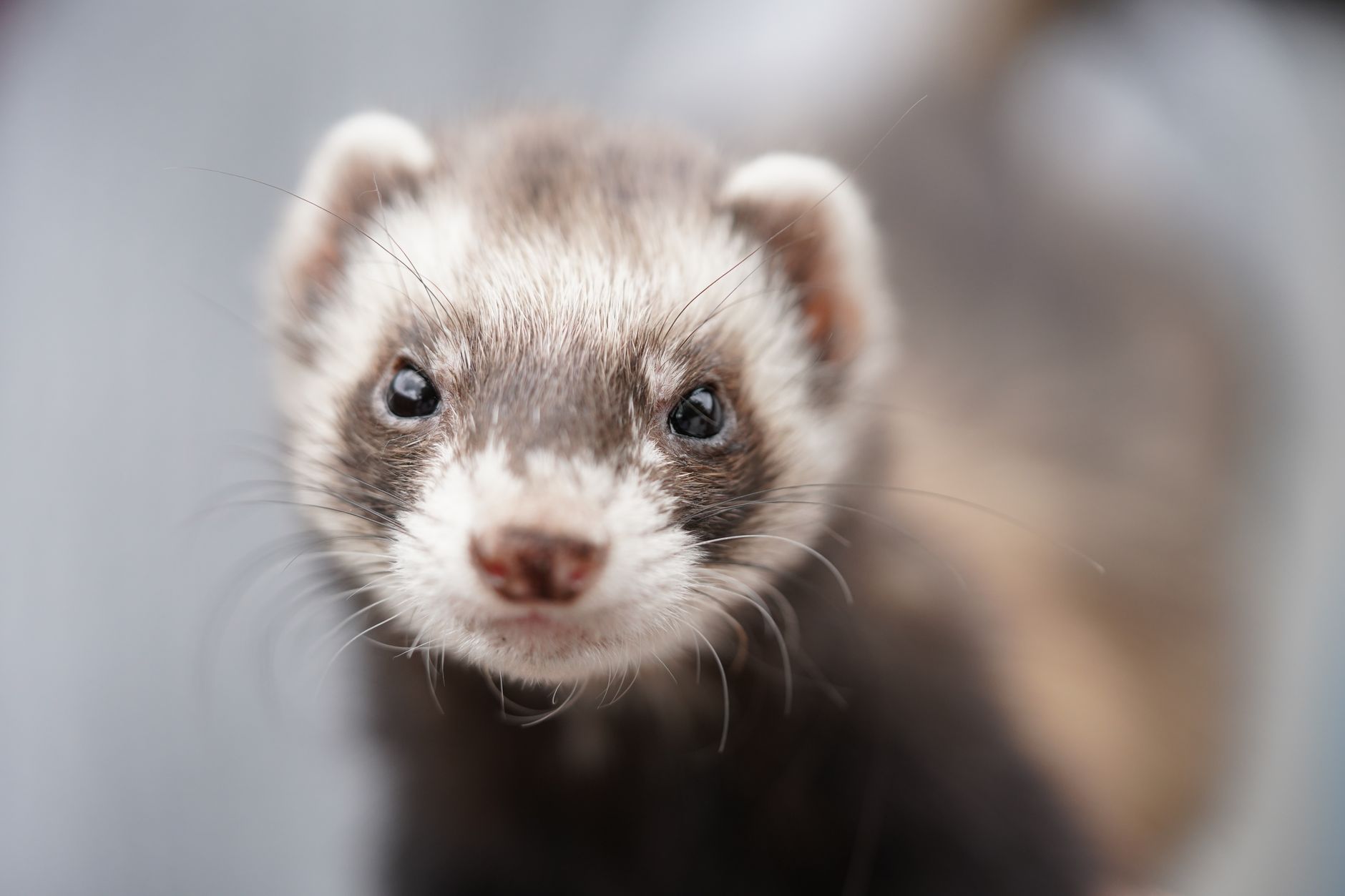
Wild weasels, masters of stealth and agility, vary significantly in size depending on species and gender, but generally, they are small to medium-sized carnivores, with body lengths ranging from 7 to 18 inches, excluding the tail.
Introduction: The Weasel Family and Their Diverse Dimensions
The weasel family, Mustelidae, is one of the most diverse groups of carnivores, encompassing a wide range of species, from the tiny least weasel to the significantly larger wolverine. When we focus on the true weasels (genus Mustela), a fascinating picture emerges regarding their size. How big do wild weasels get? isn’t a simple question, as different species and even genders within those species exhibit considerable variation. Understanding the factors that influence weasel size is key to appreciating their ecological roles and adaptations.

Is distilled water good for goldfish?
What colours are fish most attracted to?
Can you put your finger in a trout's mouth?
Is methylene blue anti bacterial?
Factors Influencing Weasel Size

Several factors contribute to the size differences observed among wild weasels:
- Species: Different weasel species have evolved to occupy different ecological niches, leading to variations in size and body structure.
- Gender: Sexual dimorphism, where males are significantly larger than females, is common in weasels. This difference is thought to be related to competition for mates and the demands of reproduction.
- Geographic Location: Environmental factors such as prey availability and climate can also influence weasel size. Weasels in colder climates, for example, may tend to be larger to conserve heat.
- Diet: The type and abundance of prey available in a weasel’s habitat directly affect its ability to grow and maintain its size.
Size Ranges of Common Weasel Species
To answer the question, how big do wild weasels get?, let’s examine some of the most common species and their approximate size ranges.
| Species | Average Body Length (excluding tail) | Average Weight | Notes |
|---|---|---|---|
| Least Weasel | 6-10 inches | 1.2-3.5 ounces | The smallest member of the weasel family. |
| Short-tailed Weasel (Ermine) | 6-12 inches | 1.5-5.3 ounces | Possesses a characteristic black-tipped tail. |
| Long-tailed Weasel | 8-11 inches (females), 11-16 inches (males) | 3-9 ounces (females), 5-13 ounces (males) | Exhibits significant sexual dimorphism; males are noticeably larger. |
| European Weasel (Stoat) | 7-12 inches | 1.5-6.7 ounces | Similar to the ermine, it also develops a white winter coat. |
Why Size Matters for Weasels
A weasel’s size plays a crucial role in its survival and ecological function.
- Predation: Size determines the types of prey a weasel can successfully hunt. Larger weasels can tackle larger prey, while smaller weasels are better suited for hunting smaller rodents and insects.
- Thermoregulation: Smaller weasels have a higher surface area to volume ratio, making them more susceptible to heat loss. Larger weasels are better able to retain body heat in cold environments.
- Competition: Size influences a weasel’s ability to compete with other predators for resources.
- Burrowing: Smaller weasels are able to access smaller burrows, giving them an advantage in hunting and escaping predators.
Conservation Considerations
Understanding the size and distribution of different weasel species is essential for their conservation. Habitat loss, fragmentation, and climate change can all impact weasel populations. Monitoring their size and health can provide valuable insights into the overall health of ecosystems.
Frequently Asked Questions (FAQs)
What is the smallest weasel species in the world?
The least weasel (Mustela nivalis) holds the title of the smallest weasel species. These tiny predators typically measure between 6 and 10 inches in length, making them truly diminutive hunters.
Are male weasels always bigger than female weasels?
In most weasel species, males are significantly larger than females. This sexual dimorphism is particularly pronounced in the long-tailed weasel. However, the degree of size difference can vary depending on the specific species and population.
Do weasels change size depending on the season?
While weasels don’t typically undergo drastic changes in overall size seasonally, some species, like the ermine (short-tailed weasel), change the color of their coat to white in winter for camouflage. This can create the illusion of size change due to the difference in appearance.
How does diet affect weasel size?
A consistent and abundant food supply is crucial for weasels to reach their potential size. A lack of prey or poor-quality food can stunt growth and lead to smaller body sizes. Dietary deficiencies can particularly affect young weasels during their development.
What kind of habitat supports larger weasels?
Habitats with a stable and diverse food supply, as well as protection from predators and harsh weather conditions, tend to support larger weasel populations. Areas with abundant rodents and other small mammals are particularly favorable.
Can weasels grow larger in captivity?
Weasels in captivity, with consistent food and veterinary care, may sometimes grow slightly larger than their wild counterparts. However, genetics and species-specific factors still play a significant role in determining their maximum size.
Is it possible to tell a weasel’s age by its size?
While size can provide a general indication of age, it’s not a reliable method for determining a weasel’s exact age. Factors such as genetics, diet, and overall health also influence their size. Dental examination is a more accurate method for aging weasels.
Do all weasel species have the same body proportions?
No, different weasel species have varying body proportions. Some species, like the long-tailed weasel, have relatively long bodies and tails, while others have shorter, more compact bodies. These differences reflect their specific adaptations to different environments and lifestyles.
What predators affect the size of weasel populations?
Predators such as owls, hawks, foxes, and coyotes can impact weasel populations. In areas with high predator pressure, weasels may exhibit slower growth rates or smaller body sizes as a survival strategy. Avoiding predators is crucial for their survival.
Are there any endangered weasel species?
While many weasel populations are stable, some species or subspecies are considered endangered or threatened due to habitat loss, hunting, and other factors. Conservation efforts are essential to protect these vulnerable populations.
How does climate change impact weasel size?
Climate change can indirectly affect weasel size by altering prey availability and habitat conditions. Changes in temperature and precipitation can disrupt ecosystems and impact the distribution and abundance of rodents and other small mammals, which are key prey items for weasels.
Why is understanding weasel size important for conservation?
Understanding weasel size is important for conservation because it provides insights into their overall health, reproductive success, and adaptation to their environment. Monitoring weasel size trends can help researchers and conservationists assess the impacts of environmental changes and develop effective conservation strategies. How big do wild weasels get? is more than just a question of curiosity; it’s a key indicator of ecological health.