

Has Anyone Beat Rabies? A Triumph of Modern Medicine
The answer is a qualified yes. While rabies remains almost universally fatal once symptoms appear, modern medical interventions, notably the Milwaukee Protocol and advancements in intensive care, have shown a rare but definitive ability to facilitate survival against all odds in a few documented cases, showing that has anyone beat rabies? is not a purely rhetorical question.
Rabies: A Historical Perspective
Rabies, a viral disease transmitted through the saliva of infected animals, has plagued humanity for millennia. Historically, a diagnosis of symptomatic rabies was considered a death sentence, and for good reason. The virus attacks the central nervous system, causing a horrifying cascade of neurological symptoms including agitation, hydrophobia (fear of water), paralysis, and ultimately, death. Understanding the disease’s brutal efficiency has driven relentless efforts to find effective treatments. For centuries, the only recourse was prevention through vaccination post-exposure, pioneered by Louis Pasteur in the 19th century.

What colours are fish most attracted to?
Can you put your finger in a trout's mouth?
Is methylene blue anti bacterial?
Does aquarium salt raise pH in aquarium?
The Milwaukee Protocol: A Glimmer of Hope
The development of the Milwaukee Protocol, spearheaded by Dr. Rodney Willoughby Jr., at Children’s Hospital of Wisconsin, marked a turning point in the fight against rabies. The protocol involved placing patients into a medically induced coma and administering antiviral medications in an attempt to protect the brain from further damage, allowing the immune system time to mount a response. The protocol was first used successfully in 2004 on Jeanna Giese, a teenager who contracted rabies from a bat.
This was truly groundbreaking, raising the question: Has anyone beat rabies? and for the first time, providing a tangible, if still experimental, answer.
Limitations and Controversies
While the Milwaukee Protocol offered hope, its success rate has been limited. Jeanna Giese remains one of only a handful of documented survivors following the protocol. Subsequent attempts have often failed, leading to considerable debate about its efficacy and reproducibility. Key limitations include:
- The variable strain of the rabies virus.
- The timing of intervention.
- The patient’s individual immune response.
- The intensity and type of supportive care available.
These factors significantly impact the chances of success. Also, the intensive care requirements and potential complications associated with medically induced coma are considerable, making the decision to implement the protocol a complex one.
Modern Intensive Care: The Unsung Hero
Beyond specific protocols like the Milwaukee Protocol, improvements in intensive care have also played a crucial role in the few successful cases of rabies survival. Advanced life support, including mechanical ventilation, nutritional support, and management of complications such as seizures and respiratory failure, can buy precious time for the body to fight the virus. Even if specific antiviral therapies are not effective, these supportive measures can be life-saving.
Prevention Remains Paramount
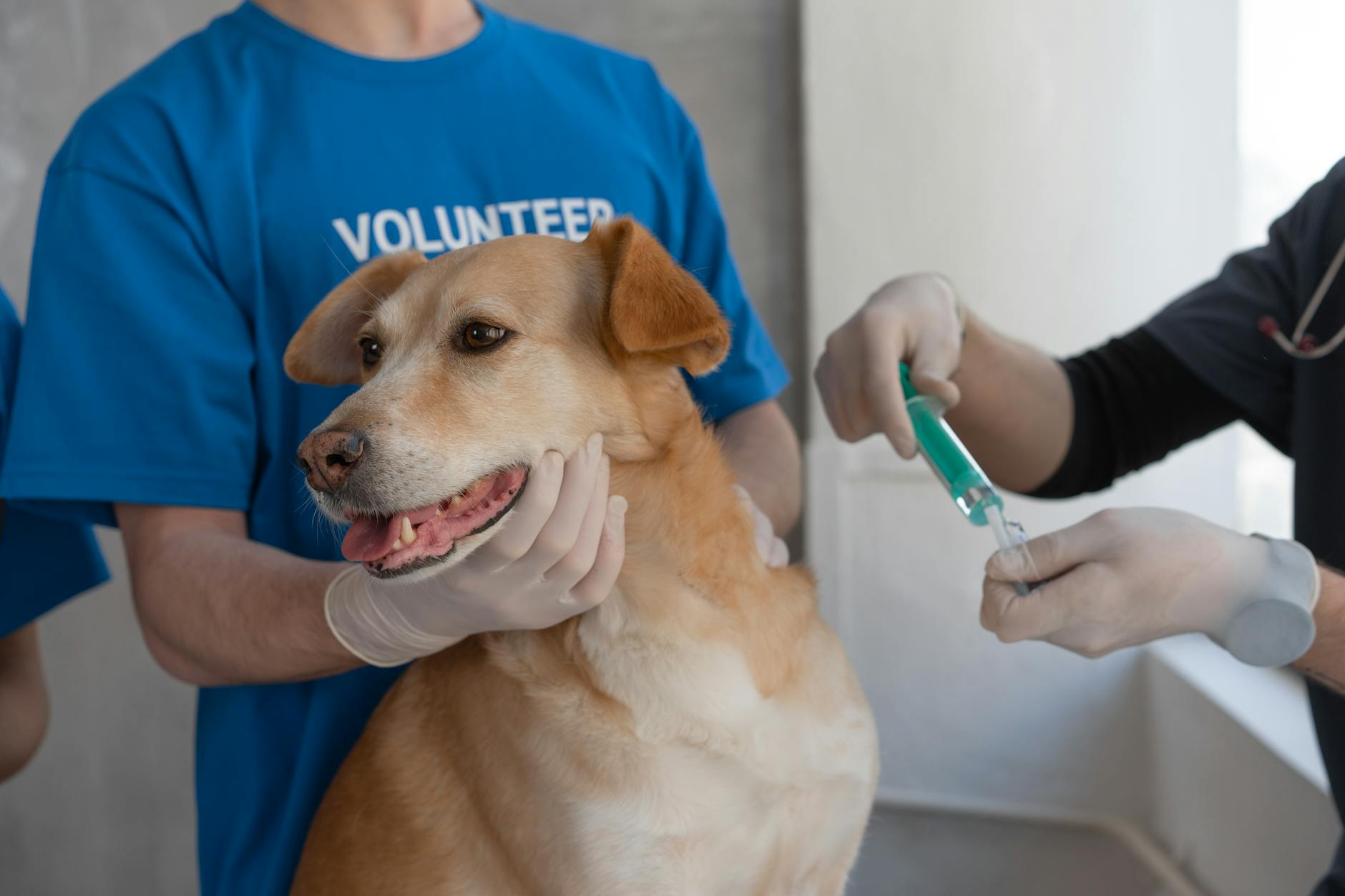
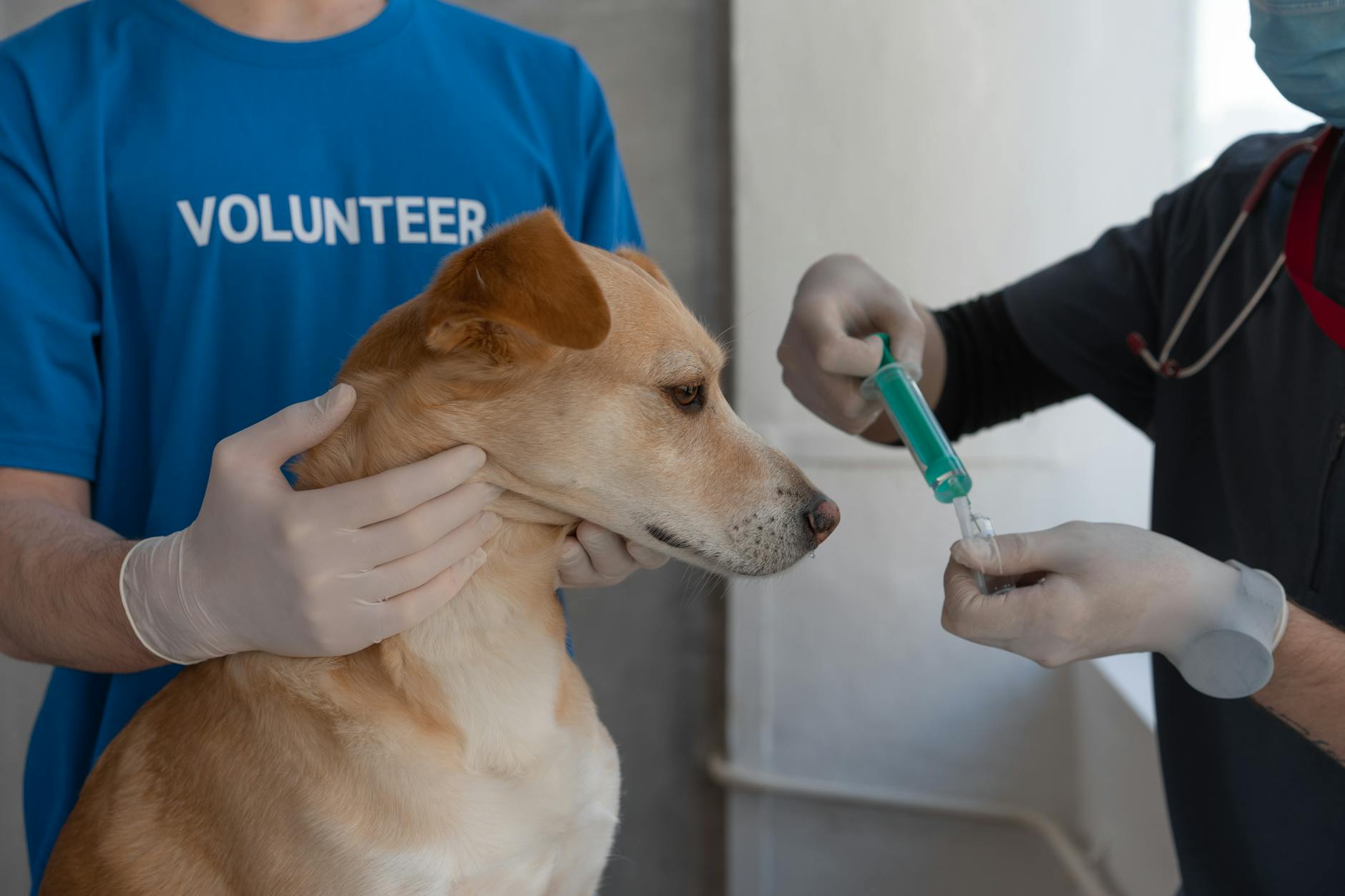
Despite advancements in treatment, the best defense against rabies remains prevention. Post-exposure prophylaxis (PEP) with rabies vaccine and rabies immunoglobulin (RIG) is highly effective if administered promptly after exposure to a potentially rabid animal. The process is relatively straightforward:
- Wound Care: Thoroughly wash the wound with soap and water.
- RIG Administration: Inject rabies immunoglobulin (RIG) into and around the wound, if anatomically feasible. If not, inject intramuscularly in the opposite shoulder from the vaccine injection site.
- Vaccination: Administer a series of rabies vaccine injections over several weeks.
Adherence to the full PEP regimen is critical to ensure protection against the virus.
Future Directions in Rabies Treatment
Research into new and more effective rabies treatments is ongoing. Potential avenues include:
- Monoclonal Antibodies: Developing more potent and specific monoclonal antibodies to neutralize the virus.
- Gene Therapy: Exploring gene therapy approaches to enhance the immune response to the virus.
- Novel Antivirals: Identifying new antiviral compounds that can directly inhibit viral replication.
These research efforts offer hope for a future where rabies is no longer a death sentence.
Is Beating Rabies Really Possible?
Has anyone beat rabies? While survival is rare, the answer is yes. Individual cases exist where patients, primarily with intensive supportive care (and sometimes the Milwaukee Protocol), have survived clinically confirmed rabies infection. These instances underscore that rabies, while terrifying, is not always fatal. Ongoing research and advancements in medical care offer cautious optimism for improved outcomes in the future.
Addressing Concerns about Potential Treatments
It’s important to acknowledge that the subject of rabies treatment and survival is fraught with misinformation and unsubstantiated claims. Anecdotal evidence and unverified reports should be viewed with extreme skepticism. The successful cases are meticulously documented, with confirmed rabies diagnoses and rigorous monitoring of treatment outcomes. It is imperative to rely on information from reputable sources such as the Centers for Disease Control and Prevention (CDC) and the World Health Organization (WHO).
Frequently Asked Questions (FAQs)
What exactly is rabies?
Rabies is a viral disease that affects the central nervous system, typically transmitted through the saliva of infected animals. It is almost always fatal once symptoms appear.
How common is rabies?
While rare in developed countries due to widespread vaccination of domestic animals, rabies remains a significant public health problem in many parts of the world, particularly in Africa and Asia.
What are the symptoms of rabies?
Symptoms of rabies can include fever, headache, fatigue, agitation, confusion, hallucinations, hydrophobia (fear of water), paralysis, and coma.
How is rabies diagnosed?
Rabies can be diagnosed through laboratory testing of saliva, skin biopsies, or cerebrospinal fluid. Post-mortem diagnosis can be made through brain tissue examination.
What is post-exposure prophylaxis (PEP)?
PEP is a treatment given after potential exposure to rabies. It involves wound care, administration of rabies immunoglobulin (RIG), and a series of rabies vaccine injections.
How effective is PEP?
PEP is highly effective in preventing rabies if administered promptly after exposure. The sooner it is started, the better the chance of preventing the disease.
What is rabies immunoglobulin (RIG)?
RIG contains antibodies that neutralize the rabies virus. It is administered at the site of the wound to provide immediate protection.
What is the rabies vaccine?
The rabies vaccine stimulates the body’s immune system to produce antibodies against the virus. A series of injections is required to achieve optimal protection.
Is there a cure for rabies?
Once symptoms of rabies appear, there is currently no reliable cure. Treatment focuses on supportive care and, in some cases, experimental therapies like the Milwaukee Protocol.
What is the Milwaukee Protocol?
The Milwaukee Protocol involves placing patients into a medically induced coma and administering antiviral medications in an attempt to protect the brain from further damage. Its success rate is limited.
Are there any other treatments for rabies being researched?
Yes, research is ongoing into new and more effective treatments for rabies, including monoclonal antibodies, gene therapy, and novel antiviral compounds.
What should I do if I am bitten by an animal?
If you are bitten by an animal, immediately wash the wound thoroughly with soap and water. Seek medical attention and report the bite to your local health department. They can assess the risk of rabies and recommend appropriate treatment.