
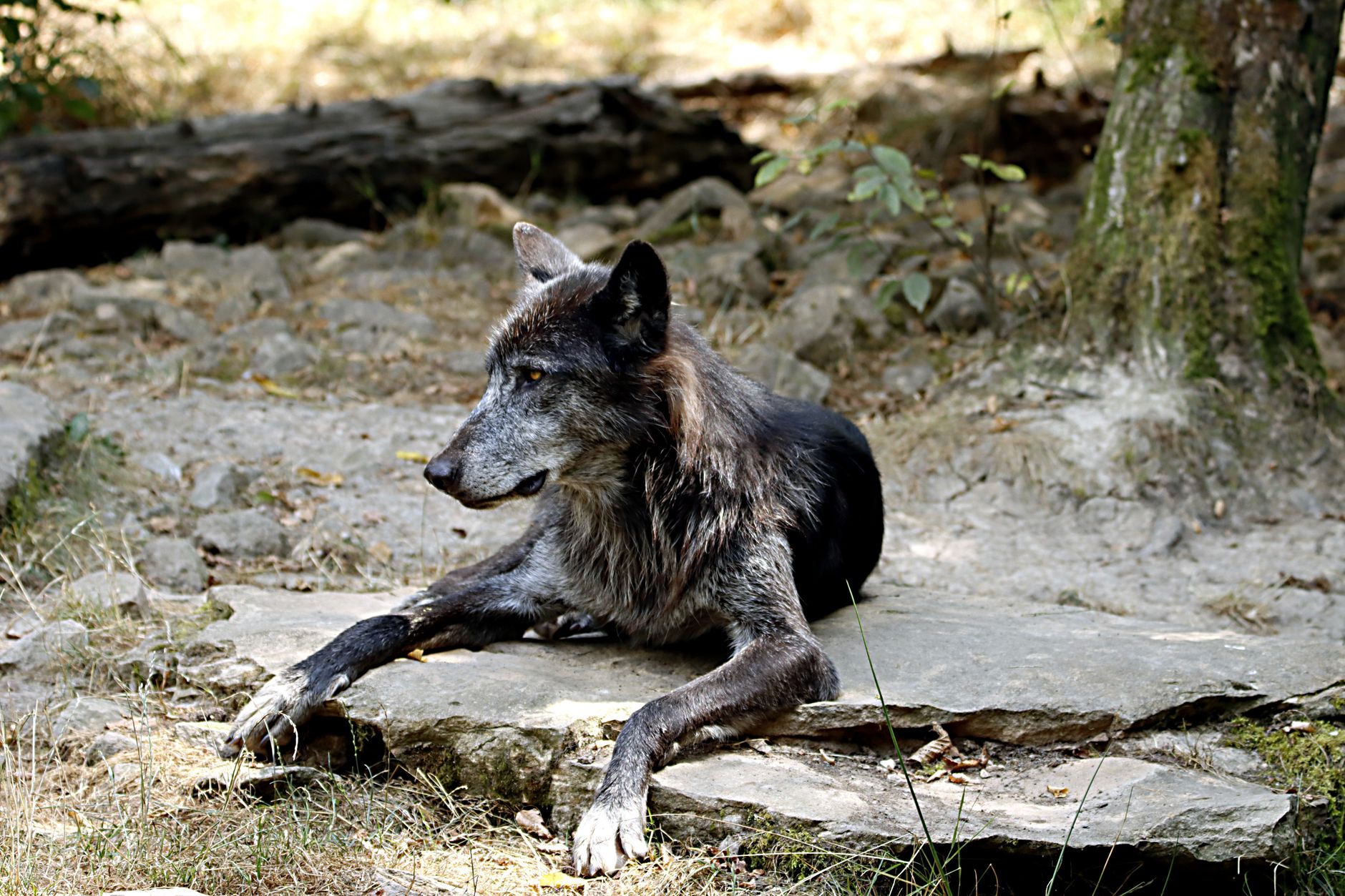
Does Wolf Urine Get Rid of Coyotes?: Separating Fact from Myth
The question of whether wolf urine repels coyotes is a common one. The definitive answer is: while wolf urine may offer some temporary deterrent effects for coyotes, its efficacy is highly variable and unreliable as a long-term solution.

Understanding the Coyote-Wolf Dynamic
Coyotes and wolves occupy a complex and often overlapping ecological niche. Wolves are generally the dominant predator, and coyotes will naturally avoid areas heavily populated by wolves to minimize the risk of predation or competition for resources. This dynamic fuels the idea that wolf urine, mimicking the presence of wolves, could deter coyotes from specific areas. However, real-world application proves much more nuanced.

Is distilled water good for goldfish?
What colours are fish most attracted to?
Can you put your finger in a trout's mouth?
Is methylene blue anti bacterial?
Potential Benefits of Using Wolf Urine

The theoretical benefits of using wolf urine to deter coyotes stem from the coyote’s innate avoidance behavior:
- Mimicking a Predatory Threat: The scent of wolf urine signals the presence of a dominant predator, potentially scaring coyotes away.
- Protecting Livestock or Pets: Property owners hope wolf urine can create a “buffer zone” around their property, protecting vulnerable animals.
- Reducing Property Damage: By deterring coyotes, some believe wolf urine can prevent damage to gardens, yards, or outbuildings.
Why Wolf Urine’s Effectiveness is Questionable
Despite the theoretical appeal, the effectiveness of wolf urine as a coyote deterrent is questionable for several reasons:
- Limited Scientific Evidence: There is little rigorous scientific research proving the efficacy of wolf urine in consistently repelling coyotes. Anecdotal reports vary widely.
- Habituation: Coyotes are intelligent and adaptable. They can quickly learn that the scent of wolf urine doesn’t necessarily equate to a real threat, especially if no actual wolves are present.
- Environmental Factors: Rain, snow, and sunlight degrade the scent of wolf urine, requiring frequent reapplication to maintain any potential deterrent effect.
- Urine Composition Variation: The composition of wolf urine can vary depending on the wolf’s diet, health, and reproductive status, potentially affecting its potency.
- Availability and Authenticity: Sourcing authentic wolf urine can be challenging. Many products marketed as wolf urine are actually diluted or even fake.
The Process of Using Wolf Urine (If You Choose To)
If you decide to try using wolf urine to deter coyotes, keep in mind that it is not a guaranteed solution. Here’s the typical application process:
- Source Authentic Wolf Urine: Purchase from a reputable supplier specializing in predator scents. Verify the source as much as possible.
- Strategic Placement: Apply small amounts of urine around the perimeter of the area you want to protect, focusing on entry points or areas where coyotes have been sighted.
- Regular Reapplication: Reapply every few days, or more frequently after rain or snow.
- Combine with Other Deterrents: Wolf urine is most likely to be effective when used in conjunction with other coyote deterrent methods, such as fencing, motion-activated lights, or noise makers.
Common Mistakes to Avoid
- Over-Reliance: Don’t rely solely on wolf urine as your only coyote deterrent method.
- Inconsistent Application: Inconsistent reapplication will render the urine ineffective.
- Using Fake or Diluted Urine: Ensure you’re using genuine, undiluted wolf urine for the best chance of success.
- Ignoring Other Attractants: Remove potential food sources, such as pet food left outdoors, garbage, or fallen fruit. Coyotes are more likely to tolerate a perceived threat if a food source is readily available.
- Expecting Instant Results: It may take time for coyotes to recognize and react to the scent of wolf urine. Don’t give up after just a few days.
Alternatives to Wolf Urine for Coyote Deterrence
Given the limitations of wolf urine, consider these more reliable coyote deterrent methods:
- Fencing: A properly constructed fence (at least 6 feet tall with an inward-facing overhang) can effectively keep coyotes out.
- Motion-Activated Lights and Sprinklers: These can startle coyotes and deter them from approaching.
- Guard Animals: Livestock guardian dogs (LGDs) are specifically bred to protect livestock from predators, including coyotes.
- Noise Makers: Air horns, whistles, or loud music can temporarily scare coyotes away.
- Removing Attractants: Eliminate food sources such as pet food, garbage, and fallen fruit.
- Professional Wildlife Management: Contact a professional wildlife control operator for more comprehensive and effective coyote management strategies.
Conclusion
While the idea of using wolf urine to scare away coyotes is appealing, the reality is that Does wolf urine get rid of coyotes?: probably not reliably. Its efficacy is highly dependent on various factors, and scientific evidence supporting its long-term effectiveness is limited. Consider wolf urine as one potential tool in a broader strategy that prioritizes proven methods like fencing, guard animals, and eliminating attractants.
Frequently Asked Questions (FAQs)
Will wolf urine harm my pets?
Typically, wolf urine is not harmful to pets. However, some animals may find the scent unpleasant. It’s also crucial to ensure the urine is free of contaminants from improper handling or storage. Keep application areas away from pet food and water sources.
Is it legal to use wolf urine?
The legality of using wolf urine varies depending on local and state regulations. It’s best to check with your local wildlife agency or animal control to ensure you are compliant with all applicable laws.
How often should I reapply wolf urine?
The reapplication frequency depends on weather conditions and coyote activity. As a general guideline, reapply every few days, or immediately after rain or snow, as these elements will wash away the scent. Monitor the area for coyote presence and adjust the frequency accordingly.
Where can I buy authentic wolf urine?
Authentic wolf urine can be purchased from reputable suppliers specializing in predator scents and wildlife management products. Be wary of overly cheap or generic products, as these are often diluted or fake. Check online reviews and ask for documentation of the source if possible.
What are the ethical considerations of using predator scents?
Some argue that using predator scents like wolf urine can be considered inhumane or unethical, as it might disrupt natural animal behavior and cause unnecessary stress. Consider the potential impact on the local ecosystem before using predator scents.
Does wolf urine work on other animals besides coyotes?
Wolf urine may have some deterrent effect on other animals, such as deer, rabbits, or rodents, but its effectiveness is generally less pronounced than with coyotes (at least, in theory). The specific animal’s behavior and learned responses will play a significant role.
Can I make my own wolf urine?
It is not possible to create authentic wolf urine at home. The complex chemical composition of wolf urine is unique to the species and influenced by diet, hormones, and other physiological factors. Any attempt to replicate it would be ineffective.
How much wolf urine should I use per application?
A small amount goes a long way. Use only a few drops or a light spray at each application point. Overuse is wasteful and may actually be less effective, as it can create an unnaturally strong scent that coyotes may recognize as artificial.
Is there any scientific evidence that wolf urine repels coyotes?
Limited scientific evidence supports the effectiveness of wolf urine as a reliable coyote repellent. While some studies suggest a temporary deterrent effect, others have found no significant difference between areas treated with wolf urine and control areas.
Are there any risks associated with handling wolf urine?
While generally safe, it’s important to wear gloves when handling wolf urine to avoid direct skin contact. Wash your hands thoroughly afterwards. Avoid inhaling the scent directly.
Will wolf urine attract other predators?
While unlikely to attract wolves (especially outside of their natural range), wolf urine could potentially attract other predators that are interested in the scent, such as foxes or bobcats. This is more of a theoretical risk, but it’s something to consider.
What is the best overall strategy for preventing coyote problems?
The most effective approach involves a combination of strategies: removing attractants, using fencing or other physical barriers, employing scare tactics (like motion-activated lights or noise makers), and, if necessary, contacting a professional wildlife control operator. Wolf urine might be considered as a supplementary measure, but should not be relied upon as the primary solution.