

Does White Vinegar Attract Bears? Unveiling the Truth
No, white vinegar generally does not attract bears in the same way that food sources do; however, its strong odor might initially pique their curiosity. This article delves into the reasons why vinegar is not a significant attractant and provides information on bear safety.

Understanding Bear Attractants
Bears, driven by an insatiable appetite and an incredible sense of smell, are constantly on the lookout for food. Anything that smells like a potential meal can draw them in. These attractants are broadly categorized as:
- Natural food sources: Berries, nuts, insects, fish, and carrion.
- Human-related food sources: Garbage, pet food, bird feeders, improperly stored food while camping, and even scented lotions or soaps.
A crucial factor determining what attracts bears is the presence of calories and the association of a particular scent with a reliable food reward. Bears learn quickly. If they find food associated with a specific smell, they are more likely to investigate that scent again in the future.

What colours are fish most attracted to?
Can you put your finger in a trout's mouth?
Is methylene blue anti bacterial?
Does aquarium salt raise pH in aquarium?
Why Vinegar is Unlikely to be a Primary Attractant
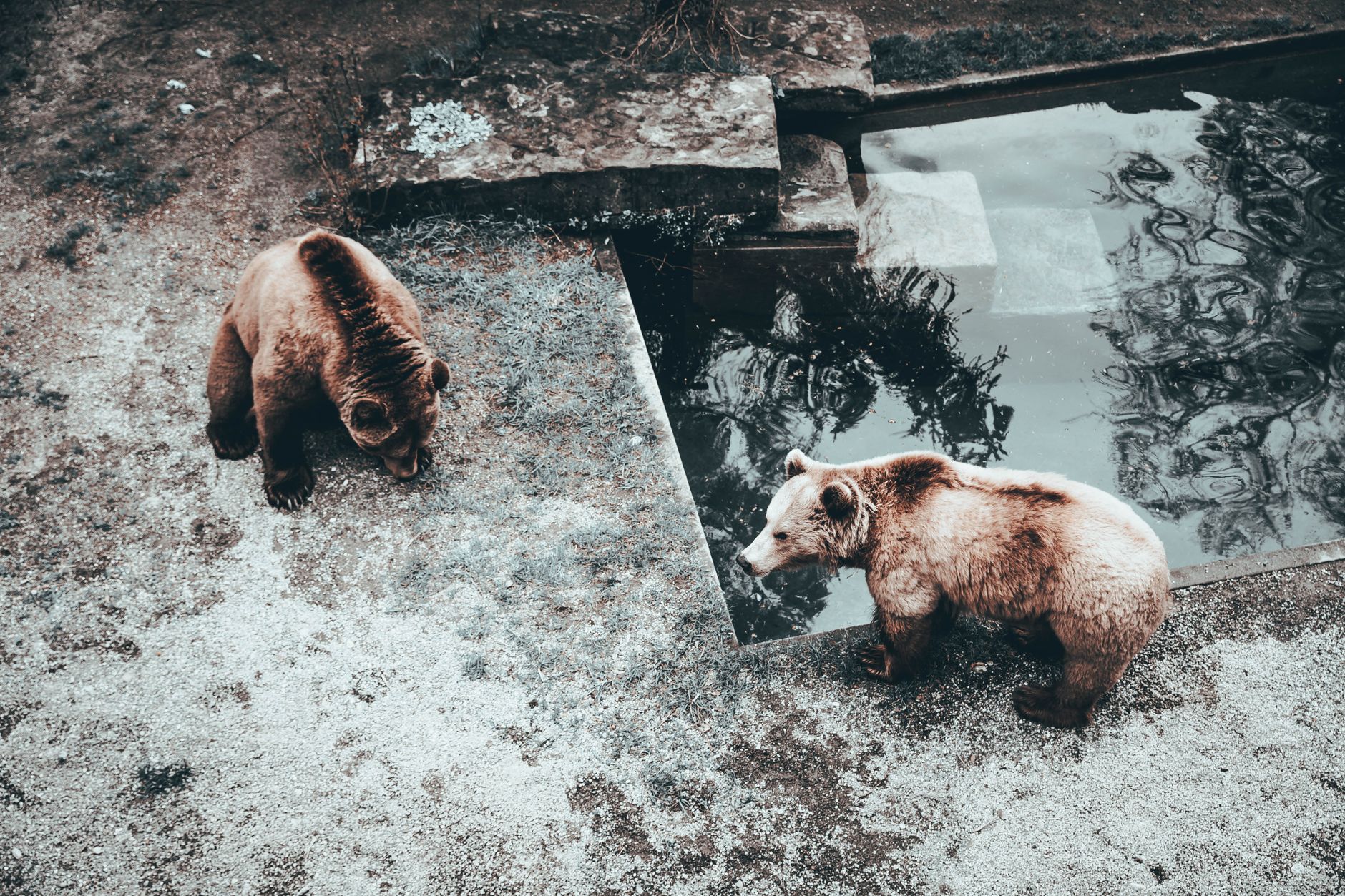
While bears possess an extraordinary sense of smell, the odor of white vinegar is not typically associated with a high-calorie food source. Vinegar’s strong, acidic smell can be aversive to some animals. Here’s why it isn’t a major concern:
- Low Caloric Value: White vinegar contains virtually no calories. Bears are driven by caloric intake, and vinegar offers nothing in that department.
- Lack of Nutritional Benefit: Vinegar lacks essential nutrients that bears need to survive.
- Association with Cleaning: In some cases, vinegar is used for cleaning and may be associated with human activity, which some bears might avoid (though habituated bears may be less deterred).
Situations Where Vinegar Might Indirectly Attract Bears
Although white vinegar itself is unlikely to attract bears, there are specific scenarios where it could indirectly play a role:
- Spillage near food: If vinegar is spilled near food scraps or garbage, the combined scent might make the area more appealing to bears.
- Vinegar-based cleaning products: Some cleaning products containing vinegar might also contain other scents that could be of interest to a bear.
- Habituation: In areas where bears are highly habituated to human smells, any novel odor may be investigated, including vinegar.
Safe Practices in Bear Country
Regardless of whether white vinegar attract bears, it is crucial to follow best practices to minimize the risk of bear encounters. Here are some essential tips:
- Proper Food Storage: Store all food and scented items in bear-resistant containers or hang them from a tree, at least 10 feet off the ground and 4 feet from the trunk.
- Garbage Management: Use bear-resistant garbage cans or store garbage in a secure building.
- Cleanliness: Keep your campsite clean. Wipe down picnic tables and dispose of food scraps properly.
- Avoid Scented Items: Minimize the use of heavily scented lotions, soaps, and deodorants while camping.
- Be Aware: Make noise while hiking to avoid surprising a bear. Carry bear spray and know how to use it.
- Never Feed Bears: Feeding bears, even unintentionally, can habituate them to humans and make them more likely to seek out human food sources.
FAQ: Understanding Bear Behavior and Prevention
What is the primary reason bears are attracted to human areas?
The primary reason is simple: food. Bears are opportunistic feeders and are attracted to human areas by the presence of accessible food sources, such as garbage, improperly stored food, pet food, and bird feeders. Reducing access to these attractants is crucial for preventing bear encounters.
Is it safe to use vinegar to deter bears from my property?
While vinegar might have a mild deterrent effect due to its strong odor, it’s not a reliable method for bear deterrence. Relying solely on vinegar is risky. Employ proven methods like electric fencing, bear-resistant containers, and motion-activated lights.
Can bears smell vinegar from a long distance?
Bears have an incredible sense of smell, capable of detecting odors from several miles away under the right conditions. However, the odor of white vinegar is not as appealing or easily detectable as the scent of food. A small amount of vinegar would likely not be detected from a significant distance.
What types of food are most attractive to bears?
Bears are highly attracted to high-calorie foods, especially those high in sugar and fat. This includes:
- Berries
- Fruits
- Nuts
- Meat
- Grease
- Garbage
Does the time of year affect bear behavior and attraction to food?
Yes, the time of year significantly impacts bear behavior. Bears are most active in the spring, summer, and fall as they prepare for hibernation. They enter a state of hyperphagia in the fall, meaning they are driven to consume massive amounts of calories to build up fat reserves. This increases their motivation to find food and their likelihood of encountering humans.
What is the best way to store food while camping in bear country?
The best way is to use a bear-resistant container. If one is unavailable, suspend your food in a bear bag, hung between two trees at least 10 feet off the ground and 4 feet from any tree trunk or branches.
Are black bears and grizzly bears attracted to the same things?
While both species are opportunistic feeders, they may exhibit slightly different preferences based on their habitat and available food sources. However, both are attracted to the same general types of food, including berries, nuts, meat, and human-related food sources like garbage.
What should I do if I encounter a bear?
- Stay calm.
- Do not run.
- Make yourself look large by raising your arms above your head.
- Speak in a calm, firm voice.
- Slowly back away while keeping an eye on the bear.
- If the bear attacks, use bear spray or fight back.
Can bear spray be used on all types of bears?
Yes, bear spray is effective on all species of bears, including black bears, grizzly bears, and polar bears. It is a highly effective deterrent when used correctly.
Is it okay to leave pet food outside in bear country?
Never leave pet food outside in bear country. Pet food is a major attractant for bears and can lead to dangerous encounters. Store pet food indoors or in a bear-resistant container.
How can I make my property less attractive to bears?
Here are some steps you can take:
- Remove bird feeders.
- Pick up fallen fruit from your yard.
- Keep garbage cans clean and secure.
- Install motion-activated lights.
- Consider installing an electric fence.
Is white vinegar safe to use around my pets in bear country?
White vinegar is generally considered safe to use around pets, but direct ingestion of large quantities may cause gastrointestinal upset. If you’re using it as a cleaning agent in bear country, ensure the area is well-ventilated and cleaned properly after use to prevent any indirect attraction of bears through lingering smells of other food or scented items.