
Does Vacuuming Really Get Rid of Roundworms? Exploring the Facts
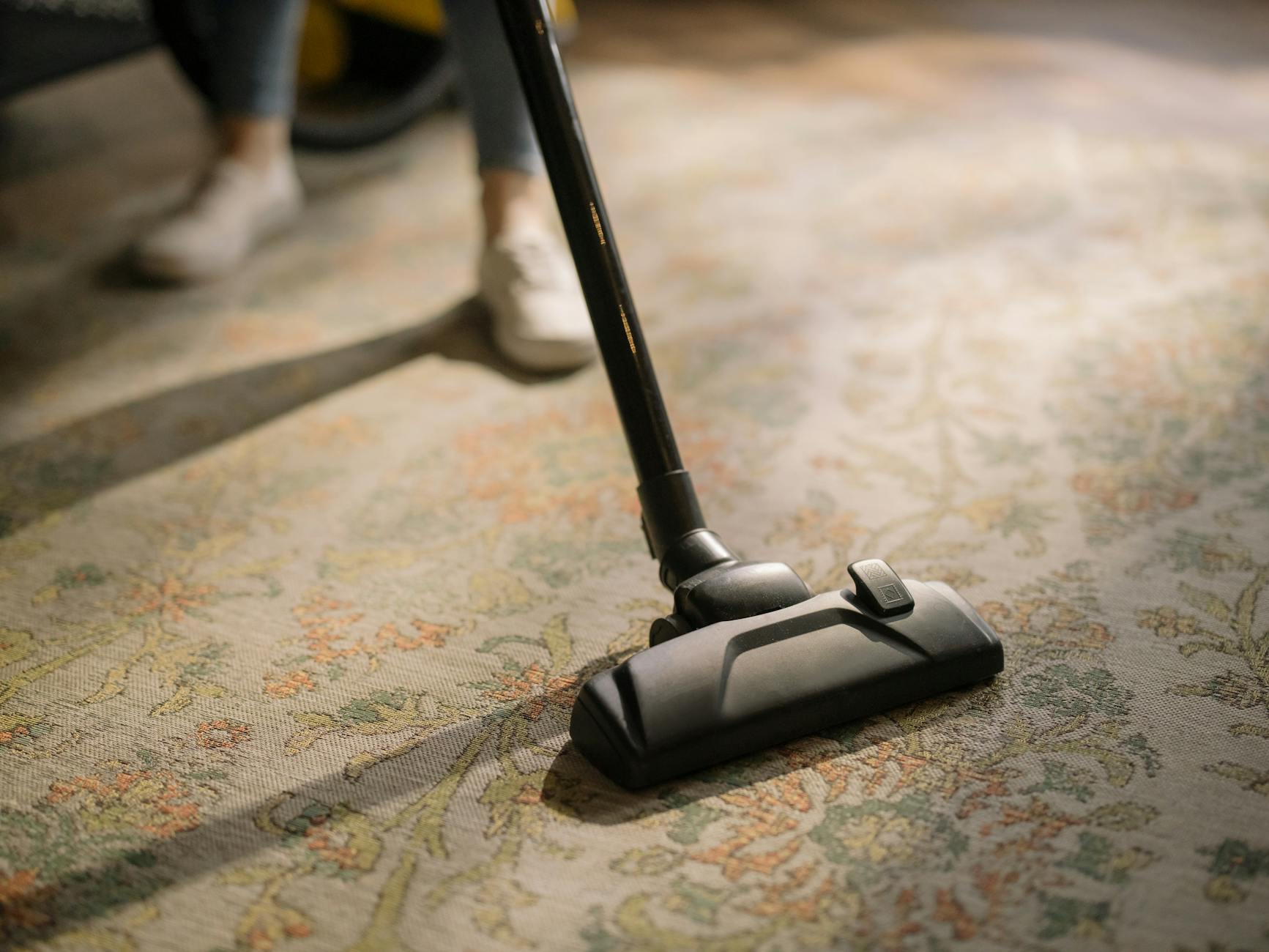
Does vacuuming get rid of roundworms? While vacuuming can help remove roundworm eggs and larvae from surfaces, it’s not a foolproof method for complete eradication. Thorough cleaning and preventative measures are essential to effectively control roundworm infestations.
Understanding Roundworms and Their Lifecycle
Roundworms, also known as nematodes, are common parasites that can infect both animals and humans. They can be found in various environments, including soil, water, and as parasites within a host. Understanding their lifecycle is crucial to preventing and managing infestations. Adult roundworms live in the host’s intestines, where they reproduce. The eggs are then shed in the host’s feces. These eggs can contaminate the environment and become infectious to other hosts.

Is distilled water good for goldfish?
What colours are fish most attracted to?
Can you put your finger in a trout's mouth?
Is methylene blue anti bacterial?
The Role of Vacuuming in Roundworm Control

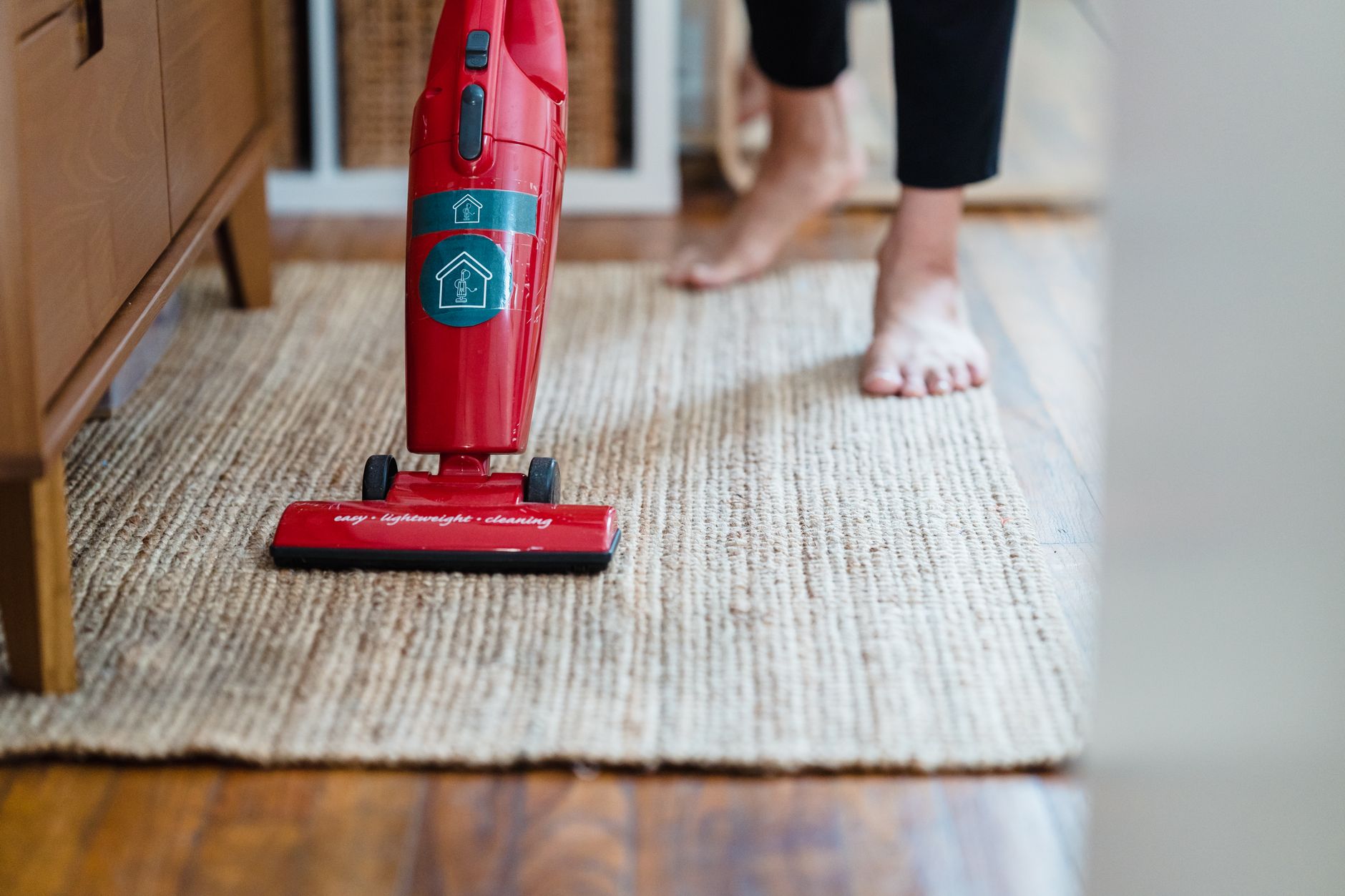
Vacuuming plays a role in removing roundworm eggs from contaminated surfaces, particularly carpets, upholstery, and hard floors. Roundworm eggs are incredibly resilient and can survive for extended periods in the environment, making regular and thorough cleaning essential. Vacuuming helps to physically remove these eggs, reducing the risk of transmission. However, it’s vital to understand that vacuuming alone isn’t a complete solution.
Benefits of Vacuuming for Roundworm Prevention
- Physical Removal: Vacuuming physically lifts and removes roundworm eggs from surfaces.
- Reduced Environmental Contamination: Regular vacuuming minimizes the number of eggs present in the environment, lowering the risk of infestation.
- Complementary to Other Control Measures: Vacuuming is most effective when combined with other strategies, such as medication and hygiene practices.
The Vacuuming Process: Best Practices
To maximize the effectiveness of vacuuming in controlling roundworms, follow these steps:
- Use a Vacuum with HEPA Filter: A HEPA (High-Efficiency Particulate Air) filter traps small particles, including roundworm eggs, preventing them from being redistributed into the air.
- Thorough Cleaning: Vacuum all carpets, rugs, upholstery, and hard floors in areas where roundworm contamination is suspected.
- Focus on High-Traffic Areas: Pay special attention to areas where pets or children frequently play or spend time.
- Dispose of Vacuum Bag Properly: Seal the vacuum bag or empty the canister into a sealed bag before disposing of it to prevent the spread of eggs.
- Clean the Vacuum: Regularly clean the vacuum cleaner, including the brushroll and filters, to remove any remaining eggs.
Limitations of Vacuuming: What It Can’t Do
While vacuuming is a useful tool, it has limitations:
- Doesn’t Kill Eggs: Vacuuming removes eggs but doesn’t kill them.
- May Not Reach Deep Contamination: Eggs embedded deep in carpets or upholstery may be difficult to remove completely.
- Doesn’t Eliminate Existing Infections: Vacuuming doesn’t treat existing roundworm infections in pets or humans.
- Doesn’t Disinfect: Vacuuming doesn’t disinfect surfaces, which is necessary to kill remaining eggs and larvae.
Complementary Control Measures: A Multi-Pronged Approach
To effectively control roundworms, vacuuming should be combined with other measures:
- Deworming Medication: Consult a veterinarian for appropriate deworming medication for pets.
- Hygiene Practices: Wash hands thoroughly with soap and water after contact with soil, pets, or potentially contaminated surfaces.
- Disinfection: Disinfect surfaces with appropriate cleaning agents to kill roundworm eggs. Look for EPA-approved products labeled for use against parasites.
- Fecal Management: Properly dispose of pet feces to prevent environmental contamination.
- Preventative Medication: Regularly administer preventative medication to pets as prescribed by a veterinarian.
Common Mistakes to Avoid When Vacuuming for Roundworm Control
- Using a Vacuum Without a HEPA Filter: This can spread roundworm eggs into the air.
- Not Emptying or Cleaning the Vacuum Regularly: This allows eggs to accumulate and potentially re-contaminate surfaces.
- Neglecting High-Traffic Areas: These areas are more likely to be contaminated with roundworm eggs.
- Relying Solely on Vacuuming: Vacuuming is only one component of a comprehensive roundworm control strategy.
Table: Comparison of Roundworm Control Methods
| Control Method | Effectiveness | Limitations |
|---|---|---|
| Vacuuming | Removes eggs from surfaces | Doesn’t kill eggs, may not reach deep contamination |
| Deworming Medication | Treats existing infections | Doesn’t prevent reinfection |
| Hygiene Practices | Prevents transmission | Requires consistent adherence |
| Disinfection | Kills eggs and larvae | May not be effective on all surfaces or against all roundworm species |
| Fecal Management | Reduces environmental contamination | Requires proper disposal methods |
| Preventative Medication | Prevents infections in pets | Requires regular administration |
Table: HEPA vs. Standard Vacuum Filters
| Feature | HEPA Filter | Standard Filter |
|---|---|---|
| Particle Size | Captures 99.97% of particles 0.3 microns or larger | Captures larger particles only |
| Effectiveness | More effective at removing allergens, dust mites, and roundworm eggs | Less effective at removing fine particles |
| Cost | Generally more expensive | Generally less expensive |
| Recommended Use | Highly recommended for allergy sufferers and pet owners concerned about parasites | Suitable for general cleaning |
Frequently Asked Questions (FAQs)
Can I see roundworm eggs with the naked eye?
No, roundworm eggs are microscopic and cannot be seen without the aid of a microscope. This is why thorough cleaning and hygiene practices are so crucial, as you cannot visually confirm their presence or absence.
Does vacuuming kill roundworm eggs?
No, vacuuming does not kill roundworm eggs. It only removes them from surfaces. It’s important to combine vacuuming with other methods, like disinfection, to kill any remaining eggs.
What type of vacuum is best for removing roundworm eggs?
A vacuum cleaner with a HEPA filter is best for removing roundworm eggs. HEPA filters trap a high percentage of small particles, including roundworm eggs, preventing them from being redistributed into the air.
How often should I vacuum to prevent roundworm infestations?
Regular vacuuming, at least once or twice a week, is recommended, especially in households with pets or young children. In areas where roundworm contamination is suspected, more frequent vacuuming may be necessary.
Can roundworm eggs survive in the vacuum cleaner bag?
Yes, roundworm eggs can survive in the vacuum cleaner bag. It’s important to seal the bag or empty the canister into a sealed bag before disposing of it to prevent the spread of eggs.
What disinfectants are effective against roundworm eggs?
Bleach solutions and certain commercial disinfectants are effective against roundworm eggs. Look for EPA-approved products labeled for use against parasites and follow the manufacturer’s instructions carefully.
Can steam cleaning kill roundworm eggs?
Yes, steam cleaning can help kill roundworm eggs. The high temperature of the steam can denature the proteins in the eggs, rendering them non-viable. However, ensure the steam reaches the contaminated areas effectively.
Does vacuuming help with roundworm infections in pets?
While vacuuming can remove eggs from the environment, it does not directly treat roundworm infections in pets. You need to consult a veterinarian for appropriate deworming medication.
What are the signs of a roundworm infestation in my home?
Signs of a roundworm infestation can include: visible worms in pet feces, unexplained weight loss in pets, scratching or rubbing of the anal area by pets, and human family members experiencing gastrointestinal symptoms.
Are some surfaces more susceptible to roundworm contamination than others?
Yes, carpets, rugs, and upholstery are more susceptible to roundworm contamination due to their porous nature. Hard floors can also be contaminated, but they are easier to clean and disinfect.
How long can roundworm eggs survive outside of a host?
Roundworm eggs can survive for months, even years, in the environment, particularly in moist soil. This long survival period highlights the importance of consistent cleaning and preventative measures.
What if I find roundworms in my vacuum cleaner?
If you find roundworms in your vacuum cleaner, it’s a clear indication of a significant infestation. Thoroughly clean and disinfect the vacuum, and consult with a veterinarian to address the source of the infestation. Furthermore, consider hiring a professional cleaning service to address areas beyond the reach of your standard cleaning routine.