
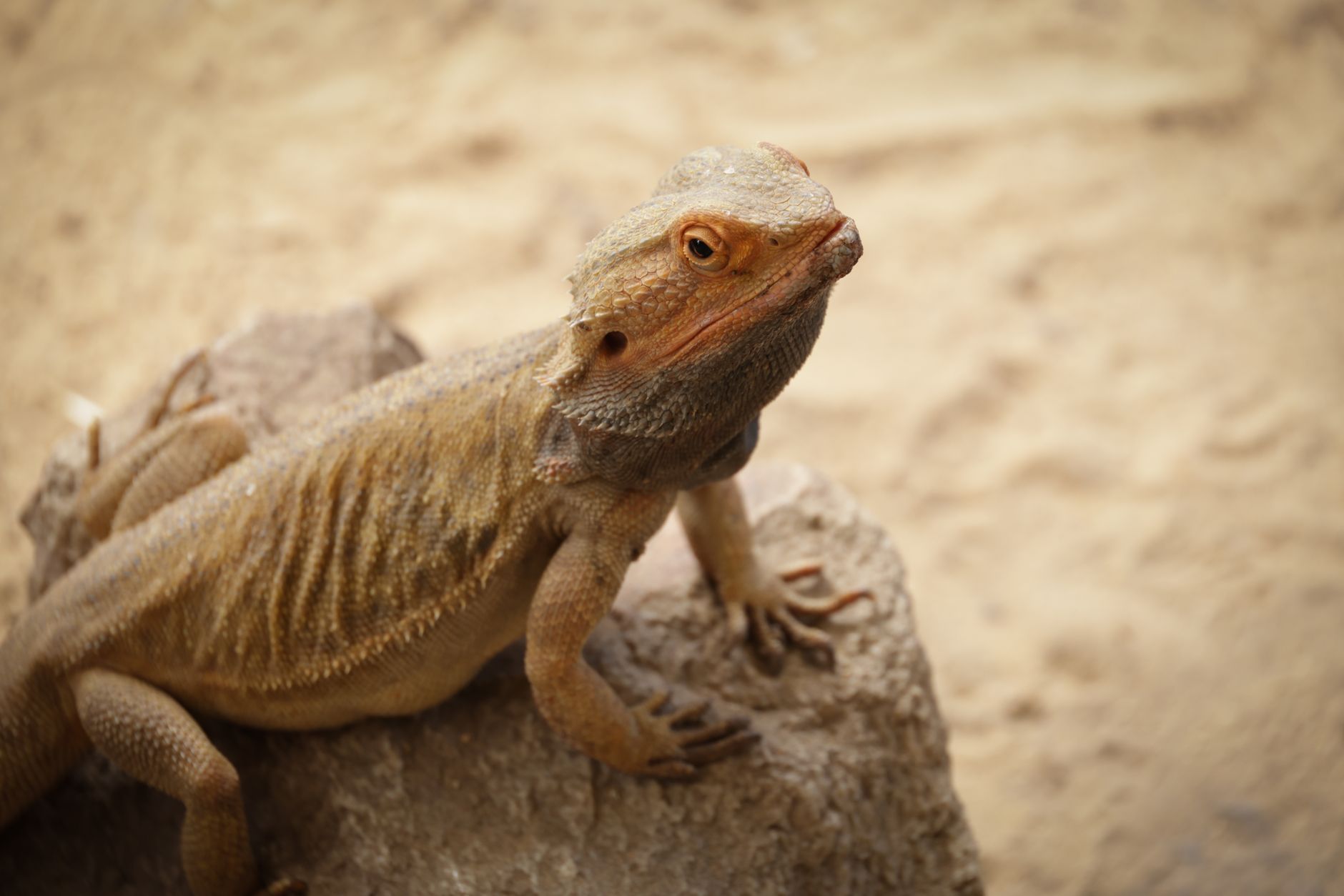
Does Sand Hurt Bearded Dragons? The Truth Unveiled
Ultimately, the answer to Does sand hurt bearded dragons? is complex. While sand can pose significant risks, especially impaction, other factors like husbandry, dragon age, and sand type play crucial roles.

Understanding the Controversy Surrounding Sand Substrates for Bearded Dragons
The use of sand as a substrate in bearded dragon enclosures has been a long-standing debate among reptile keepers. On one side are arguments about its natural appearance and burrowing opportunities. On the other, concerns loom about potential health complications, most notably impaction. Understanding the nuances of this issue requires examining both the potential benefits and significant risks associated with sand.
Is distilled water good for goldfish?
What colours are fish most attracted to?
Can you put your finger in a trout's mouth?
Is methylene blue anti bacterial?
The Allure of a Naturalistic Environment

Many reptile enthusiasts are drawn to sand because it mimics the natural habitat of bearded dragons. In their native Australian desert, these reptiles are often found basking on rocks and digging in sandy soil. Replicating this environment in captivity can enhance their well-being by providing opportunities for:
- Natural burrowing behavior: Dragons enjoy digging and creating burrows, which provide security and help regulate their body temperature.
- Aesthetically pleasing enclosure: Sand can create a visually appealing and enriching environment for both the dragon and the owner.
- Potential for exercise: Moving through sand can provide a mild form of exercise, promoting muscle strength and coordination.
However, it is vital to remember that the sand in the wild is different from the sand often used in captivity. Wild sand contains a mix of soil, rock fragments, and other organic matter, which aids in digestion if accidentally ingested.
The Dangers of Impaction: A Serious Concern
The biggest fear associated with sand is impaction. Impaction occurs when indigestible material accumulates in the digestive tract, causing a blockage. This can lead to:
- Constipation
- Lethargy
- Loss of appetite
- In severe cases, death
Bearded dragons can accidentally ingest sand while eating, particularly if food is placed directly on the substrate. Several factors increase the risk of impaction:
- Young age: Younger dragons are more prone to accidental ingestion.
- Poor husbandry: Improper temperatures, inadequate UVB lighting, and dehydration can all contribute to impaction.
- Calcium deficiency: Calcium deficiency can weaken muscles, including those in the digestive tract, making it harder to pass ingested material.
- Incorrect type of sand: Fine, loose sand is more likely to be ingested and cause impaction compared to coarser options.
Alternatives to Sand: Safer Substrate Options
Given the risks, many experts recommend alternative substrates that are safer and easier to manage. Some popular options include:
- Reptile Carpet: Easy to clean and prevents ingestion issues. Can harbor bacteria if not cleaned regularly.
- Paper Towels or Newspaper: Simple, inexpensive, and hygienic. Best for quarantine or hatchlings. Not aesthetically pleasing.
- Slate Tile: Provides a solid, easy-to-clean surface. Helps wear down nails naturally. Can become cold.
- Eco Earth/Coco Fiber: Retains humidity and can be mixed with other substrates. Needs careful management to avoid excessive moisture.
- Bioactive Substrates: These substrates use a combination of soil, sand, and beneficial invertebrates to create a self-cleaning ecosystem. Requires research and experience.
- Non-adhesive Shelf Liner: Easy to clean, inexpensive, and provides a solid surface. Choose a textured variety for traction.
Mitigation Strategies for Using Sand (If Absolutely Necessary)
If you are determined to use sand, you must take precautions to minimize the risks. These include:
- Using appropriate sand: Opt for a coarser, calcium-based sand, marketed for reptiles. These sands are designed to be less likely to cause impaction if ingested in small quantities. Avoid silica sand at all costs.
- Proper husbandry: Ensure adequate temperatures, UVB lighting, and hydration. These factors are critical for digestion and overall health.
- Feeding practices: Never place food directly on the sand. Use a feeding bowl or tongs to prevent accidental ingestion.
- Regular monitoring: Observe your dragon closely for signs of impaction, such as constipation, lethargy, or loss of appetite.
Comparing Common Substrate Options
| Substrate | Pros | Cons | Impaction Risk | Maintenance |
|---|---|---|---|---|
| Reptile Carpet | Easy to clean, no impaction risk | Can harbor bacteria, not aesthetically pleasing | Low | Regular cleaning required |
| Paper Towels | Inexpensive, hygienic, easy to replace | Not naturalistic, not visually appealing | Low | Frequent replacement |
| Slate Tile | Easy to clean, aids nail trimming, good heat retention | Can be cold, no burrowing opportunities | Low | Easy cleaning |
| Eco Earth | Retains moisture, suitable for bioactive setups | Can be dusty, requires careful humidity control | Moderate | Regular monitoring of humidity levels |
| Calcium Sand | Naturalistic appearance, allows for burrowing | High risk of impaction, especially with improper husbandry | High | Regular cleaning and sifting |
| Non-adhesive Shelf Liner | Easy to clean, inexpensive, durable | Not aesthetically pleasing, no burrowing opportunities | Low | Easy cleaning |
Understanding the Importance of Proper Husbandry
Ultimately, the decision of whether or not to use sand hinges on your ability to provide proper husbandry. A healthy, well-cared-for bearded dragon is less likely to suffer from impaction, even if it occasionally ingests small amounts of sand. However, even the most experienced keepers can encounter problems. For this reason, safer alternatives are generally recommended, especially for beginners.
Frequently Asked Questions (FAQs)
Is calcium sand digestible?
While marketed as digestible, calcium sand is not easily digestible in large quantities. It is intended to be less harmful if accidentally ingested in small amounts. However, it can still contribute to impaction, particularly if the dragon is dehydrated or has other health issues.
Can baby bearded dragons be kept on sand?
No, baby bearded dragons should never be kept on sand. They are more prone to accidental ingestion and have less developed digestive systems, making them highly susceptible to impaction. Safe alternatives like paper towels or reptile carpet are recommended for hatchlings and juveniles.
What are the signs of impaction in bearded dragons?
Signs of impaction include constipation, lethargy, loss of appetite, bloating, straining to defecate, and in severe cases, paralysis of the hind legs. If you suspect your dragon is impacted, seek veterinary attention immediately.
How can I prevent impaction if I use sand?
To minimize the risk of impaction: Ensure proper temperatures and UVB lighting. Feed your dragon in a bowl or with tongs to prevent sand ingestion. Provide fresh water daily to keep your dragon hydrated. Observe your dragon closely for signs of impaction.
What type of sand is best for bearded dragons?
If you choose to use sand, opt for coarser calcium-based sand marketed specifically for reptiles. Avoid silica sand, which is highly indigestible and dangerous. Regardless of the type, any sand carries a risk.
Is play sand safe for bearded dragons?
Play sand is not recommended. It is typically very fine and can contain harmful chemicals. It also poses a significant impaction risk.
How often should I clean the sand in my bearded dragon’s enclosure?
You should spot-clean the sand daily, removing any feces or uneaten food. Replace the entire substrate every 1-3 months, depending on the size of the enclosure and the cleanliness of the environment.
Can I use a sand/soil mixture for my bearded dragon?
A carefully prepared sand/soil mixture can be a good option if done correctly. Use a reptile-safe topsoil without pesticides or fertilizers and mix it with a coarser sand. This can provide a more naturalistic and beneficial environment.
Does my bearded dragon need sand to dig and burrow?
While bearded dragons enjoy digging and burrowing, they do not require sand to do so. Alternative substrates like eco earth or a sand/soil mix can provide similar opportunities without the same risks. You can also provide digging boxes filled with these alternatives.
What is the best temperature gradient when using sand?
When using any substrate, including sand, it’s crucial to maintain a proper temperature gradient. The basking spot should be around 100-110°F (38-43°C), while the cool side should be around 80-85°F (27-29°C). A proper gradient allows the dragon to thermoregulate effectively, aiding in digestion.
Can a vet help if my bearded dragon has impaction?
Yes, a veterinarian specializing in reptiles can provide treatment for impaction. This may include enemas, fluids, medications, or in severe cases, surgery. Early detection and veterinary intervention are crucial for a successful outcome.
Are there any benefits to using sand as a substrate?
While the risks generally outweigh the benefits, some potential benefits include: Naturalistic appearance, burrowing opportunities, and potential for mild exercise. However, these benefits can be achieved with safer alternative substrates. Ultimately, the health and safety of your bearded dragon should be your top priority.