

Does Losing a Whisker Hurt? Unveiling the Sensory Secrets of Vibrissae
Losing a whisker is generally not painful for an animal, as whiskers themselves do not contain nerve endings. However, the follicle at the base of the whisker is richly innervated, and damage to the follicle can cause discomfort.
What are Whiskers and Why are They Important?
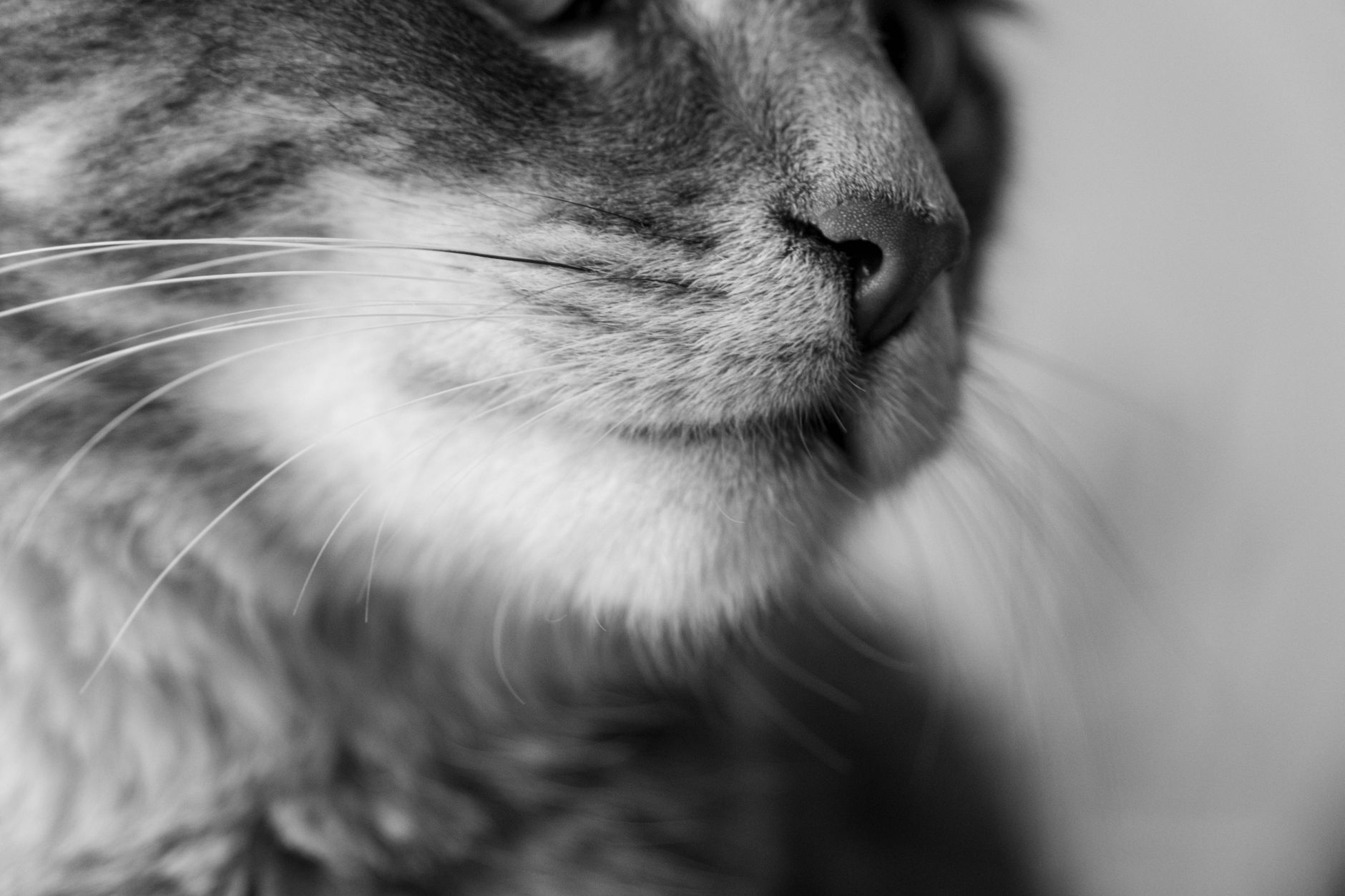
Whiskers, scientifically known as vibrissae, are specialized tactile hairs found in many mammals, most famously in cats, dogs, and rodents. They are much thicker and longer than regular fur and are deeply embedded in the skin. These aren’t just decorative features; they are vital sensory organs.
- Sensory Input: Whiskers detect subtle changes in air currents and touch, providing crucial information about the animal’s surroundings, especially in low-light conditions.
- Spatial Awareness: They help animals navigate tight spaces, judge distances, and detect the size and shape of objects.
- Predator and Prey Detection: For predators, whiskers aid in locating and tracking prey. For prey animals, they offer early warning of approaching threats.
- Emotional Expression: Whiskers can also indicate an animal’s mood, with forward-pointing whiskers often signaling curiosity or alertness, and flattened whiskers suggesting fear or aggression.

What colours are fish most attracted to?
Can you put your finger in a trout's mouth?
Is methylene blue anti bacterial?
Does aquarium salt raise pH in aquarium?
The Anatomy of a Whisker: Understanding the Root of Sensation

To understand if losing a whisker hurts, we need to examine its anatomy. The whisker itself is primarily composed of keratin, the same material that makes up our hair and nails. Keratin is not innervated, meaning it doesn’t contain any nerve endings. Therefore, the whisker shaft itself is incapable of feeling pain.
The key lies in the follicle at the base of the whisker. This follicle is surrounded by a capsule filled with blood vessels and a dense network of sensory nerves called mechanoreceptors. These mechanoreceptors are incredibly sensitive to even the slightest movement of the whisker.
Here’s a breakdown:
- Whisker Shaft: Composed of keratin; insensitive to pain.
- Follicle: Contains a rich supply of nerves and blood vessels.
- Mechanoreceptors: Specialized nerve endings that detect whisker movement.
- Muscles: Tiny muscles at the base of the follicle allow the animal to actively move its whiskers.
Does losing a whisker hurt? The Pain Factor
While the whisker itself is insensitive, the follicle is not. Therefore, whether losing a whisker hurts depends on how it’s lost:
- Natural Shedding: Animals naturally shed whiskers periodically, similar to how they shed fur. This process is generally painless as the whisker detaches cleanly from the follicle.
- Forceful Removal: If a whisker is forcefully pulled out, it can irritate or even damage the follicle, causing temporary discomfort or pain. The level of discomfort would depend on the force applied and the sensitivity of the individual animal.
- Disease or Injury: Infections, skin conditions, or injuries around the whisker follicles can cause significant pain and inflammation. This pain is not directly from the whisker loss, but from the underlying condition.
Think of it like pulling out a hair on your head. If it comes out easily, it’s generally painless. If you yank it hard, it can sting for a few moments. The same principle applies to whiskers.
The Importance of Leaving Whiskers Alone
Given the vital sensory role of whiskers, it is crucial to avoid unnecessary trimming or removal. Cutting or plucking whiskers can disorient an animal and impair its ability to navigate, hunt, or avoid danger.
Here are reasons to leave whiskers alone:
- Impaired Spatial Awareness: Removing whiskers can make it difficult for animals to judge distances and navigate tight spaces.
- Increased Anxiety: A disoriented animal may experience increased anxiety and stress.
- Reduced Hunting Efficiency: For predatory animals, whisker removal can hinder their ability to locate and catch prey.
- Safety Risks: Loss of spatial awareness can also put the animal at greater risk of accidents.
Common Misconceptions About Whiskers
There are several common misconceptions about whiskers that need to be addressed.
- Misconception 1: Whiskers are just for decoration.
- Reality: Whiskers are highly specialized sensory organs.
- Misconception 2: Trimming whiskers is like cutting hair; it doesn’t hurt.
- Reality: While trimming the whisker shaft doesn’t cause pain, it deprives the animal of crucial sensory information and, if trimmed too short, can irritate the follicle when the trimmed shaft moves.
- Misconception 3: Whiskers are only for cats.
- Reality: Many mammals, including dogs, rodents, seals, and even some primates, have whiskers.
Factors Influencing Whisker Sensitivity
Several factors can influence the sensitivity of an animal’s whiskers:
- Species: Different species have varying densities and distributions of whiskers.
- Age: Young animals may have less developed whisker systems compared to adults.
- Breed: Certain breeds within a species may have different whisker characteristics.
- Individual Variation: Just like humans, individual animals can have varying sensitivities.
- Health Status: Skin conditions or nerve damage can affect whisker function.
Replacing Lost Whiskers
Fortunately, whiskers, like fur, grow back. The regrowth time varies depending on the species and individual animal. It can take several weeks to months for a whisker to fully regenerate.
Here’s what happens during whisker regrowth:
- Follicle Healing: If the follicle was damaged, it first needs to heal.
- Whisker Production: Once the follicle is healthy, it begins producing a new whisker.
- Growth Phase: The whisker gradually grows longer until it reaches its full size.
Frequently Asked Questions (FAQs)
Can animals still function without whiskers?
While animals can function without whiskers, their ability to navigate, hunt, and perceive their environment is significantly impaired. They may become more cautious and hesitant in their movements, especially in unfamiliar surroundings or low-light conditions.
What happens if a whisker is broken?
A broken whisker, if not broken at the follicle, will still function to some degree, but its sensitivity may be reduced. The broken end might also become frayed or irritated, prompting the animal to groom it more frequently.
Do all mammals have whiskers?
No, not all mammals have whiskers. While whiskers are common, some mammals, like certain aquatic species that rely on other sensory mechanisms (e.g., echolocation), have lost or significantly reduced their whisker systems.
How many whiskers do cats typically have?
Cats typically have around 12 whiskers on each side of their nose, arranged in distinct rows. They also have whiskers above their eyes and on their chins.
Do dogs use their whiskers the same way cats do?
Yes, dogs use their whiskers in a similar way to cats, although their whisker systems may be less prominent. Dogs rely on their whiskers for spatial awareness, navigation, and detecting changes in air currents.
Are there different types of whiskers?
Yes, there are different types of whiskers, classified based on their location and function. For example, mystacial whiskers (on the muzzle) are used for general sensory perception, while supraorbital whiskers (above the eyes) may help protect the eyes from debris.
Can whiskers indicate an animal’s health?
Yes, changes in whisker appearance or behavior can sometimes indicate health problems. For example, brittle or easily broken whiskers could be a sign of nutritional deficiencies or underlying medical conditions.
Is it okay to trim my pet’s whiskers for aesthetic reasons?
It is strongly discouraged to trim your pet’s whiskers for aesthetic reasons. As discussed, whiskers are essential sensory organs, and removing them can negatively impact your pet’s well-being.
Do whiskers grow back if they fall out?
Yes, whiskers typically grow back if they fall out naturally or are accidentally removed. The regrowth process can take several weeks to months.
Can a vet diagnose health issues by examining a pet’s whiskers?
While whiskers are not a primary diagnostic tool, a veterinarian may observe changes in whisker appearance or behavior during a physical exam. These observations can provide clues about potential health issues.
Are whiskers used for communication between animals?
While not their primary function, whisker position can contribute to an animal’s overall body language. For example, forward-pointing whiskers may indicate alertness or curiosity, while flattened whiskers may suggest fear or aggression.
What should I do if my pet’s whiskers are constantly falling out?
If your pet is experiencing excessive whisker loss, it’s essential to consult with a veterinarian. This could indicate an underlying medical condition, such as a skin infection, allergy, or nutritional deficiency. Prompt diagnosis and treatment are crucial for addressing the problem.