
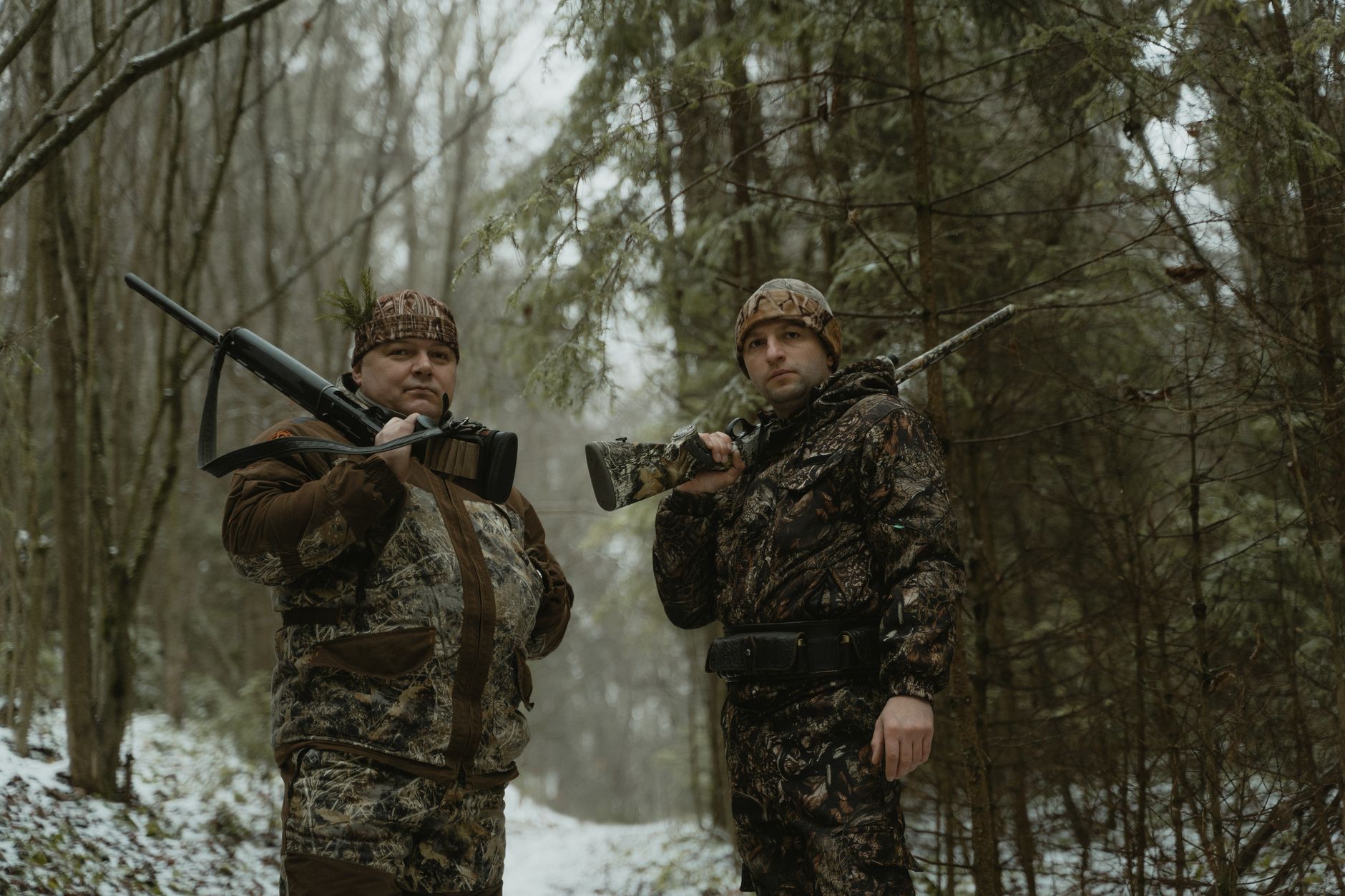
Does Japan Allow Hunting? A Comprehensive Guide
Yes, Japan allows hunting, but it is highly regulated and requires specific licenses and adherence to strict laws protecting both wildlife and the environment.

Introduction to Hunting in Japan
For centuries, hunting has been intertwined with Japanese culture and history. While the image of modern Japan often evokes technological advancements and bustling cityscapes, the tradition of hunting persists, albeit under a complex and evolving framework. The landscape, dotted with mountains and forests, provides a habitat for various game species, making hunting both a practical and recreational activity. However, unlike some Western countries, hunting in Japan operates under a much stricter regulatory environment, emphasizing conservation and sustainability. Understanding the nuances of Japanese hunting laws, the required permits, and the ethical considerations is crucial for anyone interested in participating in this activity or simply learning more about it.

What colours are fish most attracted to?
Can you put your finger in a trout's mouth?
Is methylene blue anti bacterial?
Does aquarium salt raise pH in aquarium?
Historical Context of Hunting

Hunting in Japan has a rich history stretching back thousands of years. Initially a necessity for survival, it evolved into a practice deeply entwined with social hierarchies and religious beliefs. During the feudal era, hunting was primarily reserved for the warrior class, the samurai, who used it to hone their skills and supplement their diets. The introduction of firearms in the 16th century significantly altered hunting practices, making it more accessible but also raising concerns about overhunting. In the Meiji era (1868-1912), as Japan modernized, the government implemented the first formal hunting regulations to manage wildlife populations and protect natural resources.
Modern Hunting Regulations
Today, does Japan allow hunting? The answer is yes, but with strict regulations enforced by the Ministry of the Environment and local prefectural governments. The primary law governing hunting is the Wildlife Protection and Hunting Law (鳥獣の保護及び管理並びに狩猟の適正化に関する法律), which aims to:
- Protect wildlife and their habitats.
- Manage wildlife populations sustainably.
- Ensure safe and ethical hunting practices.
Obtaining a Hunting License
To legally hunt in Japan, individuals must obtain a hunting license from the prefectural government. The process involves:
- Passing a written examination: This tests knowledge of wildlife management, hunting regulations, and firearm safety.
- Completing a shooting skills test: This assesses proficiency in handling firearms.
- Undergoing a physical examination: This ensures the applicant is physically capable of hunting safely.
- Attending a training course: This provides practical instruction on hunting techniques and ethical considerations.
- Paying the required fees: License fees vary depending on the type of license and the prefecture.
There are three main types of hunting licenses in Japan:
- Type 1 (網猟): Allows hunting with nets.
- Type 2 (わな猟): Allows hunting with traps.
- Gun License (銃猟): Allows hunting with firearms. This license requires separate certification and permits for each firearm owned.
Allowed Game Species and Hunting Seasons
The Wildlife Protection and Hunting Law specifies which animals can be legally hunted and during what periods. Hunting seasons vary depending on the species and the prefecture, with the aim of protecting breeding populations and maintaining ecological balance. Common game species include:
- Wild Boar (Inoshishi)
- Deer (Shika)
- Pheasant (Kiji)
- Ducks (Kamo)
- Hare (Usagi)
Hunting certain species, such as bears, requires additional permits and may be subject to stricter regulations due to conservation concerns. Hunting is generally prohibited in protected areas, such as national parks and wildlife sanctuaries.
Ethical Considerations
Ethical hunting is highly emphasized in Japan. Hunters are expected to:
- Respect wildlife and their habitats.
- Avoid unnecessary suffering to animals.
- Follow all hunting regulations and laws.
- Practice responsible firearm handling.
- Obtain permission from landowners before hunting on private property.
The Benefits of Hunting in Japan
While controversial, hunting, when properly regulated, can offer several benefits:
- Wildlife Management: Hunting can help control populations of certain species that may be overabundant and causing damage to crops or ecosystems.
- Meat Source: Hunting provides a sustainable source of protein for hunters and their families, especially in rural areas.
- Cultural Preservation: Hunting preserves traditional skills and knowledge passed down through generations.
- Economic Impact: Hunting generates revenue through license fees, equipment sales, and tourism.
Common Mistakes and How to Avoid Them
Many potential problems can occur when individuals do not follow proper guidelines when attempting to hunt in Japan. Avoiding these errors is crucial:
- Hunting without a valid license: This is a serious offense that can result in fines and imprisonment. Always ensure your license is current and valid for the area you are hunting in.
- Hunting outside of the designated season: This can disrupt breeding populations and damage ecosystems. Strictly adhere to the hunting seasons established by the prefectural government.
- Hunting in prohibited areas: This can damage protected habitats and endanger wildlife. Check maps and regulations carefully to avoid hunting in national parks, wildlife sanctuaries, or other restricted zones.
- Using illegal hunting methods: Certain traps, snares, and firearms may be prohibited. Familiarize yourself with the permitted hunting methods and equipment.
- Trespassing on private property: Always obtain permission from landowners before hunting on their land. Failure to do so can result in legal penalties.
Future of Hunting in Japan
The future of hunting in Japan is likely to be shaped by several factors, including changing demographics, increasing urbanization, and growing awareness of environmental issues. There is ongoing debate about the role of hunting in wildlife management and the need for stricter regulations to protect endangered species. Efforts are being made to promote ethical hunting practices and educate the public about the importance of wildlife conservation. While does Japan allow hunting, its future will likely involve ongoing adjustments to ensure sustainability and coexistence between humans and wildlife.
Table of Key Hunting Regulations
| Regulation | Description |
|---|---|
| Wildlife Protection and Hunting Law | The primary law governing hunting in Japan, aiming to protect wildlife and manage populations. |
| Hunting License Requirements | Passing exams, completing training, and undergoing physical examinations are required to obtain a license. |
| Designated Game Species | Only certain species can be hunted during specific seasons. |
| Protected Areas | Hunting is prohibited in national parks, wildlife sanctuaries, and other protected zones. |
| Ethical Hunting Practices | Hunters are expected to respect wildlife, avoid unnecessary suffering, and follow all regulations. |
Understanding the Role of Local Governments
Prefectural governments play a critical role in regulating hunting within their jurisdictions. They are responsible for:
- Issuing hunting licenses.
- Setting hunting seasons and quotas.
- Enforcing hunting regulations.
- Managing wildlife populations.
- Providing education and training to hunters.
Hunters must be aware of the specific regulations in the prefecture where they plan to hunt and comply with all local requirements.
Frequently Asked Questions (FAQs)
Is it legal for foreigners to hunt in Japan?
Yes, it is legal for foreigners to hunt in Japan, provided they meet the same requirements as Japanese citizens, including obtaining the necessary hunting licenses and permits. The language barrier can present challenges, but some prefectures offer assistance to foreign hunters.
What types of firearms are permitted for hunting in Japan?
Shotguns and rifles are generally permitted for hunting in Japan, but handguns are typically prohibited. All firearms must be registered with the police, and hunters must obtain a separate permit for each firearm they own. The regulations on firearm ownership are quite strict.
How does hunting help with wildlife management in Japan?
Hunting can help control populations of certain species, such as wild boar and deer, that may be causing damage to agriculture or ecosystems. Regulated hunting can prevent overpopulation and maintain a healthy balance within the environment.
What happens if I violate hunting laws in Japan?
Violating hunting laws in Japan can result in severe penalties, including fines, imprisonment, and revocation of hunting licenses. It is crucial to understand and comply with all applicable regulations to avoid legal consequences.
Are there specific hunting areas in Japan, or can I hunt anywhere?
Hunting is restricted to designated hunting areas and is prohibited in protected zones, such as national parks and wildlife sanctuaries. Hunters must obtain permission from landowners before hunting on private property.
What is the role of local hunting associations in Japan?
Local hunting associations (猟友会, Ryoyukai) play an important role in promoting ethical hunting practices, providing education and training to hunters, and cooperating with government agencies on wildlife management. They often organize hunting events and provide support to their members.
Does Japan allow hunting using traditional methods like bows and arrows?
Yes, Japan does allow hunting with bows and arrows, but specific regulations apply. The bow must meet certain power requirements, and hunters must obtain the appropriate license and permits. The hunting season for bow hunting may differ from that of firearm hunting.
Is it possible to hire a hunting guide in Japan?
Yes, hunting guides are available in some areas of Japan, particularly for foreign hunters or those unfamiliar with local hunting practices. Hiring a guide can be beneficial for navigating the complex regulations and finding suitable hunting locations.
Are there any ethical considerations unique to hunting in Japan?
Respect for nature and wildlife is deeply ingrained in Japanese culture. Ethical hunters are expected to minimize suffering to animals, utilize harvested resources responsibly, and respect the traditions and customs associated with hunting.
How are hunting regulations enforced in Japan?
Hunting regulations are enforced by local police and prefectural government officials. They conduct patrols, inspect hunting licenses and equipment, and investigate reports of illegal hunting activities. Penalties for violations can be severe.
What is the impact of hunting on endangered species in Japan?
Hunting is strictly regulated to protect endangered species. It is illegal to hunt any animal listed as endangered, and additional measures are taken to conserve their habitats. The focus is on sustainable hunting practices that do not threaten the survival of vulnerable species.
How can I find information about hunting seasons and regulations in a specific prefecture?
Information about hunting seasons and regulations is typically available on the website of the prefectural government responsible for wildlife management. Local hunting associations can also provide valuable information and guidance. Check the Ministry of Environment for more information.