

Does Holding a Fish by the Lip Hurt It? A Deep Dive
Whether you’re a seasoned angler or a curious observer, the question of fish welfare often surfaces. Holding a fish by the lip can indeed cause harm, with the severity depending on factors like the size of the fish, hook placement, and handling techniques. It’s crucial to understand these risks to promote responsible fishing practices.
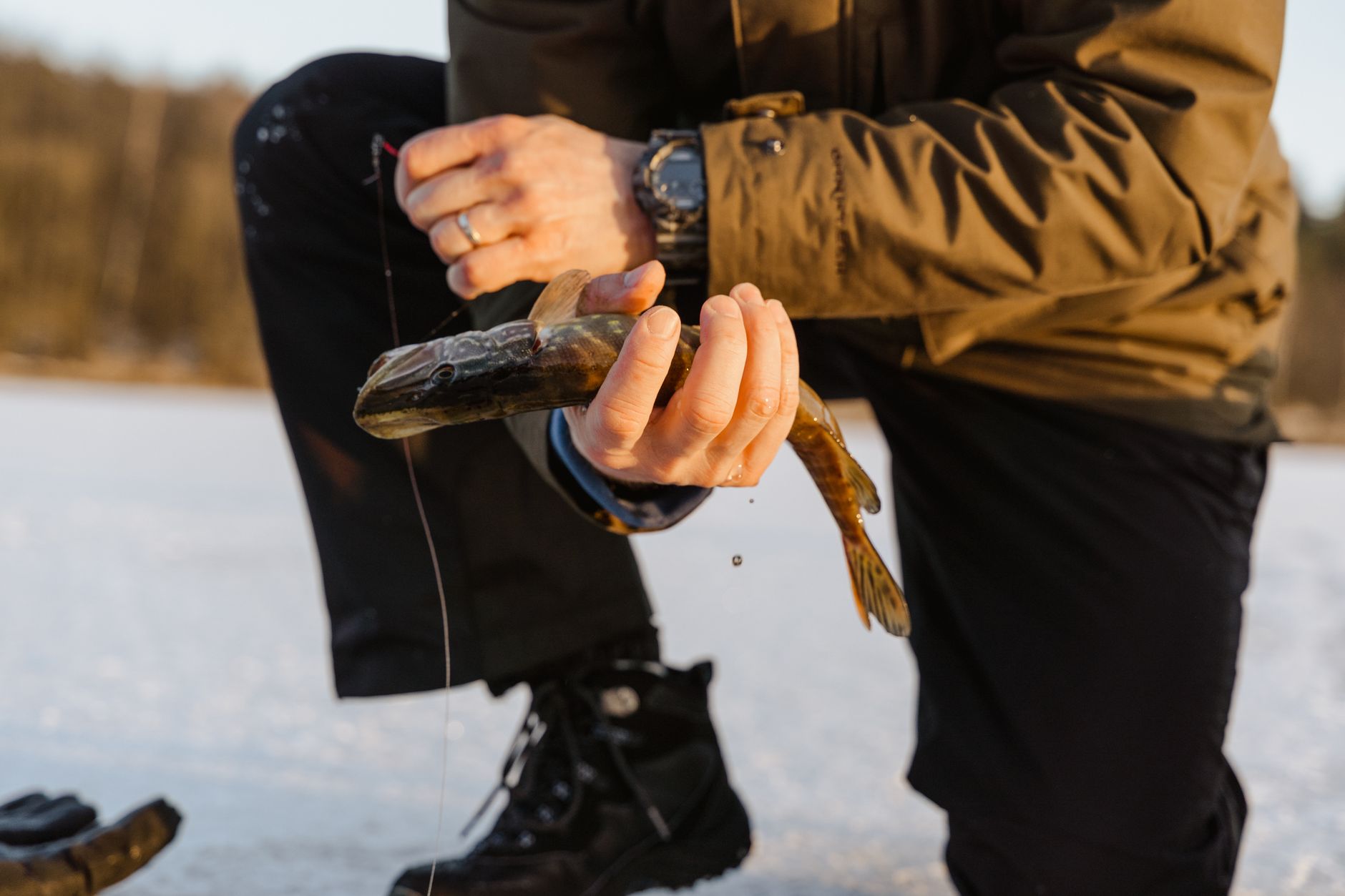
The Physiology of a Fish’s Mouth
The mouth of a fish is a complex structure, far more sensitive than many people realize. While it lacks the nerve density of, say, a human hand, it’s still equipped with receptors that detect pressure, temperature, and chemical changes. Understanding this basic anatomy is critical when considering does holding a fish by the lip hurt it?
- Cartilage and soft tissues are prevalent.
- The degree of sensitivity varies greatly between species.
- Some species have specialized mouthparts for different feeding strategies.

Are fish heads good for the garden?
Can fish hear water?
What is cotton rot in fish?
What colours are fish most attracted to?
Types of Injuries from Lip-Holding

The potential for injury from lip-holding varies based on several factors. A small trout delicately lipped with wet hands will experience less trauma than a large bass hoisted roughly by its lower jaw.
- Tears: Hooks, especially those with barbs, can cause significant tears in the soft tissues.
- Dislocations: Excessive force can dislocate the jaw, potentially hindering the fish’s ability to feed.
- Infections: Open wounds are vulnerable to infection from bacteria and fungi present in the water.
- Stress: Handling stress can weaken a fish’s immune system, making it more susceptible to disease.
Factors Influencing Injury Severity
Several factors combine to determine the impact of lip-holding on a fish.
- Fish Size and Species: Larger fish are generally more robust, but their weight can exacerbate injuries if held improperly. Different species have varying mouth structures and sensitivities.
- Hook Type and Size: Barbless hooks cause less trauma than barbed hooks. Smaller hooks generally inflict less damage.
- Handling Technique: Wet hands and gentle support minimize damage. Rough handling and prolonged air exposure significantly increase stress and injury.
- Air Exposure: Extended air exposure can cause gill damage and oxygen deprivation.
Best Practices for Responsible Handling
Minimize the potential harm when handling a fish.
- Use Barbless Hooks: Easily removed, reducing tissue damage.
- Wet Your Hands: Protect the fish’s protective slime coat.
- Support the Fish’s Weight: Avoid solely relying on the lip; cradle the body horizontally.
- Minimize Air Exposure: Quickly unhook and release the fish.
- Use Appropriate Tools: Pliers and lip grippers can help remove hooks quickly and safely. However, exercise caution when using lip grippers, ensuring they don’t apply excessive pressure.
Lip Grips: A Cautionary Note
Lip grips (also known as fish grippers) can be useful tools, but they must be used with extreme care. When considering, does holding a fish by the lip hurt it? using lip grips improperly is almost a guaranteed yes.
- Avoid Vertical Holding: Holding a fish vertically by a lip grip puts excessive strain on the jaw, leading to dislocations and other injuries.
- Use with Smaller Fish: Lip grips are best suited for smaller fish where you can cradle their body.
- Ensure Proper Grip: Position the gripper securely to avoid slippage and potential tearing.
- Do Not Use on Larger or Fragile Fish: For bigger species, a landing net and wet hands offer far better protection.
Releasing Fish Properly
A good release is just as important as a careful catch.
- Gently Place the Fish in the Water: Avoid throwing the fish back, which can cause shock.
- Support the Fish Until It Recovers: Hold the fish gently until it regains its equilibrium and swims away on its own.
- Revive Exhausted Fish: Gently move the fish back and forth in the water to help oxygenate its gills.
- Choose a Safe Release Spot: Select an area with good water quality and minimal current.
Scientific Research on Fish Handling
Research into fish handling practices is ongoing, but the consensus is clear: minimize stress and injury. Studies have shown that certain handling techniques significantly impact fish survival rates.
- Impact of Air Exposure: Studies show that air exposure of even short durations can significantly reduce post-release survival rates.
- Hook Type Effects: Barbless hooks consistently demonstrate lower injury rates compared to barbed hooks.
- Handling Stress Indicators: Measuring cortisol levels (a stress hormone) in fish reveals the impact of different handling methods.
FAQ Section
Does using lip grippers always hurt a fish?
No, but they significantly increase the risk of injury if used improperly. Vertical holding with lip grippers is particularly harmful. Using lip grips horizontally and cradling the fish’s body reduces the likelihood of harm.
Can a fish’s lip heal after being torn by a hook?
Yes, fish have remarkable healing abilities. Small tears often heal quickly. However, severe tears can lead to infection and impair feeding.
Are some fish species more susceptible to lip injuries than others?
Yes, species with delicate mouthparts or thin lips are more prone to injury. Trout, for example, are more sensitive than bass.
Does the water temperature affect how easily a fish’s lip is injured?
Yes, warmer water holds less oxygen, placing additional stress on fish. This can make them more vulnerable to injuries and slower to recover.
How can I tell if I’ve injured a fish’s lip badly?
Look for excessive bleeding, torn tissue, or a visibly dislocated jaw. If the fish seems disoriented or unable to swim properly after release, it may have sustained serious injuries.
Is it better to cut the line if a hook is deeply embedded in the lip?
In many cases, yes. If the hook is deeply embedded and removing it would cause significant trauma, cutting the line close to the hook is often the best option. The hook will eventually dissolve or rust away.
Does catch-and-release fishing inherently cause harm to fish?
While catch-and-release can be done responsibly, it inevitably introduces some level of stress and potential for injury. Minimizing handling time and using proper techniques are crucial to mitigating these risks.
What is the “slime coat” on a fish, and why is it important?
The slime coat is a protective layer of mucus that covers a fish’s body. It acts as a barrier against parasites, bacteria, and fungi, and helps maintain osmotic balance. Dry hands can damage this layer, making the fish more susceptible to disease.
Can I use antiseptic on a fish’s wound?
Generally, avoid using antiseptics. Many contain chemicals that can be harmful to fish. Clean, fresh water is usually sufficient.
Does the size of the hook matter when considering potential lip damage?
Yes, larger hooks generally cause more significant tears and damage. Matching the hook size to the size of the fish you’re targeting is essential.
What other factors, beyond lip-holding, can injure a fish during catch and release?
Beyond lip-holding, other factors include deep hooking, improper netting, prolonged air exposure, and rough handling.
Are there any legal regulations regarding fish handling and catch-and-release in certain areas?
Yes, many regions have specific regulations regarding fish handling, gear restrictions (like barbless hook requirements), and minimum size limits to ensure sustainable fishing practices. Always check local regulations before fishing.