

Does Epsom Salt Keep Deer Away? Exploring the Truth
Epsom salt might offer some deer deterrence, but it’s not a foolproof solution. Its effectiveness is inconsistent and depends heavily on application, environmental factors, and the deer population’s desperation.
Understanding the Deer Problem: A Gardener’s Perspective
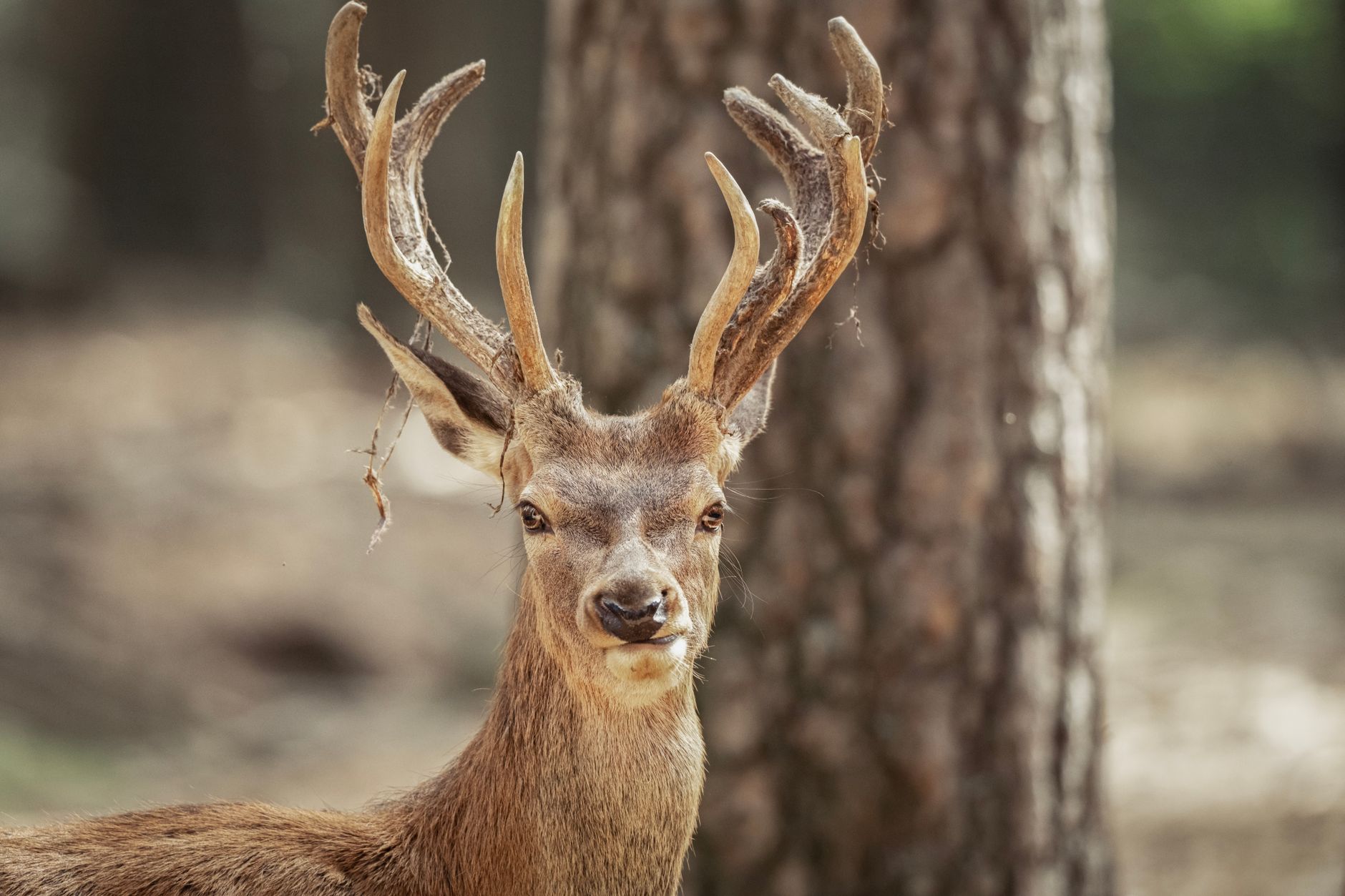
Deer, while beautiful creatures, can be a significant nuisance to gardeners and homeowners. They are opportunistic feeders, and a lush garden full of tempting plants is an open invitation to a deer feast. Damage from deer browsing can range from nibbled leaves to completely decimated flowerbeds and even significant damage to young trees. Managing deer populations and protecting your plants requires a multifaceted approach, and the effectiveness of any single method, including using Epsom salt, is always somewhat variable.
Is distilled water good for goldfish?
What colours are fish most attracted to?
Can you put your finger in a trout's mouth?
Is methylene blue anti bacterial?
The Purported Benefits of Epsom Salt

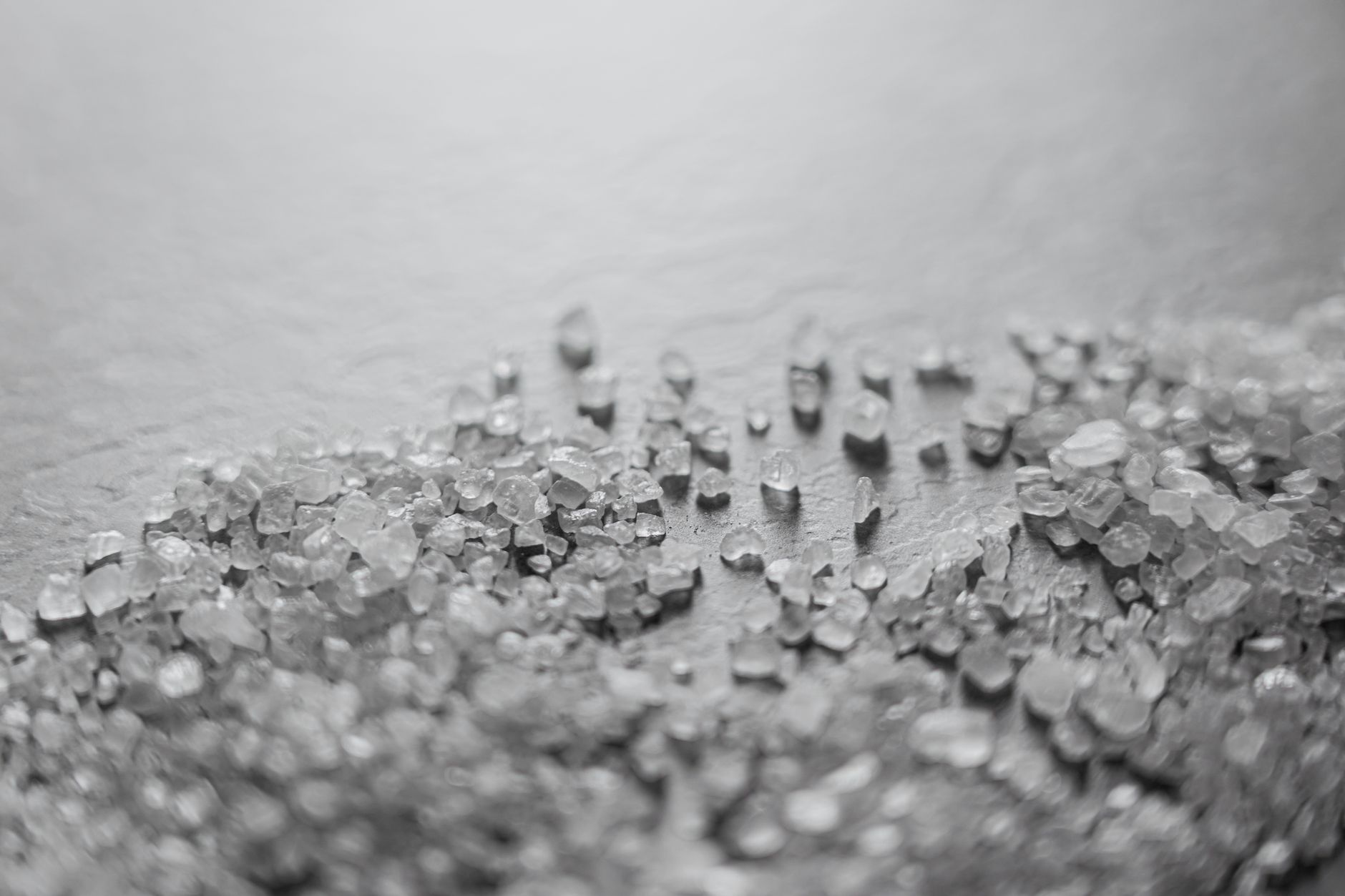
Epsom salt (magnesium sulfate) is often touted for its benefits in the garden. It’s claimed to improve plant growth by providing magnesium, a nutrient crucial for chlorophyll production. Some believe the saltiness is unpalatable to deer, while others suggest the odor of certain Epsom salt preparations might act as a deterrent. However, it’s important to separate anecdotal evidence from scientifically proven facts. While Epsom salt definitely benefits plant health, its efficacy as a deer repellent is debated.
How to Use Epsom Salt as a Deer Deterrent
The most common method for using Epsom salt to deter deer involves dissolving it in water and spraying it directly onto foliage. Here’s a basic guide:
- Dissolve: Mix 1 cup of Epsom salt per gallon of water.
- Spray: Apply the solution to the leaves of vulnerable plants, especially those known to be deer favorites.
- Reapply: Repeat application after rain or heavy dew.
- Consider additives: Some gardeners add a small amount of dish soap to help the solution adhere to the leaves.
Alternatively, Epsom salt can be scattered around the base of plants. However, this method is generally less effective, as the salt dissolves quickly into the soil and loses its deterrent properties.
Limitations and Alternatives
While some gardeners swear by Epsom salt, its effectiveness is often short-lived and inconsistent. The salt is easily washed away by rain, requiring frequent reapplication. Furthermore, deer can become accustomed to the taste or odor over time.
Here are some alternative or complementary deer deterrent methods:
- Physical Barriers: Fencing, netting, and tree guards are the most reliable way to protect plants from deer.
- Commercial Deer Repellents: Many commercially available deer repellents contain ingredients like garlic, putrescent egg solids, or capsaicin (from chili peppers).
- Deer-Resistant Plants: Choosing plants that deer find less palatable is a sustainable long-term solution.
- Motion-Activated Sprinklers: These devices can startle deer and discourage them from entering your garden.
- Companion Planting: Certain herbs and flowers, such as lavender and marigolds, are believed to repel deer.
Is Epsom Salt a Sustainable Solution?
Considering the need for frequent reapplication, the use of Epsom salt as a primary deer repellent may not be the most sustainable or environmentally friendly approach. While Epsom salt is generally considered safe for plants and soil in moderate amounts, excessive use can lead to nutrient imbalances. A combination of methods, focusing on physical barriers and deer-resistant plantings, is often the most effective and sustainable solution. Does Epsom salt keep deer away? It can potentially help, but it’s not a silver bullet.
Table: Comparing Deer Deterrent Methods
| Method | Effectiveness | Sustainability | Cost | Maintenance |
|---|---|---|---|---|
| Fencing | High | High | High | Moderate |
| Commercial Repellents | Moderate | Moderate | Moderate | High |
| Deer-Resistant Plants | Moderate | High | Moderate | Low |
| Motion-Activated Sprinklers | Moderate | Moderate | Moderate | Low |
| Epsom Salt | Low to Moderate | Low | Low | High |
Considerations for Specific Plant Types
The effectiveness of Epsom salt as a deer repellent can also depend on the type of plants you are trying to protect. Deer have preferences, and certain plants are more appealing to them than others. If you are growing plants that deer are particularly fond of (e.g., hostas, roses, daylilies), you may need to use a more robust deterrent method than Epsom salt alone. Conversely, if you are growing plants that deer tend to avoid, Epsom salt may provide sufficient protection.
Testing and Monitoring
The best way to determine whether Epsom salt is effective in your garden is to test it and monitor the results. Apply Epsom salt to a small section of your garden and observe whether deer browsing decreases. Keep track of the weather conditions and reapply the salt as needed. If you don’t see a significant improvement, consider trying a different deterrent method or a combination of methods.
Understanding Deer Behavior
Understanding deer behavior can also help you choose the most effective deterrent methods. Deer are creatures of habit, and they tend to follow the same routes when foraging for food. Identifying these routes and focusing your deterrent efforts on those areas can be more effective than simply applying repellent randomly throughout your garden. Additionally, deer are most active at dawn and dusk, so it’s important to ensure that your deterrents are in place during those times.
Conclusion: A Realistic Assessment
Does Epsom salt keep deer away? The answer is not a straightforward “yes” or “no.” While some gardeners have found it to be a helpful deterrent, its effectiveness is variable and depends on a number of factors. Epsom salt is best used as part of a comprehensive deer management strategy, rather than as a sole solution. Employing multiple deterrent methods, such as fencing, deer-resistant plants, and commercial repellents, will provide the best protection for your garden.
Frequently Asked Questions
Will Epsom salt kill deer?
No, Epsom salt will not kill deer. It is not a poison and poses no harm to deer beyond potentially being unpalatable or mildly irritating. The goal is to deter them, not to harm them.
How often should I reapply Epsom salt to keep deer away?
Reapplication frequency depends on weather conditions. After rain or heavy dew, reapply immediately. Otherwise, reapply every 1-2 weeks for best results.
Can I use too much Epsom salt in my garden?
Yes, excessive Epsom salt can lead to nutrient imbalances in the soil. Use it sparingly and always follow recommended application rates. Soil testing can help determine if your soil is deficient in magnesium before adding more.
Does the type of Epsom salt matter?
Any type of Epsom salt (magnesium sulfate) should work similarly as a deer deterrent. However, unscented varieties are generally preferred to avoid attracting other unwanted pests with fragrances.
Is Epsom salt safe for pets and other wildlife?
Epsom salt is generally considered safe for pets and other wildlife in small amounts. However, excessive ingestion can cause digestive upset. Avoid applying it where pets or other animals are likely to ingest large quantities.
Can I mix Epsom salt with other deer repellents?
Yes, Epsom salt can be used in combination with other deer repellents. However, it’s essential to test a small area first to ensure there are no adverse reactions between the products.
Does Epsom salt work on all types of plants?
Epsom salt can be used on most types of plants, but it’s essential to avoid applying it to salt-sensitive plants, such as azaleas and rhododendrons, in high concentrations.
What are some natural alternatives to Epsom salt for deer repellent?
Natural alternatives include garlic sprays, hot pepper sprays, and planting deer-resistant herbs like lavender, rosemary, and sage. These often rely on strong scents deer dislike.
Is there any scientific evidence that Epsom salt repels deer?
Limited scientific evidence supports the claim that Epsom salt repels deer. Most evidence is anecdotal, based on individual gardener’s experiences. More research is needed.
Does Epsom salt work better in certain regions or climates?
Efficacy may vary depending on the severity of the deer population and climate. In areas with high deer pressure, Epsom salt alone may be less effective than in areas with lower deer populations.
Can I use Epsom salt in conjunction with fencing?
Yes, using Epsom salt in combination with fencing can provide enhanced protection, particularly around entry points or gaps in the fence.
Will deer eventually get used to Epsom salt?
Yes, deer can become accustomed to the taste or odor of Epsom salt over time. Rotate different deterrent methods to prevent habituation and maintain effectiveness.