

Does Coyote Urine Get Rid of Raccoons? The Definitive Answer
Does coyote urine get rid of raccoons? While anecdotal evidence suggests it might deter them, the effectiveness of coyote urine as a reliable raccoon repellent is unproven and depends on various factors.
Understanding the Raccoon Intrusion Problem
Raccoons, with their masked bandit faces and nimble paws, are often unwelcome visitors to our homes and gardens. They can wreak havoc on garbage cans, raid bird feeders, dig up lawns, and even take up residence in attics and chimneys. Understanding why raccoons are attracted to your property is crucial before considering deterrents. Common attractants include:
- Accessible food sources: Unsecured garbage cans, pet food left outdoors, fruit trees, and gardens.
- Shelter: Attics, sheds, under decks, and crawl spaces provide safe havens.
- Water: Bird baths, ponds, and even standing water in gutters.

Is distilled water good for goldfish?
What colours are fish most attracted to?
Can you put your finger in a trout's mouth?
Is methylene blue anti bacterial?
The Logic Behind Using Predator Urine

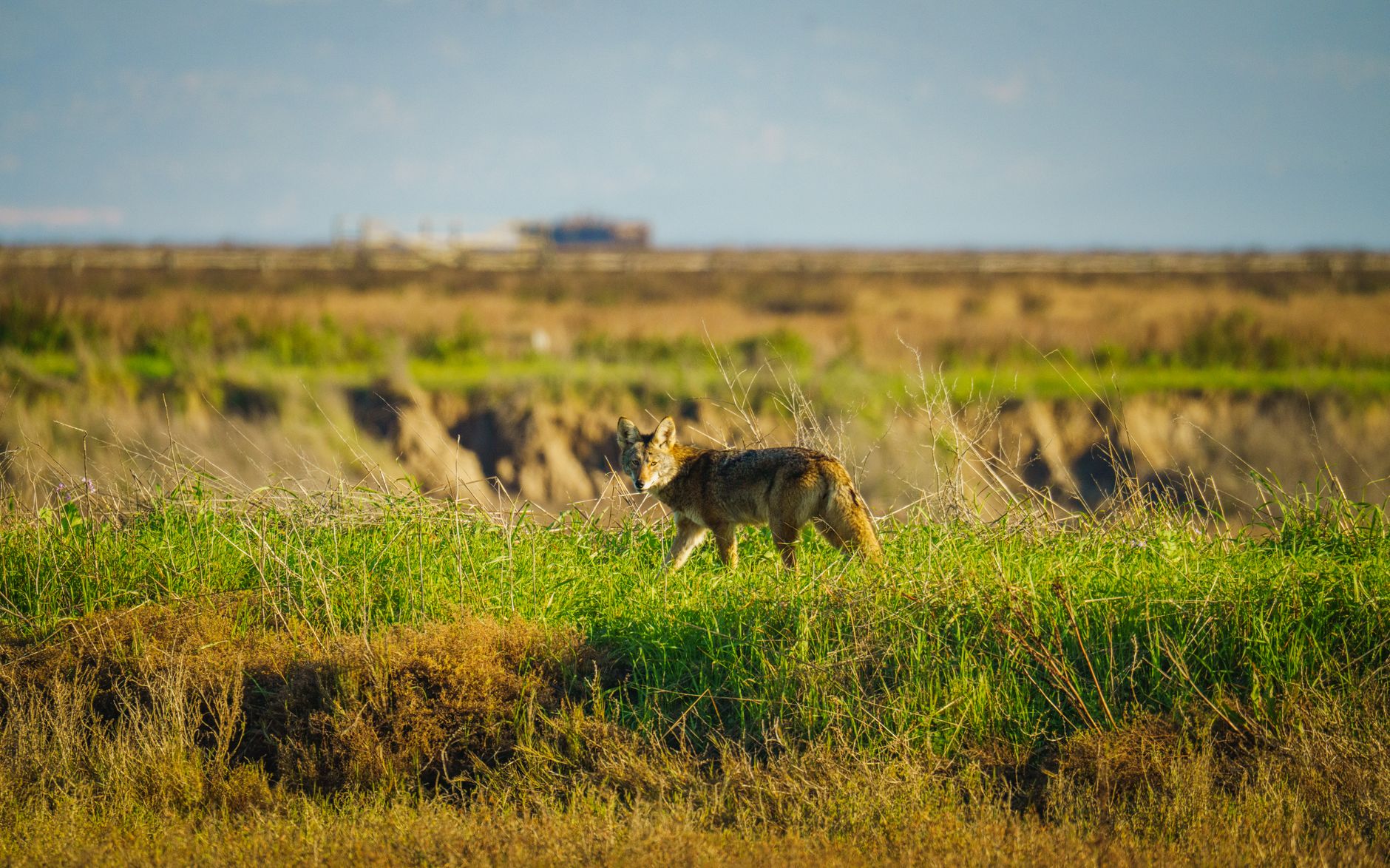
The idea of using predator urine to repel unwanted animals is based on the concept of fear-based repellents. The scent of a predator, like a coyote, signals danger to prey animals, triggering an avoidance response. This approach aims to create a perceived threat, discouraging raccoons from entering or remaining in the treated area. Does coyote urine get rid of raccoons by simulating this threat? That’s the question.
Coyote Urine: Composition and Application
Coyote urine, readily available for purchase online or in hunting supply stores, is collected from captive coyotes. Its efficacy depends on several factors:
- Concentration and Freshness: The strength of the scent degrades over time and with exposure to the elements.
- Application Method: It’s typically applied around the perimeter of the area you want to protect or directly onto objects raccoons are attracted to.
- Environmental Conditions: Rain, snow, and sunlight can dilute or wash away the scent.
Typical application involves saturating cotton balls or rags with the urine and placing them in strategic locations. Reapplication is often necessary every few days, especially after rain.
Limitations and Effectiveness of Coyote Urine
While the theory behind using coyote urine is sound, its practical effectiveness is debated.
- Habituation: Raccoons are intelligent and adaptable animals. They may eventually realize that the scent is not accompanied by an actual predator, diminishing its effectiveness over time.
- Conflicting Attractants: If food sources are abundant and easily accessible, the fear response triggered by the urine may be overridden by the lure of a meal.
- Limited Scientific Evidence: Rigorous scientific studies on the effectiveness of coyote urine as a raccoon repellent are lacking. Most evidence is anecdotal.
Does coyote urine get rid of raccoons? Perhaps, temporarily, but its long-term effectiveness is questionable without addressing the underlying attractants.
A More Holistic Approach to Raccoon Control
A more sustainable and effective approach to raccoon control involves a multi-pronged strategy that addresses both deterrents and attractant removal.
- Secure Food Sources: Use tight-fitting lids on garbage cans, bring pet food indoors at night, and harvest fruits and vegetables promptly.
- Eliminate Shelter: Seal off access points to attics, sheds, and crawl spaces. Trim tree branches that provide easy access to roofs.
- Use Physical Barriers: Install fencing around gardens and other vulnerable areas.
- Consider Motion-Activated Sprinklers or Lights: These can startle raccoons and deter them from entering your property.
Alternatives to Coyote Urine
Several alternative raccoon repellents are available, including:
- Ammonia: Raccoons dislike the strong smell of ammonia. Soak rags in ammonia and place them in areas where raccoons frequent. Use caution, as ammonia can be harmful to plants and pets.
- Hot Pepper Spray: A diluted solution of hot pepper spray can be applied to plants and other surfaces to deter raccoons. Reapply after rain.
- Commercial Raccoon Repellents: Numerous commercial repellents are available, many of which contain ingredients like garlic, pepper, or other strong-smelling substances. Read and follow the instructions carefully.
Table: Comparing Raccoon Deterrent Methods
| Method | Effectiveness | Pros | Cons |
|---|---|---|---|
| Coyote Urine | Variable | Readily available, theoretically mimics a natural predator | Effectiveness not scientifically proven, habituation possible, weather-dependent |
| Ammonia | Moderate | Readily available, strong odor raccoons dislike | Can be harmful to plants and pets |
| Hot Pepper Spray | Moderate | Relatively inexpensive, can be applied to plants | Needs frequent reapplication, can irritate skin and eyes |
| Physical Barriers | High | Prevents access to specific areas | Can be expensive and time-consuming to install |
| Motion-Activated Sprinklers | Moderate to High | Deters raccoons with sudden bursts of water | May not be effective for all raccoons, requires a water source |
Common Mistakes When Using Coyote Urine
- Relying Solely on Urine: Failing to address underlying attractants will render any repellent, including coyote urine, ineffective in the long run.
- Improper Application: Not applying the urine correctly or frequently enough.
- Using Old or Diluted Urine: Weak or stale urine is less likely to deter raccoons.
Ethical Considerations
When using any deterrent, it’s important to consider the welfare of the animals involved. Avoid methods that could cause harm or undue stress. Trapping and relocating raccoons may seem like a humane solution, but it can be stressful for the animal and disrupt the local ecosystem. In many jurisdictions, it’s also illegal.
Frequently Asked Questions (FAQs)
Will coyote urine harm my pets?
Coyote urine itself is unlikely to directly harm your pets if they ingest a small amount. However, some commercially available coyote urine products may contain additives that could be irritating or even toxic. Always read the product label carefully and keep it out of reach of pets.
How often should I reapply coyote urine?
Reapplication frequency depends on environmental conditions. In dry weather, you may only need to reapply every 5-7 days. After rain or heavy dew, reapplication is necessary more frequently, perhaps every 2-3 days.
Does coyote urine work for other animals besides raccoons?
Coyote urine may deter other animals, such as rodents, rabbits, and deer. However, its effectiveness will vary depending on the species and the availability of alternative food sources. It is less likely to deter animals higher up the food chain than coyotes.
Where is the best place to buy coyote urine?
Coyote urine is available at many hunting supply stores, online retailers, and some garden centers. Choose a reputable supplier to ensure you are purchasing authentic coyote urine and not a synthetic substitute.
Is it legal to use coyote urine to deter raccoons?
The legality of using coyote urine to deter raccoons is generally not restricted, as it is considered a non-lethal repellent. However, it’s always a good idea to check with your local wildlife authorities to confirm there are no specific regulations in your area.
Will coyote urine repel skunks?
While not specifically targeted for skunks, the scent of a predator might deter them. However, skunks also rely heavily on their own scent defenses, so the effect may be less pronounced compared to raccoons.
Can I make my own coyote urine?
You cannot ethically or legally make your own coyote urine. Collecting urine from wild animals is harmful and in many places illegal. Purchase commercially available urine from a reputable source.
Is there a humane way to get rid of raccoons?
The most humane approach is prevention. Secure food sources, eliminate shelter, and use non-lethal deterrents. If you have a raccoon already inside your property, consult with a licensed wildlife removal specialist for humane removal options.
How long does it take for coyote urine to work?
If effective, you should notice a reduction in raccoon activity within a few days of applying the urine. However, as mentioned, habituation is possible, so its long-term efficacy is not guaranteed.
Can I use coyote urine in combination with other repellents?
Yes, using coyote urine in combination with other repellents, such as motion-activated sprinklers or commercial raccoon repellents, can enhance its effectiveness. This multi-pronged approach increases the likelihood of deterring raccoons.
What if coyote urine doesn’t work?
If coyote urine proves ineffective, focus on the other elements of a comprehensive raccoon control strategy: securing food sources, eliminating shelter, and using physical barriers. Consider contacting a wildlife removal specialist if the problem persists.
Why are raccoons attracted to my property in the first place?
Raccoons are attracted to properties that offer easy access to food, water, and shelter. Identifying and addressing these attractants is crucial for long-term raccoon control. Does coyote urine get rid of raccoons permanently? No, addressing attractants is vital.