

Does Colonoscopy Get Rid of Parasites?
No, a colonoscopy is not designed to directly eliminate parasites. While a colonoscopy might incidentally detect parasites, its primary purpose is to screen for and address conditions like polyps and cancer.
Introduction to Colonoscopy and Parasitic Infections
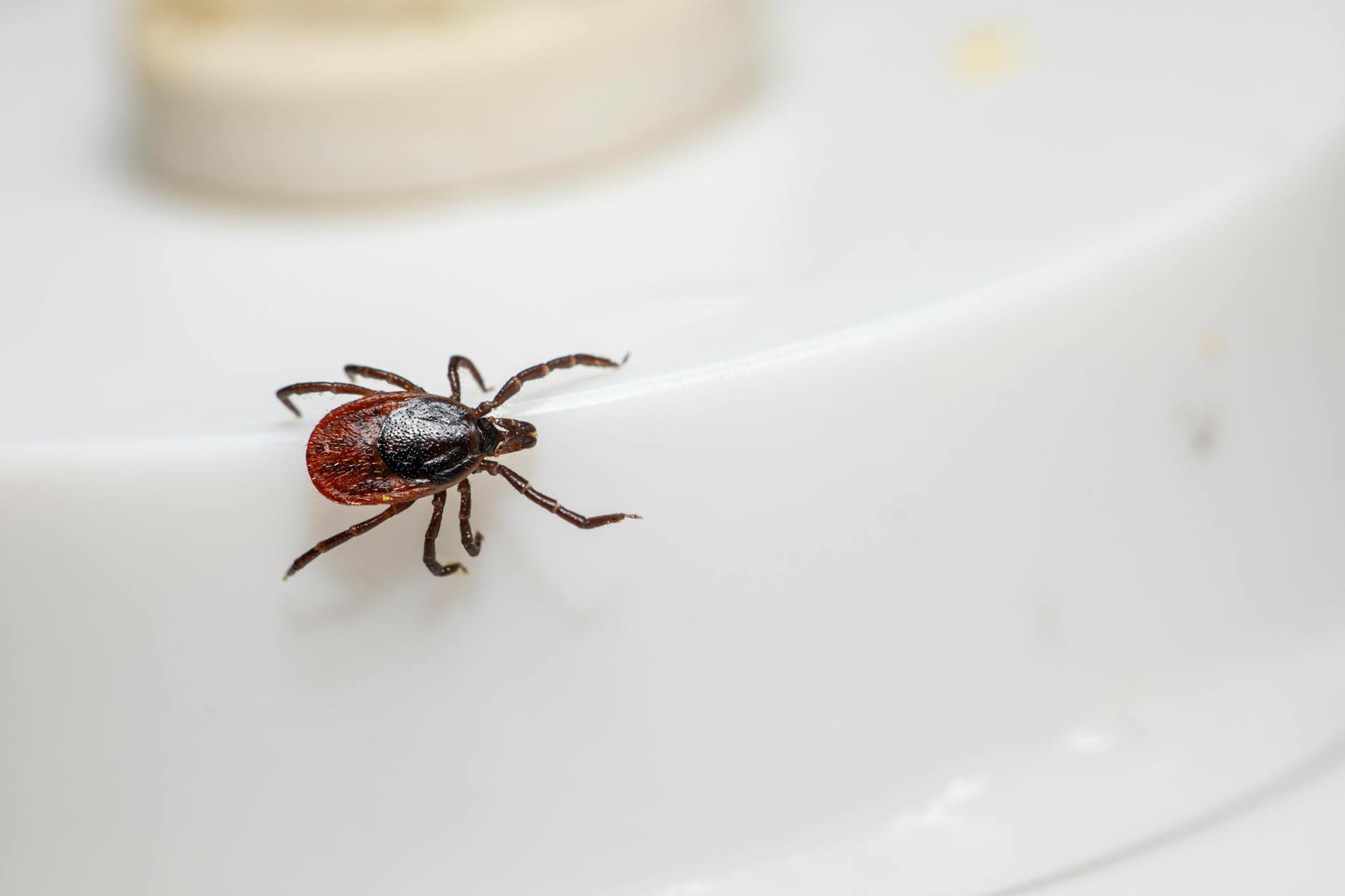
Colonoscopies are a vital tool in modern medicine, primarily used for colorectal cancer screening and diagnosis. They involve inserting a long, flexible tube with a camera into the rectum and colon, allowing doctors to visualize the lining of the large intestine. While often associated with cancer prevention, it’s important to understand its role – or lack thereof – in dealing with parasitic infections. Parasites, on the other hand, are organisms that live in or on another organism (the host) and benefit by deriving nutrients at the host’s expense. They can enter the body through contaminated food or water, insect bites, or direct contact. Understanding the distinct roles of each is crucial for effective healthcare decisions.

Is distilled water good for goldfish?
What colours are fish most attracted to?
Can you put your finger in a trout's mouth?
Is methylene blue anti bacterial?
The Primary Purpose of Colonoscopy

A colonoscopy is focused on identifying abnormalities in the colon, specifically:
- Polyps: Small growths that can potentially become cancerous.
- Tumors: Abnormal masses that may indicate cancer.
- Ulcers: Open sores in the lining of the colon.
- Inflammation: Swelling or irritation, often indicative of inflammatory bowel disease (IBD).
The procedure allows for both visual inspection and the ability to take biopsies (tissue samples) for further examination under a microscope.
Why Colonoscopy Is Not a Primary Treatment for Parasites
The primary mechanism of action of a colonoscopy is visual inspection and biopsy. While the bowel preparation process may incidentally remove some parasites, it’s neither comprehensive nor reliable for treating a parasitic infection.
- Bowel Prep: The strong laxatives used to cleanse the colon before a colonoscopy may dislodge some parasites.
- Visual Detection: Large parasites may be visible during the procedure, but this is rare.
- Lack of Targeted Treatment: A colonoscopy does not involve the direct administration of antiparasitic medications.
Alternative Diagnostic Methods for Parasitic Infections
When a parasitic infection is suspected, alternative diagnostic methods are far more effective:
- Stool Tests: These are the most common method for identifying parasites and their eggs in the stool.
- Blood Tests: Certain blood tests can detect antibodies or antigens related to specific parasites.
- Endoscopy (Upper): If parasites are suspected in the upper digestive tract, an endoscopy may be performed.
- Imaging Studies: In some cases, imaging studies like CT scans or MRIs can reveal the presence of parasites in other organs.
Treating Parasitic Infections
The treatment of parasitic infections relies on specific antiparasitic medications prescribed by a physician based on the type of parasite identified. These medications target the parasite’s biological processes, effectively killing or disabling them.
- Medication Types: Common antiparasitic drugs include metronidazole, albendazole, and ivermectin, among others.
- Treatment Duration: The duration of treatment varies depending on the parasite and the severity of the infection.
- Follow-up: Repeat stool tests are typically performed to confirm the eradication of the parasite.
Potential Incidental Findings
While does colonoscopy get rid of parasites is essentially a “no”, it’s possible for a colonoscopy to incidentally reveal a parasitic infection, particularly if large parasites are present. However, this is not the intended purpose of the procedure.
Common Misconceptions
Many people mistakenly believe that a colonoscopy will cleanse their colon of all unwanted organisms, including parasites. This misconception arises from the thorough bowel preparation required before the procedure. However, the bowel prep is primarily intended to clear the colon of stool and debris to allow for clear visualization, not to eradicate parasites.
Colonoscopy Procedure and Recovery
A colonoscopy involves the following general steps:
- Preparation: You will be given instructions for bowel preparation, typically involving a special diet and laxatives.
- Procedure: The colonoscopy is performed under sedation. A thin, flexible tube with a camera is inserted into the rectum and advanced through the colon.
- Recovery: After the procedure, you will be monitored for a short period, and you may experience some bloating or gas.
Risks Associated with Colonoscopy
While generally safe, colonoscopies carry some risks:
- Perforation: A tear in the colon wall.
- Bleeding: Bleeding from biopsy sites or polyp removal.
- Infection: Although rare, infection is possible.
- Adverse Reaction to Sedation: Some individuals may experience an adverse reaction to the sedative medication.
| Risk | Description |
|---|---|
| Perforation | A tear in the colon wall, requiring surgery in rare cases. |
| Bleeding | Bleeding can occur from biopsy sites or polyp removal. It’s usually minor and self-limiting. |
| Infection | Infection is rare but possible, particularly if polyps are removed. |
| Sedation Risks | Adverse reactions to sedation medication can occur, ranging from mild nausea to more severe respiratory issues. |
The Importance of Proper Diagnosis
Accurate diagnosis of a parasitic infection is critical for effective treatment. Self-treating or relying on colonoscopy bowel preparation for parasite removal can be ineffective and potentially harmful.
Prevention of Parasitic Infections
Preventing parasitic infections is essential for maintaining good health:
- Practice Good Hygiene: Wash your hands frequently with soap and water, especially after using the toilet and before preparing food.
- Drink Safe Water: Drink bottled or boiled water in areas where the water supply may be contaminated.
- Cook Food Thoroughly: Cook meat, poultry, and seafood to the recommended internal temperatures.
- Control Insects: Use insect repellent and take precautions to avoid insect bites.
Frequently Asked Questions (FAQs)
Can a colonoscopy detect all types of parasites?
No, a colonoscopy is not designed to detect all types of parasites. It might accidentally identify larger parasites within the colon, but it’s not a reliable diagnostic tool for this purpose. Stool tests and other specific diagnostic methods are more appropriate for identifying parasitic infections.
If I have parasites, will they be removed during the colonoscopy prep?
The bowel preparation for a colonoscopy uses strong laxatives that may incidentally dislodge some parasites, but this is not a reliable or complete method for eliminating a parasitic infection. Specific antiparasitic medications are required for effective treatment.
Will a colonoscopy help me if I have symptoms of a parasitic infection?
While a colonoscopy might rule out other potential causes of your symptoms, such as inflammatory bowel disease or polyps, it is not the primary diagnostic tool for parasitic infections. Consult your doctor for appropriate testing, such as a stool test.
What should I do if I suspect I have a parasitic infection?
If you suspect you have a parasitic infection, the most important step is to consult with your healthcare provider. They can order the appropriate tests, such as stool exams, to identify the parasite and prescribe the correct antiparasitic medication.
Are there any dietary changes I can make to get rid of parasites?
While some dietary changes are often promoted as natural remedies for parasites, these are typically not scientifically proven and should not be used as a substitute for prescribed medication. Focus on a healthy diet while following your doctor’s treatment plan.
Can parasites cause colorectal cancer?
While some parasitic infections have been linked to an increased risk of certain cancers, there is no direct evidence that parasites cause colorectal cancer. Colonoscopies remain the gold standard for colorectal cancer screening, regardless of parasite status.
Is there a natural way to cleanse my colon of parasites?
There are many marketed “colon cleanse” products, but their efficacy in removing parasites is questionable. Many of these products can be harmful and should be avoided. The best approach is to work with your doctor to diagnose and treat any suspected parasitic infection.
What kind of doctor should I see if I think I have parasites?
The best type of doctor to see is either your primary care physician or a gastroenterologist. They can assess your symptoms, order the appropriate tests (such as stool ova and parasite exam), and prescribe the necessary medication if a parasitic infection is identified.
How long does it take to get rid of a parasitic infection with medication?
The duration of treatment varies depending on the type of parasite, the severity of the infection, and the medication used. It can range from a few days to several weeks. Your doctor will provide specific instructions and monitor your progress.
What are the symptoms of a parasitic infection in the colon?
Symptoms can vary depending on the parasite, but common symptoms include diarrhea, abdominal pain, bloating, nausea, vomiting, and fatigue. Some people may experience no symptoms at all. If you have any of these symptoms, it’s important to seek medical attention.
Are parasitic infections contagious?
Some parasitic infections are contagious and can be transmitted through contaminated food or water, contact with infected individuals, or insect bites. Practicing good hygiene and taking appropriate precautions can help prevent the spread of parasitic infections.
Does colonoscopy get rid of parasites completely?
To reiterate: does colonoscopy get rid of parasites? The answer is a firm NO. While it may incidentally dislodge some, it is not a primary method for treating or eliminating parasitic infections. Targeted antiparasitic medications and proper hygiene are the essential components of effective treatment and prevention.