
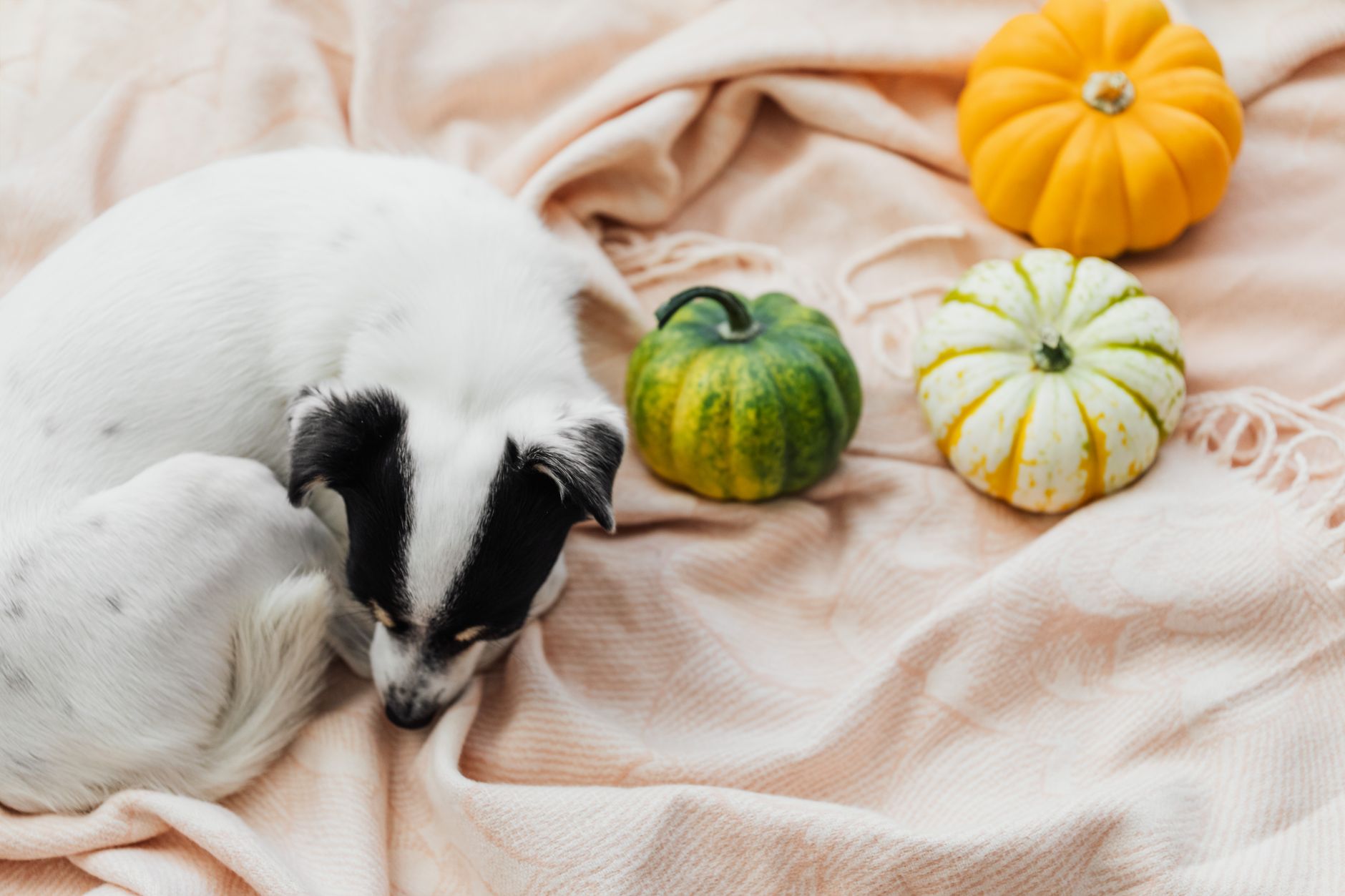
Does Canned Pumpkin Help Dogs With Diarrhea?
Yes, canned pumpkin can often help dogs with diarrhea. It’s a natural remedy that provides fiber and nutrients to aid in digestive health, though it’s crucial to understand proper usage and potential limitations.

Introduction: Pumpkin as a Canine Digestive Aid
For many dog owners, the sight of their furry friend experiencing digestive distress is distressing. Diarrhea in dogs can stem from various causes, ranging from dietary indiscretion to underlying health conditions. While veterinary intervention is sometimes necessary, many owners seek accessible, home-based solutions to alleviate their dog’s discomfort. Enter canned pumpkin: a surprisingly effective and often recommended remedy. But does canned pumpkin help dogs with diarrhea, and if so, why?

What colours are fish most attracted to?
Can you put your finger in a trout's mouth?
Is methylene blue anti bacterial?
Does aquarium salt raise pH in aquarium?
The Science Behind Pumpkin’s Benefits

The effectiveness of canned pumpkin as a remedy for canine diarrhea lies in its unique fiber content and nutritional profile.
- Fiber Content: Pumpkin is rich in both soluble and insoluble fiber. Soluble fiber absorbs water, adding bulk to the stool and helping to solidify loose bowel movements. Insoluble fiber adds roughage, promoting healthy intestinal motility and preventing constipation.
- Prebiotic Effects: The fiber in pumpkin acts as a prebiotic, feeding beneficial bacteria in the gut. A healthy gut microbiome is crucial for optimal digestion and immune function.
- Nutritional Value: Pumpkin is packed with vitamins and minerals, including Vitamin A, Vitamin C, Vitamin E, potassium, and iron. These nutrients support overall health and help replenish electrolytes lost during diarrhea.
Proper Pumpkin Dosage for Dogs
Determining the correct dosage of canned pumpkin is essential to achieve the desired therapeutic effect without causing further digestive upset. Too much pumpkin can actually exacerbate diarrhea.
- General Guidelines:
- Small dogs (under 15 lbs): 1-2 teaspoons
- Medium dogs (15-50 lbs): 1-4 tablespoons
- Large dogs (over 50 lbs): 1/4 to 1/2 cup
- Frequency: Administer the appropriate dose with each meal, usually 2-3 times per day, until the diarrhea subsides.
- Observation is Key: Monitor your dog’s stool consistency closely. Adjust the dosage if needed, decreasing it if the diarrhea worsens or increasing it if there’s no improvement.
Important Considerations: Not All Pumpkin is Created Equal
It’s crucial to select the right type of pumpkin to ensure your dog’s safety and benefit.
- Plain Canned Pumpkin is King: Opt for plain, 100% canned pumpkin. This is simply cooked and pureed pumpkin with no added ingredients.
- Avoid Pumpkin Pie Filling: Pumpkin pie filling is a no-go. It contains added sugars, spices, and potentially even artificial sweeteners like xylitol, which is highly toxic to dogs.
- Fresh Pumpkin: Fresh pumpkin can also be used, but it requires more preparation. Ensure it’s cooked and pureed without any seasonings or additives.
- Organic vs. Non-Organic: Organic canned pumpkin is a good choice if you’re concerned about pesticides. However, non-organic canned pumpkin is generally safe and effective as well.
When Canned Pumpkin Isn’t Enough
While canned pumpkin is often a helpful remedy for mild cases of diarrhea, it’s not a substitute for veterinary care in all situations.
- Severe Symptoms: If your dog’s diarrhea is severe, bloody, or accompanied by vomiting, lethargy, loss of appetite, or fever, consult a veterinarian immediately.
- Underlying Medical Conditions: Diarrhea can be a symptom of various underlying medical conditions, such as infections, parasites, inflammatory bowel disease (IBD), or even cancer. A veterinarian can diagnose and treat the underlying cause.
- Persistent Diarrhea: If your dog’s diarrhea persists for more than 24-48 hours despite pumpkin supplementation, veterinary attention is warranted.
Complementary Treatments
While administering pumpkin, consider these complementary treatments.
- Bland Diet: A bland diet of boiled chicken and white rice can help to rest the digestive system and allow it to recover.
- Probiotics: Probiotic supplements can help to restore the balance of beneficial bacteria in the gut.
- Hydration: Ensure your dog has access to plenty of fresh water to prevent dehydration. Electrolyte solutions formulated for dogs can also be helpful.
Frequently Asked Questions (FAQs)
Can canned pumpkin help dogs with diarrhea caused by parasites?
While canned pumpkin can provide some symptomatic relief by adding bulk to the stool, it will not eliminate parasites. If parasites are suspected, a fecal test and appropriate deworming medication from a veterinarian are necessary.
How long does it take for canned pumpkin to work for dog diarrhea?
You might see improvements within 12-24 hours, but it can take up to 2-3 days for the diarrhea to completely resolve, depending on the severity and underlying cause. If there’s no improvement after a few days, consult your vet.
Is it safe to give my puppy canned pumpkin for diarrhea?
Yes, canned pumpkin is generally safe for puppies, but the dosage should be adjusted based on their weight. Consult with your veterinarian to determine the appropriate amount. Puppies are more susceptible to dehydration, so veterinary care is particularly important for them.
Can I give my dog too much canned pumpkin?
Yes, too much canned pumpkin can cause the opposite effect and lead to gas, bloating, or even worsen diarrhea. Always adhere to the recommended dosage guidelines.
Is canned pumpkin good for constipation in dogs as well?
Yes, the fiber in canned pumpkin can also help relieve constipation by adding bulk and promoting intestinal motility. However, ensure your dog has access to plenty of water to prevent dehydration.
What is the best way to store leftover canned pumpkin?
Store leftover canned pumpkin in an airtight container in the refrigerator for up to 5-7 days. You can also freeze it in small portions for longer storage.
Can I use pumpkin seeds instead of canned pumpkin?
Pumpkin seeds offer some nutritional benefits, but they don’t have the same high fiber content as canned pumpkin. Canned pumpkin is generally more effective for treating diarrhea or constipation. If you do use seeds, grind them first.
My dog hates the taste of canned pumpkin. What can I do?
Try mixing the canned pumpkin with something your dog enjoys, such as plain yogurt, chicken broth, or a small amount of wet dog food. Start with a small amount of pumpkin and gradually increase it as your dog gets used to the taste.
Does the brand of canned pumpkin matter?
Generally, no. What matters most is ensuring you’re using plain, 100% canned pumpkin without any added sugar, spices, or other ingredients.
Can canned pumpkin interact with my dog’s medications?
While canned pumpkin is generally safe, it’s always best to consult with your veterinarian if your dog is taking any medications, especially those that affect digestion or nutrient absorption.
Is it safe to give my pregnant dog canned pumpkin?
Yes, canned pumpkin is generally safe for pregnant dogs and can even help with digestive issues related to pregnancy. However, always consult with your veterinarian before making any dietary changes.
If canned pumpkin doesn’t work, what are the next steps I should take?
If canned pumpkin doesn’t resolve your dog’s diarrhea within a few days, or if the diarrhea is severe or accompanied by other symptoms, schedule an appointment with your veterinarian to rule out underlying medical conditions and receive appropriate treatment.