
Does Your AC Fan Pull Air From Outside? The Definitive Answer
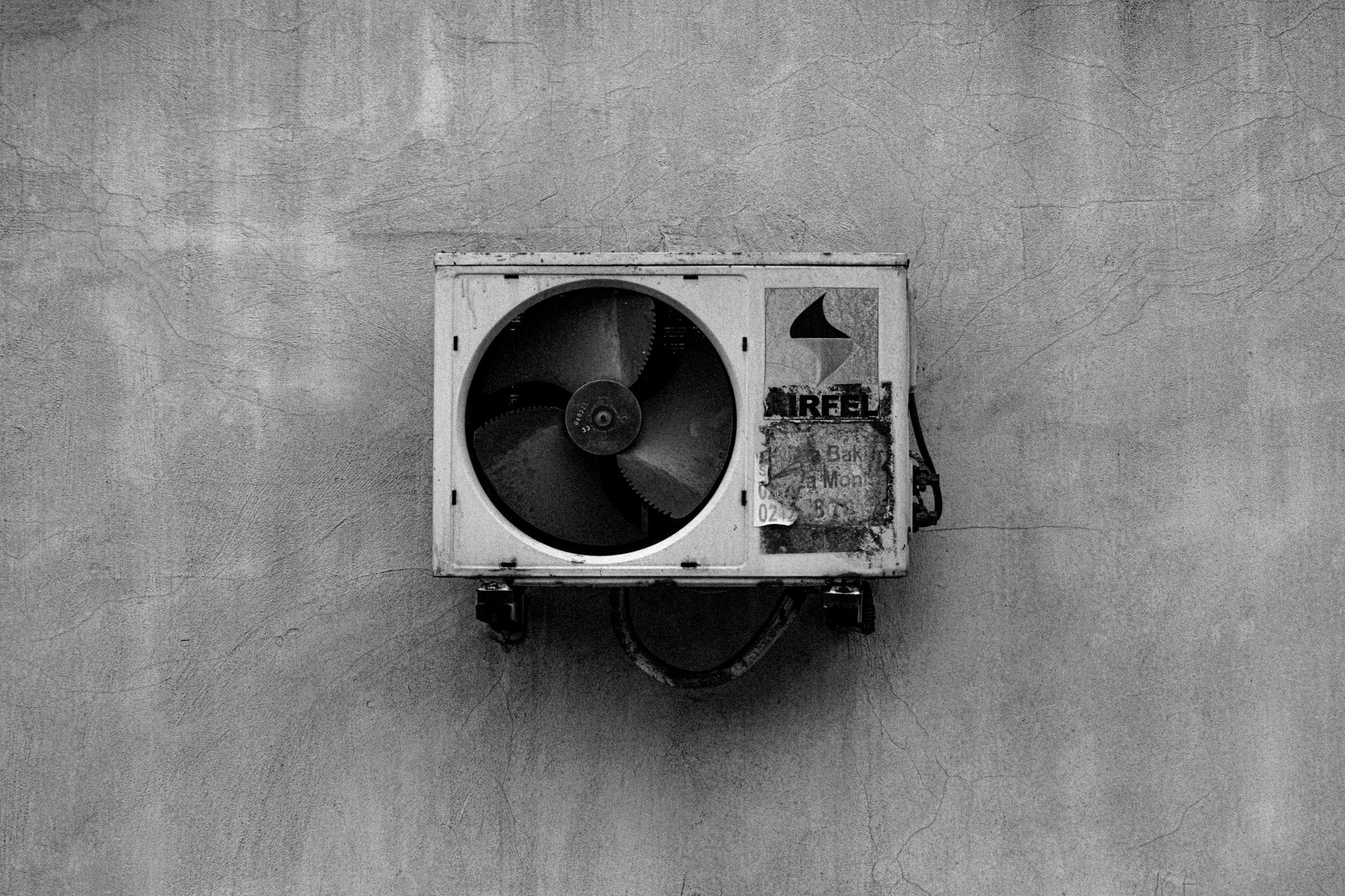
No, generally speaking, a standard residential air conditioner (AC) unit does not pull air directly from outside. Instead, it recirculates the air already inside your home, cooling it as it passes through the system and then redistributing it back into your rooms. Understanding this fundamental principle is crucial for optimizing your AC’s efficiency and maintaining a comfortable indoor environment.
How Air Conditioning Works: The Closed-Loop System
A typical central air conditioning system operates on a closed-loop principle. This means it primarily deals with the air that is already within your home’s sealed environment. Let’s break down the process:
-
The Indoor Unit (Evaporator): Located inside your home, often in conjunction with your furnace, the evaporator coil contains cold refrigerant. The blower fan pushes warm air from your home over this coil. As the air passes over the cold coil, it cools down. Moisture in the air condenses, contributing to further cooling and reducing humidity.
-
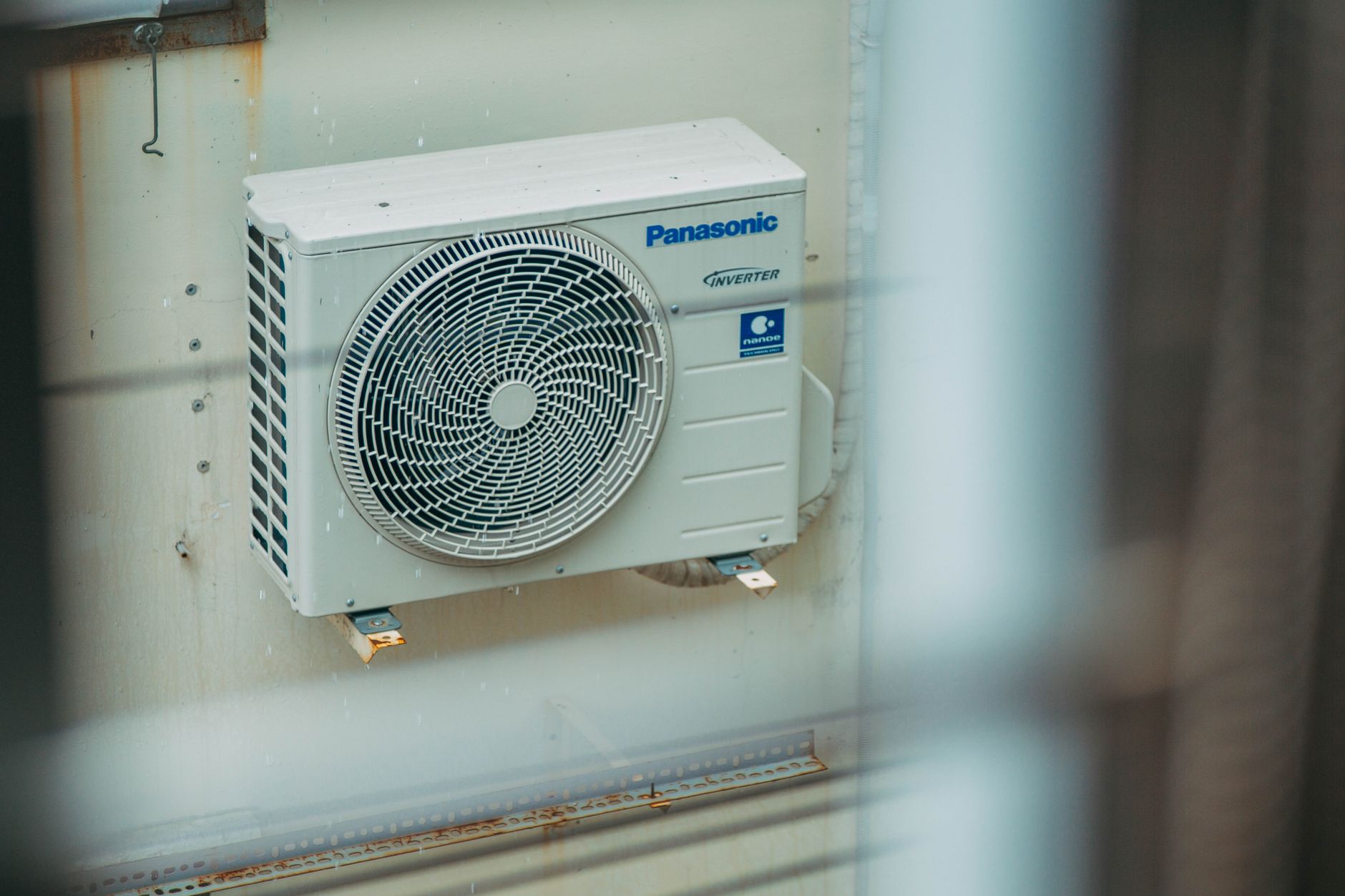
The Outdoor Unit (Condenser): The heat absorbed from the indoor air is transferred to the refrigerant. This hot refrigerant is then pumped to the outdoor unit, where it passes through the condenser coil. The condenser fan blows outside air over the hot coil, releasing the heat into the atmosphere.
-
The Refrigerant Cycle: The entire process is driven by a refrigerant, a chemical that easily changes between liquid and gas states. This refrigerant cycles continuously, absorbing heat inside your home and releasing it outside.
Therefore, the outdoor fan plays a crucial role in rejecting heat, but it’s not directly bringing in fresh air to cool your home. The air being cooled is drawn from inside your home’s ductwork.
Why Isn’t Air Pulled From Outside?
There are several key reasons why standard AC systems don’t pull air from the exterior:
-
Efficiency: Cooling outside air would be significantly less efficient. Outside air is often warmer and more humid than the air inside, especially during the hottest parts of the day. The AC would have to work much harder to cool it down to a comfortable temperature.
-
Contaminants: Outdoor air contains pollutants like dust, pollen, and other allergens. Constantly drawing in this air would introduce these contaminants into your home, potentially affecting air quality and triggering allergies.
-
Humidity Control: Controlling humidity is a crucial aspect of air conditioning. Outside air, especially in humid climates, carries a significant amount of moisture. Removing this moisture requires more energy, increasing operational costs.
-
Sealing and Insulation: Homes are designed to be relatively sealed and well-insulated. This helps to maintain a stable indoor temperature and prevents excessive heat gain or loss. Continuously introducing outside air would disrupt this balance.
Alternatives: Fresh Air Ventilation Systems
While standard AC systems don’t pull in outside air, there are systems designed to introduce controlled amounts of fresh air. These are typically implemented separately or as an add-on to existing HVAC systems.
-
Energy Recovery Ventilators (ERVs) and Heat Recovery Ventilators (HRVs): These systems bring in fresh air while pre-conditioning it using the temperature and humidity of the outgoing stale air. ERVs also transfer moisture, helping to maintain balanced humidity levels. HRVs primarily transfer heat.
-
Whole-House Ventilation Systems: These systems use a dedicated duct network to draw in fresh air and exhaust stale air. They can be set to operate intermittently or continuously, depending on the desired ventilation rate.
These systems are often recommended for homes that are tightly sealed for energy efficiency, as they help to ensure adequate ventilation and prevent the buildup of indoor air pollutants.
FAQs About AC Units and Airflow
1. Does opening windows increase AC efficiency?
No, opening windows while your AC is running significantly decreases its efficiency. The AC has to work much harder to maintain the desired temperature, as it’s constantly trying to cool the incoming warm air from outside. This leads to higher energy bills and potentially reduced lifespan of your AC unit.

What colours are fish most attracted to?
Can you put your finger in a trout's mouth?
Is methylene blue anti bacterial?
Does aquarium salt raise pH in aquarium?
2. What is the purpose of the air filter in my AC unit?
The air filter is designed to trap dust, pollen, pet dander, and other particles that are circulating in the air. This protects the AC system from damage and improves indoor air quality. It’s essential to clean or replace the air filter regularly to ensure optimal performance.
3. How often should I replace my AC filter?
Generally, you should replace your AC filter every 1-3 months. This depends on factors like the type of filter, the presence of pets, and the amount of dust and pollen in your area. Check the filter monthly and replace it if it appears dirty.
4. Can I use a high-MERV filter in my AC?
While high-MERV filters can trap smaller particles, they can also restrict airflow. Using a filter with too high a MERV rating can reduce your AC’s efficiency and potentially damage the system. Consult your HVAC technician to determine the appropriate MERV rating for your AC unit.
5. What is the difference between a window AC unit and a central AC unit?
A window AC unit is a self-contained unit that cools a single room. It draws air from the room, cools it, and then exhausts heat to the outside. A central AC unit uses a network of ducts to cool an entire house. The central unit recirculates air from the entire house, cooling it and distributing it through the ductwork.
6. What is a mini-split AC system?
A mini-split AC system consists of an outdoor unit and one or more indoor units that are connected by refrigerant lines. Unlike central AC, it doesn’t require ductwork. Each indoor unit can be controlled independently, allowing for zoned cooling.
7. How can I improve my home’s insulation for better AC efficiency?
Improving your home’s insulation helps to reduce heat gain in the summer and heat loss in the winter, improving AC efficiency. Common insulation upgrades include:
- Adding insulation to attics: This is often the most cost-effective way to improve insulation.
- Insulating walls: This can be done by blowing insulation into wall cavities.
- Sealing air leaks: Sealing cracks and gaps around windows, doors, and other openings helps to prevent air leakage.
8. What is a “SEER” rating, and why is it important?
SEER (Seasonal Energy Efficiency Ratio) is a measure of an AC unit’s cooling efficiency. A higher SEER rating indicates a more efficient unit. Choosing an AC with a higher SEER rating can significantly reduce your energy bills.
9. Does cleaning my AC coils improve efficiency?
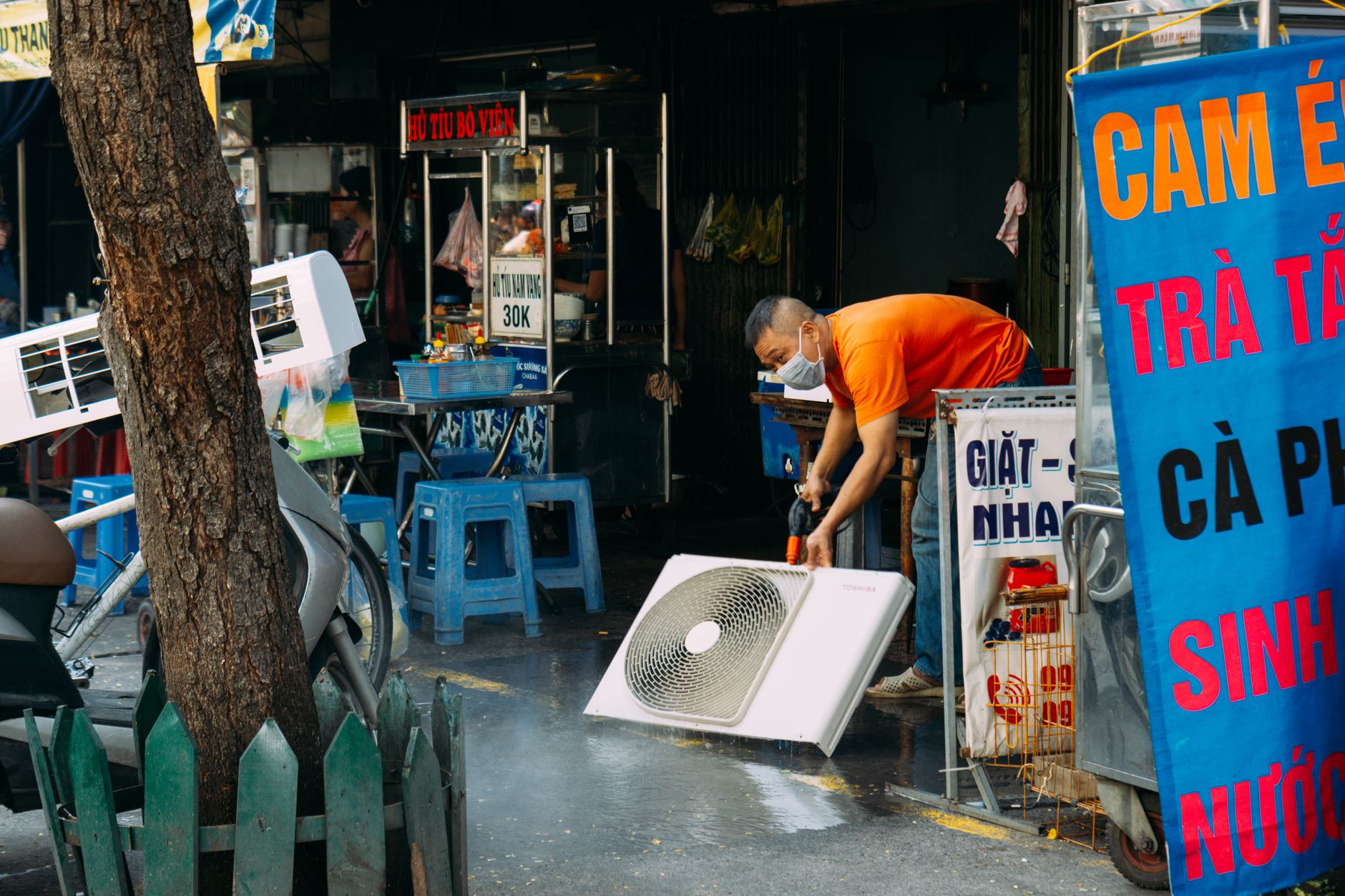
Yes, cleaning your AC coils regularly is crucial for maintaining efficiency. Dirty coils impede heat transfer, forcing the AC to work harder and consume more energy. You can clean the coils yourself or hire a professional HVAC technician.
10. What is a refrigerant recharge, and when is it necessary?
A refrigerant recharge involves adding refrigerant to the AC system to restore its proper operating level. This is necessary if the system is leaking refrigerant, which can reduce cooling performance. A qualified HVAC technician should perform refrigerant recharges.
11. Can I use my AC to dehumidify my home?
Yes, air conditioners naturally dehumidify the air as they cool it. However, some AC units have a dedicated dehumidify mode that maximizes moisture removal. Using this mode can be helpful in humid climates.
12. How can I tell if my AC unit is properly sized for my home?
An AC unit that is too small will struggle to cool your home effectively, while an AC unit that is too large will cycle on and off frequently, leading to inefficient operation and potential damage. A qualified HVAC technician can perform a load calculation to determine the appropriate size AC unit for your home. This calculation takes into account factors like square footage, insulation, and climate.