
Does a Taller Chimney Draft Better?
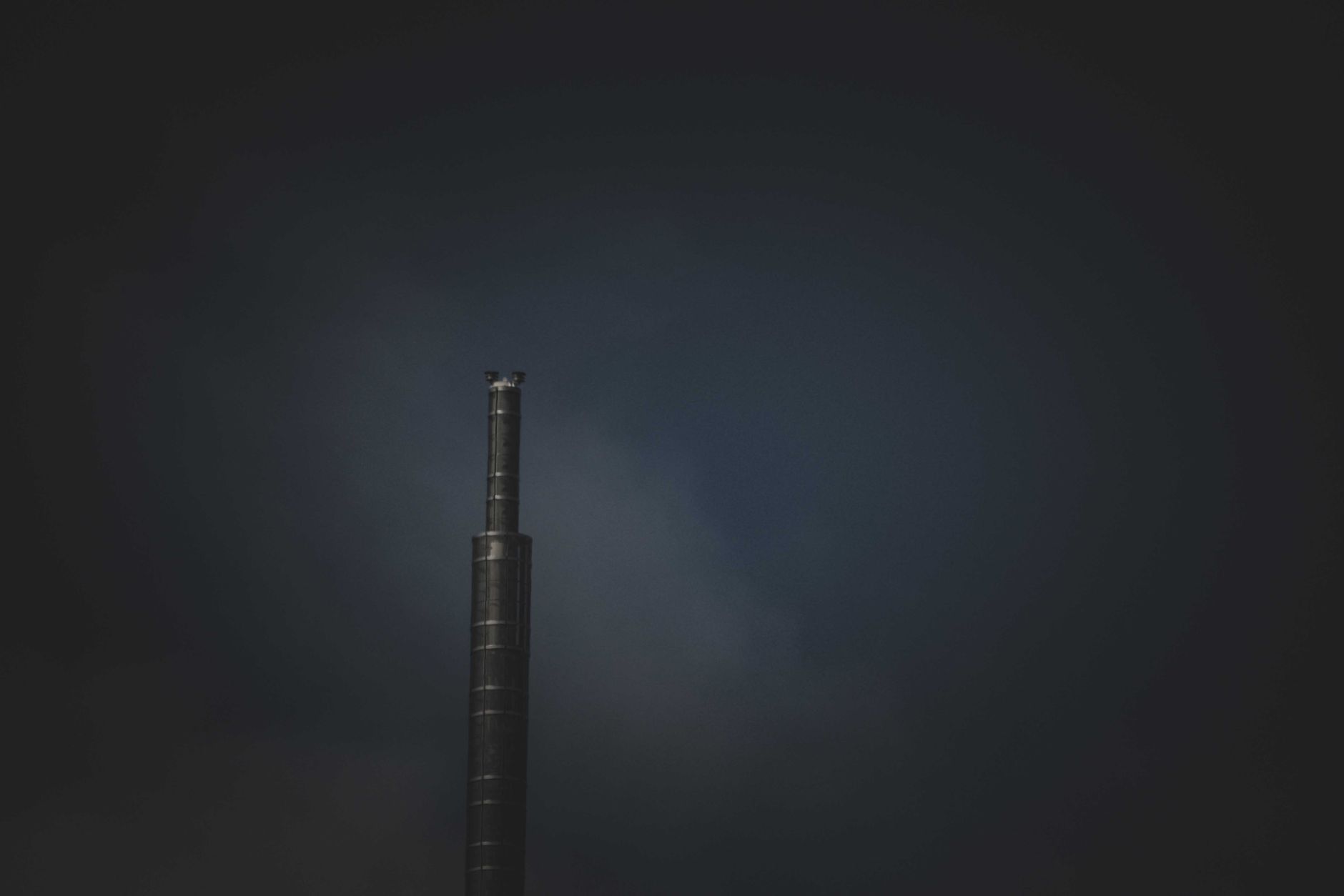
Yes, generally, a taller chimney will draft better. This is due to the increased pressure difference created by the larger column of hot gas inside the chimney compared to the cooler air outside, resulting in a stronger upward flow of combustion byproducts.

Understanding Chimney Draft: The Driving Force
Chimney draft, also known as chimney effect, is the phenomenon that draws air into a fireplace, stove, or furnace, and carries combustion byproducts out of the chimney. It’s essentially a naturally occurring air pump fueled by temperature differences. The greater the temperature difference and the taller the column of warm air, the stronger the draft. A poorly functioning chimney draft leads to smoke spillage, inefficient combustion, and potentially dangerous carbon monoxide buildup.
The Physics Behind the Effect
The principle behind chimney draft is rooted in basic physics. Hot air is less dense than cold air. Inside the chimney, combustion heats the gases, making them lighter than the ambient air outside. This difference in density creates a pressure difference. The heavier, cooler air outside exerts pressure on the base of the chimney, forcing the lighter, hotter gases upward and out the top. A taller chimney amplifies this effect because there’s a larger column of hot gas exerting upward pressure.

What colours are fish most attracted to?
Can you put your finger in a trout's mouth?
Is methylene blue anti bacterial?
Does aquarium salt raise pH in aquarium?
External Factors Affecting Draft
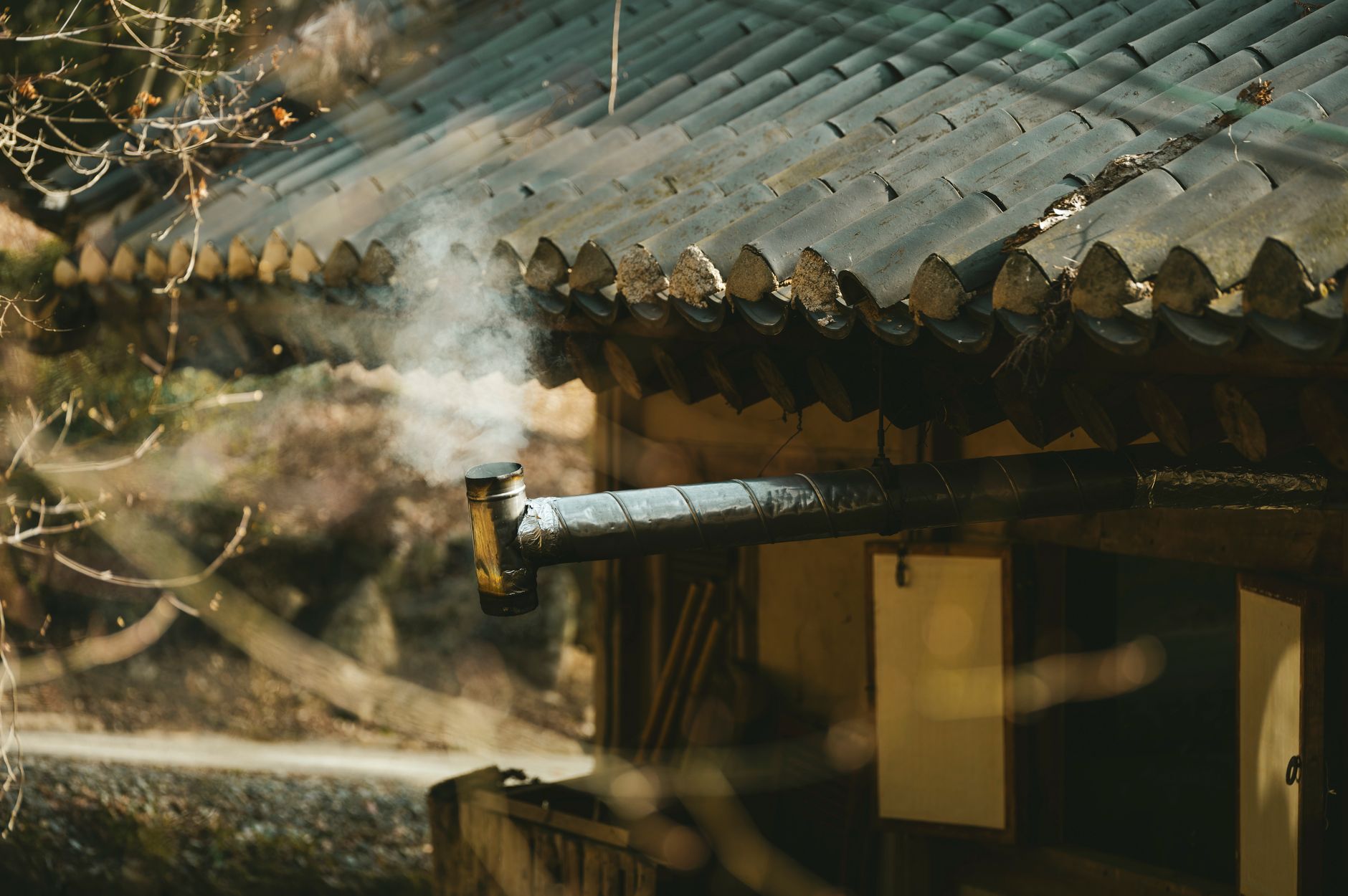
While chimney height is a significant factor, it’s not the only one. Wind conditions, outside temperature, and the presence of nearby obstructions can all influence draft. Wind blowing across the chimney top can create a downdraft, pushing air down the chimney instead of allowing it to escape. Cold outside temperatures increase the density difference, potentially enhancing draft, while unusually warm days may diminish it. Tall trees or buildings near the chimney can create wind turbulence, disrupting the natural airflow and affecting draft.
FAQs: Delving Deeper into Chimney Draft
Here are some frequently asked questions to further clarify the intricacies of chimney draft:
1. What is a “neutral pressure plane” in a chimney?
The neutral pressure plane is the point in a chimney where the pressure inside equals the pressure outside. Below this point, the pressure inside is negative (drawing air in), and above it, the pressure is positive (pushing air out). The height of the neutral pressure plane can shift depending on factors like wind and temperature.
2. How does chimney diameter affect draft?
Chimney diameter is crucial for proper draft. Too narrow a diameter restricts airflow, causing backdrafting and inefficient combustion. Too wide a diameter allows the hot gases to cool too quickly, reducing the temperature difference and weakening the draft. The ideal diameter depends on the size of the appliance being vented.
3. Can a chimney be too tall?
Yes, a chimney can be too tall. While increased height generally improves draft, an excessively tall chimney can lead to overcooling of the exhaust gases before they exit. This cooling reduces the buoyancy effect and can cause condensation within the chimney, leading to creosote buildup (a fire hazard) and corrosion.
4. What is a “chimney liner” and why is it important?
A chimney liner is a tube installed inside the chimney to protect the masonry from corrosive combustion byproducts and to provide a properly sized flue for the appliance. A properly sized liner ensures efficient drafting and prevents dangerous gases from seeping into the home. Liners are typically made of stainless steel or clay.
5. How does a barometric damper affect chimney draft?
A barometric damper is a mechanical device installed in the flue pipe that regulates draft by allowing outside air to enter the chimney when the draft is too strong. This prevents excessive heat loss and helps maintain consistent combustion. It’s particularly useful for appliances that are sensitive to draft fluctuations, such as oil furnaces.
6. What are common signs of poor chimney draft?
Common signs of poor chimney draft include smoke spilling into the room when a fire is lit, difficulty starting or maintaining a fire, a smoky odor in the house, and excessive creosote buildup in the chimney.
7. How can I test my chimney draft?
A simple draft test can be performed by holding a lit match or lighter near the opening of the appliance. If the flame is drawn strongly upward into the chimney, the draft is likely good. If the flame flickers or is pushed away, the draft is weak or negative. Professional draft gauges can provide more precise measurements.
8. What is “backdrafting” and why is it dangerous?
Backdrafting occurs when the airflow in the chimney reverses, causing combustion gases to flow back into the house. This is extremely dangerous because it can introduce carbon monoxide, a deadly odorless and colorless gas, into the home.
9. How does the type of fuel used affect chimney draft?
The type of fuel (wood, gas, oil, pellet) significantly impacts draft requirements. Wood-burning appliances typically require stronger drafts than gas or oil appliances due to the higher volume of smoke and creosote produced. Different fuels also generate different flue gas temperatures, which influence the buoyancy effect.
10. Can capping a chimney improve or worsen draft?
A chimney cap is essential for preventing rain, snow, and debris from entering the chimney. However, a poorly designed or improperly installed cap can restrict airflow and worsen draft. The cap should be sized appropriately for the chimney and have sufficient open area to allow for unobstructed exhaust.
11. What role does house depressurization play in chimney draft?
House depressurization occurs when exhaust fans, clothes dryers, or other appliances create a negative pressure inside the home relative to the outside. This negative pressure can counteract the chimney draft, causing backdrafting. Sealing air leaks and ensuring adequate makeup air can help alleviate depressurization issues.
12. When should I call a professional chimney sweep?
You should call a professional chimney sweep at least once a year to inspect and clean your chimney. They can identify potential draft problems, remove creosote buildup, and ensure the chimney is in good working order. They can also advise on appropriate chimney height and diameter for your appliance.
Optimizing Your Chimney Draft: Practical Solutions
If you suspect your chimney draft is inadequate, consider the following:
- Ensure the chimney is clean and free of obstructions: Regular cleaning is essential for maintaining proper draft.
- Consider extending the chimney height: This is often the most effective solution for improving draft, but consult with a professional to determine the appropriate height.
- Install a chimney liner: A properly sized liner can improve draft and protect the chimney from corrosion.
- Address house depressurization issues: Seal air leaks and ensure adequate makeup air for exhaust appliances.
- Install a barometric damper: This can help regulate draft and prevent excessive heat loss.
- Ensure the chimney cap is properly sized and installed: A restrictive cap can significantly impede draft.
Ultimately, ensuring a proper chimney draft is crucial for safety, efficiency, and preventing potentially hazardous conditions in your home. By understanding the principles behind chimney draft and taking appropriate steps to optimize it, you can enjoy a safe and comfortable heating experience. Remember to always consult with a qualified professional for any chimney-related issues.