
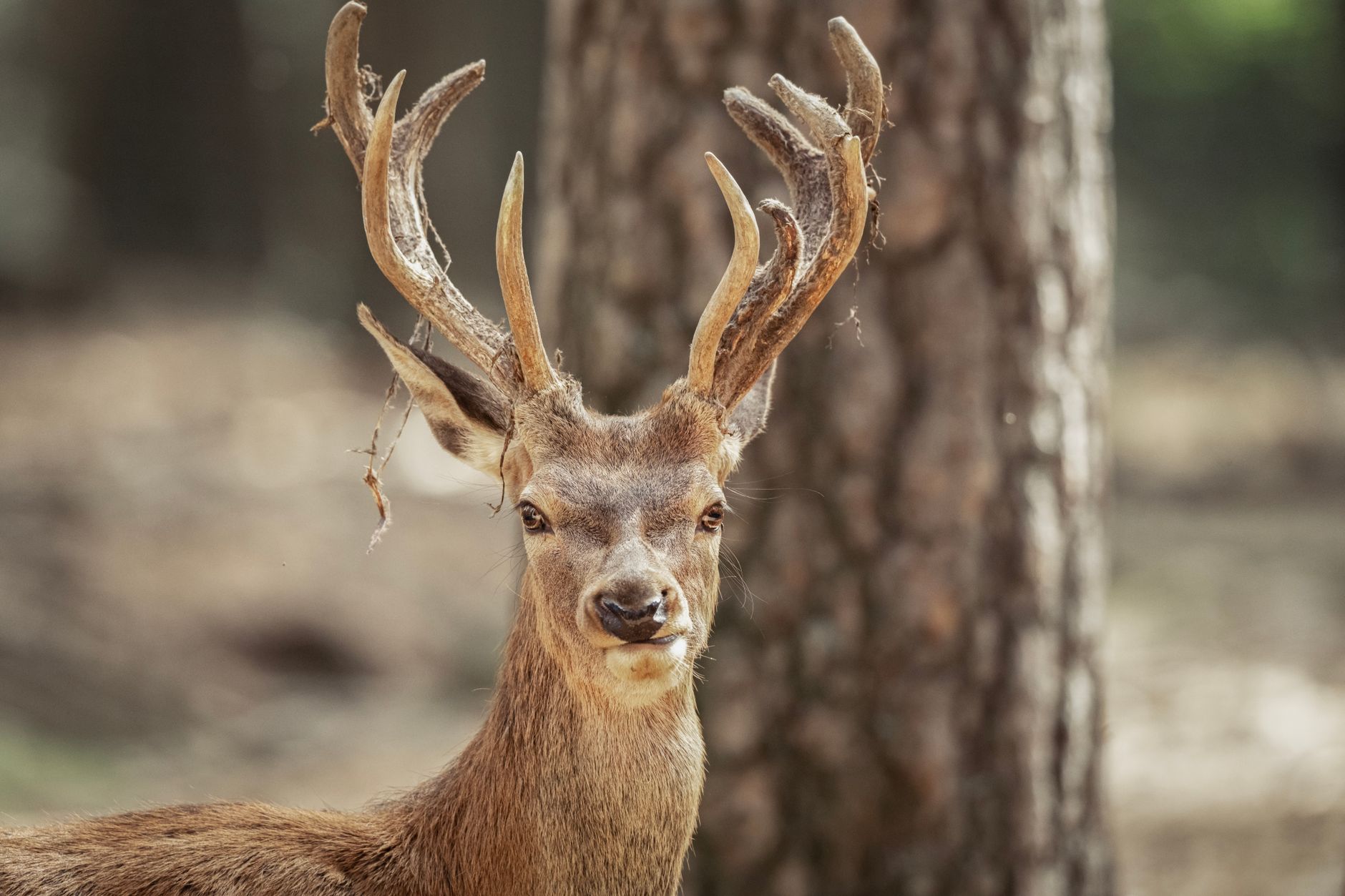
Do You Bleed a Deer Before Skinning?: A Comprehensive Guide
Bleeding a deer before skinning is a debated practice; while it doesn’t significantly improve meat quality, it can ease the gutting process by removing blood from the body cavity. The question of whether or not to bleed a deer ultimately depends on personal preference and hunting circumstances.
Introduction: Tradition vs. Necessity
The image of a successful hunt often includes the act of bleeding the harvested deer. This tradition, deeply ingrained in hunting culture, stems from the belief that draining the blood improves the taste and preservation of the meat. However, modern understanding of meat spoilage and processing raises questions about the necessity and effectiveness of this practice. So, do you bleed a deer before skinning? The answer is complex and warrants careful consideration.

What colours are fish most attracted to?
Can you put your finger in a trout's mouth?
Is methylene blue anti bacterial?
Does aquarium salt raise pH in aquarium?
Background: The Rationale Behind Bleeding

Historically, bleeding a deer was considered crucial for removing blood, which was thought to contribute to spoilage and taint the flavor of the meat. In a time before refrigeration, any method to extend the shelf life of the harvest was paramount. Bleeding was seen as a way to quickly lower the body temperature and remove a potential source of bacterial contamination. This tradition has persisted for generations, passed down through families and hunting communities.
Benefits of Bleeding (and Their Limitations)
While bleeding a deer may not drastically improve meat quality in modern times, proponents argue it offers some advantages:
- Easier Gutting: Removing blood can simplify the process of field dressing, especially for novice hunters. A cleaner body cavity allows for better visibility and less mess.
- Visual Assurance: Some hunters find reassurance in seeing the blood drain, believing it indicates a clean kill and complete dispatch.
- Traditional Practice: For many, bleeding is an integral part of the hunting ritual, connecting them to past generations of hunters.
However, it’s important to acknowledge the limitations:
- Minimal Impact on Spoilage: Rapid cooling and proper handling after field dressing are far more critical for preventing spoilage than bleeding alone. Modern refrigeration and freezing techniques render the benefits of bleeding less significant.
- Potential for Contamination: Improper bleeding techniques can actually increase the risk of contamination. If the knife isn’t clean or the carcass comes into contact with contaminated surfaces, bacteria can be introduced.
- Loss of Edible Blood: In some cultures, deer blood is considered a delicacy and is used in various recipes. Bleeding the deer prevents the utilization of this resource.
How to Bleed a Deer (If You Choose To)
If you decide to bleed a deer, follow these steps for a safe and efficient process:
- Ensure the deer is deceased: Confirm the animal is no longer alive before proceeding.
- Elevate the deer’s head: Position the deer with its head downhill to facilitate drainage. This can be done by hanging the carcass or propping up the head.
- Locate the carotid arteries and jugular veins: These are located in the neck region.
- Make a clean, deep incision: Using a sharp, clean knife, carefully sever the carotid arteries and jugular veins.
- Allow the blood to drain: Let the blood drain completely for several minutes. Position the carcass to ensure thorough drainage.
- Dispose of the blood properly: Follow local regulations for the disposal of animal blood.
Common Mistakes to Avoid
Several common mistakes can diminish the effectiveness of bleeding or even introduce new problems:
- Bleeding a living animal: Never attempt to bleed an animal that is still alive. This is inhumane and unethical.
- Using a dull or dirty knife: A dull knife can make the incision difficult and increase the risk of injury. A dirty knife can introduce bacteria and contaminate the carcass.
- Delaying the process: Bleeding should be done as soon as possible after the kill to be most effective.
- Ignoring proper disposal: Improper disposal of blood can attract scavengers and create unsanitary conditions.
The Verdict: To Bleed or Not to Bleed?
Ultimately, the decision of do you bleed a deer before skinning is a personal one. There’s no definitive scientific evidence that bleeding significantly improves meat quality when proper cooling and handling techniques are employed. If you choose to bleed, do so safely and hygienically. If you prefer not to, prioritize rapid cooling and field dressing to ensure a delicious and safe harvest. Consider whether you intend to use the blood, and your cultural background.
Frequently Asked Questions (FAQs)
Is bleeding a deer necessary for good meat quality?
No, bleeding a deer is not strictly necessary for good meat quality. Rapid cooling, proper field dressing, and hygienic handling are far more crucial factors in preventing spoilage and ensuring a delicious final product. Modern refrigeration techniques have significantly reduced the reliance on bleeding.
Does bleeding a deer affect the taste of the meat?
The impact of bleeding on taste is minimal and often negligible. Some hunters believe it reduces a “gamey” flavor, but this is largely subjective. Proper handling and aging of the meat are more likely to influence the taste profile.
What is the best way to cool down a deer carcass quickly?
The most effective way to cool a deer carcass is to field dress it immediately after the kill and then place it in a refrigerated environment as soon as possible. If refrigeration isn’t immediately available, hang the carcass in a cool, shaded area with good airflow.
How long should I let a deer bleed?
If you choose to bleed a deer, allow the blood to drain for at least 5-10 minutes. Ensure the carcass is positioned to facilitate complete drainage. However, the duration is less critical than performing the process quickly and hygienically.
Can I bleed a deer after it’s been skinned?
Bleeding a deer after it’s been skinned is not recommended. The skin acts as a barrier to protect the meat from contamination. Removing the skin before bleeding exposes the carcass to potential bacteria.
Is it ethical to bleed a deer that is still alive?
No, it is absolutely unethical and inhumane to bleed a deer that is still alive. Always ensure the animal is deceased before proceeding with any processing activities.
What kind of knife should I use to bleed a deer?
Use a sharp, clean hunting knife specifically designed for processing game. Ensure the knife is properly sanitized before use to prevent contamination.
What if I don’t have access to running water to clean the carcass?
If you don’t have access to running water, use clean cloths or paper towels to wipe down the carcass. You can also use a commercial game wash to help sanitize the meat. Avoid using dirty water, as it can introduce bacteria.
How do I dispose of deer blood properly?
Deer blood should be disposed of according to local regulations. Contact your local wildlife agency or health department for guidance. Common methods include burying the blood in a deep hole or disposing of it in a designated animal waste container.
What are the risks of not bleeding a deer?
The risks of not bleeding a deer are minimal if you prioritize rapid cooling, proper field dressing, and hygienic handling. The lack of bleeding itself does not significantly increase the risk of spoilage.
Does bleeding a deer affect the aging process?
Bleeding a deer has no significant impact on the aging process. Aging is primarily influenced by temperature, humidity, and airflow. Proper aging enhances the tenderness and flavor of the meat, regardless of whether the animal was bled.
Are there any cultures that traditionally don’t bleed deer?
Yes, some cultures traditionally do not bleed deer and instead focus on immediate field dressing and rapid cooling. These cultures may have different culinary traditions that utilize the blood in various recipes or simply prioritize other methods of preservation. Their tradition provides further backing on do you bleed a deer before skinning?, the choice is yours based on your knowledge, cultural practices, and intentions of the animal.