
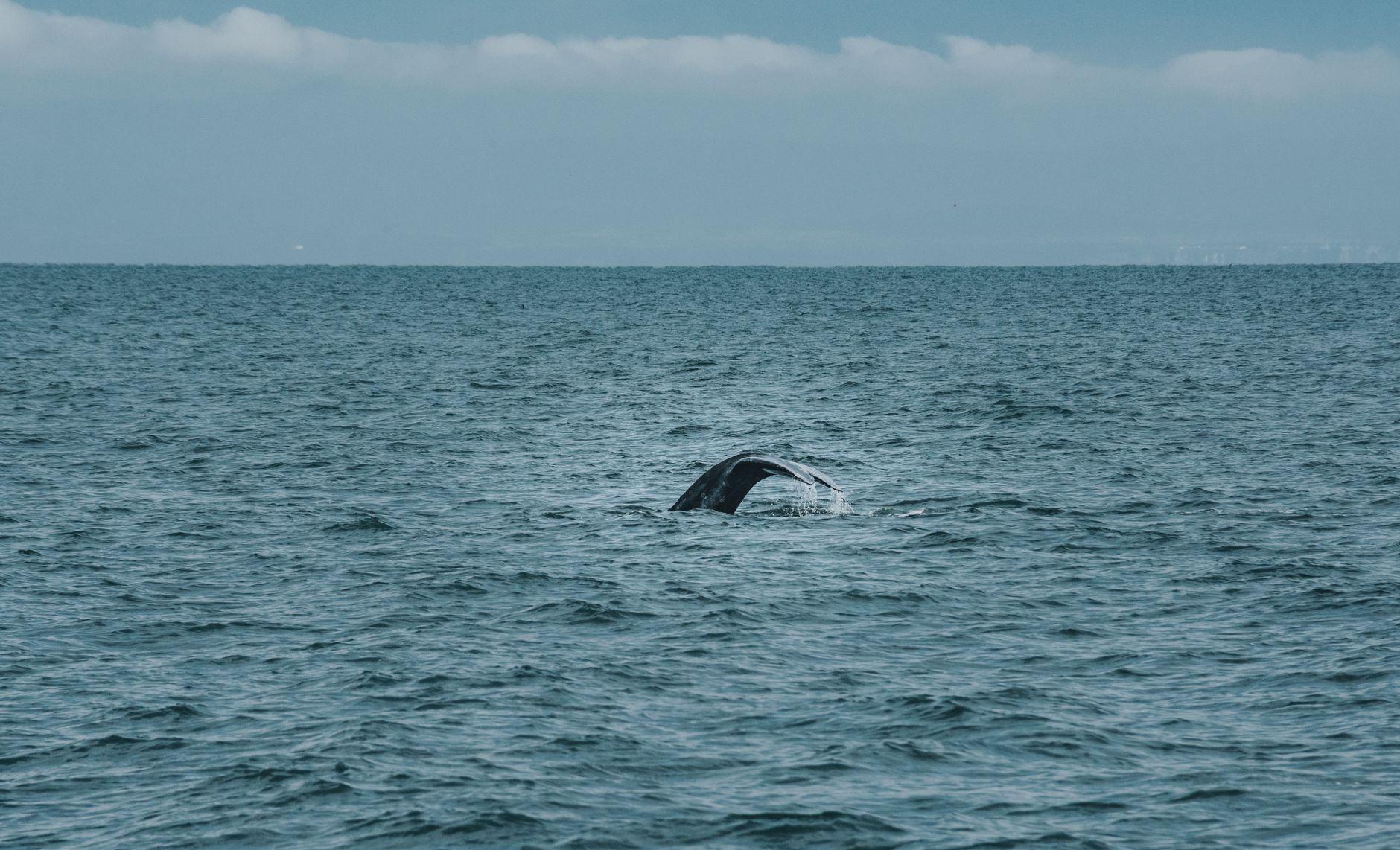
Do Whales Come Out in the Rain? Exploring the Weather’s Impact on Marine Giants
No, whales don’t “come out” in the rain in the sense of surfacing more frequently or changing their migration patterns because of it. Rain, per se, doesn’t significantly impact their behavior, but associated weather conditions can.
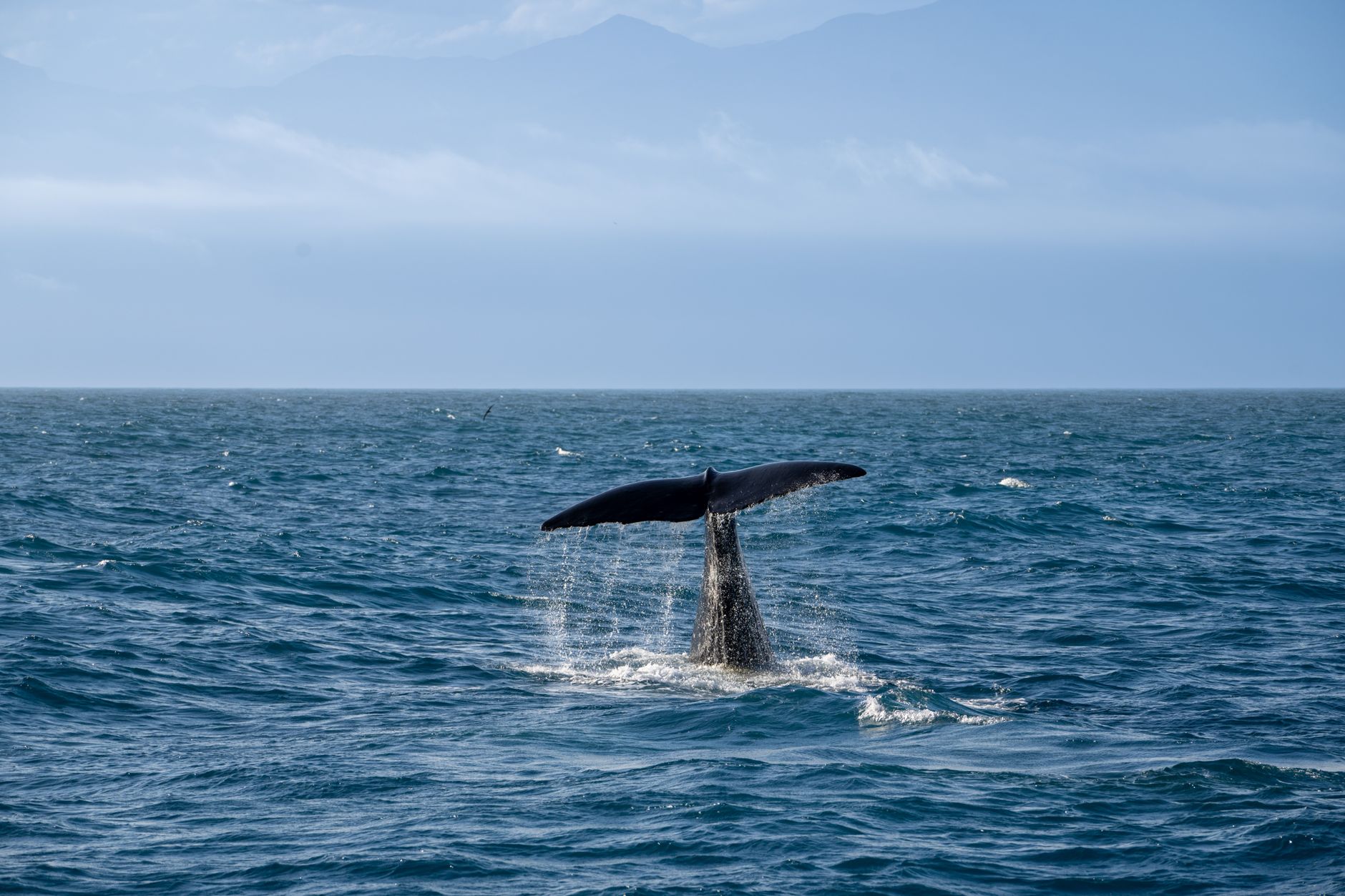
Whale Behavior and the Aquatic Environment
Whales, magnificent marine mammals, live entirely in the water. Understanding their relationship with the ocean is crucial to understanding how weather, including rain, might affect them. Their lives are governed by factors like:
- Water Temperature: Crucial for thermoregulation and food availability.
- Salinity: Must maintain proper osmotic balance.
- Prey Availability: Dictates migration patterns and feeding behaviors.
- Acoustic Environment: Whales rely heavily on sound for communication and navigation.
- Predator Avoidance: Avoiding threats like sharks and killer whales.
These are primary factors that guide their behaviour. Rain itself doesn’t directly alter these conditions in a way that would compel whales to drastically change their behavior.

What colours are fish most attracted to?
Can you put your finger in a trout's mouth?
Is methylene blue anti bacterial?
Does aquarium salt raise pH in aquarium?
Rain: A Superficial Change

Rain primarily affects the surface of the ocean. Its influence rapidly diminishes with depth. While rain can temporarily reduce salinity at the very surface, this effect is negligible compared to the vastness and stability of the ocean. Whales, particularly the larger species, spend a significant portion of their time well below the surface, rendering rainfall almost irrelevant to their immediate environment.
The key here is to differentiate between rain itself and the broader weather patterns it often accompanies.
The Real Influence: Associated Weather Conditions
The important thing to understand is that it is NOT necessarily the rain that impacts whale behavior. Instead, the following factors that often come with rainy weather conditions can impact whales and their behavior:
- Increased Wind: Creates stronger currents and wave action. This can affect whale movement and navigation.
- Reduced Visibility: Makes it harder for whales to locate prey and communicate effectively using visual cues.
- Changes in Surface Acoustics: Rough seas, common during storms, can mask whale vocalizations, hindering communication.
- Shifts in Prey Distribution: Storms can redistribute plankton and small fish, forcing whales to alter their feeding patterns.
Whale Responses to Stormy Weather
While do whales come out in the rain as a direct reaction to the rain? The answer is no. However, whales will adjust their behavior in response to associated conditions:
- Deep Diving: To avoid strong surface currents and turbulent waters.
- Altered Migration Routes: To bypass storm-prone areas.
- Changes in Vocalization Patterns: To compensate for reduced visibility and acoustic masking.
- Seeking Sheltered Waters: Some whales may move closer to shore or into bays to find calmer waters.
It is also likely, though difficult to empirically prove, that severe storms could cause displacement and strandings.
Common Misconceptions
A common misconception is that whales are greatly bothered by rain falling on their blowholes. This is false. A whale’s blowhole is a sophisticated valve system designed to keep water out. Rain poses no threat to a whale’s respiratory system. It’s designed to be underwater!
Summary Table: Direct vs. Indirect Impact
| Factor | Direct Impact from Rain | Indirect Impact (Associated Conditions) |
|---|---|---|
| Salinity | Negligible temporary change | Significant shifts due to storm surge |
| Water Temperature | Negligible | Possible changes due to upwelling |
| Visibility | Minor reduction | Significant reduction due to fog/cloud cover |
| Acoustic Environment | Minimal | Masking by waves and wind noise |
Frequently Asked Questions (FAQs)
Will whales get sick if rainwater gets into their blowhole?
No. Whales have a specialized sphincter muscle in their blowhole that prevents water from entering their lungs. Rainwater is no different; the whale is perfectly capable of preventing any water from entering its respiratory system. The blowhole is only open when exhaling or inhaling.
Does rain affect the krill population, which is a major food source for some whales?
Yes, indirectly. Storms that often accompany rain can disrupt plankton blooms, affecting krill distribution and abundance. This, in turn, can influence whale feeding patterns, prompting them to seek out areas with higher krill concentrations.
Are there any whale species that are more sensitive to rainy weather than others?
There isn’t conclusive evidence suggesting certain species are inherently more sensitive to rain per se. However, species that rely more on surface feeding, like some baleen whales, may be indirectly affected by reduced visibility or changes in prey distribution caused by storms.
Can heavy rain cause ocean acidification and affect whale populations?
While heavy rain can contribute to runoff that introduces pollutants into the ocean, the direct acidification effect of rainwater on ocean chemistry is generally minimal compared to the overall impact of increased atmospheric carbon dioxide.
Do whales change their migration patterns during rainy seasons?
While whales don’t specifically avoid rainy seasons, they might alter their migration routes to avoid areas prone to severe storms. Their primary drivers for migration are food availability and breeding, but severe weather can certainly influence their chosen path.
How do scientists study the effects of weather, including rain, on whale behavior?
Scientists use a variety of methods, including satellite tracking, acoustic monitoring, and visual observation. By correlating weather data with whale movement patterns and vocalizations, they can gain insights into how weather influences whale behavior.
Does rain help to clean pollutants from the ocean surface, potentially benefiting whales?
While rain can wash some pollutants from the air and surface, it can also carry pollutants from land into the ocean, potentially negating any benefit. It’s a complex cycle with no simple answer.
Do whales prefer sunny weather over rainy weather?
There’s no evidence to suggest whales have a preference. Their survival depends on finding food and suitable breeding grounds, irrespective of weather conditions.
How does climate change and increased rainfall affect whale populations long term?
Climate change brings about more extreme weather patterns, including intense rainfall and storm surges. This can disrupt whale habitats, alter prey distribution, and increase the risk of strandings. The long-term consequences are a serious concern for whale conservation.
If the weather is rainy, should I cancel my whale watching tour?
It depends. While rain itself doesn’t harm whales, associated conditions like rough seas and reduced visibility can make it more difficult to spot them. Check with the tour operator about their policy and the potential for sea sickness!
Do whales seek shelter from storms in specific underwater locations?
Some whales may seek shelter in deeper waters or near coastlines that offer protection from strong currents and waves. However, this varies by species and location, and not all whales actively seek shelter.
Is it more difficult to hear whale songs in the rain?
Yes, heavy rain and storms can significantly increase background noise in the ocean, making it more difficult for whales to communicate using their vocalizations. This phenomenon is known as acoustic masking.