

Do Turtles Heal Slowly? Understanding Reptilian Wound Care
Do turtles heal slowly? While turtles share similar wound-healing processes with other vertebrates, their metabolism, strongly influenced by environmental temperature, significantly impacts their healing rate, making it relatively slower compared to mammals and birds.
Introduction: The Intriguing World of Turtle Healing
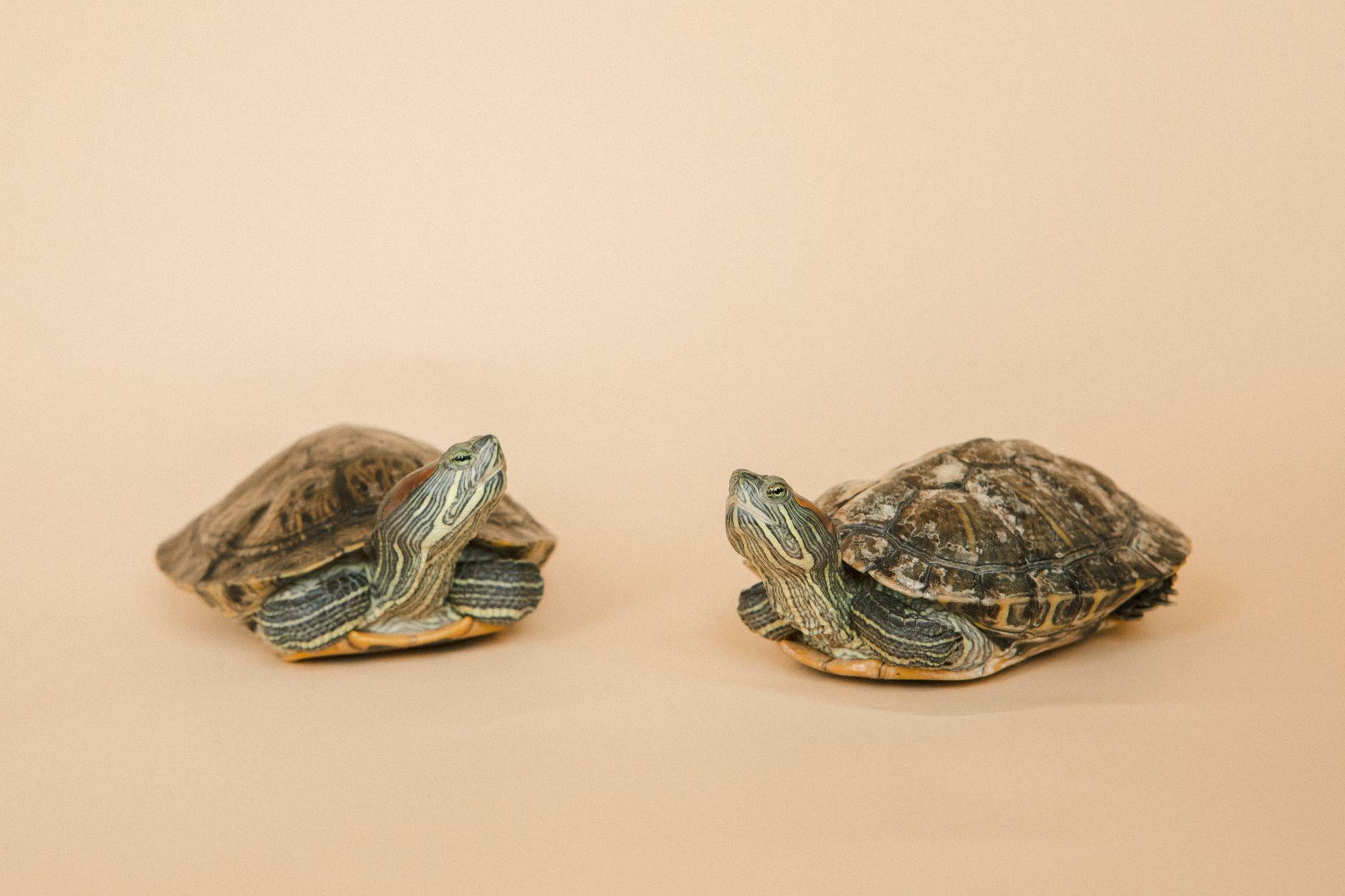
Turtles, ancient mariners of the reptile world, possess a remarkable resilience. However, when injuries occur, the question arises: Do turtles heal slowly? The answer isn’t a simple yes or no. A turtle’s ability to recover from injuries is complex, heavily influenced by factors such as temperature, age, the severity of the wound, and the overall health of the animal. Understanding these variables is crucial for proper turtle care, especially in captivity or rescue situations. This article explores the intricacies of turtle wound healing, shedding light on the processes involved and offering guidance on promoting optimal recovery.
Is distilled water good for goldfish?
What colours are fish most attracted to?
Can you put your finger in a trout's mouth?
Is methylene blue anti bacterial?
The Reptilian Healing Process: A Comparative Overview

The fundamental stages of wound healing – inflammation, proliferation, and remodeling – are conserved across vertebrates, including turtles. However, the speed at which these stages progress differs significantly.
- Inflammation: This initial phase involves the body’s defense mechanisms, attracting immune cells to the injury site to combat infection and clear debris.
- Proliferation: New tissue, including blood vessels and collagen, is generated to fill the wound. This stage also includes epithelialization, where skin cells migrate to cover the wound surface.
- Remodeling: The newly formed tissue is reorganized and strengthened over time, leading to scar formation.
The primary difference lies in the pace. Mammals and birds, with their higher metabolic rates and constant body temperatures, can execute these steps much more rapidly.
The Temperature Connection: Poikilothermy and Healing
Turtles are poikilothermic animals, also known as ectotherms. This means their body temperature is regulated by their external environment. Consequently, their metabolic rate is directly affected by ambient temperature.
A lower body temperature translates to:
- Slower cellular activity
- Reduced immune function
- Decreased blood flow to the wound site
Therefore, Do turtles heal slowly? The answer becomes a qualified yes. Lower temperatures can significantly impede the healing process. Optimal healing occurs within a turtle’s preferred optimal temperature zone (POTZ), which varies depending on the species.
Factors Influencing Turtle Wound Healing
Several factors contribute to the rate and effectiveness of turtle wound healing:
- Temperature: As discussed, this is arguably the most crucial factor. Maintaining an appropriate temperature is vital for optimal healing.
- Age: Younger turtles generally heal faster than older turtles due to their higher metabolic rates.
- Nutrition: A balanced diet rich in vitamins and minerals is essential for tissue repair and immune function.
- Hydration: Adequate hydration is crucial for cellular processes and overall health, supporting the healing process.
- Wound Type and Severity: Deeper, more extensive wounds naturally take longer to heal. Infected wounds also require additional care and extend healing time.
- Species: Different species may exhibit varying healing rates based on their metabolism and physiological characteristics.
- Overall Health: A healthy turtle with a strong immune system will heal more efficiently.
Promoting Turtle Wound Healing: Best Practices
Creating an environment that promotes healing is paramount for injured turtles.
- Maintain Optimal Temperature: Provide a basking area that allows the turtle to reach its POTZ. Monitor the temperature closely.
- Ensure Clean Environment: Keep the enclosure clean and free from debris to prevent infection. Change water frequently.
- Provide Proper Nutrition: Offer a balanced diet appropriate for the turtle species. Consider supplementing with vitamins.
- Hydration: Ensure access to fresh, clean water. Soaking the turtle regularly can also aid hydration.
- Veterinary Care: Seek professional veterinary care for severe wounds or suspected infections. Antibiotics or other treatments may be necessary.
- Wound Management: Clean the wound regularly with a diluted antiseptic solution (as directed by a veterinarian). Keep the wound moist if instructed, or dry, depending on the veterinarian’s advice.
Common Mistakes to Avoid
Several common mistakes can hinder turtle wound healing:
- Neglecting Temperature Control: Failing to maintain an appropriate temperature is a primary cause of slow healing.
- Poor Hygiene: Dirty enclosures increase the risk of infection.
- Inadequate Nutrition: A deficient diet can impair tissue repair and immune function.
- Over-the-Counter Medications: Using inappropriate medications can be harmful. Always consult a veterinarian.
- Ignoring Warning Signs: Ignoring signs of infection, such as redness, swelling, or pus, can lead to serious complications.
- Dry Docking for Extended Periods: Prolonged dry docking can impede the natural healing process in aquatic species. Follow your veterinarian’s directions.
Frequently Asked Questions about Turtle Wound Healing
Does a turtle’s shell heal like a bone?
No, a turtle’s shell doesn’t heal in the same way as a bone fracture. The shell is composed of bone fused to modified ribs, covered by scutes (keratin plates). While the bone can regenerate to some extent, damaged scutes don’t regrow. New keratin may gradually cover the damaged area. Severe shell damage requires specialized veterinary care.
What are the signs of a wound infection in turtles?
Signs of a wound infection include redness, swelling, pus discharge, foul odor, lethargy, loss of appetite, and reluctance to move. If you observe any of these signs, immediate veterinary attention is crucial.
Can I use human antiseptic on my turtle’s wound?
No, human antiseptics can be toxic to turtles. Always consult a veterinarian for appropriate wound care products specifically designed for reptiles. Betadine (povidone-iodine) diluted to a safe concentration is often recommended, but always confirm with a vet.
How important is humidity for turtle wound healing?
Humidity levels are important, but the ideal level depends on the turtle species. Aquatic turtles require high humidity, while some terrestrial species prefer drier conditions. Maintaining appropriate humidity helps prevent desiccation and promotes proper skin regeneration. A vet can guide on species-specific humidity needs.
How long does it typically take for a turtle’s wound to heal?
The healing time varies greatly depending on the factors mentioned earlier, but it generally takes longer than in mammals. Small, superficial wounds may heal in a few weeks, while larger or infected wounds can take months.
What is “shell rot” and how is it treated?
Shell rot is a bacterial or fungal infection that affects the shell. It manifests as soft spots, pitting, or discoloration. Treatment involves cleaning the affected area, applying antifungal or antibacterial medication (prescribed by a vet), and improving environmental conditions to reduce humidity.
Are aquatic turtles more prone to wound infections?
Yes, aquatic turtles are generally more susceptible to wound infections because they are constantly exposed to bacteria in the water. Maintaining clean water and providing proper filtration is crucial for preventing infections.
How can I prevent my turtle from reinjuring its wound?
Preventing reinjury involves addressing the underlying cause of the initial injury and providing a safe and comfortable environment. Remove sharp objects from the enclosure, ensure adequate space to move around, and separate aggressive turtles.
Does a turtle’s diet affect its healing process?
Absolutely! A balanced diet rich in vitamins and minerals is vital for tissue repair and immune function. Vitamin A, vitamin C, and zinc are particularly important for wound healing. Provide a varied diet appropriate for the species.
What is the role of antibiotics in turtle wound healing?
Antibiotics are used to treat bacterial infections that can complicate wound healing. A veterinarian will prescribe the appropriate antibiotic based on the type of infection and the turtle’s species and size. Never administer antibiotics without veterinary guidance.
Should I separate an injured turtle from other turtles?
Separating an injured turtle is often necessary to prevent further injury or bullying from other turtles. This also allows for easier monitoring and treatment of the wound.
What role does sunlight or UVB light play in the healing process?
UVB light is essential for vitamin D3 synthesis, which is crucial for calcium absorption and bone health. Strong bones help support a healthy shell. While UVB light doesn’t directly heal the wound, it strengthens the turtle’s overall health, supporting the healing process.