

Do Tapeworms Hurt Bears? Unveiling the Truth
While tapeworm infections are common in bears, the question of whether tapeworms hurt bears isn’t always straightforward. Most infections are considered asymptomatic or cause only mild discomfort, but heavy infestations can definitely impact bear health.

Tapeworms and Bears: A Symbiotic (or Not So Symbiotic) Relationship
Bears, like many carnivores and omnivores, are susceptible to parasitic infections, including those caused by tapeworms. These parasites can reside in the bear’s intestinal tract, absorbing nutrients and potentially causing a range of effects on the host animal. Understanding the dynamics of this host-parasite relationship is crucial for assessing the impact of tapeworms on bear populations.

What colours are fish most attracted to?
Can you put your finger in a trout's mouth?
Is methylene blue anti bacterial?
Does aquarium salt raise pH in aquarium?
Different Tapeworm Species and Their Hosts
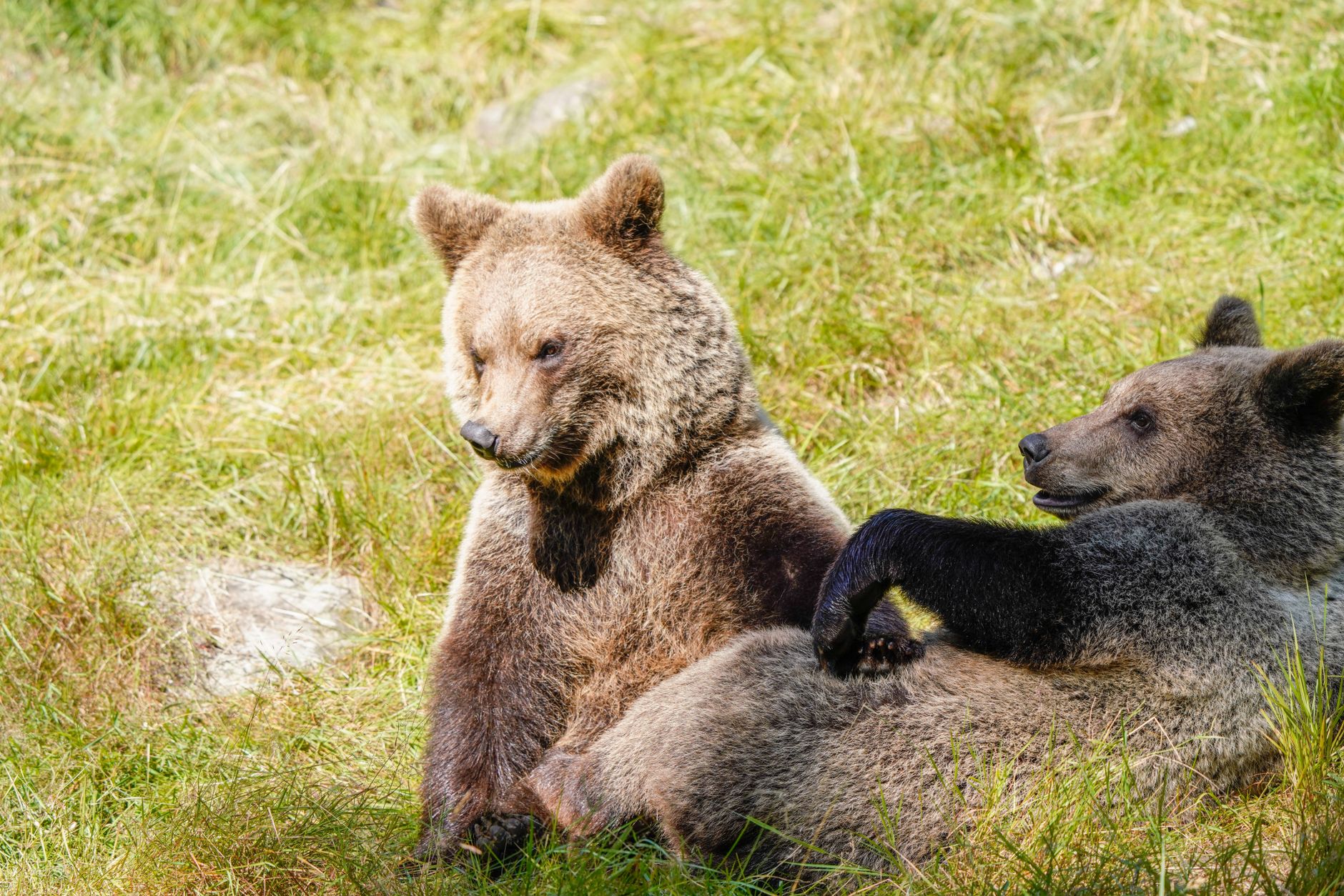
Several species of tapeworms can infect bears. Understanding the specific type of tapeworm is critical because the severity of the infection and its impact on the bear can vary depending on the parasite involved. These tapeworms often have complex life cycles involving intermediate hosts like rodents or ungulates. Bears become infected by consuming these intermediate hosts.
- Taenia species: These are common tapeworms found in bears.
- Diphyllobothrium species: These can also infect bears, often acquired through fish consumption.
- Less common species: Other less frequently encountered tapeworm species can occasionally infect bears.
The Life Cycle of a Tapeworm
The life cycle of a tapeworm is complex, involving multiple hosts. Typically, a bear ingests a larval stage of the tapeworm from infected prey. The larva then develops into an adult tapeworm within the bear’s small intestine. The adult tapeworm produces segments (proglottids) containing eggs, which are shed in the bear’s feces, completing the cycle when another animal consumes the eggs or an intermediate host becomes infected.
How Bears Get Infected with Tapeworms
Bears typically become infected with tapeworms by consuming infected intermediate hosts. This can include:
- Rodents (mice, voles)
- Ungulates (deer, elk, moose)
- Fish (for certain tapeworm species)
The prevalence of tapeworms can vary depending on the bear’s diet, geographic location, and the availability of intermediate hosts.
Signs and Symptoms of Tapeworm Infection in Bears
In many cases, tapeworm infections in bears are asymptomatic, meaning the bear shows no obvious signs of illness. However, in heavy infestations, bears may exhibit:
- Weight loss
- Poor coat condition
- Diarrhea
- Increased appetite (due to nutrient absorption by the tapeworm)
These symptoms are often subtle and difficult to detect in wild bear populations.
Are Tapeworms Always Harmful to Bears?
The impact of tapeworms on bears varies. Light infections may be relatively harmless, but heavy infestations can weaken the bear, making it more susceptible to other diseases, less able to compete for resources, and less resilient during periods of food scarcity. This is particularly concerning for cubs and young bears. Do tapeworms hurt bears? They definitely can if the infestation is severe.
Diagnosis and Treatment of Tapeworm Infections
Diagnosing tapeworm infections in wild bears is challenging. Fecal samples can be analyzed for tapeworm eggs or proglottids, but this requires capturing the bear and collecting a sample. Treatment typically involves administering deworming medication, which is also difficult to administer in the wild. Wildlife researchers and managers often focus on preventing infections by managing bear populations and their habitats.
Management and Prevention Strategies
Preventing tapeworm infections in bears involves:
- Managing bear populations to reduce overcrowding and stress.
- Protecting bear habitats to ensure access to a diverse and healthy food supply.
- Monitoring bear health through fecal sampling and other methods.
These strategies are aimed at maintaining the overall health and resilience of bear populations, reducing their vulnerability to parasitic infections.
Common Mistakes in Understanding Bear Health and Tapeworms
A common misconception is that all tapeworm infections are inherently harmful. While heavy infestations can be detrimental, light infections may have minimal impact on a bear’s health. Another mistake is assuming that all bears are equally susceptible. Factors such as age, nutritional status, and overall health can influence a bear’s vulnerability to tapeworm infections.
FAQs
Can tapeworms kill bears?
While rare, a very heavy tapeworm infestation could contribute to the death of a bear, especially if the animal is already weakened by other factors such as malnutrition, disease, or injury. Tapeworms themselves rarely directly cause death, but they weaken the host, making it more vulnerable.
Are tapeworms contagious to humans from bears?
While some tapeworms that infect wildlife, including bears, can potentially infect humans, the risk is generally low. Good hygiene practices, such as thoroughly cooking meat from wild game and washing hands after handling animal feces, can minimize the risk of transmission. Proper meat handling and cooking are essential.
Do all bears have tapeworms?
Not all bears are infected with tapeworms, but infection rates can be quite high in some populations. The prevalence of tapeworms varies depending on factors such as geographic location, diet, and the availability of intermediate hosts.
How do tapeworms affect bear cubs?
Tapeworm infections can be more detrimental to bear cubs than to adult bears. Cubs have less developed immune systems and may be more susceptible to the negative effects of nutrient absorption by tapeworms, potentially hindering their growth and development.
Are some bear species more susceptible to tapeworms than others?
The susceptibility of different bear species to tapeworm infections can vary depending on their diet and habitat. Species with a diet that includes a higher proportion of intermediate hosts, such as rodents or ungulates, may be more likely to be infected.
Can bears get rid of tapeworms on their own?
In some cases, bears may be able to naturally eliminate tapeworms without intervention, particularly if the infection is mild and the bear is in good health. However, heavy infestations typically require treatment with deworming medication.
How do researchers study tapeworms in bears?
Researchers study tapeworms in bears primarily through fecal sampling. They collect fecal samples from wild bears and analyze them for the presence of tapeworm eggs or proglottids. This allows them to estimate the prevalence of tapeworms in different bear populations.
What is the best way to prevent tapeworms in bears?
The best way to prevent tapeworms in bears is to maintain healthy bear populations and protect their habitats. This includes ensuring access to a diverse and healthy food supply, reducing overcrowding, and minimizing stress on bear populations.
Do tapeworms make bears more aggressive?
There is no direct evidence that tapeworms cause bears to become more aggressive. However, a bear weakened by a heavy tapeworm infestation may be more likely to exhibit defensive behavior if it feels threatened or is competing for resources.
How common are tapeworms in black bears vs. grizzly bears?
The prevalence of tapeworms can vary between black bear and grizzly bear populations depending on their geographic location, diet, and habitat. Generally, both species are susceptible to tapeworm infections.
Are there any benefits to tapeworms for bears?
There are no known benefits of tapeworms for bears. They are parasites that can negatively impact bear health, particularly in heavy infestations.
What is the role of other animals in the tapeworm life cycle affecting bears?
Other animals, such as rodents, ungulates, and fish, serve as intermediate hosts in the tapeworm life cycle. Bears become infected by consuming these infected animals. Managing these intermediate host populations can indirectly impact tapeworm prevalence in bears.