

Do Staffies Like Hugs? Unveiling the Affectionate Side of Staffordshire Bull Terriers
Do Staffies like hugs? The answer is nuanced and highly individual, varying from dog to dog. While some Staffordshire Bull Terriers may tolerate or even enjoy a gentle embrace, others can find it stressful and uncomfortable. Understanding canine body language is crucial for ensuring your Staffie feels safe and loved.

Understanding Canine Body Language: The Foundation of Affection
Hugs, a universal sign of affection for humans, aren’t necessarily interpreted the same way by dogs. Canines primarily communicate through body language, scent, and vocalizations. A human hug, which restricts movement and involves direct pressure, can be perceived as a sign of domination or threat by some dogs. Understanding your Staffie’s individual preferences is key.

What colours are fish most attracted to?
Can you put your finger in a trout's mouth?
Is methylene blue anti bacterial?
Does aquarium salt raise pH in aquarium?
Staffies: A Breed Overview
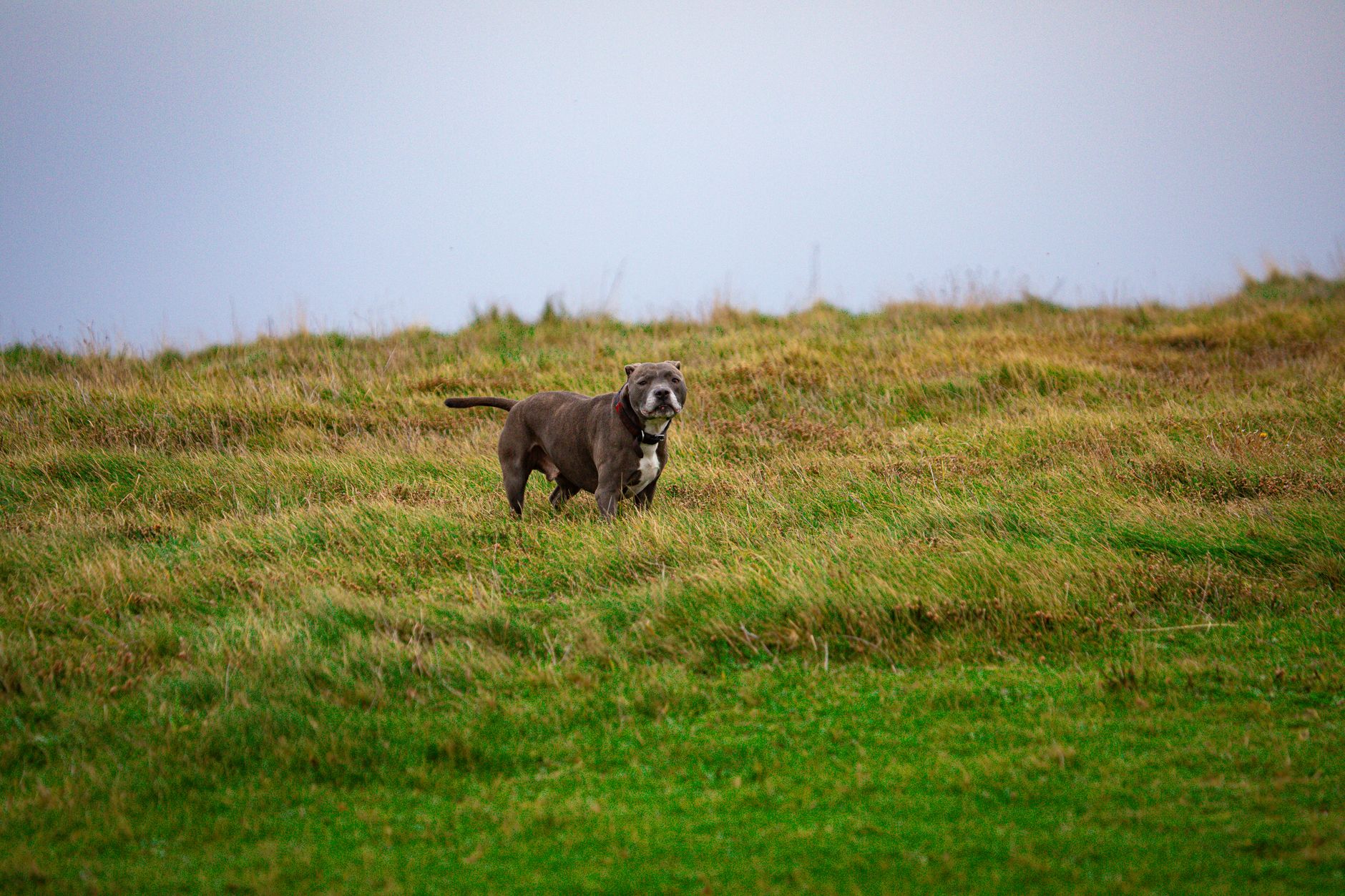
Staffordshire Bull Terriers, often shortened to “Staffies,” are known for their affectionate nature towards humans. However, their strong build and history as fighting dogs can sometimes lead to misunderstandings.
- Loyalty and Affection: Staffies are generally extremely loyal and form strong bonds with their families.
- Sensitivity: Despite their muscular appearance, Staffies are surprisingly sensitive dogs.
- Individual Personalities: Like all breeds, Staffies have individual personalities. Some may crave physical affection, while others prefer other forms of interaction.
Decoding Your Staffie’s Hug Preferences: Signs of Comfort and Discomfort
Learning to read your Staffie’s body language is essential to determining their comfort level with hugs. Look for the following signs:
Signs of Comfort:
- Relaxed Body Posture: A loose and relaxed body indicates the Staffie is comfortable.
- Soft Eyes: Soft, blinking eyes suggest relaxation.
- Tail Wagging (loosely): A relaxed wagging tail, not stiff or high, is a positive sign.
- Leaning In: If your Staffie leans into the hug, they are likely enjoying the contact.
Signs of Discomfort:
- Stiff Body Posture: A tense or rigid body indicates stress.
- Whale Eye: Showing the whites of their eyes (whale eye) is a sign of anxiety.
- Lip Licking: Frequent lip licking can indicate stress or discomfort.
- Yawning (when not tired): Excessive yawning can be a sign of anxiety.
- Ears Pinned Back: Ears held tightly against the head indicate fear or stress.
- Turning Away: If your Staffie tries to move away from the hug, respect their space.
- Growling or Snapping: These are clear warning signs and should be taken seriously.
Alternatives to Hugs: Showing Affection in Ways Your Staffie Appreciates
If your Staffie doesn’t enjoy hugs, there are many other ways to show them love and affection:
- Verbal Praise: Positive reinforcement with enthusiastic praise is always appreciated.
- Treats: Offer your Staffie their favorite treats.
- Playtime: Engage in activities your Staffie enjoys, such as fetch or tug-of-war.
- Gentle Petting: Many Staffies enjoy gentle petting, especially under the chin or on the chest.
- Cuddling: Sitting next to your Staffie on the couch while providing gentle scratches is a more accessible form of affection.
- Training: Practicing tricks and obedience skills together strengthens your bond and provides mental stimulation.
Introducing Hugs Slowly and Positively (If Desired)
If you want to introduce your Staffie to hugs, do so slowly and positively:
- Start with short, gentle embraces.
- Monitor their body language closely.
- Reward positive responses with praise and treats.
- Never force a hug if your Staffie is showing signs of discomfort.
- End the interaction on a positive note, even if it’s a short one.
Common Mistakes to Avoid
- Forcing Hugs: Never force a hug on your Staffie. This can damage your relationship and lead to fear or aggression.
- Ignoring Body Language: Pay close attention to your Staffie’s body language. Ignoring signs of discomfort can escalate the situation.
- Assuming All Staffies Are the Same: Remember that each Staffie is an individual. Their preferences may vary.
- Hugging When Anxious: Avoid hugging your Staffie when they’re already stressed or anxious. This can reinforce negative associations.
Frequently Asked Questions (FAQs)
Can puppies learn to like hugs more easily?
Yes, puppies are often more adaptable and easily socialized to different forms of affection. Introducing gentle hugs early in life, paired with positive reinforcement, can increase the likelihood of them accepting hugs as adults. However, always respect their individual boundaries and avoid forcing affection.
What if my Staffie tolerates hugs but doesn’t seem to enjoy them?
Even if your Staffie tolerates hugs, it doesn’t necessarily mean they enjoy them. Continue to prioritize their comfort and explore other ways to show affection that they respond to more enthusiastically. Observation is key.
Are there specific hugging techniques that are better for Staffies?
Generally, loose and gentle embraces are preferable. Avoid squeezing tightly or restricting their movement. A brief, side-to-side lean can be less intimidating than a full frontal hug. Always pay attention to their body language.
Is it possible for a Staffie to learn to dislike hugs after initially enjoying them?
Yes, negative experiences can cause a Staffie to develop a dislike for hugs. This could be due to accidental injury during a hug, associating hugs with stressful situations, or simply a change in their individual preferences as they age.
Does a Staffie’s age affect their tolerance for hugs?
Senior dogs may be less tolerant of hugs due to age-related pain or decreased mobility. Puppies, as mentioned, are more receptive. Middle-aged Staffies may be less tolerant of physical contact if they were not appropriately socialized at a younger age.
How can I tell the difference between discomfort and playfulness in a Staffie’s hug response?
Playful behavior often involves a loose body posture, tail wagging, and playful nipping or licking. Discomfort will be indicated by stiffness, lip licking, yawning, whale eye, or attempts to move away. Context is crucial.
Should I hug my Staffie if they are showing signs of fear or anxiety?
No, do not hug a Staffie who is showing signs of fear or anxiety. Hugs can be perceived as restrictive and further increase their stress. Instead, provide a safe space and use calming techniques, such as gentle verbal reassurance or offering a favorite toy.
Do Staffies cuddle more with their “favorite” person in the family?
Staffies often form stronger bonds with one particular person in the family and may exhibit more affectionate behavior, such as cuddling, with that individual. This is due to individual preferences, time spent together, and perceived security.
How do I explain to children that the Staffie doesn’t like hugs?
Explain to children that every dog is different and that some dogs prefer other ways of showing affection, such as petting or playing. Teach them to respect the Staffie’s boundaries and to look for signs of discomfort.
Are some Staffies more naturally affectionate than others?
Yes, individual personalities play a significant role in a Staffie’s level of affection. Some Staffies are naturally more cuddly and affectionate, while others are more independent and prefer less physical contact.
What role does socialization play in a Staffie’s willingness to be hugged?
Early socialization is crucial in shaping a Staffie’s tolerance for hugs and other forms of physical contact. Exposing puppies to a variety of positive experiences, including gentle handling by different people, can help them become more comfortable with affection.
If my Staffie used to enjoy hugs and now doesn’t, should I be concerned about a medical issue?
If your Staffie suddenly stops enjoying hugs or shows other signs of discomfort, it’s always a good idea to consult with a veterinarian. Underlying medical conditions, such as arthritis or pain, can make them less tolerant of physical contact.