
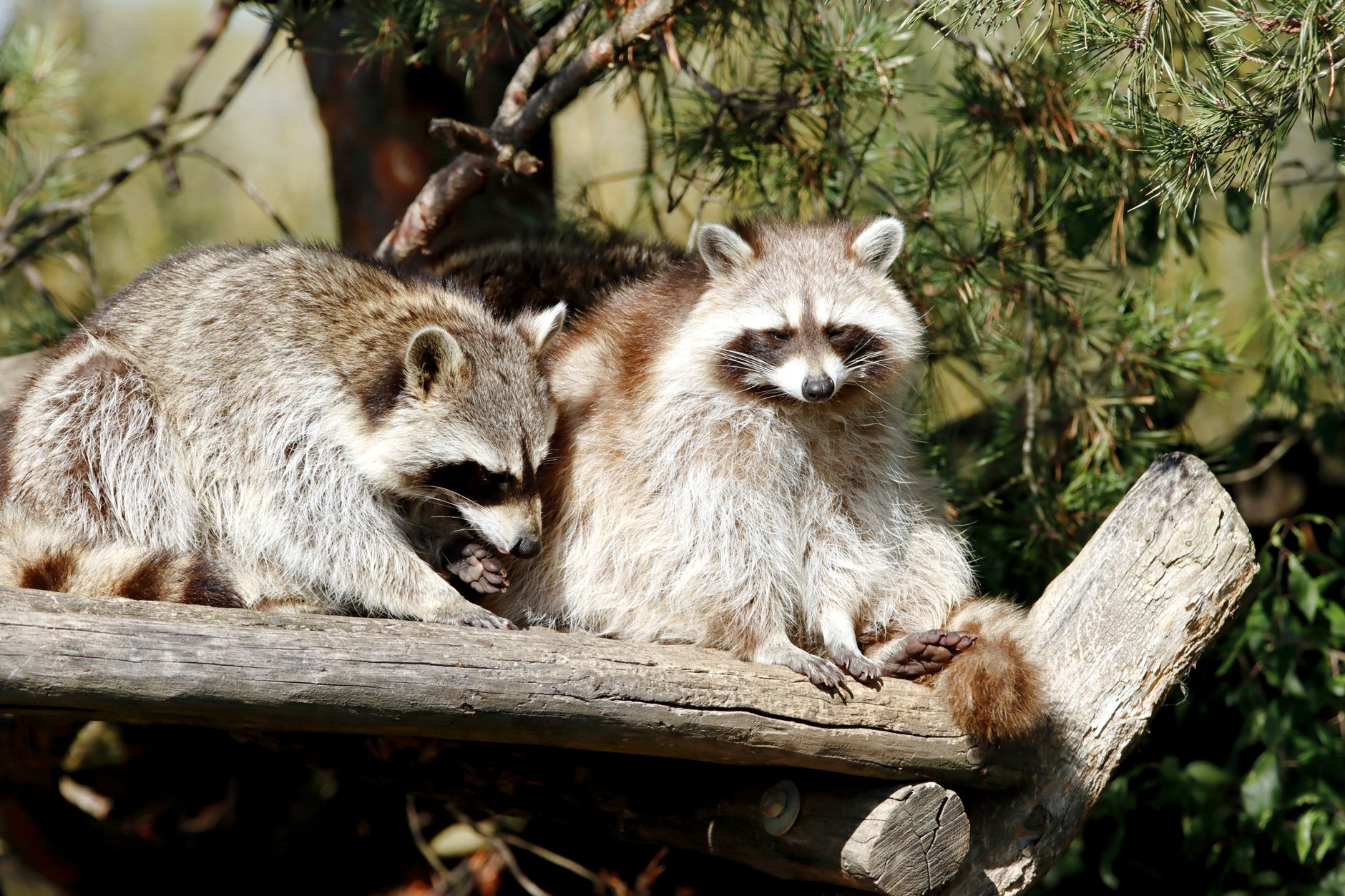
Do Raccoons Always Use the Same Bathroom? The Definitive Guide to Raccoon Latrines
No, raccoons do not always poop in the same place. However, they do exhibit a unique behavior of establishing and using communal defecation sites known as raccoon latrines, making it seem like they do poop in the same place regularly.
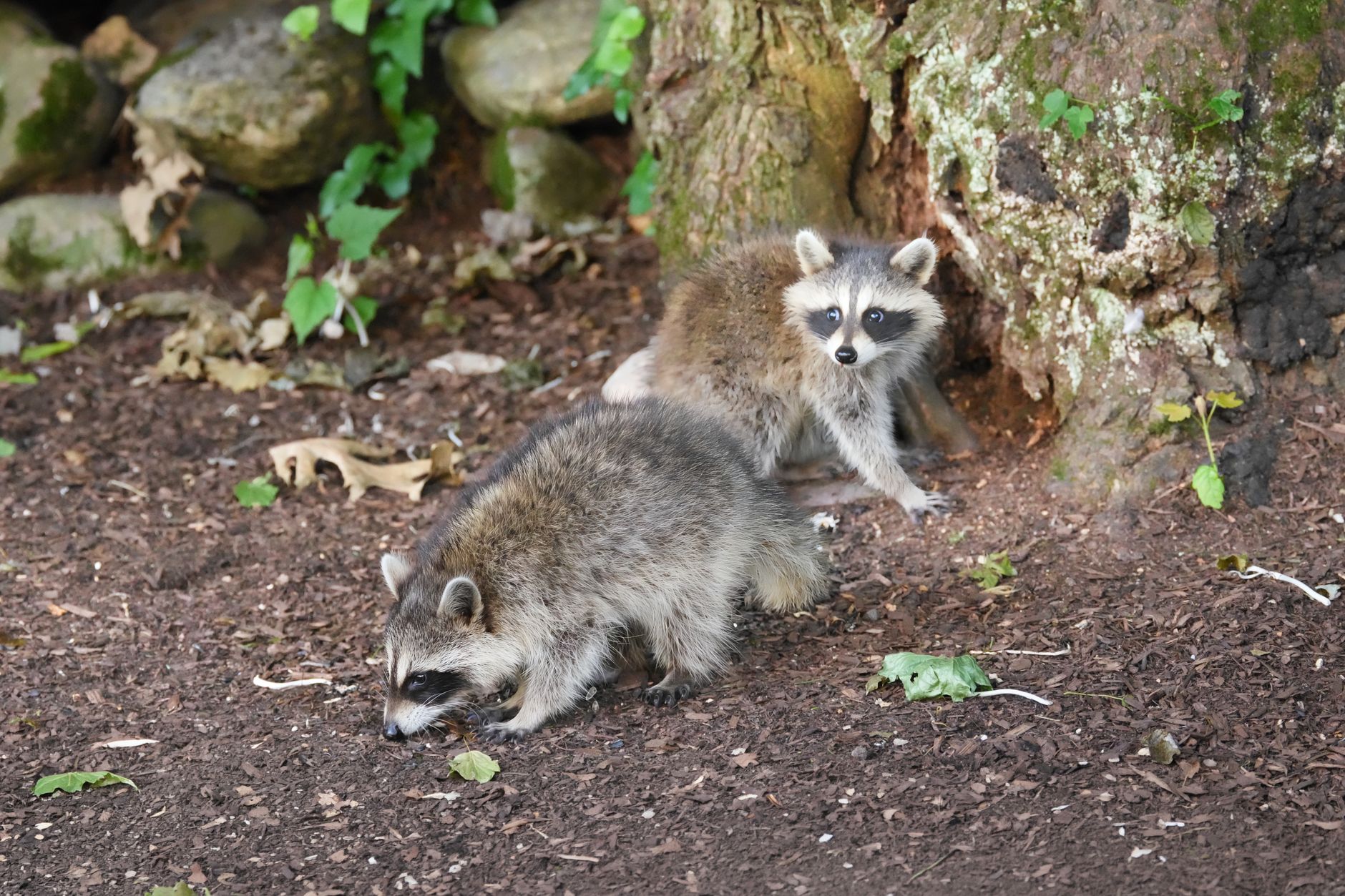
Raccoons, those masked bandits of the backyard, are fascinating creatures. While many associate them with scavenging and general mischief, a lesser-known aspect of their behavior is their distinctive bathroom habits. Do raccoons poop in the same place every time? While not every single scat is deposited in the same spot, the answer is more nuanced than a simple yes or no. This article delves into the world of raccoon latrines, exploring their purpose, characteristics, and the implications they have for both the animals and the humans who share their environment.
Understanding Raccoon Latrines
Raccoon latrines are communal defecation sites used by multiple raccoons. These aren’t random dumps; they’re designated areas serving a crucial role in raccoon communication and social structure. Recognizing these latrines is crucial for homeowners and pest control professionals alike.
- Defining a Latrine: A raccoon latrine is a specific area where multiple raccoons repeatedly defecate. These sites are often characterized by a concentrated accumulation of scat.
- Location, Location, Location: Raccoons typically establish latrines in elevated or sheltered locations. Common spots include:
- Tree crotches
- Attics
- Decks and patios
- Rock piles
- Sheds and garages
- Why Latrines? The purpose of latrines is multifaceted. Primarily, they serve as communication hubs. The scent of the scat provides information about the raccoons that frequent the area, including their sex, age, reproductive status, and even their individual identity.
- Latrines vs. Random Droppings: Differentiating between a latrine and random droppings is essential. A latrine will have a significant concentration of scat, often in a single area or a linear pattern along a beam or wall. Isolated droppings are less likely to indicate a latrine.
What colours are fish most attracted to?
Can you put your finger in a trout's mouth?
Is methylene blue anti bacterial?
Does aquarium salt raise pH in aquarium?
The Significance of Raccoon Latrines

These communal defecation sites are more than just a place for raccoons to relieve themselves. They’re vital communication centers within their social structure.
- Communication Hubs: As mentioned, latrines facilitate communication between raccoons. The scent provides a wealth of information, similar to a social media profile for raccoons.
- Territorial Marking: Latrines can also serve as territorial markers, signaling to other raccoons that an area is occupied. This can help reduce conflict and maintain social order.
- Navigation and Orientation: While less common, latrines might also play a role in navigation, helping raccoons orient themselves within their territory.
- Potential Health Risks: Latrines pose potential health risks to humans and pets. Raccoon scat can contain Baylisascaris procyonis, a roundworm that can cause serious neurological damage. Proper hygiene and removal of latrines are crucial.
Identifying and Managing Raccoon Latrines
Recognizing and safely managing raccoon latrines is essential for protecting your health and property.
- Signs of a Latrine: Look for accumulations of dark, cylindrical scat, typically 2-3 inches long. The scat may contain undigested food particles, such as seeds or berries.
- Safety Precautions: When cleaning a latrine, wear gloves and a mask to prevent inhalation of spores or contact with contaminated materials.
- Cleaning and Disinfection: Use hot water and soap to clean the area. Disinfect with a bleach solution (1 part bleach to 10 parts water). Dispose of contaminated materials in a sealed bag.
- Prevention: To prevent future latrines, remove attractants such as food sources and seal potential entry points to buildings. Consider using raccoon deterrents, such as motion-activated lights or sprinklers.
The Science Behind Raccoon Defecation Habits
While the behavior of establishing latrines is well-documented, the precise reasons behind it continue to be studied.
- Olfactory Communication: Raccoons have a highly developed sense of smell, which plays a crucial role in their communication. The scent of their scat provides detailed information about their identity and status.
- Social Hierarchy: Latrines may be used to reinforce social hierarchies within raccoon communities. More dominant individuals may have preferential access to latrines or leave more prominent scent marks.
- Evolutionary Advantages: The establishment of latrines likely provides evolutionary advantages, such as improved communication, reduced conflict, and more efficient resource utilization.
- Ongoing Research: Scientists continue to investigate the complexities of raccoon defecation habits, seeking to understand the full range of functions and benefits associated with latrines.
Frequently Asked Questions
Here are some frequently asked questions regarding raccoon bathroom habits, to help you further understand these creatures and their curious latrine behavior.
Are raccoon latrines always found outdoors?
No, raccoon latrines are not always found outdoors. While many are located in tree crotches, rock piles, or under decks, raccoons also frequently establish latrines in attics, sheds, garages, and other accessible indoor spaces. This can pose a significant health risk to homeowners.
What diseases can humans get from raccoon scat?
The most significant concern is Baylisascaris procyonis, a roundworm that can cause neurological damage in humans. Other potential diseases include leptospirosis, salmonellosis, and giardiasis. Proper hygiene and safe handling of raccoon scat are crucial to prevent infection.
How do I know if raccoons are using my attic as a latrine?
Signs include a strong, ammonia-like odor, piles of dark, cylindrical scat, and potentially damage to insulation or other materials. You may also hear noises in the attic, particularly at night. Professional wildlife removal services can confirm raccoon presence.
Can I just ignore a raccoon latrine?
Ignoring a raccoon latrine is not recommended due to the potential health risks. The Baylisascaris procyonis eggs in the scat can survive for years and pose a threat to humans and pets. Prompt and safe removal is essential.
What is the best way to clean a raccoon latrine?
The best way is to wear protective gear (gloves, mask) and thoroughly clean the area with hot water and soap. Then, disinfect with a bleach solution (1 part bleach to 10 parts water). Dispose of contaminated materials in sealed bags.
How can I prevent raccoons from creating a latrine on my property?
Remove food sources (pet food, garbage), seal potential entry points to buildings, trim tree branches that provide access to roofs, and consider using raccoon deterrents. Regular property maintenance can also discourage raccoon activity.
Do all raccoons use the same latrine?
Not necessarily. Latrines can be used by multiple raccoons from a social group or territory. However, not every raccoon in the area will necessarily use the same latrine. Some individuals may have their own preferred locations.
Are raccoon latrines seasonal?
Raccoon latrines can be used year-round, but activity may increase during breeding season or when food is readily available. Winter activity may be reduced in colder climates.
Are there any natural deterrents that keep raccoons away?
Some homeowners have had success with deterrents such as motion-activated lights or sprinklers. Strong odors, such as peppermint oil or ammonia, may also deter raccoons. However, their effectiveness can vary.
What should I do if I find raccoon scat in my garden?
Wear gloves and carefully remove the scat. Disinfect the area with a bleach solution. Wash your hands thoroughly afterwards. Avoid using the area for gardening until it has been properly cleaned and disinfected.
Is it safe to compost raccoon scat?
No, it is not safe to compost raccoon scat. The Baylisascaris procyonis eggs can survive the composting process and contaminate the compost, posing a health risk.
How often do raccoons defecate?
The frequency of defecation varies depending on the raccoon’s diet, age, and activity level. However, they typically defecate several times a day. This contributes to the accumulation of scat in latrine sites, highlighting why understanding the behavior of “Do raccoons poop in the same place every time?” is essential for health and safety.