

Do Raccoons Feel Pain? Unveiling the Science
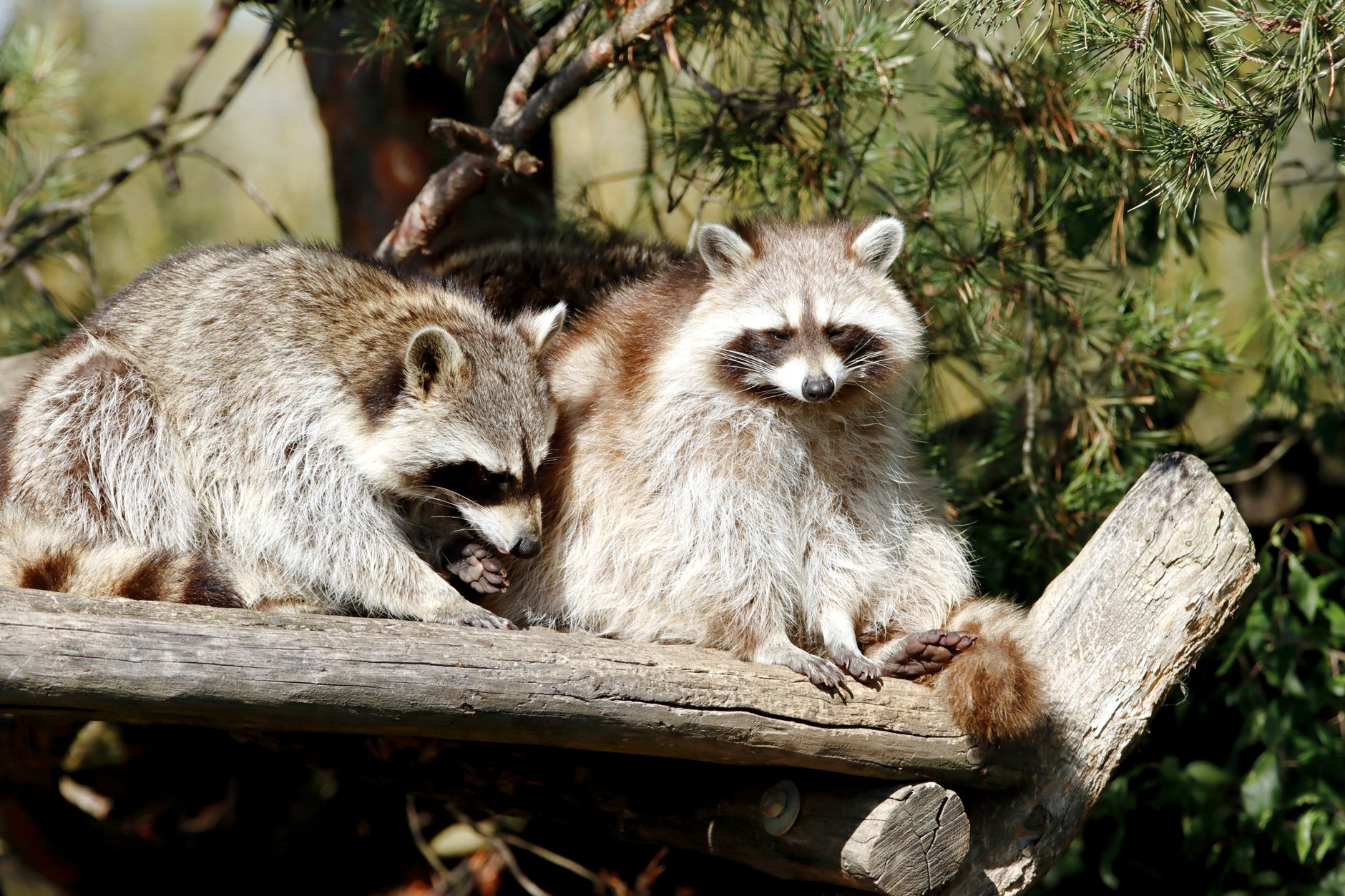
Yes, raccoons absolutely feel pain. Like all mammals, they possess a complex nervous system designed to detect and respond to painful stimuli, making their experience of pain likely very similar to our own.
The Neural Basis of Pain in Raccoons
The capacity to feel pain is a fundamental aspect of animal survival. It alerts an organism to potential or actual tissue damage, prompting a protective response. Do raccoons feel pain? The answer lies within their sophisticated neurological infrastructure.
- Nociceptors: These specialized sensory nerve cells are found throughout the raccoon’s body, including the skin, muscles, and internal organs. They detect noxious stimuli – anything that can cause tissue damage, such as heat, pressure, or chemicals.
- Nerve Pathways: When nociceptors are activated, they send electrical signals along nerve pathways to the spinal cord. From there, the signals travel to the brain.
- Brain Regions: The brain processes these signals in various regions, including the somatosensory cortex (responsible for localizing pain), the thalamus (relaying sensory information), and the limbic system (involved in the emotional aspects of pain).
What colours are fish most attracted to?
Can you put your finger in a trout's mouth?
Is methylene blue anti bacterial?
Does aquarium salt raise pH in aquarium?
Evidence from Behavior and Physiology
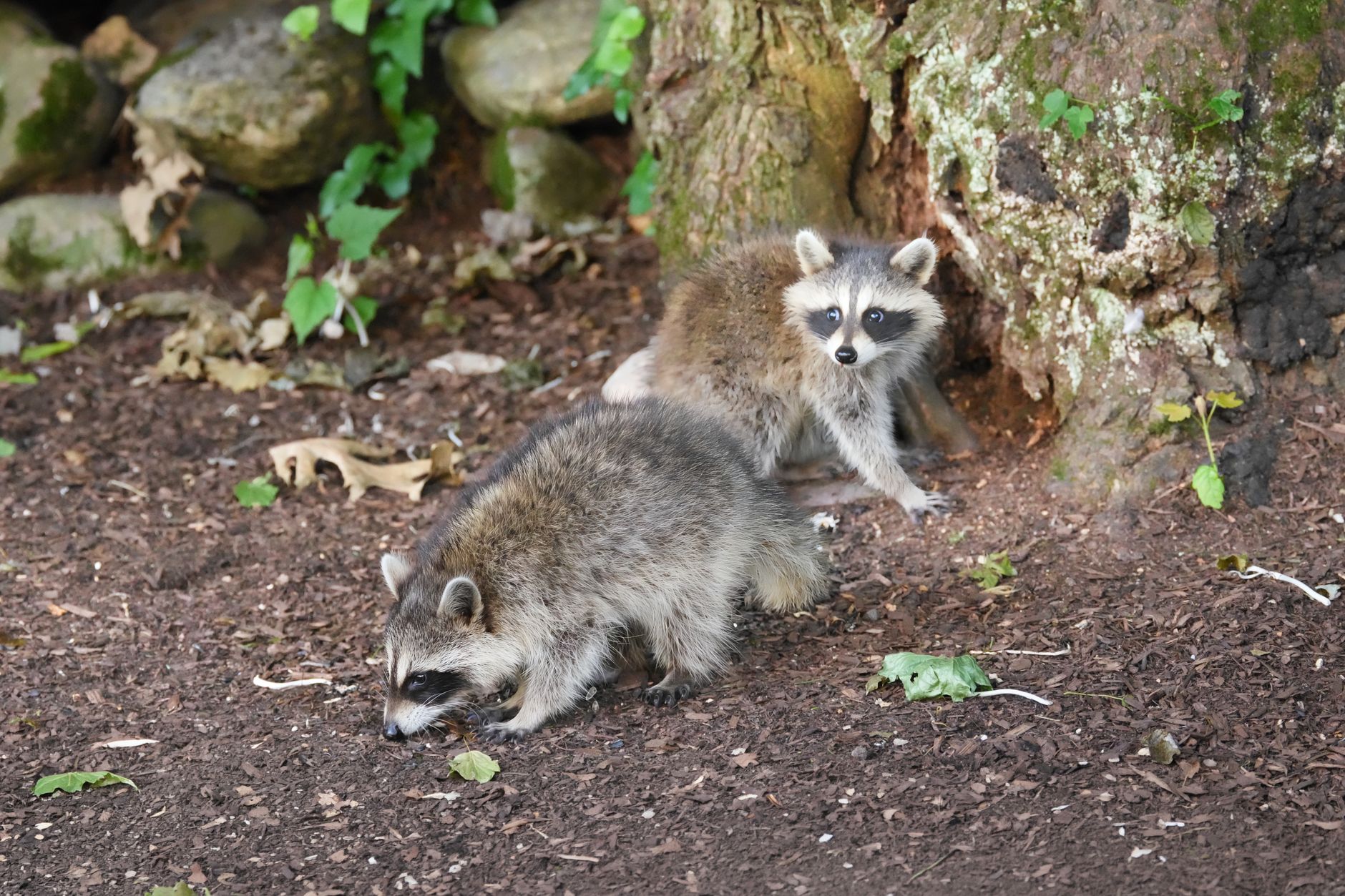
While we can’t directly ask a raccoon about its pain experience, we can infer its capacity to feel pain from its behavior and physiological responses.
- Behavioral Responses: Raccoons exhibit behaviors consistent with pain avoidance. They withdraw from painful stimuli, lick or groom injured areas, and may become less active or exhibit altered eating patterns. They will also vocalize in response to pain.
- Physiological Responses: Pain triggers a cascade of physiological responses in raccoons, including increased heart rate, blood pressure, and respiration rate. The release of stress hormones like cortisol is also observed. These responses are similar to those seen in other mammals experiencing pain.
- Response to Analgesics: Raccoons respond to pain-relieving medications (analgesics) in a way that suggests their pain experience is genuine. Veterinary professionals use analgesics to manage pain in raccoons after surgery or injury.
Comparing Raccoon Pain Sensitivity to Other Mammals
The neurological structure and physiological responses to pain in raccoons are strikingly similar to those of other mammals, including humans. While there may be slight variations in pain threshold or individual sensitivity, the basic mechanisms are the same.
It is unlikely that raccoons feel pain less intensely than other mammals. In fact, given their intelligence and problem-solving abilities, they may experience pain with a greater degree of awareness and emotional distress. Further research is always needed to fully understand the nuance of pain perception in these fascinating animals.
Ethical Considerations
Understanding that raccoons feel pain is crucial for promoting ethical treatment. We must strive to minimize any unnecessary pain or suffering inflicted upon them.
- Wildlife Rehabilitation: Wildlife rehabilitators play a critical role in caring for injured or orphaned raccoons. Pain management is an essential aspect of their work.
- Humane Trapping and Control: When raccoon control is necessary, humane methods should be employed to minimize stress and potential injury.
- Respect for Wildlife: A general respect for wildlife, including raccoons, is essential for creating a more compassionate and sustainable world.
| Ethical Consideration | Implication for Raccoons |
|---|---|
| Minimizing Suffering | Implement pain management protocols for injured raccoons. |
| Humane Control Methods | Use live traps and relocate raccoons responsibly. |
| Respect for Wildlife | Avoid unnecessary interactions that could cause stress or harm. |
The Role of Empathy
Empathy, the ability to understand and share the feelings of another, is essential for promoting animal welfare. Recognizing that raccoons feel pain, just as we do, can motivate us to treat them with kindness and compassion.
Frequently Asked Questions (FAQs)
Do raccoons feel pain the same way humans do?
While we cannot directly know the subjective experience of a raccoon, their nervous systems are remarkably similar to ours. Therefore, it is highly likely that they experience pain in a comparable way.
How can you tell if a raccoon is in pain?
Signs of pain in raccoons can include limping, reluctance to move, altered eating habits, vocalizations (such as whimpering or growling), excessive grooming of a particular area, and changes in temperament (such as increased aggression or withdrawal).
What kind of injuries are raccoons prone to?
Raccoons are susceptible to a variety of injuries, including those caused by vehicle collisions, animal attacks (especially from dogs), traps, and falls. They can also suffer from diseases that cause pain, such as arthritis.
Do raccoons feel pain when they are trapped?
Yes. Traps, especially foothold traps, can cause significant pain and suffering to raccoons. That’s why humane trapping methods are essential.
Can raccoons be given pain medication?
Yes. Veterinarians and wildlife rehabilitators can administer pain medication to raccoons, including NSAIDs (non-steroidal anti-inflammatory drugs) and opioids. The type and dosage of medication will depend on the severity of the pain and the raccoon’s overall health.
Do baby raccoons feel pain?
Yes. Like adult raccoons, baby raccoons have a fully developed nervous system and are capable of experiencing pain. Protecting the kits becomes even more important when considering this fact.
Is it ethical to trap and relocate raccoons?
The ethics of trapping and relocating raccoons are complex. While live trapping is generally considered more humane than lethal methods, relocation can still be stressful and can disrupt the raccoon’s social structure. It can also spread disease. Relocation should be a last resort.
Do raccoons feel pain from diseases like rabies?
Rabies affects the nervous system and can cause neurological dysfunction. While the primary symptoms are often aggression and disorientation, it is possible that rabies also causes pain or discomfort.
How can I help an injured raccoon?
If you find an injured raccoon, contact your local animal control or wildlife rehabilitation center immediately. Do not attempt to handle the animal yourself, as they may be aggressive due to pain and fear.
Do raccoons feel pain when euthanized?
When performed correctly by trained professionals, euthanasia is designed to be a painless and humane process. Specific protocols are used to minimize any potential suffering.
Do raccoons remember painful experiences?
Like other mammals, raccoons likely have the capacity to remember painful experiences. This memory can help them avoid similar situations in the future. This speaks to their intelligence and problem-solving abilities.
What can I do to prevent raccoons from getting injured?
You can help prevent raccoon injuries by driving cautiously in areas where raccoons are present, keeping your pets under control, securing your trash cans, and avoiding the use of harmful traps. By taking simple steps, you can reduce the risk of harm to these intelligent and sensitive creatures.