
Do Porch Lights Attract Coyotes? Unveiling the Truth
Do porch lights attract coyotes? Not directly, but they can indirectly increase coyote activity by attracting prey species, creating opportunities for these adaptable predators. Understanding these indirect links is key to minimizing unwanted wildlife encounters.

Understanding Coyote Behavior and Ecology
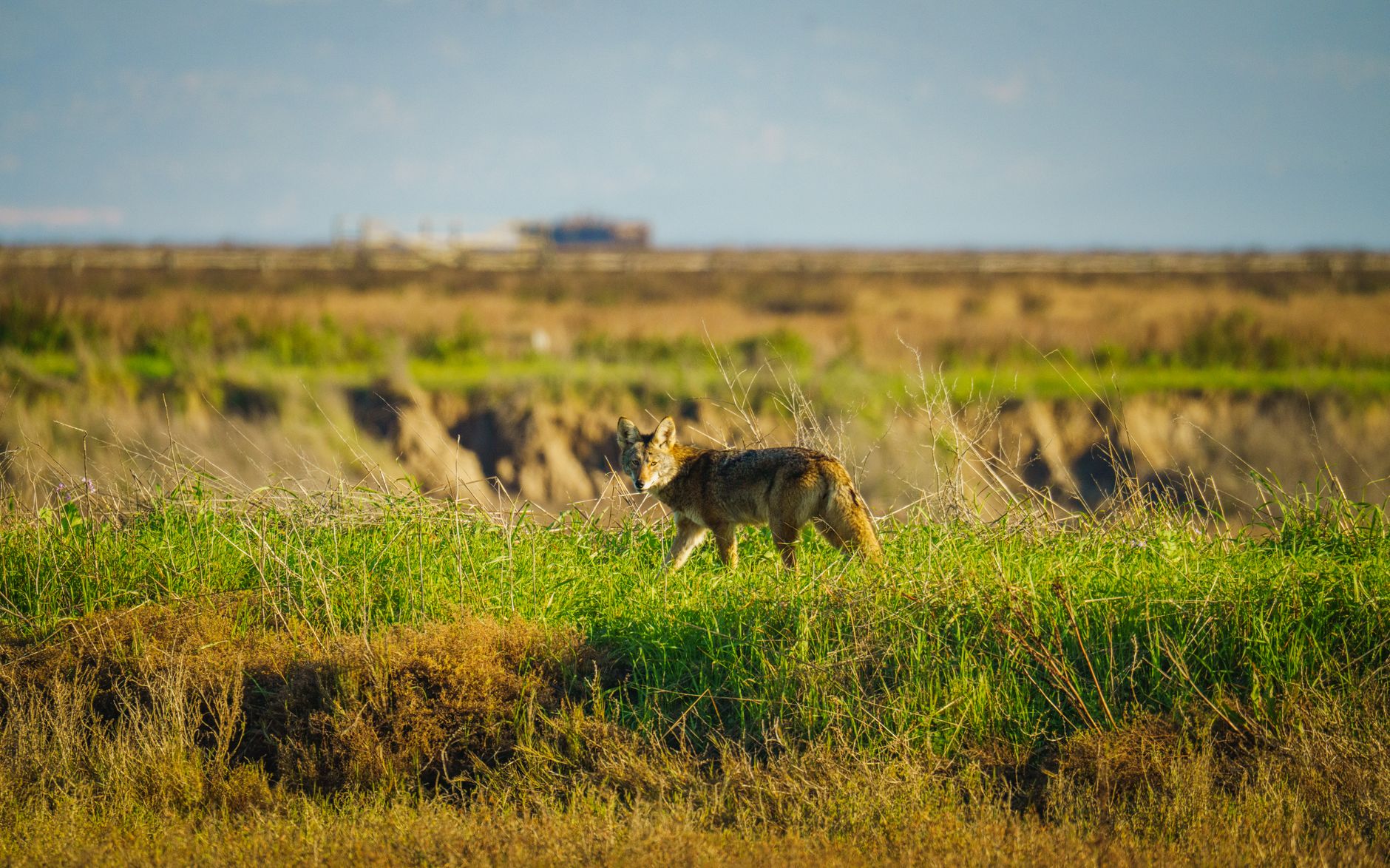
Coyotes (Canis latrans) are highly adaptable canids found throughout North America. They are opportunistic omnivores, meaning their diet includes everything from small mammals and birds to fruits and insects. This flexibility allows them to thrive in diverse environments, including urban and suburban areas. Understanding their basic behavior is crucial to answering the question, do porch lights attract coyotes?
- Diet: Primarily rodents, rabbits, birds, and insects. In urban settings, they also scavenge for garbage and pet food.
- Habitat: Adaptable to various terrains, including forests, grasslands, and urban areas.
- Activity: Generally crepuscular (most active at dawn and dusk), but can be active at any time, especially in urban environments.
- Social Structure: Can live in packs or as solitary individuals, depending on resource availability.
What colours are fish most attracted to?
Can you put your finger in a trout's mouth?
Is methylene blue anti bacterial?
Does aquarium salt raise pH in aquarium?
The Indirect Link: Prey Attraction
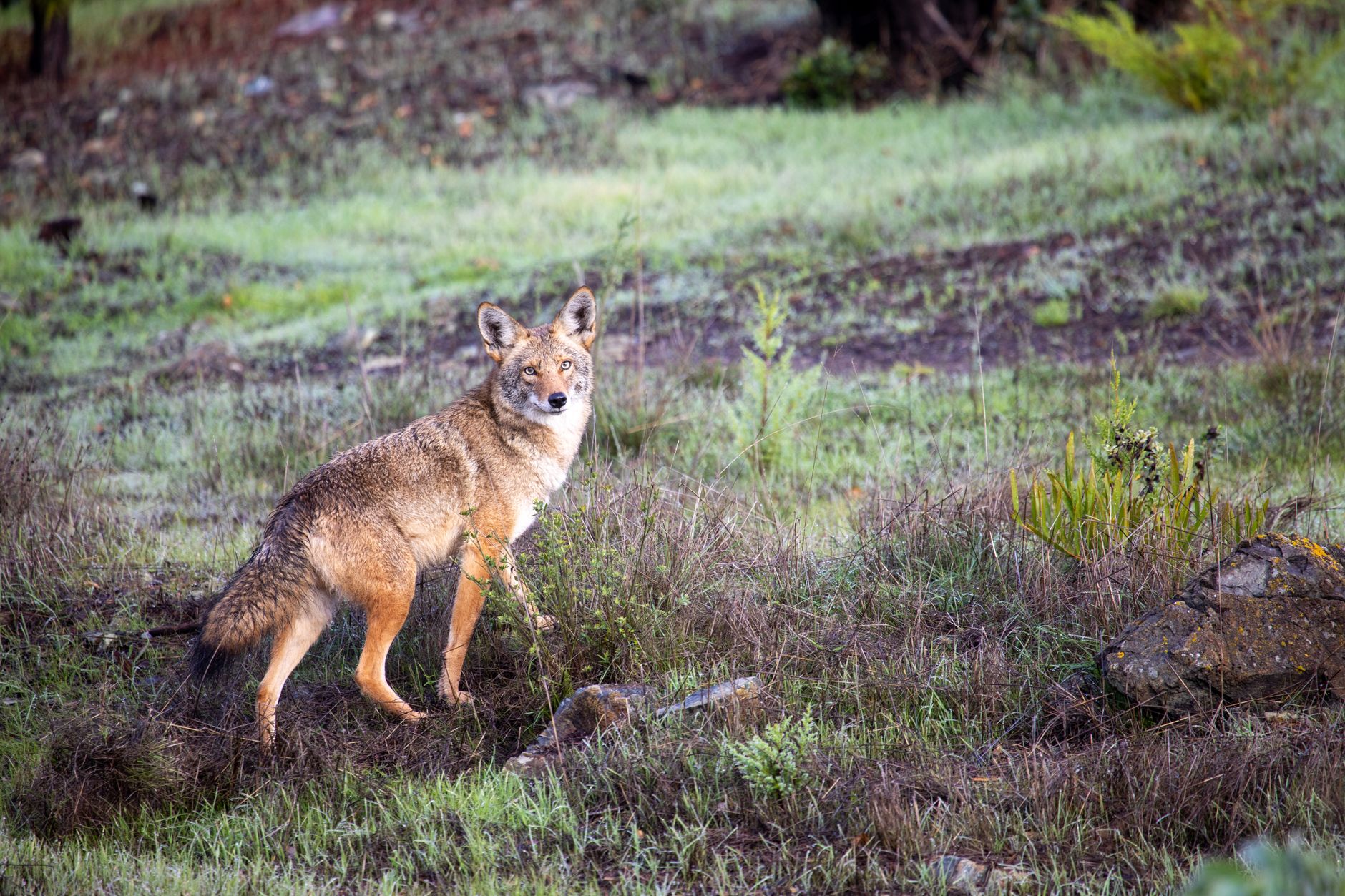
While coyotes aren’t inherently drawn to artificial light, their prey often are. Many insects are attracted to porch lights, which then attract insectivorous birds and small mammals. This creates a concentrated food source that coyotes might exploit. Thus, do porch lights attract coyotes? Indirectly, yes, by attracting their food sources.
Consider this chain:
- Porch Lights Attract Insects: Moths, flies, and other insects are drawn to light sources.
- Insects Attract Birds and Small Mammals: These creatures feed on the insects congregating around the lights.
- Birds and Small Mammals Attract Coyotes: Coyotes, in turn, are attracted to the higher density of prey.
The Urban Coyote: Adaptability and Opportunity
Urban coyotes have adapted remarkably well to living alongside humans. They learn to navigate city streets, identify food sources, and even adjust their activity patterns to avoid peak human activity. The presence of readily available food, such as unsecured garbage and pet food, is a significant factor in attracting coyotes to urban areas. The relationship to do porch lights attract coyotes? is still indirect, but amplified by the presence of an already attractive food source.
Mitigation Strategies: Reducing Coyote Attraction
If you’re concerned about attracting coyotes to your property, there are several steps you can take:
- Turn off Porch Lights When Not Needed: Reducing light pollution minimizes the attraction of insects and their predators.
- Use Motion-Sensor Lights: These lights only activate when movement is detected, minimizing constant illumination.
- Secure Garbage Cans: Ensure your garbage cans have tight-fitting lids to prevent coyotes from accessing food scraps.
- Feed Pets Indoors: Avoid leaving pet food outside, as it is a major attractant for coyotes and other wildlife.
- Clear Brush and Overgrowth: Removing dense vegetation around your property eliminates potential hiding places for coyotes and their prey.
- Install Fencing: A sturdy fence can deter coyotes from entering your property.
Comparing Lighting Options and Their Impact
Different types of lighting can have varying impacts on wildlife. Here’s a brief comparison:
| Lighting Type | Insect Attraction | Potential Coyote Attraction | Energy Efficiency |
|---|---|---|---|
| Incandescent Lights | High | High | Low |
| Halogen Lights | Medium | Medium | Medium |
| LED Lights | Low | Low | High |
| Sodium Vapor Lights | Very Low | Very Low | High |
Choosing LED lights with a warmer color temperature (e.g., amber or yellow) can further reduce insect attraction.
Frequently Asked Questions (FAQs)
Will turning off my porch light definitely keep coyotes away?
Turning off your porch light alone isn’t a guaranteed solution, but it’s a positive step in reducing overall attraction. It’s important to combine this with other preventative measures like securing garbage and eliminating other food sources.
What time of year are coyotes most likely to be attracted to porch lights?
Coyotes are most active during their breeding season (January-March) and when raising pups (April-August). This is when they are most actively seeking food and may be more likely to exploit any available resources, including those indirectly created by porch lights.
Are some breeds of pets more likely to attract coyotes?
While breed isn’t the primary factor, small dogs and cats are more vulnerable to coyote predation. It’s crucial to supervise pets, especially during dawn and dusk, and never leave them unattended outside.
What should I do if I encounter a coyote near my home?
Remain calm and do not approach the coyote. Make yourself look large by raising your arms and yelling loudly. If the coyote doesn’t leave, slowly back away while maintaining eye contact. Report any aggressive or unusual coyote behavior to your local animal control or wildlife agency.
Does my neighbor’s porch light affect the likelihood of coyotes visiting my property?
Yes, if your neighbor’s porch light is attracting a lot of insects and prey animals, it can indirectly increase the risk of coyotes visiting your property, even if you don’t have a porch light. Encourage your neighbors to take similar preventative measures.
How far away can coyotes smell food or detect potential prey?
Coyotes have an excellent sense of smell and can detect food sources from several miles away, depending on wind conditions and the strength of the odor.
Are coyotes more attracted to lights in rural or urban areas?
The attraction depends on resource availability, not necessarily the location. In rural areas, lights might be less common, making them stand out more. In urban areas, coyotes are already acclimated to human activity and may simply see lights as another component of their environment. The underlying principle of insect and prey attraction remains the same.
What is the best type of fencing to deter coyotes?
A fence should be at least 6 feet tall and made of a material that coyotes cannot easily climb or dig under. Consider adding a buried wire mesh apron extending outwards from the base of the fence to prevent digging.
Do ultrasonic pest repellents effectively deter coyotes?
The effectiveness of ultrasonic pest repellents is debatable. While some people claim they work, there is limited scientific evidence to support their use. Coyotes are intelligent animals and may quickly habituate to the sound.
Is it safe to use pepper spray to deter coyotes?
Pepper spray can be effective at deterring coyotes, but it should be used cautiously and only as a last resort. Be aware of wind direction to avoid spraying yourself or others. Check local regulations regarding the use of pepper spray on wildlife.
How can I tell if a coyote is sick or rabid?
Signs of rabies in coyotes include unusual aggression, disorientation, excessive salivation, and difficulty walking. If you observe a coyote exhibiting these symptoms, contact your local animal control or wildlife agency immediately. Do not approach the animal.
What is the ecological role of coyotes, and why is it important to manage their populations responsibly?
Coyotes play an important role in controlling rodent populations and maintaining ecosystem balance. However, their adaptability and opportunistic nature can lead to conflicts with humans and livestock. Responsible management involves implementing non-lethal strategies to minimize conflicts and promote coexistence. Indiscriminate killing can disrupt coyote social structures and lead to increased problems. Understanding do porch lights attract coyotes? contributes to these strategies.