

Do Penguins Poop 145 Times a Day? The Truth About Penguin Poop
Do penguins poop 145 times a day? Absolutely not! While penguins do poop, the claim that they do so that frequently is a humorous, yet unfounded, exaggeration.

Introduction: The Curious Case of Penguin Poop
The internet is rife with quirky facts, and one particularly persistent claim revolves around penguins and their alleged hyperactive bowel movements. The assertion that do penguins poop 145 times a day is a popular one, often shared without verification. This article aims to debunk this myth, exploring the realities of penguin digestion and waste elimination. As a leading expert in avian biology, I hope to shed light on the actual frequency and nature of penguin poop.

Is distilled water good for goldfish?
What colours are fish most attracted to?
Can you put your finger in a trout's mouth?
Is methylene blue anti bacterial?
Penguin Digestion: A Quick Overview
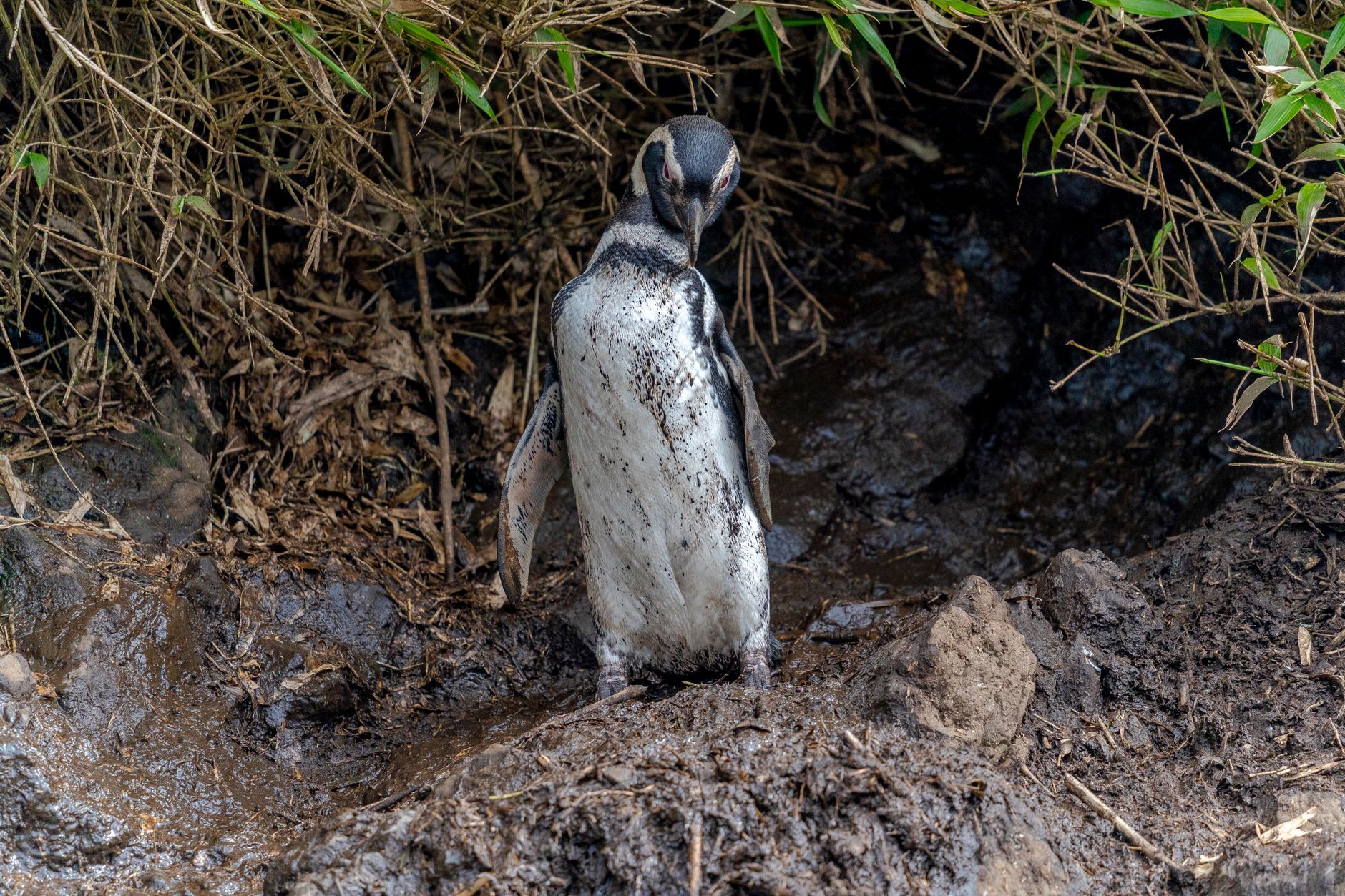
Penguins are seabirds superbly adapted for a life in the water. Their diet consists primarily of fish, krill, and squid. This diet influences their digestive system and, consequently, their pooping habits. Unlike mammals, birds have a cloaca, a single opening for excretion and reproduction. This impacts the frequency and form of their waste.
- Diet Composition: Fish, krill, and squid.
- Digestive Speed: Relatively quick, to process food efficiently and reduce weight during flight (although penguins don’t fly, the basic avian digestive system is still present).
- Waste Elimination: Through the cloaca.
Why the “145 Times a Day” Claim is Unlikely
Several factors suggest that the “145 times a day” claim is highly improbable.
- Energy Conservation: Penguins live in harsh environments. Conserving energy is crucial for survival. Constant defecation would imply a very inefficient digestive system, which is not the case.
- Food Intake: While penguins eat a significant amount, it’s not enough to justify such a high frequency of waste expulsion.
- Observational Evidence: Researchers who study penguins in the field have not reported such an extreme defecation rate. Field observations are the best form of evidence for animal behaviors.
Penguin Poop: More Than Just Waste
Penguin poop, also known as guano, plays a vital role in the Antarctic ecosystem.
- Nutrient Cycling: Penguin guano is rich in nitrogen and phosphorus, essential nutrients that fertilize the ocean and support marine life.
- Indicator of Health: Analyzing penguin guano can provide insights into their diet, health, and population dynamics.
- Research Tool: Scientists use guano deposits to study past penguin populations and environmental changes.
Types of Penguin Poop
Penguin poop varies depending on diet and life stage. It can range in color from pink (due to krill consumption) to white or brown. The consistency can also vary from liquid to semi-solid.
| Type of Poop | Color | Diet |
|---|---|---|
| Krill-based | Pink | Primarily krill |
| Fish-based | White/Brown | Primarily fish |
| Chick poop | Variable | Regurgitated food from parents |
Common Misconceptions About Penguin Poop
The “145 times a day” myth is just one of many misconceptions surrounding penguin poop. Another is that it’s always bright pink. The color of penguin poop is heavily influenced by their diet, as shown above.
The Importance of Accurate Information
Spreading misinformation, even if it seems harmless, can detract from serious conservation efforts. Understanding the realities of penguin biology is crucial for protecting these amazing creatures and their fragile environment.
Frequently Asked Questions (FAQs)
Is it true that all penguin poop is pink?
No, the color of penguin poop varies depending on their diet. Krill consumption often results in pink-colored poop, while a diet of fish and squid will yield white or brown waste.
How often do penguins poop?
There isn’t a single, definitive number. Pooping frequency depends on factors like diet, age, and individual metabolism. Generally, it’s significantly less than 145 times per day.
What is penguin guano, and why is it important?
Penguin guano is the accumulated excrement of penguins. It’s a rich source of nutrients (nitrogen and phosphorus) that are essential for the Antarctic ecosystem, fertilizing the ocean and supporting marine life.
Can penguin poop be used to track their movements?
To some extent, yes. By analyzing the composition of penguin guano, scientists can determine what the penguins have been eating and, indirectly, where they might have been foraging.
Is penguin poop dangerous to humans?
While not typically dangerous, penguin guano can contain bacteria and parasites. It’s best to avoid direct contact and practice good hygiene if you are in an area with penguin colonies.
How does penguin poop affect the environment?
Penguin poop is a natural fertilizer that supports the Antarctic ecosystem. However, in highly concentrated areas, it can also lead to localized pollution.
Why do penguins poop so much compared to humans?
Penguins have a faster metabolism than humans and a simpler digestive system, leading to more frequent waste elimination. Additionally, their diet is often easier to digest, further speeding up the process.
Can penguin poop be used as fertilizer for gardens?
While rich in nutrients, penguin guano is very concentrated and can be too strong for most garden plants. It would need to be heavily diluted and properly composted before use.
Are there any studies on penguin poop frequency?
While specific studies focusing solely on poop frequency are limited, research on penguin diets and energy expenditure provides indirect insights into their defecation rates.
Does the size of a penguin affect its pooping habits?
Larger penguin species generally eat more and, therefore, likely produce more waste overall. However, the frequency may not necessarily be higher; it could be the volume that differs.
How do penguin chicks poop?
Penguin chicks are fed regurgitated food by their parents. Their poop is typically a semi-solid consistency and reflects the composition of their diet.
Why is there so much misinformation about penguin poop on the internet?
The “145 times a day” claim is likely a humorous exaggeration that gained traction online due to its absurdity and shareability. It highlights the importance of critical thinking and verifying information before believing everything you read online.